4 section clothes hanger
CN → US| HS Code | Tariff Rate | Origin | Destination | Doc |
|---|---|---|---|---|
| 4421999880 | 38.3% | CN | US | Official Doc |
| 4421100000 | 13.2% | CN | US | Official Doc |
| 3926305000 | 22.8% | CN | US | Official Doc |
Product Images
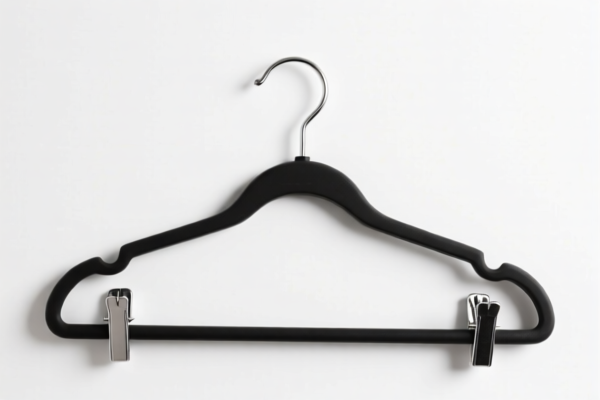
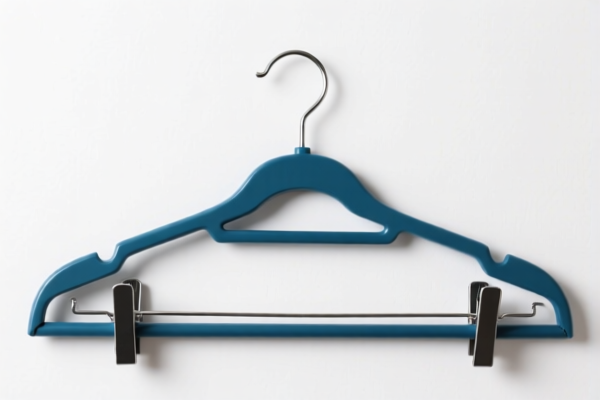
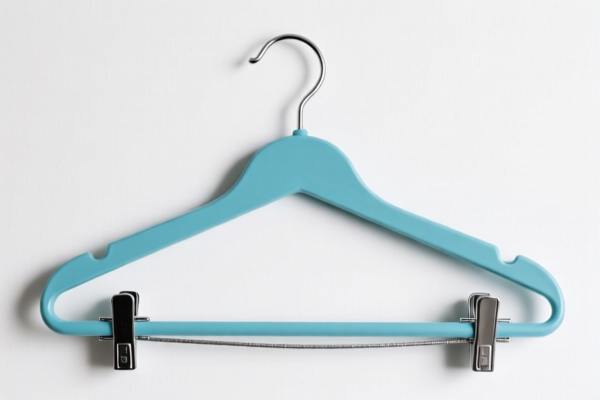
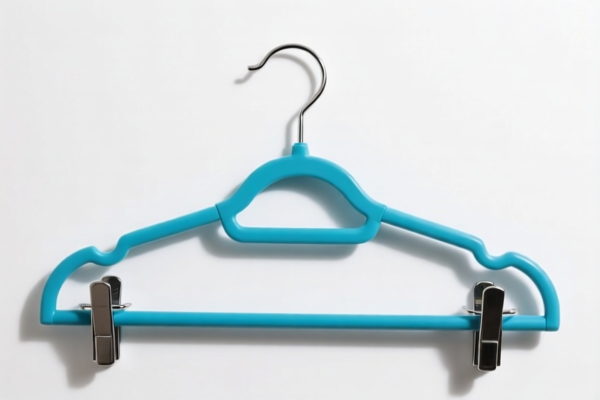
AI Analysis
🧥 4-Section Clothes Hanger (Multi-Tier Garment Racks)
🌐 HS Code Reference & Customs Clearance Guide | 2026 Latest Tariff Analysis | Professional Clearance Strategy
📌 I. Product Definition and Classification: Do You Really Understand "4-Section Clothes Hanger"?
A "4-section clothes hanger" typically refers to a multi-tiered hanging device designed to maximize closet space. In international trade, its classification depends entirely on the material composition and structural nature. The term "hanger" itself does not dictate a single HS Code; instead, it branches into wood, plastic, or metal categories.
⚠️ Key Distinction:
- If the product is made of Wood → It falls under Chapter 44 (Wood and articles of wood).
- If the product is made of Plastic → It falls under Chapter 39 (Plastics and articles thereof).
- Note: The provided data implies a binary choice between Wood and Plastic for this specific item.
📦 II. HS Code Classification Details (Based on Provided Data)
| HS Code | Product Description | Material Inference | Applicable Scenario |
|---|---|---|---|
4421.10.00.00 |
Wooden Hangers (Clothes Hangers) | Wood / Composite Wood | Standard wooden hangers, likely with hooks and bars. |
4421.99.98.80 |
Other Wooden Articles | Wood / Composite Wood | Wooden hangers not specifically classified as "clothes hangers" or complex wooden accessories. |
3926.30.50.00 |
Other Articles of Plastics | Plastic | Plastic multi-tier hangers, clips, or plastic-based hanging accessories. |
🔍 Key Insight from Data:
- The system infers Wood for the first two codes (4421.xxxx) and Plastic for the third (3926.xxxx).
- There is no HS Code provided for Metal (e.g., Chapter 73) in this specific dataset, so we focus strictly on the Wood vs. Plastic distinction provided in the<DATA>.
💰 III. 2026 Latest Tariff Rate Breakdown (Including Additional Duties & Policies)
✅ Applicable Country: United States (US)
✅ Origin: China (CN) (Inferred from "122 Clause" and typical trade context)
✅ Effective Date: Current active rates as per the provided data
🎯 1. 4421.10.00.00 —— Wooden Clothes Hangers (Preferred Option)
| Item | Content |
|---|---|
| Base Tariff | 3.2% (ad valorem) |
| Additional Tariff (Section 301) | 0.0% |
| Section 122 Tariff | 10.0% |
| Total Effective Rate | 13.2% |
| Tax Calculation | CIF Value × 13.2% |
| De Minimis Eligibility | ⚠️ Check Specifically: Generally, Section 122 may restrict de minimis benefits depending on current enforcement. |
| Legal Basis Path | USITC:4421.10.00.00 → Section 122: 10% |
📌 Explanation:
- This is the most favorable rate in the provided dataset.
- No Section 301 (25%) tariff is applied here, which significantly reduces the burden compared to many other goods.
- The 10% Section 122 tariff applies to specific Chinese imports, likely covering general consumer goods.
- Recommendation: If your hanger is definitively wooden and falls under "clothes hangers," this is the optimal classification.
🎯 2. 4421.99.98.80 —— Other Wooden Articles (Higher Tariff Risk)
| Item | Content |
|---|---|
| Base Tariff | 3.3% (ad valorem) |
| Additional Tariff (Section 301) | 25.0% |
| Section 122 Tariff | 10.0% |
| Total Effective Rate | 38.3% |
| Tax Calculation | CIF Value × 38.3% |
| De Minimis Eligibility | ❌ Likely Denied: High rates often trigger stricter scrutiny. |
| Legal Basis Path | USITC:4421.99.98.80 → Section 301: 25% → Section 122: 10% |
📌 Explanation:
- This classification carries a massive 25% Section 301 tariff.
- This rate is significantly higher than4421.10.00.00.
- Why? Customs may classify a "4-section" or complex wooden rack as an "other wooden article" rather than a simple "hanger" if it has a stand or shelf component, triggering the higher trade remedy duty.
🎯 3. 3926.30.50.00 —— Plastic Articles of Clothing/Fabric Hangers (Mid-Range)
| Item | Content |
|---|---|
| Base Tariff | 5.3% (ad valorem) |
| Additional Tariff (Section 301) | 7.5% |
| Section 122 Tariff | 10.0% |
| Total Effective Rate | 22.8% |
| Tax Calculation | CIF Value × 22.8% |
| De Minimis Eligibility | ⚠️ Check Specifically: Subject to Section 122 enforcement. |
| Legal Basis Path | USITC:3926.30.50.00 → Section 301: 7.5% → Section 122: 10% |
📌 Explanation:
- If the product is plastic, this is the relevant code.
- The 7.5% Section 301 tariff is lower than the 25% for some wood products but higher than the 0% for specific wooden hangers.
- Why 7.5%? Plastic articles sometimes have different trade remedy lists. Ensure the product is indeed >50% plastic by weight to justify this code.
🛠️ IV. Customs Clearance Practical Advice (Real-World Pitfall Avoidance)
✅ 1. Preparation Checklist (Non-Negotiable)
| Document | Required | Notes |
|---|---|---|
| ✅ Product Photos | ✔️ | Clear shots of the hanger, hook, and bars. Must show material texture (wood grain vs. smooth plastic). |
| ✅ Material Declaration | ✔️ | Explicitly state: "100% Wood" or "100% Plastic." If composite, specify percentages. |
| ✅ Structure Diagram | ✔️ | Show if it has a shelf, clips, or just bars. This affects whether it's 4421.10 (simple hanger) or 4421.99 (other article). |
| ✅ Commercial Invoice | ✔️ | Use precise description: "Wooden Clothes Hanger, 4-Tier" or "Plastic Multi-Clip Hanger." |
| ✅ HS Code Pre-Ruling | ✔️ | Strongly Recommended due to the high rate disparity (13.2% vs. 38.3%). |
✅ 2. Declaration Strategy (Critical Tips)
🔥 Golden Rule: "Accurate Material, Precise Description, Avoid Over-Classification!"
| Scenario | Correct HS Code | Incorrect Code | Consequence |
|---|---|---|---|
| Wooden Hanger, simple design | 4421.10.00.00 (13.2%) |
4421.99.98.80 |
Overpaying ~25% extra tax! |
| Wooden Hanger, with shelf/stand | 4421.99.98.80 (38.3%) |
4421.10.00.00 |
Under-declaration risk, penalties, and back-taxes. |
| Plastic Hanger | 3926.30.50.00 (22.8%) |
4421.10.00.00 |
Misclassification of material, potential fraud charges. |
📌 Warning:
- Do not assume all "hangers" are4421.10. If your "4-section" hanger has a shoe rack bar or a shelf, customs may classify it as "Other Wooden Articles" (4421.99) due to its more complex nature. - Ensure the hook material is declared. If the hook is metal but the body is wood, it may still be classified under Chapter 44 if wood is the essential character, but document this clearly.
✅ 3. Special Considerations for Section 122 & 301
- Section 122 (10%): This applies to all three scenarios in the data. It is a specific levy on Chinese goods. Ensure your Country of Origin is marked as "China" on the invoice and bill of lading to avoid surprises.
- Section 301 (25% vs 7.5% vs 0%): This is the variable factor.
- Wooden Simple Hangers: 0% (Best case)
- Plastic Hangers: 7.5%
- Wooden Complex Articles: 25% (Worst case)
🌍 V. Market Comparison & Strategic Advice (2026)
| Feature | Wooden Hanger (4421.10) |
Plastic Hanger (3926.30) |
Wooden Article (4421.99) |
|---|---|---|---|
| Total Tax Rate | 13.2% | 22.8% | 38.3% |
| Section 301 | 0% | 7.5% | 25% |
| Commodity Focus | Basic closet organization | Plastic clips/holders | Complex storage solutions |
| Customs Scrutiny | Low | Medium | High |
📌 Strategic Conclusion:
- If your product is wooden, strive to classify it under4421.10.00.00to save 25% in tariffs.
- To do this, ensure the design is simple (no shelves, no shoe racks, just bars).
- If the product is plastic, expect a 22.8% rate. This is stable but higher than simple wooden hangers.
📌 VI. Common Mistakes & Pitfalls (Blood Lessons)
❌ Mistake 1: Declaring a wooden shoe-hanging rack as a clothes hanger (4421.10)
👉 Consequence: Customs detects the shelf/shoe bars → Re-classifies to 4421.99 → Back-taxes of 25% + Penalties.
❌ Mistake 2: Not specifying material in the description
👉 Consequence: Customs assumes the highest duty rate (38.3%) for wood or questions the plastic rate → Delays and storage fees.
❌ Mistake 3: Ignoring Section 122
👉 Consequence: Even if Section 301 is 0%, the 10% Section 122 still applies. Do not plan your margin without including this 10%.
✅ Correct Practice:
"Clothes Hanger, Wooden, 4-Tier, No Shelf, Hook Included. Model: WH-4T. Origin: China."
🎯 VII. Conclusion: Precision Saves Money!
🎯 Remember This Mantra:
🔹 "Wood Simple is 13%, Wood Complex is 38%, Plastic is 22%!"
🔹 "Don't let a shelf cost you 25% extra!"
🔹 "Section 122 is always 10% for China – Budget for it!"
📌 Pro Tip:
If you are unsure whether your "4-section" hanger qualifies as a simple "clothes hanger" or a complex "other article," request a binding ruling from US Customs (CBP) before shipment. The cost of a ruling is far less than the potential 25% tariff difference.
📣 Immediate Action:
📞 Contact your customs broker with clear photos.
🚀 Confirm the material (Wood vs. Plastic).
📝 Ensure the description matches4421.10.00.00if it's a simple wooden hanger.
✨ Professional Clearance Starts with Accurate Classification!
💼 Every percentage point of tax affects your final profit margin!
Customer Reviews
About HS Code Classification
The Harmonized System (HS) is an internationally standardized nomenclature developed by the World Customs Organization (WCO) to classify traded products. Over 200 countries use the HS system as the basis for customs tariffs, trade statistics, and import/export regulations.
Each HS code follows a hierarchical structure:
- Chapter (2 digits) — Broad category of goods (e.g., Chapter 84: Machinery and Mechanical Appliances)
- Heading (4 digits) — More specific grouping within the chapter
- Subheading (6 digits) — Internationally standardized breakdown, used by all WCO member countries
- National subdivisions (8-10 digits) — Country-specific extensions for further classification, such as US HTSUS 10-digit codes
Correct HS code classification is essential for smooth customs clearance, accurate duty payment, and compliance with trade regulations. Misclassification can lead to customs delays, overpayment of duties, or penalties.
When importing from CN to US, the applicable tariff rates may include:
- Most-Favored-Nation (MFN) rate — The standard duty rate applied to WTO members
- General rate — Applied to countries without trade agreements
- Trade remedy duties — Additional tariffs such as Section 301 (anti-dumping), Section 232 (national security), or countervailing duties
The information provided on this page is for reference purposes only. For official classification, please consult with your local customs authority or a licensed customs broker.