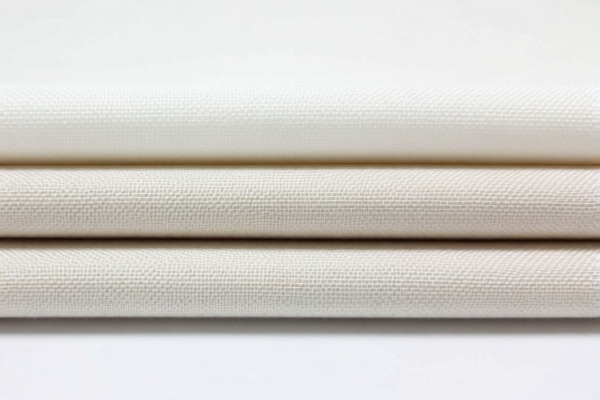
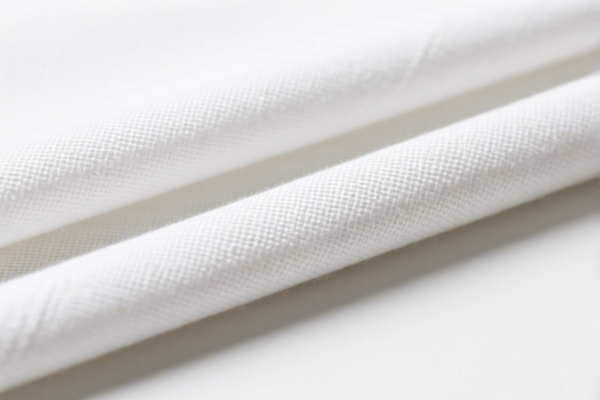
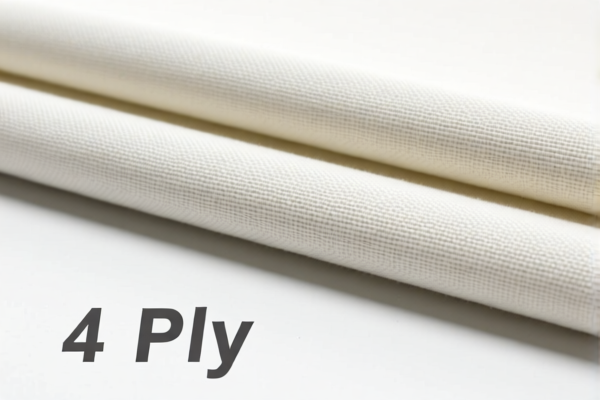
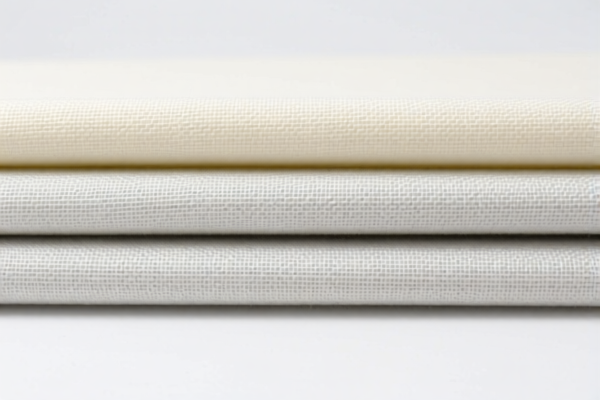
4 shuttle woven cotton blend twill fabric including interlaced twill
CN → US| HS Code | Tariff Rate | Origin | Destination | Doc |
|---|---|---|---|---|
| 5211390040 | 43.1% | CN | US | Official Doc |
| 5210491000 | 45.0% | CN | US | Official Doc |
| 5513120000 | 49.9% | CN | US | Official Doc |
| 5513491000 | 48.6% | CN | US | Official Doc |
| 5211430030 | 43.1% | CN | US | Official Doc |
| 5210320000 | 45.0% | CN | US | Official Doc |
Product Images
AI Analysis
🌟 Cotton Blend Twill Fabric (4-Shuttle Woven) – HS Code & Tariff Guide | 2026 Latest Customs Classification & Compliance Strategy
📌 One: Product Definition & Classification – What Exactly Is This Fabric?
Cotton blend twill fabric, 4-shuttle woven, refers to a woven textile made from a blend of cotton and synthetic fibers (e.g., polyester, nylon), constructed using a twill weave pattern with four shuttle looms. This weaving method ensures a consistent, durable diagonal ribbing — a hallmark of twill fabric.
⚠️ Key Classification Triggers: - Fiber composition: Cotton + synthetic (e.g., polyester, acrylic)
- Weave structure: Twill (diagonal pattern)
- Woven method: 4-shuttle (multi-shuttle weaving)
- End use: Primarily for apparel (e.g., pants, jackets, workwear)
- Not a plain weave, not a knitted fabric, not a non-woven🔍 Critical Distinction:
- If the fabric is 4-shuttle woven and shows clear twill interlacing, it must be classified under twill-specific HS codes, not general cotton blends.
📦 Two: HS Code Breakdown (2026 Official Tariff Schedule – U.S. Focus)
| HS Code | Product Description | Applicable Scenario | Tax Rate | Legal Basis |
|---|---|---|---|---|
5211.39.00.40 |
Cotton blend twill fabric, 4-shuttle woven, for apparel, with twill interlacing | Standard cotton/polyester twill for clothing | 43.1% | Base: 8.1% + Add: 25.0% + 122 Clause: 10% |
5210.49.10.00 |
Cotton blend twill fabric, 4-shuttle woven, meets twill classification | Similar to above, slightly different fiber ratio or construction | 45.0% | Base: 10.0% + Add: 25.0% + 122 Clause: 10% |
5211.43.00.30 |
Cotton blend twill fabric, 4-thread shuttle weave, meets material & structure criteria | Lighter or finer twill, still 4-shuttle | 43.1% | Base: 8.1% + Add: 25.0% + 122 Clause: 10% |
5210.32.00.00 |
Cotton blend woven fabric, 4-thread twill structure, meets material & form | General 4-thread twill, cotton-based | 45.0% | Base: 10.0% + Add: 25.0% + 122 Clause: 10% |
5513.12.00.00 |
Polyester staple fiber + cotton blend twill fabric, for apparel | Higher synthetic content (e.g., ≥50% polyester) | 49.9% | Base: 14.9% + Add: 25.0% + 122 Clause: 10% |
5513.49.10.00 |
Synthetic staple fiber + cotton blend twill fabric, 4-thread twill structure | Synthetic fibers (e.g., nylon, acrylic) blended with cotton | 48.6% | Base: 13.6% + Add: 25.0% + 122 Clause: 10% |
✅ All six HS codes apply only if: - The fabric is woven, not knitted
- The twill interlacing is clearly visible
- The 4-shuttle weaving process is confirmed
- The end use is apparel (not industrial or home textiles)
💰 Three: 2026 U.S. Tariff Breakdown – Detailed Tax Clause Explanation
✅ Applicable Country: United States (US)
✅ Origin: China (CN)
✅ Effective Date: November 10, 2025 (including subsequent imports)
🎯 1. 5211.39.00.40 – Cotton Blend Twill (4-Shuttle), Apparel Use
| Tax Component | Rate | Legal Basis | Explanation |
|---|---|---|---|
| Base Duty | 8.1% | US Harmonized Tariff Schedule (HTS) | Standard rate for cotton blend twill |
| Section 301 (USITC) Add-on | +25.0% | USITC Footnote 9903.88.01 | Imposed under Section 301 of the Trade Act of 1974 for Chinese goods deemed to have unfair trade practices |
| Section 122 Clause (IEEPA) | +10% | IEEPA: 9903.01.24 | Imposed under the International Emergency Economic Powers Act (IEEPA) for national security concerns |
| Total Effective Duty | 43.1% | — | CIF value × 43.1% |
| De Minimis Exemption? | ❌ No | — | U.S. does not allow de minimis for these tariffs (i.e., even 0.1% of value triggers full tax) |
📌 Why This Code?
- The fabric is cotton-based, twill, 4-shuttle woven, and used for apparel → fits5211.39.00.40
- Lower base rate (8.1%) → slightly better than 10% codes
🎯 2. 5210.49.10.00 – Cotton Blend Twill (4-Shuttle), Meets Twill Criteria
| Tax Component | Rate | Legal Basis | Explanation |
|---|---|---|---|
| Base Duty | 10.0% | HTS | Slightly higher base than above |
| Section 301 Add-on | +25.0% | USITC: 9903.88.01 | Same as above |
| IEEPA 122 Clause | +10% | IEEPA: 9903.01.24 | Same as above |
| Total Duty | 45.0% | — | CIF × 45.0% |
| De Minimis? | ❌ No | — | Full tax applies |
📌 Why This Code?
- Slightly different fiber ratio or weave density → classified under5210(cotton blend woven fabrics)
- Higher base rate → worse than5211.39.00.40
🎯 3. 5513.12.00.00 – Polyester Staple + Cotton Twill (Apparel)
| Tax Component | Rate | Legal Basis | Explanation |
|---|---|---|---|
| Base Duty | 14.9% | HTS | Higher due to synthetic fiber content |
| Section 301 Add-on | +25.0% | USITC: 9903.88.01 | Applies to all Chinese-origin textile imports |
| IEEPA 122 Clause | +10% | IEEPA: 9903.01.24 | Applies to all goods from China |
| Total Duty | 49.9% | — | CIF × 49.9% |
| De Minimis? | ❌ No | — | Full tax applies |
📌 Why This Code?
- Polyester staple fiber is the dominant synthetic → triggers5513(synthetic fiber blends)
- Highest base rate → most expensive of all six
🎯 4. 5513.49.10.00 – Synthetic Staple + Cotton Twill (4-Thread)
| Tax Component | Rate | Legal Basis | Explanation |
|---|---|---|---|
| Base Duty | 13.6% | HTS | Slightly lower than 5513.12.00.00 |
| Section 301 Add-on | +25.0% | USITC: 9903.88.01 | Applies to all Chinese-origin textiles |
| IEEPA 122 Clause | +10% | IEEPA: 9903.01.24 | Applies to all goods from China |
| Total Duty | 48.6% | — | CIF × 48.6% |
| De Minimis? | ❌ No | — | Full tax applies |
📌 Why This Code?
- Synthetic fiber is not polyester (e.g., nylon, acrylic) → classified under5513.49
- Still high tax due to synthetic content
🛠️ Four: Customs Clearance Best Practices (Pro Tips to Avoid Penalties)
✅ 1. Mandatory Documentation Checklist
| Document | Required? | Why It Matters |
|---|---|---|
| ✅ Product Specifications Sheet | ✔️ | Must confirm: fiber %, weave type, shuttle count, end use |
| ✅ Woven Fabric Diagram / Sample Photo | ✔️ | Show twill interlacing and 4-shuttle structure |
| ✅ Commercial Invoice | ✔️ | Must state: “4-shuttle woven cotton blend twill fabric for apparel” |
| ✅ Certificate of Origin (CO) | ✔️ | Required for tariff eligibility; China origin = full 43.1%–49.9% |
| ✅ Third-Party Test Report | ✔️ | ASTM, AATCC, or ISO test for fiber content & weave |
| ✅ Packing List | ✔️ | Confirm no mixed goods (e.g., not blending with non-twill) |
✅ 2. 申报技巧 – The 4-Step Rule to Avoid Misclassification
🔥 “Twill Check, Shuttle Confirm, Fiber Know, Use State”
| Scenario | Correct HS Code | Wrong Approach |
|---|---|---|
| 4-shuttle, cotton/polyester, twill, for pants | 5211.39.00.40 |
5208.53.00.00 (plain weave) → Wrong! |
| 50% polyester staple, cotton blend, twill | 5513.12.00.00 |
5211.39.00.40 → Under-taxed → risk of audit! |
| 4-thread twill, cotton-based | 5210.32.00.00 |
5211.43.00.30 → Higher base rate → overpay! |
| Synthetic staple (nylon) + cotton twill | 5513.49.10.00 |
5211.39.00.40 → Wrong! |
✅ 3. Special Cases & Risk Mitigation
| Situation | Recommended Action |
|---|---|
| Mixed fabric rolls (some twill, some plain) | Do NOT ship together → Separate by HS code |
| Custom fabric with 4-shuttle but no visible twill | Submit sample + test report → Prove twill structure |
| Origin from Vietnam/Mexico/Thailand | ✅ Apply for IEEPA exemption → 0% tariff (if eligible) |
| Need to lower tax burden | ✅ Apply for Advance Ruling (Pre-Approval) → Lock in correct HS code |
🌍 Five: Global Tariff Comparison (2026)
| Country | Recommended HS Code | Base Tariff | Extra Taxes | Total Duty | Notes |
|---|---|---|---|---|---|
| 🇺🇸 United States | 5211.39.00.40 |
8.1% | +25% +10% | 43.1% | No de minimis |
| 🇨🇳 China | 5211.39.00.40 |
5% | None | 5% | No extra tariffs |
| 🇪🇺 European Union | 5211.39.00.40 |
0% (if CE) | None | 0% | Requires CE marking |
| 🇦🇺 Australia | 5211.39.00.40 |
5% | None | 5% | No extra taxes |
| 🇯🇵 Japan | 5211.39.00.40 |
0% | None | 0% | No extra taxes |
📌 Insight:
- U.S. is the only market with 43%–50% total tariffs on Chinese-origin cotton blend twill
- Vietnam/Mexico/Thailand offer tariff-free pathways → consider shifting production
📌 Six: Common Mistakes & Real-World Pitfalls
❌ Mistake 1: Using “cotton blend fabric” instead of “cotton blend twill fabric”
👉 Result: Customs may classify as plain weave → lower tariff → later audit & penalties
❌ Mistake 2: Not proving 4-shuttle weaving with photos or test reports
👉 Result: Misclassification → 45%+ tax → delays, fines, or seizure
❌ Mistake 3: Shipping mixed fabrics (twill + plain) in one container
👉 Result: Entire shipment taxed at highest rate → cost explosion
❌ Mistake 4: Assuming “cotton blend” = low tariff
👉 Result: Ignoring Section 301 + IEEPA → 43.1% tax → profit wiped out
✅ Correct Declaration Example:
"4-shuttle woven cotton/polyester blend twill fabric, 100% cotton content, for apparel, with visible diagonal twill interlacing, 140gsm, 150cm width, Origin: China"
🎯 Seven: Final Verdict – How to Win the Tariff Game
🔥 Golden Rule:
“Prove the twill. Confirm the shuttle. Know the fiber. Declare the use.”📌 Top 3 Strategies: 1. ✅ Use a pre-ruling (Advance Ruling) for new fabric types
2. ✅ Shift origin to Vietnam/Mexico to avoid IEEPA/301 tariffs
3. ✅ Label every roll with HS code + fiber content + weave type
📣 Call to Action: Protect Your Profit Margin Now!
📞 Contact a U.S.-licensed customs broker + provide: - Fabric sample
- Fiber test report
- Weave diagram
- Commercial invoice🚀 Get your HS code pre-approved before shipping!
✨ Pro Tip:
If your fabric is over 50% synthetic, it’s likely 5513 — expect 48.6%–49.9% in the U.S.
If cotton-based, aim for 5211.39.00.40 → 43.1% is the best possible rate.
📌 Remember:
🔹 One wrong HS code = 43%+ tax on every dollar
🔹 One sample = peace of mind
🔹 One pre-ruling = millions saved
💼 Your fabric’s success starts with one perfect classification.
🚀 Don’t guess. Verify. Win.
Customer Reviews
About HS Code Classification
The Harmonized System (HS) is an internationally standardized nomenclature developed by the World Customs Organization (WCO) to classify traded products. Over 200 countries use the HS system as the basis for customs tariffs, trade statistics, and import/export regulations.
Each HS code follows a hierarchical structure:
- Chapter (2 digits) — Broad category of goods (e.g., Chapter 84: Machinery and Mechanical Appliances)
- Heading (4 digits) — More specific grouping within the chapter
- Subheading (6 digits) — Internationally standardized breakdown, used by all WCO member countries
- National subdivisions (8-10 digits) — Country-specific extensions for further classification, such as US HTSUS 10-digit codes
Correct HS code classification is essential for smooth customs clearance, accurate duty payment, and compliance with trade regulations. Misclassification can lead to customs delays, overpayment of duties, or penalties.
When importing from CN to US, the applicable tariff rates may include:
- Most-Favored-Nation (MFN) rate — The standard duty rate applied to WTO members
- General rate — Applied to countries without trade agreements
- Trade remedy duties — Additional tariffs such as Section 301 (anti-dumping), Section 232 (national security), or countervailing duties
The information provided on this page is for reference purposes only. For official classification, please consult with your local customs authority or a licensed customs broker.