4 thread Twisted Dyed Cotton Blend Fabric
CN → US| HS Code | Tariff Rate | Origin | Destination | Doc |
|---|---|---|---|---|
| 5911900080 | 38.8% | CN | US | Official Doc |
| 5211320020 | 43.1% | CN | US | Official Doc |
| 5210320000 | 45.0% | CN | US | Official Doc |
| 5911203000 | 35.0% | CN | US | Official Doc |
| 5211320040 | 43.1% | CN | US | Official Doc |
Product Images
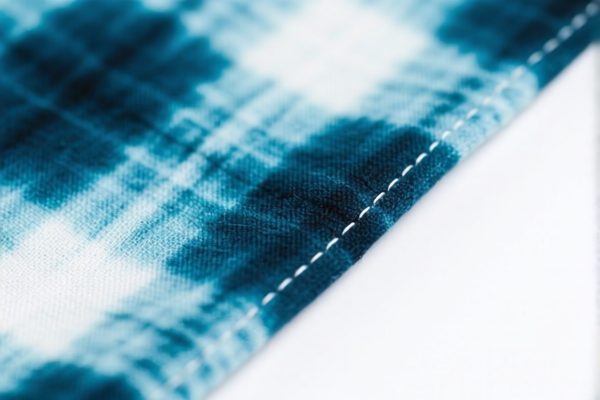
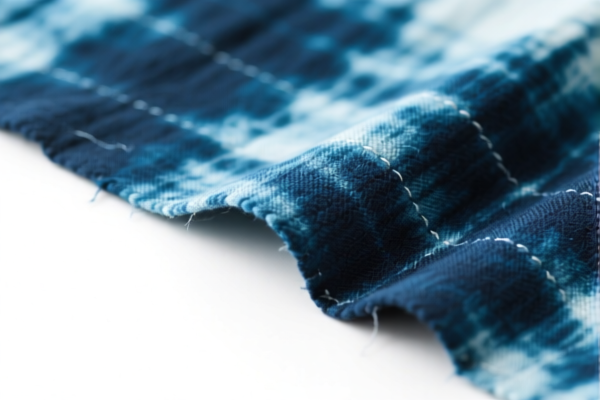
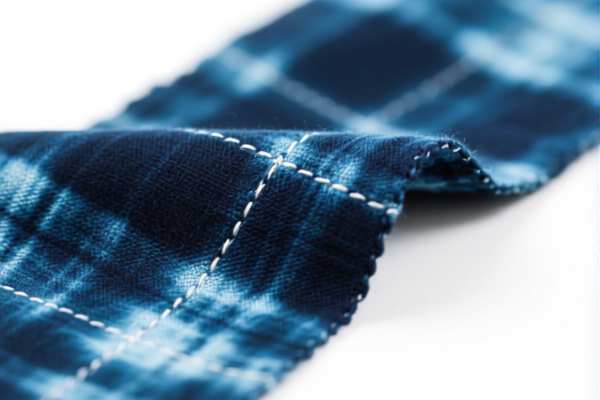
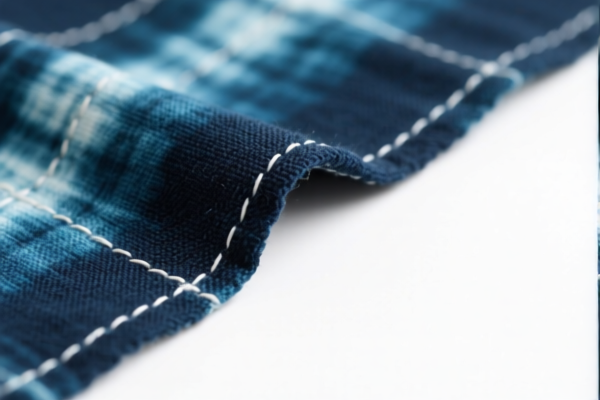
AI Analysis
🧵 4-Thread Twisted Dyed Cotton Blend Fabric
🌐 HS Code Classification & Customs Clearance Guide | 2026 Latest Tariff Breakdown | Pro-Level Import Strategy
📌 One Product, Four Key HS Codes — Know the Difference to Avoid 45%+ Tariffs!
📦 一、Product Definition & Classification: What Is “4-Thread Twisted Dyed Cotton Blend Fabric”?
This fabric is a dyed cotton blend woven textile with a distinctive 4-thread twist structure in the weft or warp, indicating a specific textile construction that meets technical or industrial classification criteria.
⚠️ Critical Distinction: - "4-thread twisted" refers to a specific weave or yarn structure, not just a general blend. - This feature is key to classification under 5211.32.00.20 and 5211.32.00.40 — not just any cotton blend. - Must be dyed, not undyed, and not for apparel (else it would fall under different HS codes).
📊 二、HS Code Classification Breakdown (2026 Official Tariff List)
| HS Code | Product Description | Tax Rate | Key Classification Criteria |
|---|---|---|---|
5211.32.00.20 |
Dyed cotton blend fabric, 4-thread twisted structure, not for apparel, used in industrial or technical applications | 43.1% | ✅ 4-thread twist ✅ Dyed ✅ Cotton blend ✅ Not for clothing |
5211.32.00.40 |
Dyed cotton blend fabric, 4-thread twisted, meets technical textile requirements, for industrial use | 43.1% | ✅ Same as above ✅ Complies with technical textile standards |
5210.32.00.00 |
Dyed cotton blend machine-woven fabric, specific structure and composition, not for apparel | 45.0% | ✅ Dyed ✅ Cotton blend ✅ Machine-woven ✅ Not apparel |
5911.90.00.80 |
Cotton blend technical textile, industrial use, not for clothing, meets technical specifications | 38.8% | ✅ Technical use ✅ Industrial-grade ✅ Not apparel |
5911.20.30.00 |
Cotton blend technical textile, for industrial screens, filters, or sieves | 35.0% | ✅ Industrial sieve/strainer use ✅ Not apparel ✅ Technical application |
🔍 Why So Many HS Codes?
The 4-thread twist and intended use (industrial vs. general) determine the correct HS Code.
Misclassification → Tax overpayment or penalties.
💰 三、2026 Tariff Breakdown: The 3-Tier Tax System Explained
✅ Applicable Country: United States (US)
✅ Origin: China (CN)
✅ Effective Date: November 10, 2025 (and ongoing)
🎯 1. 5211.32.00.20 & 5211.32.00.40 — 4-Thread Dyed Cotton Blend Fabric
| Tax Component | Rate | Legal Basis | Explanation |
|---|---|---|---|
| Base Duty | 8.1% | US Tariff Schedule (HTSUS) | Standard tariff for dyed cotton blends |
| Section 301 (USITC) Tariff | +25.0% | USITC Footnote 9903.88.01 | Applies to China-origin goods under Section 301 |
| IEEPA Tariff (122条款) | +10.0% | IEEPA:9903.01.24 | Emergency economic powers act — targeted at China |
| Total Effective Rate | 43.1% | — | CIF × 43.1% |
📌 Why 43.1%?
- 8.1% base + 25% Section 301 + 10% IEEPA = 43.1% - No de minimis exemption — even small shipments face full tax.
🎯 2. 5210.32.00.00 — Dyed Cotton Blend Machine-Woven Fabric
| Tax Component | Rate | Legal Basis | Explanation |
|---|---|---|---|
| Base Duty | 10.0% | HTSUS | Slightly higher base due to "machine-woven" classification |
| Section 301 (USITC) | +25.0% | Footnote 9903.88.01 | Applies to China-origin |
| IEEPA Tariff (122条款) | +10.0% | IEEPA:9903.01.24 | Applies to China |
| Total Effective Rate | 45.0% | — | CIF × 45.0% |
📌 Why Higher?
- Higher base duty (10% vs 8.1%) due to specific construction. - No reduction — 45% is final.
🎯 3. 5911.90.00.80 — Cotton Blend Technical Textile (Industrial Use)
| Tax Component | Rate | Legal Basis | Explanation |
|---|---|---|---|
| Base Duty | 3.8% | HTSUS | Lower base for technical textiles |
| Section 301 (USITC) | +25.0% | Footnote 9903.88.01 | Applies |
| IEEPA Tariff (122条款) | +10.0% | IEEPA:9903.01.24 | Applies |
| Total Effective Rate | 38.8% | — | CIF × 38.8% |
📌 Key Advantage:
- Lower base duty (3.8%) → lower total. - Only valid if fabric is truly technical (e.g., for filters, industrial belts, screens).
🎯 4. 5911.20.30.00 — Industrial Sieve/Filter Fabric
| Tax Component | Rate | Legal Basis | Explanation |
|---|---|---|---|
| Base Duty | 0.0% | HTSUS | Zero base duty for industrial screening |
| Section 301 (USITC) | +25.0% | Footnote 9903.88.01 | Applies |
| IEEPA Tariff (122条款) | +10.0% | IEEPA:9903.01.24 | Applies |
| Total Effective Rate | 35.0% | — | CIF × 35.0% |
📌 Best Option?
- 35% is the lowest among all options. - Only if fabric is used for industrial sieves, filters, or screens. - Must prove intended use in documentation.
🛠️ 四、Customs Clearance Best Practices (Pro Tips)
✅ 1. Essential Documentation (MUST Provide)
| Document | Required? | Why It Matters |
|---|---|---|
| ✅ Product Specification Sheet | ✔️ | Must confirm 4-thread twist, dyeing process, composition |
| ✅ Fabric Structure Diagram | ✔️ | Prove weave pattern, twist count, technical specs |
| ✅ Product Photos (with label) | ✔️ | Show texture, color, intended use |
| ✅ Test Report (e.g., ASTM, ISO) | ✔️ | Prove technical use (e.g., filter strength, durability) |
| ✅ Commercial Invoice | ✔️ | Must state "Dyed Cotton Blend Fabric, 4-Thread Twisted, for Industrial Use" |
| ✅ Certificate of Origin (CO) | ✔️ | Required for tariff claims; China origin = 43.1%–45% |
| ✅ Packing List | ✔️ | Show quantity, weight, batch numbers |
✅ 2.申报技巧 (Declaration Tips)
🔥 “Use the Right HS Code, or Pay 45% — Not 35%!”
| Scenario | Correct HS Code | Wrong Code | Risk |
|---|---|---|---|
| Fabric used in industrial filters/sieves | 5911.20.30.00 |
5211.32.00.20 |
Pay 35% instead of 43.1% |
| Fabric used in technical applications (e.g., conveyor belts) | 5911.90.00.80 |
5210.32.00.00 |
Save 6.2% |
| Fabric not for industrial use (e.g., packaging) | 5211.32.00.20 |
5911.20.30.00 |
Risk of penalties |
| Fabric not 4-thread twisted | Not eligible for 5211.32 | 5211.32.00.20 |
Misclassification |
✅ 3. Special Cases & Solutions
| Situation | Solution |
|---|---|
| Fabric used in multiple applications | Declare primary use; provide evidence (e.g., customer order) |
| Export from Vietnam/Mexico | Can apply for IEEPA exemption → 0% additional tax |
| Need to avoid 45% tax | Use 5911.20.30.00 if used in sieves/filters |
| Uncertain classification | Apply for Advance Ruling (Pre-Ruling) from U.S. CBP |
🌍 五、Global Customs Comparison (2026)
| Country | Recommended HS Code | Base Duty | Additional Taxes | Total Tariff |
|---|---|---|---|---|
| 🇺🇸 USA | 5911.20.30.00 |
0.0% | +25% +10% | 35.0% |
| 🇨🇳 China | 5211.32.00.20 |
5% | None | 5% |
| 🇪🇺 EU | 5211.32.00.20 |
0% | None | 0% |
| 🇦🇺 Australia | 5211.32.00.20 |
5% | None | 5% |
| 🇯🇵 Japan | 5211.32.00.20 |
0% | None | 0% |
📌 Insight:
- USA has the highest tariffs due to Section 301 + IEEPA. - China-origin goods face 35%–45% in the U.S. - Non-China origin (e.g., Vietnam, Mexico) may qualify for IEEPA exemption.
🚨 Six Common Mistakes (Avoid These or Risk Penalties!)
❌ Mistake 1: Using 5211.32.00.20 for industrial sieve fabric
👉 Result: Pay 43.1% instead of 35.0% → 8.1% overpayment
❌ Mistake 2: Declaring "cotton blend fabric" without mentioning 4-thread twist
👉 Result: Customs may classify as general fabric → higher tax
❌ Mistake 3: Not proving industrial use for 5911.20.30.00
👉 Result: Denial of lower tariff → penalties + delays
❌ Mistake 4: Using "dyed cotton fabric" on invoice — no technical details
👉 Result: Customs may reclassify → higher duty
✅ Correct Invoice Language:
“Dyed Cotton Blend Fabric, 4-Thread Twisted, for Industrial Sieves, 100% Cotton, 120 GSM, ASTM Test Certified”
🎯 Final Verdict: The 35% Solution Is Real — But Only If You Prove It!
🔥 Key Rule:
- If used in industrial sieves/filters → use5911.20.30.00→ 35% total
- If used in general industrial applications →5911.90.00.80→ 38.8%
- If not industrial →5211.32.00.20→ 43.1%
📌 Pro Tips for Exporters & Importers
📌 "4-Thread Twist" is NOT just a feature — it’s a tariff weapon.
📌 Prove industrial use → save 10%+ in taxes.
📌 Apply for Advance Ruling if unsure.
📌 Use Vietnam/Mexico origin to avoid IEEPA.
📣 Take Action Now!
📞 Contact a U.S. Customs Broker + Submit product specs + photos + use case
🚀 Get HS Code pre-ruling — avoid 45% surprise!
✨ Smart Classification = Lower Tariffs = Higher Profit!
💼 Your product’s HS Code is not just a number — it’s your bottom line.
Customer Reviews
About HS Code Classification
The Harmonized System (HS) is an internationally standardized nomenclature developed by the World Customs Organization (WCO) to classify traded products. Over 200 countries use the HS system as the basis for customs tariffs, trade statistics, and import/export regulations.
Each HS code follows a hierarchical structure:
- Chapter (2 digits) — Broad category of goods (e.g., Chapter 84: Machinery and Mechanical Appliances)
- Heading (4 digits) — More specific grouping within the chapter
- Subheading (6 digits) — Internationally standardized breakdown, used by all WCO member countries
- National subdivisions (8-10 digits) — Country-specific extensions for further classification, such as US HTSUS 10-digit codes
Correct HS code classification is essential for smooth customs clearance, accurate duty payment, and compliance with trade regulations. Misclassification can lead to customs delays, overpayment of duties, or penalties.
When importing from CN to US, the applicable tariff rates may include:
- Most-Favored-Nation (MFN) rate — The standard duty rate applied to WTO members
- General rate — Applied to countries without trade agreements
- Trade remedy duties — Additional tariffs such as Section 301 (anti-dumping), Section 232 (national security), or countervailing duties
The information provided on this page is for reference purposes only. For official classification, please consult with your local customs authority or a licensed customs broker.