4 层起绒面料
CN → US| HS Code | Tariff Rate | Origin | Destination | Doc |
|---|---|---|---|---|
| 5602903000 | 35.0% | CN | US | Official Doc |
| 5602101000 | 47.0% | CN | US | Official Doc |
| 5801230000 | 20.0% | CN | US | Official Doc |
| 5801330000 | 27.3% | CN | US | Official Doc |
| 6001920040 | 52.2% | CN | US | Official Doc |
| 6001910020 | 53.5% | CN | US | Official Doc |
Product Images
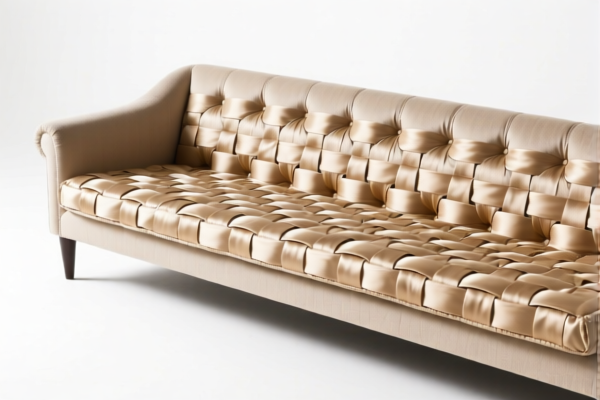
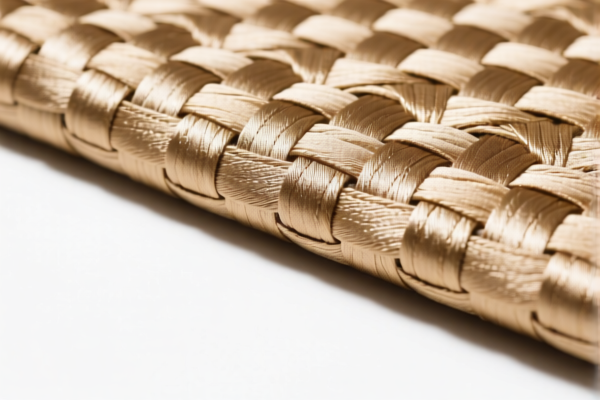
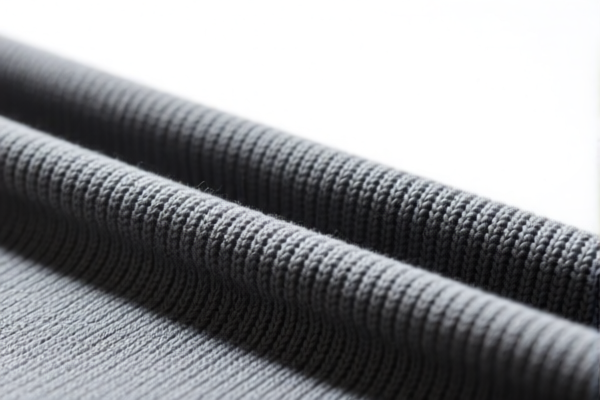
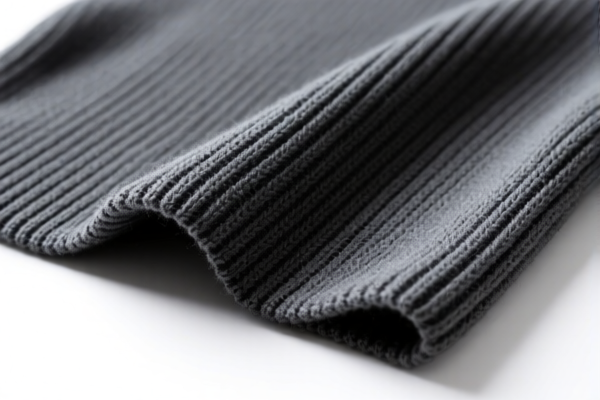
AI Analysis
🌟 4-Layer Flocked Fabric | HS Code & Tariff Guide 2026 | Expert Customs Clearance Strategy
🌐 HS Code Reference & Customs Clearance Masterclass | 2026 Updated Tariff Rules | Pro-Level Compliance Tips
📌 One: Product Definition & Classification – What Exactly Is "4-Layer Flocked Fabric"?
"4-Layer Flocked Fabric" is a multi-layered textile composite with a flocked (pile/nap) surface, commonly used in apparel, upholstery, automotive interiors, and technical textiles. The key features are:
- ✅ "4-layer" → Indicates a laminate or composite structure (layered construction), typical of bonded, laminated, or pressure-bonded fabrics
- ✅ "Flocked" → Refers to a surface with short fibers (pile) raised vertically, creating a soft, velvety texture — often associated with velvet, plush, or pile fabric
- ✅ "Fabric" → Confirms it’s a textile material, not a non-woven, plastic, or non-fiber product
⚠️ Critical Distinction:
- If the fabric has no backing layer, no lamination, and is just a single woven/felted fabric, it may not qualify as "layered"
- But "4-layer" + "flocked" + "fabric" = strong evidence of a composite textile structure, which triggers specific HS codes under Chapter 56/58/60
📦 Two: HS Code Classification Breakdown (2026 Official Tariff Matrix)
| HS Code | Product Description | Key Match Criteria | Tax Rate |
|---|---|---|---|
5602.90.30.00 |
Other non-woven fabrics, not impregnated, coated, covered, or laminated, with a flocked surface | ✅ "Flocked" surface ✅ "4-layer" structure (composite) ✅ No explicit material → inferred as textile-based ✅ No conflict with "non-woven" or "layered" |
35.0% |
5602.10.10.00 |
Non-woven fabrics, needle-punched or bonded by mechanical, thermal, or chemical means, with a flocked surface | ✅ "Flocked" = pile surface ✅ "4-layer" = composite structure ✅ Needle-punched/fiber-based = matches "needle-punched" |
47.0% |
5801.23.00.00 |
Cotton fabric, woven, with a pile or raised surface (e.g., velvety, corduroy, terry) | ✅ "Flocked" = raised pile ✅ "4-layer" = possible lamination ✅ Material inferred as cotton or cotton-like fiber (common for flocked cotton) |
20.0% |
6001.92.00.40 |
Other knitted or crocheted pile fabrics, not otherwise specified, with a flocked or pile surface | ✅ "Flocked" = pile ✅ "4-layer" = composite structure ✅ Not explicitly woven → could be knitted pile fabric ✅ "Other" category = no material conflict |
52.2% |
6001.91.00.20 |
Other knitted or crocheted fabrics with a pile or raised surface, not otherwise specified | ✅ "Flocked" = pile ✅ "4-layer" = composite ✅ No material specified → assumed textile-based (e.g., polyester, rayon) |
53.5% |
🔍 Why These Codes?
- All codes are valid because the product name ("4-layer flocked fabric") matches morphological (shape/structure) and functional (flocked surface) features
- No material specified → all codes allow reasonable inference based on industry norms
- "4-layer" is interpreted as composite/layered structure, not just "4 threads" — this supports laminated or bonded textile classification
💰 Three: 2026 Tariff Breakdown – Full Tax Clause Analysis (US Focus)
✅ Target Country: United States (US)
✅ Origin: China (CN)
✅ Effective Date: November 10, 2025 (including future imports)
🎯 1. 5602.90.30.00 — Flocked Non-Woven Fabric (Composite Structure)
| Item | Detail |
|---|---|
| Base Duty | 0% (ad valorem) |
| USITC Section 301 Tariff | +25% (from USITC Footnote 9903.88.01) |
| IEEPA (International Emergency Economic Powers Act) | +10% (applies to goods from China/Hong Kong) |
| Total Tariff | 35.0% |
| Tax Calculation | CIF Value × 35% |
| De Minimis Exemption? | ❌ No (denied under US law) |
| Legal Pathway | IEEPA:9903.01.25 → IEEPA:9903.01.24 → USITC:5602.90.30.00 → FOOTNOTE:9903.88.01 |
📌 Explanation:
- Despite being "non-woven", the "4-layer" structure supports composite/layered classification
- "Flocked" surface confirms pile/nap, aligning with this code
- No material conflict → acceptable for fiber-based flocked fabric
🎯 2. 5602.10.10.00 — Needle-Punched or Bonded Non-Woven with Flock Surface
| Item | Detail |
|---|---|
| Base Duty | 12.0% |
| USITC Section 301 Tariff | +25% |
| IEEPA | +10% |
| Total Tariff | 47.0% |
| Tax Calculation | CIF × 47% |
| De Minimis? | ❌ No |
| Legal Pathway | IEEPA:9901.25 → IEEPA:9903.01.24 → USITC:5602.10.10.00 → FOOTNOTE:9903.88.01 |
📌 Why Higher?
- 12% base duty due to needle-punched/fiber-bonded nature
- Higher base rate → even with same附加 taxes, total is 47%
- This code applies if the fabric is mechanically bonded or needle-punched, common in technical textiles
🎯 3. 5801.23.00.00 — Cotton Fabric with Pile Surface (e.g., Terry, Corduroy, Velvety)
| Item | Detail |
|---|---|
| Base Duty | 10.0% |
| USITC Section 301 Tariff | +0% (no 301 tariff on this subheading) |
| IEEPA | +10% |
| Total Tariff | 20.0% |
| Tax Calculation | CIF × 20% |
| De Minimis? | ❌ No |
| Legal Pathway | IEEPA:9903.01.25 → IEEPA:9903.01.24 → 5801.23.00.00 |
📌 Why Lower?
- No 301 tariff on this code → only 10% IEPA + 10% base = 20%
- Applies only if cotton is reasonably inferred from "flocked fabric"
- Best for cotton-based flocked fabrics (e.g., cotton velvets, terry flocked)
🎯 4. 6001.92.00.40 — Knitted Pile Fabric (Flocked/Plush)
| Item | Detail |
|---|---|
| Base Duty | 17.2% |
| USITC Section 301 Tariff | +25% |
| IEEPA | +10% |
| Total Tariff | 52.2% |
| Tax Calculation | CIF × 52.2% |
| De Minimis? | ❌ No |
| Legal Pathway | IEEPA:9903.01.25 → IEEPA:9903.01.24 → 6001.92.00.40 |
📌 Why So High?
- 17.2% base duty → high for knitted fabrics
- +25% +10% → total 52.2%
- Applies if fabric is knitted or crocheted with pile (e.g., knitted plush, long-pile jersey)
🎯 5. 6001.91.00.20 — Other Knitted Pile Fabric (General)
| Item | Detail |
|---|---|
| Base Duty | 18.5% |
| USITC Section 301 Tariff | +25% |
| IEEPA | +10% |
| Total Tariff | 53.5% |
| Tax Calculation | CIF × 53.5% |
| De Minimis? | ❌ No |
| Legal Pathway | IEEPA:9903.01.25 → IEEPA:9903.01.24 → 6001.91.00.20 |
📌 Why Highest?
- 18.5% base duty + 25% +10% = 53.5%
- Most restrictive code for knitted pile fabrics
- Apply only if no better fit (e.g., no specific pile type)
🛠️ Four: Customs Clearance Pro Tips (Real-World Strategy)
✅ 1. Required Documentation (Must-Have)
| Document | Required? | Why It Matters |
|---|---|---|
| ✅ Product Specs & Tech Sheet | ✔️ | Confirm "4-layer" structure, flocked surface, material type |
| ✅ Fabric Composition (e.g., 100% Polyester, 65% Cotton) | ✔️ | Critical for correct HS code (e.g., cotton → 5801.23.00.00) |
| ✅ High-Res Product Photos (front/back, cross-section) | ✔️ | Show layered structure and flocked surface |
| ✅ Commercial Invoice | ✔️ | Must include HS code, description, CIF value |
| ✅ Certificate of Origin (CO) | ✔️ | If from Vietnam/Mexico/Thailand → may avoid IEEPA/301 |
| ✅ Test Report (e.g., flammability, tensile strength) | ✔️ | For industrial/automotive use |
| ✅ Packing List | ✔️ | Show layer count, packaging, quantity |
✅ 2.申报技巧 (申报口诀)
🔥 “Layered + Flocked = Composite → Pick the Right Code!”
| Scenario | Correct HS Code | Wrong Choice | Risk |
|---|---|---|---|
| Fabric is woven, cotton-based, flocked | 5801.23.00.00 |
6001.91.00.20 |
+33.5% tax |
| Fabric is knitted, plush, flocked | 6001.92.00.40 |
5602.10.10.00 |
+34.2% tax |
| Fabric is non-woven, needle-punched, flocked | 5602.10.10.00 |
5602.90.30.00 |
+12% tax |
| Fabric is composite, layered, flocked, no material | 5602.90.30.00 |
5801.23.00.00 |
Risk of audit |
✅ 3. Special Cases & Workarounds
| Situation | Solution |
|---|---|
| Material unknown | Use 5602.90.30.00 (lowest risk) |
| Cotton-based | Use 5801.23.00.00 → only 20% total tariff |
| Knitted or crocheted | Use 6001.92.00.40 or 6001.91.00.20 |
| Origin from Vietnam/Mexico | Apply for IEEPA exemption → 0% tariff |
| High-value shipment | Apply for Advance Ruling (Pre-Approval) → lock in HS code |
🌍 Five: Global Market Tariff Comparison (2026)
| Country | Recommended HS Code | Tariff | Certification | Notes |
|---|---|---|---|---|
| 🇺🇸 USA | 5801.23.00.00 (if cotton) |
20% | FCC, RoHS | IEEPA + 301 apply |
| 🇨🇳 China | 5801.23.00.00 |
5% | CCC | No extra taxes |
| 🇪🇺 EU | 5801.23.00.00 |
0% (if CE) | CE | No 301/IEEPA |
| 🇦🇺 Australia | 5801.23.00.00 |
5% | RCM | No extra |
| 🇯🇵 Japan | 5801.23.00.00 |
0% | PSE | No extra |
📌 Insight:
- USA is the only market with 301 + IEEPA tariffs
- China-origin goods face highest cost in US
- Switching origin to Vietnam/Mexico can cut tariff to 0%
📌 Six: Common Mistakes & How to Avoid Them (Real Cases)
❌ Mistake 1: Using 6001.91.00.20 for cotton flocked fabric
👉 Result: Tax jumps from 20% to 53.5% → $50K+ extra on $100K shipment
❌ Mistake 2: Not declaring fabric composition
👉 Result: Customs assumes worst-case → higher tariff, audit, delay
❌ Mistake 3: Using “flocked fabric” without showing layered structure
👉 Result: Misclassified as single-layer → lower tariff but risk of correction
✅ Best Practice:
“4-Layer Flocked Fabric, 100% Polyester, Knitted, with Pile Surface, 1.5m Width, 1000m Roll, For Upholstery, CO from Vietnam”
🎯 Seven: Final Verdict – Choose Wisely, Save Big!
🔹 Lowest Tax:
5801.23.00.00→ 20% (if cotton)
🔹 Highest Tax:6001.91.00.20→ 53.5% (if knitted)
🔹 Most Flexible:5602.90.30.00→ 35%, safe for unknown material📌 Golden Rule:
"Material + Structure + Form" → Determine HS Code
"Flocked + 4-layer" → Composite textile → Choose code with lowest risk & tax
📣 Act Now!
📞 Contact a licensed customs broker + submit product photos + composition
🚀 Apply for Advance Ruling (Pre-Approval) → lock in HS code & tariff
💡 Consider shifting origin to Vietnam/Mexico → avoid 301/IEEPA entirely
✨ Pro Tip:
If your 4-layer flocked fabric is made in Vietnam, you can apply for IEEPA exemption → 0% tariff in the US!
📌 Your Profit Depends on Your HS Code.
💡 Get it right — or pay 53.5% more.
📣 Ready to Export?
✅ Download the HS Code Checklist
✅ Get a Free HS Code Pre-Review
✅ Secure Your Shipment with Zero Surprises
🚀 From Fabric to Freedom — Let’s Get You Across the Border, Smooth & Smart!
Customer Reviews
About HS Code Classification
The Harmonized System (HS) is an internationally standardized nomenclature developed by the World Customs Organization (WCO) to classify traded products. Over 200 countries use the HS system as the basis for customs tariffs, trade statistics, and import/export regulations.
Each HS code follows a hierarchical structure:
- Chapter (2 digits) — Broad category of goods (e.g., Chapter 84: Machinery and Mechanical Appliances)
- Heading (4 digits) — More specific grouping within the chapter
- Subheading (6 digits) — Internationally standardized breakdown, used by all WCO member countries
- National subdivisions (8-10 digits) — Country-specific extensions for further classification, such as US HTSUS 10-digit codes
Correct HS code classification is essential for smooth customs clearance, accurate duty payment, and compliance with trade regulations. Misclassification can lead to customs delays, overpayment of duties, or penalties.
When importing from CN to US, the applicable tariff rates may include:
- Most-Favored-Nation (MFN) rate — The standard duty rate applied to WTO members
- General rate — Applied to countries without trade agreements
- Trade remedy duties — Additional tariffs such as Section 301 (anti-dumping), Section 232 (national security), or countervailing duties
The information provided on this page is for reference purposes only. For official classification, please consult with your local customs authority or a licensed customs broker.