40oz Insulated Tumbler
CN → US| HS Code | Tariff Rate | Origin | Destination | Doc |
|---|---|---|---|---|
| 7323999030 | 88.4% | CN | US | Official Doc |
| 7323930080 | 62.0% | CN | US | Official Doc |
| 6912004400 | 20.0% | CN | US | Official Doc |
| 6911104500 | 24.0% | CN | US | Official Doc |
| 6911108010 | 38.3% | CN | US | Official Doc |
| 6912004810 | 19.8% | CN | US | Official Doc |
Product Images

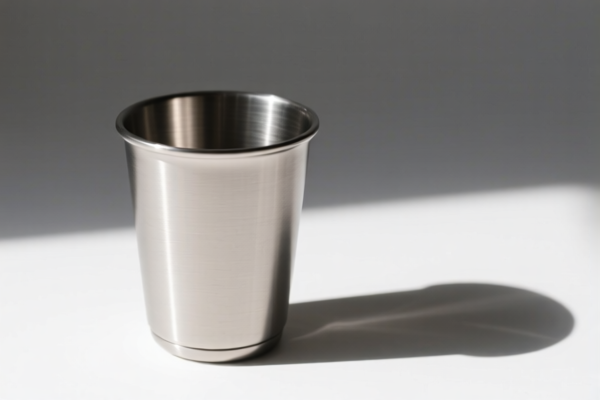


AI Analysis
🥤 40oz Insulated Tumbler (Travel Mug)
🌐 HS Code Reference & Clearance Guide | 2026 Latest Tariff Analysis | Professional Customs Strategy
📌 I. Product Definition & Classification: Do You Really Understand "Insulated Tumblers"?
The 40oz Insulated Tumbler is a high-volume, double-walled drinking vessel designed for keeping beverages hot or cold. In international trade, classification depends heavily on material composition (Stainless Steel, Plastic, or Ceramic-like appearance) and specific use.
⚠️ Critical Distinction:
- If made of Stainless Steel → Generally falls under Chapter 73 (Iron/Steel Articles).
- If made of Plastic → Generally falls under Chapter 39 (Plastics) or Chapter 69 (if ceramic-like appearance).
- If made of Glass/Ceramic-like material (even if metal) → May fall under Chapter 69 (Tableware).
📦 II. HS Code Classification Details (Based on Provided Data)
| HS Code | Product Description & Rationale | Total Tax Rate | Tax Breakdown |
|---|---|---|---|
7323.99.90.30 |
Inferred Material: Metal (Stainless Steel) or Plastic. Category: Kitchen/Tableware. Use: Travel Mug/Thermos. |
88.4% | Base: 3.4% Additional: 25.0% Section 122 (Steel/Aluminum): 50% |
7323.93.00.80 |
Inferred Material: Stainless Steel. Category: Other Stainless Steel Articles. Use: Travel Mug/Tableware. |
62.0% | Base: 2.0% Additional: 0.0% Section 122: 50% |
6912.00.44.00 |
Inferred Material: Stainless Steel (Non-Ceramic). Category: Other Wine Glasses/Tumblers. Use: Large Capacity Travel Mug. |
20.0% | Base: 10.0% Additional: 0.0% Section 122: 10% |
6911.10.45.00 |
Inferred Material: Metal/Stainless Steel. Category: Tableware & Kitchen Utensils. Note: No material conflict with "Ceramic" heading appearance. |
24.0% | Base: 14.0% Additional: 0.0% Section 122: 10% |
6911.10.80.10 |
Inferred Material: Metal or Plastic. Category: Tableware & Kitchen Utensils. Use: Food Contact Safe Travel Mug. |
38.3% | Base: 20.8% Additional: 7.5% Section 122: 10% |
6912.00.48.10 |
Inferred Material: Stainless Steel or Plastic (Non-Ceramic). Category: Tableware & Kitchen Utensils. Use: Vacuum Insulated Tumbler. |
19.8% | Base: 9.8% Additional: 0.0% Section 122: 10% |
🔍 Key Insight:
- The highest tax (88.4%) applies if classified under7323.99.90.30due to the combination of Base + 301 Tariff + Section 122 (Steel/Aluminum).
- The lowest tax (19.8%) applies if classified under6912.00.48.10(Stainless Steel/Plastic as Tableware), which only incurs a 10% Section 122 tariff.
- Section 122 (10% or 50%) is a critical variable. It applies to Steel, Aluminum, and Copper products. If your tumbler is stainless steel, this tax likely applies unless a specific exemption exists.
💰 III. Detailed Tariff Analysis (2026 Latest Rates)
✅ Applicable Market: United States (US)
✅ Origin: China (CN) (Assumed based on Section 122/301 context)
✅ Effective Date: Current regulations apply.
🎯 1. High-Tax Scenarios: 7323.99.90.30 (88.4%)
Rationale: Classified as "Other tableware/kitchen articles" of iron/steel, but triggers the 50% Section 122 tariff on steel products.
- Base Tariff: 3.4%
- Section 301 Tariff: 25.0%
- Section 122 Tariff: 50.0%
- Total: 88.4%
- ⚠️ Warning: This is the most expensive classification. Avoid unless the product is clearly not a "tumbler" under Chapter 69 but a general steel utility item.
🎯 2. Mid-Tax Scenario: 7323.93.00.80 (62.0%)
Rationale: Classified as "Other stainless steel articles" (not tableware specifically).
- Base Tariff: 2.0%
- Section 301 Tariff: 0.0% (Note: Some stainless steel items may be exempt from 301, but Section 122 still applies)
- Section 122 Tariff: 50.0%
- Total: 62.0%
- 💡 Strategy: If the product is purely functional and not marketed as "tableware," this might be an option, but 50% Section 122 is still high.
🎯 3. Low-Tax Scenarios: 6912.00.44.00 (20.0%) & 6912.00.48.10 (19.8%)
Rationale: Classified under Chapter 69 (Ceramic/Tableware-like appearance) even if made of steel/plastic. This chapter often has lower Section 122 impact (10%) compared to Chapter 73 (50%).
- Base Tariff: ~10%
- Section 301 Tariff: 0.0%
- Section 122 Tariff: 10.0%
- Total: ~20%
- ✅ Recommendation: This is the optimal classification for cost efficiency, provided the product can be reasonably described as "Tableware" or "Wine Glass/Tumbler" under Chapter 69.
🎯 4. Other Scenarios: 6911.10.45.00 (24.0%) & 6911.10.80.10 (38.3%)
6911.10.45.00: Tableware of ceramic-like appearance. Base 14% + Section 122 (10%) = 24%.6911.10.80.10: Other tableware. Base 20.8% + Additional 7.5% + Section 122 (10%) = 38.3%.
🛠️ IV. Clearance Practical Advice (Avoid Pitfalls)
✅ 1. Documentation Checklist (Essential)
| Document | Required? | Notes |
|---|---|---|
| Product Specifications | ✔️ | Must specify material (Stainless Steel 304/316 vs. Plastic). |
| Product Photos | ✔️ | Show the "Tableware" appearance (glossy, ceramic-like finish) if aiming for Chapter 69. |
| Commercial Invoice | ✔️ | Description should match HS Code rationale (e.g., "Stainless Steel Tumbler, Tableware Use"). |
| Material Test Report | ✔️ | To prove it’s stainless steel (if claiming Chapter 73) or plastic/ceramic-like (if Chapter 69). |
| Food Contact Certification | ✔️ | FDA compliance for US import. |
✅ 2. Classification Strategy (Key Mantra)
🔥 “Look like Tableware? Claim Chapter 69. Low Tax, High Speed!”
| Scenario | Recommended HS Code | Estimated Tax | Why? |
|---|---|---|---|
| Glossy, Ceramic-like Finish | 6912.00.48.10 |
19.8% | Classified as Tableware; Section 122 is only 10%. |
| Clear Plastic Body | 6912.00.44.00 |
20.0% | "Other wine glasses/tumblers"; 10% Section 122. |
| Matte Stainless Steel (Generic) | 7323.93.00.80 |
62.0% | High Section 122 (50%) for steel articles. |
| Generic Steel Utility Item | 7323.99.90.30 |
88.4% | Avoid! Highest tax burden. |
✅ 3. Special Considerations
| Situation | Advice |
|---|---|
| Material Mismatch | If you declare "Plastic" but it’s steel, you risk fraud penalties. Be honest, but choose the most favorable honest classification. |
| Section 122 Exemptions | Check if your specific steel alloy or product form is exempt from the 50% Section 122 tariff. Most tumblers are not exempt. |
| Chapter 69 Loophole | If the tumbler has a ceramic coating or glazed appearance, argue for Chapter 69. This reduces Section 122 from 50% to 10%. |
| OEM/Private Label | Ensure the invoice states the manufacturer’s name and country of origin clearly. |
🌍 V. Global Market Comparison (2026)
| Country | Recommended HS Code | Tariff Rate | Notes |
|---|---|---|---|
| 🇺🇸 USA | 6912.00.48.10 |
19.8% | Best for US due to low Section 122. |
| 🇪🇺 EU | 7323.93.00 |
~4-6% | No Section 122/301 equivalents. Standard MFN. |
| 🇨🇳 China | 7323.93.00 |
~10-15% | Import duty varies; VAT applies. |
| 🇬🇧 UK | 7323.93.00 |
~4-6% | Post-Brexit tariffs similar to EU. |
📌 Conclusion:
- USA is the most complex market due to Section 301 and Section 122 tariffs.
- Strategic Classification into Chapter 69 (Tableware) can save up to 68% in taxes compared to Chapter 73 (Steel Articles).
📌 VI. Common Errors & Pitfalls (Blood Lessons)
❌ Error 1: Declaring a stainless steel tumbler as "Plastic" to avoid Section 122.
👉 Consequence: Seizure, fines, and fraud charges.
✅ Fix: If it’s stainless steel, use 6912.00.48.10 (Tableware classification) to mitigate tax, not mislabel material.
❌ Error 2: Using 7323.99.90.30 for a standard tumbler.
👉 Consequence: 88.4% tax burden.
✅ Fix: Argue for "Tableware" classification under Chapter 69 if the design permits.
❌ Error 3: Ignoring Section 122 (50% for Steel).
👉 Consequence: Unexpected high duty at US Customs.
✅ Fix: Ensure your HS Code explanation addresses Section 122 applicability.
🎯 VII. Conclusion: Smart Classification Saves Money
🎯 Remember the Mantra:
🔹 "Tableware Appearance? Go Chapter 69. 10% Section 122 is the Goal!"
🔹 "Steel Article? Expect 50% Section 122. High Tax Ahead!"
📌 Pro Tip:
If your tumbler has a ceramic coating, matte finish, or colorful glaze, explicitly mention this in the product description. It supports a Chapter 69 classification, reducing your tax from 88.4% to ~20%.
📣 Immediate Action:
📞 Consult your customs broker to review the product finish and material before shipment.
🚀 Save thousands in tariffs by choosing the right HS Code!
✨ Professional Clearance, Precise Classification Starts Here!
💼 Every Dollar Saved is a Dollar Earned!
Customer Reviews
About HS Code Classification
The Harmonized System (HS) is an internationally standardized nomenclature developed by the World Customs Organization (WCO) to classify traded products. Over 200 countries use the HS system as the basis for customs tariffs, trade statistics, and import/export regulations.
Each HS code follows a hierarchical structure:
- Chapter (2 digits) — Broad category of goods (e.g., Chapter 84: Machinery and Mechanical Appliances)
- Heading (4 digits) — More specific grouping within the chapter
- Subheading (6 digits) — Internationally standardized breakdown, used by all WCO member countries
- National subdivisions (8-10 digits) — Country-specific extensions for further classification, such as US HTSUS 10-digit codes
Correct HS code classification is essential for smooth customs clearance, accurate duty payment, and compliance with trade regulations. Misclassification can lead to customs delays, overpayment of duties, or penalties.
When importing from CN to US, the applicable tariff rates may include:
- Most-Favored-Nation (MFN) rate — The standard duty rate applied to WTO members
- General rate — Applied to countries without trade agreements
- Trade remedy duties — Additional tariffs such as Section 301 (anti-dumping), Section 232 (national security), or countervailing duties
The information provided on this page is for reference purposes only. For official classification, please consult with your local customs authority or a licensed customs broker.