4107127040
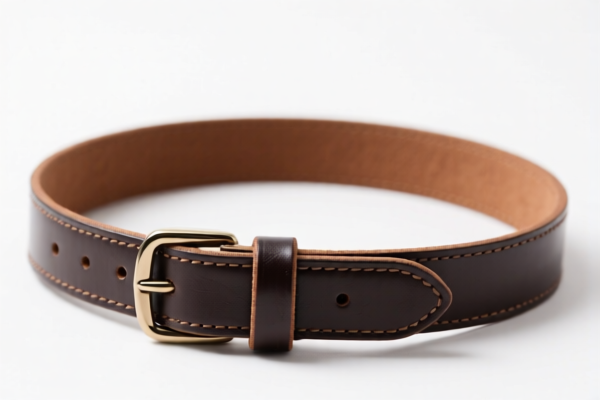
CN → USProduct Images

AI Analysis
Product Description
The commodity classified under HS Code 4107.12.70.40 refers to tanned or further dressed leather (excluding that of Section 4114) made from cattle (including buffalo) or equine hides, specifically intended for the manufacture of gloves and clothing.
This product belongs to the following hierarchical classification structure:
- Section II: Animal products
- Chapter 41: Raw hides and skins and leather
- Heading 4107: Cattle (including buffalo) or equine hides and skins, full-grain or split, tanned or further dressed
- Subheading 4107.12: Of cattle (including buffalo), split, not crusted or further processed beyond tanning
- Further breakdown: Full leather and pelts → Full-grain split leather → Other → Other → Non-patterned → For gloves and apparel
Key characteristics of this product include:
- Material Origin: Cattle (including buffalo) or horse hides.
- Processing Status: Tanned or crust-tanned and subsequently processed (e.g., dyed, finished, or shaved), but not classified under Section 4114 (which covers patent leather or further processed leather with coatings).
- Form: Full-grain or split leather without nap (i.e., non-fur-bearing).
- Specific Use: Exclusively for gloves and apparel (excluding uses such as conveyor belts, bag straps, collars, or other miscellaneous applications).
- Design Feature: Non-patterned (plain) surface texture, distinguishing it from decorative or patterned leathers.
This classification is critical for regulatory purposes, as it differentiates gloves/clothing leather from similar leather products destined for industrial or accessory uses (e.g., belts, straps, or case components), which may fall under other subheadings.
Applicable Tariff Rates
Tariff rates vary significantly depending on the importing country, trade agreements, and year of entry. Below is a representative framework based on common international standards (e.g., US Harmonized Tariff Schedule, EU Tariff Database, and WTO averages). Actual rates must be verified with local customs authorities for specific shipments.
| Country/Region | Base Duty Rate (Most-Favored-Nation) | Free Trade Agreement (FTA) Rate* | Special Provisions |
|---|---|---|---|
| United States | 5.5% (general MFN) | 0% (if under USMCA or other FTAs) | Possible anti-dumping duties (verify for origin) |
| European Union | 5.0% (general EU tariff) | 0% (for eligible partners under EU-FTA) | Potential safeguard measures |
| China | 8.5% (import duty) + 13% VAT | 0% (under RCEP for signatory countries) | VAT applies to total value (duty + CIF) |
| Canada | 5.5% (general MFN) | 0% (under CUSMA) | GST/HST applies post-duty |
Note: FTA rates apply only if the goods meet rules of origin criteria (e.g., regional value content, tariff shift).
Example Calculation: For a US import of USD 10,000 worth of gloves/clothing leather:
- Duty = 5.5% × 10,000 = USD 550 (if no FTA applies).
- If shipped from a USMCA partner (e.g., Mexico) and certified, duty = 0%*.
Duty Breakdown
Duties and taxes are typically calculated on the CIF value (Cost, Insurance, and Freight) of the shipment. Below is a step-by-step breakdown for a hypothetical import scenario:
Scenario: Importing USD 50,000 worth of gloves/clothing leather into the United States from China (no FTA).
- Customs Value (CIF):
- FOB Value: USD 45,000
- Freight: USD 3,000
- Insurance: USD 200
-
Total CIF = USD 48,200
-
Applicable Duty Rate:
-
MFN Rate for HS 4107.12.70.40: 5.5% (per US HTS).
-
Duty Calculation:
-
Duty = 5.5% × 48,200 = USD 2,651
-
Additional Taxes/Fees:
- Merchandise Processing Fee (MPF): 0.3464% of CIF (min $27.23, max $538.40).
- MPF = 0.3464% × 48,200 ≈ USD 167
-
Harmonized System Fee (HMF): 0.125% of CIF (for non-exempt goods).
- HMF = 0.125% × 48,200 ≈ USD 60
-
Total Import Cost:
- CIF + Duty + MPF + HMF = 48,200 + 2,651 + 167 + 60 = USD 51,078
Note: In countries with VAT/GST (e.g., China, EU), additional taxes apply on (CIF + Duty). For example:
- China: 13% VAT on (48,200 + 8,500 duty) ≈ 5,100 CNY (approx.).
Trade Regulations and Compliance Requirements
Importing leather goods classified under HS 4107.12.70.40 involves adherence to multiple regulatory frameworks:
1. Customs Classification Rules
- HS Code Specificity: The 8-digit code (4107.12.70.40) is unique to gloves/clothing leather. Misclassification (e.g., using 4107.12.70.90 for "other uses") may result in penalties (fines, seizure, or back-duties).
- Verification: Customs authorities may require physical inspection to confirm the leather’s intended use (e.g., labeling, product samples, or supplier declarations).
2. Rules of Origin
- FTA Eligibility: To qualify for reduced/zero duties under FTAs (e.g., USMCA, RCEP, EU-UK TCA), goods must meet rules of origin:
- Regional Value Content (RVC): Typically ≥40–50% value added in the partner country.
- Tariff Shift: Raw hides must originate in the FTA region and undergo "substantial transformation" (e.g., tanning, splitting).
- Documentation: A Certificate of Origin (e.g., US Form A, EU EUR.1) must accompany shipments.
3. Environmental and Safety Standards
- Chromium VI Restrictions: Many jurisdictions (EU, US, Canada) ban chrome VI in leather. Compliance requires lab tests (e.g., EU REACH Annex XVII, US ASTM D2655).
- Chemical Residue Limits: Compliance with CPSIA (US), REACH (EU), or China GB/T standards for restricted substances (e.g., dyes, solvents).
- Animal Welfare: Some countries (e.g., EU) prohibit hides from animals slaughtered unethically (e.g., without stunning).
4. Quotas and Licensing
- No Quotas: Most countries impose no quantitative limits on leather gloves/clothing.
- Licensing: Rarely required, but export controls may apply if the leather originates from endangered species (CITES Appendix checks).
5. Anti-Dumping and Countervailing Duties
- Active Cases: The US and EU have imposed anti-dumping duties on leather from certain countries (e.g., China, Vietnam) if prices are deemed unfairly low.
- Action: Verify current duty rates via the US International Trade Commission (ITC) or EU TARIC database.
6. Labeling and Marking Requirements
- Fiber Content: Not applicable (leather is not fiber-based), but country-of-origin labels (e.g., "Made in [Country]") are mandatory.
- Care Instructions: Required in the destination market (e.g., EU Textile Labeling Regulation).
Key Recommendations for Importers
- Confirm HS Code: Ensure the product matches the exact definition (gloves/clothing use only).
- Verify FTA Eligibility: If shipping from FTA partners, obtain proper origin certificates to minimize duties.
- Pre-Ship Testing: Conduct compliance tests for chromium VI, VOCs, and chemical residues before shipment.
- Consult Customs Brokers: Engage licensed brokers to navigate country-specific nuances (e.g., US CBP audits, EU VAT rules).
- Monitor Regulatory Updates: Changes in tariffs (e.g., Section 301 tariffs) or environmental rules may affect costs.
Disclaimer: This information is for general guidance only. Actual tariffs, regulations, and compliance requirements depend on the specific importing country, shipment origin, and current laws. Always consult official customs authorities or legal experts for definitive rulings.