4107997050
CN → USProduct Images
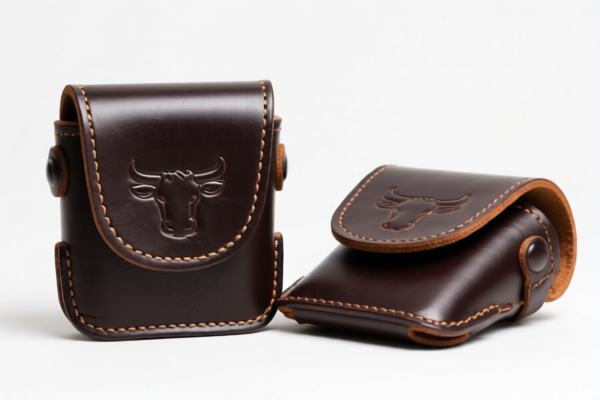
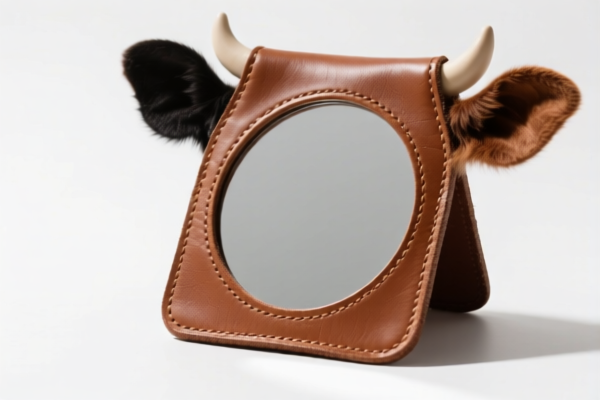
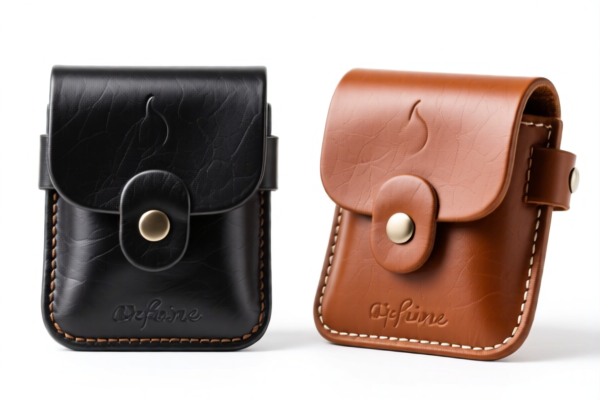
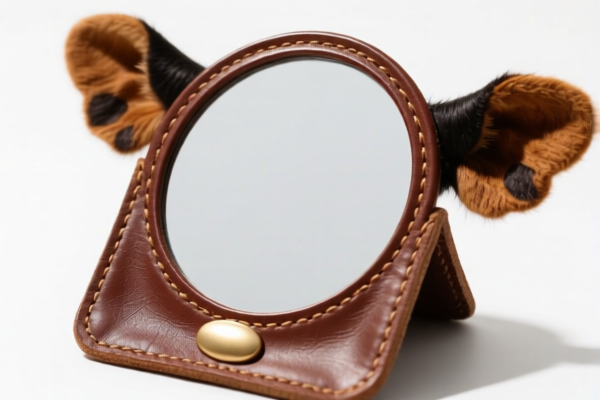
AI Analysis
Product Description
HS Code: 4107.99.70.50
Product Category: Tanned or Crust Tanned Leather, Excluding Sheep and Goat Skin, Further Prepared or Worked for Specific Uses
This tariff classification refers to leather derived from cattle (including buffalo) or equine animals that has undergone the following processing stages: 1. Dressed: The hide has been de-haired and processed. 2. Tanned or Crust Tanned: The material has been chemically stabilized (either through vegetable tanning or chrome tanning) to preserve it from decomposition, but it may not yet be fully finished for retail (depending on the specific definition of "crust"). 3. Exclusions: This code specifically excludes leather goods classified under HS Code 4114 (which generally covers patent leather and other highly finished, lacquered, or artificial leather items). 4. Final Application: Within the scope of "non-luxury" items, this classification is strictly applied to leather used in the manufacture of bags, cases, straps, and collars.
In commercial terms, these are bulk leather panels or semi-finished leather goods destined for manufacturing purposes. They are categorized as non-luxury, meaning they are standard commercial grade leather, not high-end designer or exotic leather goods. The end products are functional items such as luggage, tool bags, leather straps for industrial or fashion use, and dog or livestock collars.
Applicable Tariff Rates & Duty Breakdown
Note: Tariff rates vary significantly by the country of importation and the specific trade agreements in force (e.g., US ITC, EU Common Customs Tariff, China Customs). The following breakdown provides the typical structural analysis based on major trading blocs.
1. Estimated Tariff Structure (General Reference)
| Jurisdiction | Harmonized System (HS) Base Rate | Typical MFN (Most Favored Nation) Rate | Potential Free Trade Agreement (FTA) Rate |
|---|---|---|---|
| United States | 6.0% – 8.5% (Section 41) | ~8.0% | 0% (if origin qualifies under USMCA/FTA) |
| European Union | 5.6% – 7.0% | ~6.5% | 0% (if origin qualifies under bilateral deals) |
| China (Import) | 12.0% – 14.0% (Variable) | 12.0% | 0% (if RCEP or other FTA applicable) |
2. Duty Calculation Example (Hypothetical Scenario)
Assume a shipment of leather bags/straps valued at $10,000 USD entering a market with an MFN duty rate of 8.0%.
- Customs Value (CIF): $10,000
- Duty Rate: 8.0%
- Base Duty Calculation: $10,000 × 0.08 = $800.00
- Excise Tax (If Applicable): None (Leather goods are generally not subject to specific excise taxes, though some jurisdictions may apply VAT/GST).
- Value-Added Tax (VAT) / GST:
- Rate: Typically 10%–20% depending on the country (applied on Customs Value + Duty).
- Calculation: ($10,000 + $800) × 15% = $1,620.00
- Total Entry Cost: $10,000 (Goods) + $800 (Duty) + $1,620 (VAT) = $12,420.00
Important: For "Non-Luxury" classification (HS 4107.99.70.50), customs officers may scrutinize the value per unit to ensure the goods do not inadvertently fall under "Luxury" categories which could attract higher penalties or different duty schedules in certain jurisdictions.
Trade Regulations and Compliance Requirements
Importing goods under HS Code 4107.99.70.50 requires strict adherence to the following international and domestic regulations:
1. Material Origin and Traceability
- Country of Origin Certification: Goods must be accompanied by a Certificate of Origin to determine if they qualify for preferential tariff rates under specific Free Trade Agreements (FTAs).
- Fiber/Legality Verification: While not a textile, if the leather is treated as a "wood or paper" product in specific contexts (rare), origin rules apply. However, for leather, proof of legal sourcing is critical.
2. Environmental and Safety Regulations
- REACH (EU): If importing into the European Union, the leather must comply with REACH regulations, specifically regarding Chromium VI limits. Chrome-tanned leather (referenced in the HS code description) is strictly monitored to ensure the total chromium content and the absence of carcinogenic Chromium VI.
- CITES Compliance: If the leather is derived from buffalo or specific wild equine species, verify that the source does not violate CITES (Convention on International Trade in Endangered Species) protections. Standard domestic cattle and water buffalo are usually exempt, but proof of domestication may be required.
- Wastewater/Chemical Standards: Importers should ensure the tanning process complies with the destination country's environmental laws regarding heavy metal runoff, although this is typically a compliance issue for the exporter.
3. Labeling and Marking
- Substantial Transformation: Under US and EU rules, the leather must be substantially transformed in the country of origin. If the leather is merely cut and assembled into a bag in the importing country, the country of origin remains the tannery's location.
- Marking Requirements:
- USA: "Made in [Country]" labeling is mandatory.
- EU: Clear indication of the country of origin is required on the label.
- Content: Must be clearly labeled as "Leather" (not "Synthetic" or "Genuine Leather" unless it is real leather; mislabeling can lead to seizure).
4. Anti-Dumping and Countervailing Duties
- Targeted Goods: In recent years, certain countries (notably the US and China) have investigated tanning subsidies in specific regions (e.g., China).
- Action: Importers must check the Bureau of Industry and Security (BIS) or local customs database for any active Anti-Dumping Duties (AD) or Countervailing Duties (CVD) on tanned bovine or equine leather. These can add an additional 20%–100% to the standard tariff if applicable.
5. Quarantine and Phytosanitary Measures
- While leather is tanned and de-haired, reducing the risk of disease, some jurisdictions still require a Phytosanitary Certificate or a Veterinary Health Certificate confirming that the hide was processed to remove any risk of BSE (Bovine Spongiform Encephalopathy) or foot-and-mouth disease, particularly if the raw material originated from high-risk zones.
Summary for Logistics Managers
To avoid delays at customs for HS Code 4107.99.70.50: 1. Ensure the "Non-Luxury" status is documented (e.g., provide cost-per-unit analysis). 2. Provide a Chromium VI test report if importing into the EU. 3. Verify the absence of Anti-Dumping duties specific to the country of tanning. 4. Confirm that the "straps, collars, bags" are the intended final use, as re-classification can occur if the item is sold as a finished luxury accessory rather than a semi-finished component.