4202329100 (Customs Code for Other Containers of Plastics)
CN → US| HS Code | Tariff Rate | Origin | Destination | Doc |
|---|---|---|---|---|
| 4202329100 | 52.6% | CN | US | Official Doc |
| 4202322000 | 55.0% | CN | US | Official Doc |
Product Images
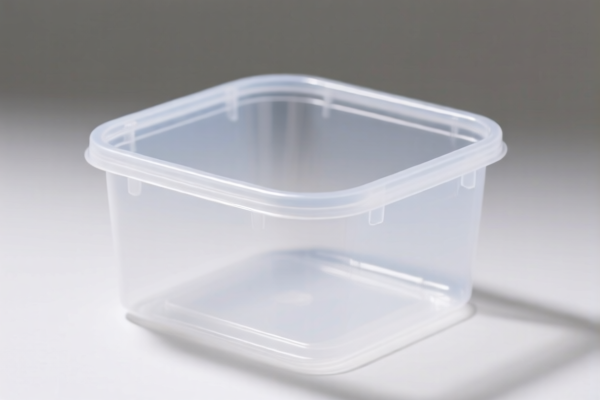
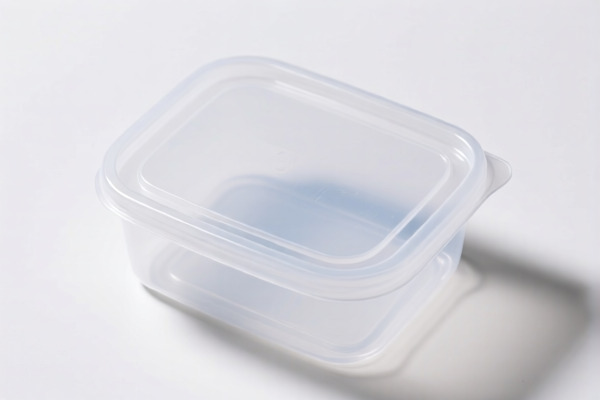
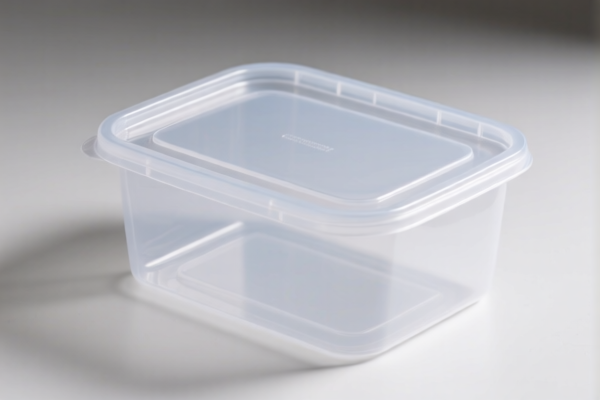
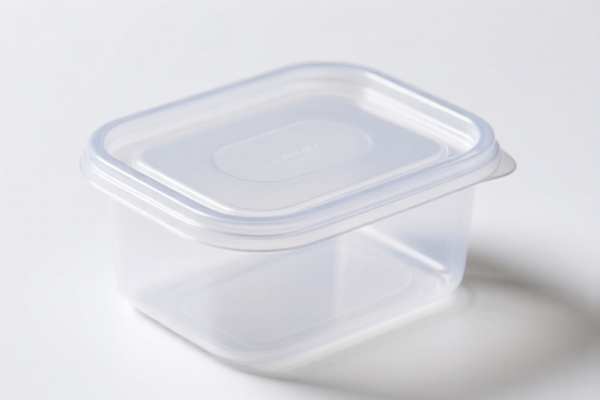
AI Analysis
👜 Traveling Bags & Wallets (Textile/Plastic Outer Surface)
🌐 HS Code Reference & Customs Clearance Guide | 2026 Latest Tariff Analysis | Professional Entry Strategy
📌 I. Product Definition & Classification: Do You Really Understand "Pouches" and "Travel Bags"?
The items in question belong to Chapter 42: Articles of Leather; Travels Goods, Handbags and Similar Containers. Specifically, these are containers not of leather, but made of sheeting of plastics or textile materials.
The user's input 4202.32.91.00 specifically targets:
"Articles of a kind normally carried in the pocket or in the handbag... With outer surface of textile materials: Of cotton."
The 4202.32.20.00 targets:
"Articles of a kind normally carried in the pocket or in the handbag... With outer surface of sheeting of plastics."
⚠️ Key Distinction:
- If the item is a handbag, wallet, or small pouch normally held in hand/pocket → Chapter 42 applies.
- If it is a large suitcase or trunk → Different HS Codes apply.
- Material Matters: Is the outer surface plastic sheeting (e.g., PVC, PE coated fabric) or textile (e.g., cotton, nylon, polyester)?
📦 II. HS Code Classification Details (2026 Latest Tariff Authority对照)
| HS Code | Product Description | Applicable Scenario | Outer Material | Cotton Content? |
|---|---|---|---|---|
4202.32.91.00 |
Other articles of a kind normally carried in pocket/handbag; with outer surface of textile materials; of cotton | Small pouches, cosmetic bags, key holders, zip-around wallets made primarily of cotton | ✅ Textile (Cotton) | ✅ Yes (>50% or primary material) |
4202.32.20.00 |
Other articles of a kind normally carried in pocket/handbag; with outer surface of sheeting of plastics | Plastic wallets, PVC card holders, waterproof phone pouches, synthetic leather bags | ✅ Plastic Sheeting (PVC, PE, etc.) | ❌ No (Plastic based) |
🔍 Important Note:
- "Of Cotton": The outer surface must be predominantly cotton textile. If it’s cotton-polyester blend, check the weight ratio.
- "Sheeting of Plastics": Includes materials like PVC, vinyl, or plastic-coated fabrics where the plastic layer is visible/dominant.
- "Articles of a kind normally carried in the pocket or in the handbag": Excludes large travel bags (trunks, suitcases), which fall under4202.1xor4202.2x.
💰 III. 2026 Latest Tariff Rate Details (Zero Tariff Structure)
✅ Applicable Country: United States (US)
✅ Origin: China (CN)
✅ Effective Date: As per current trade agreements (Note: Check for any 301 Section changes)
🎯 1. 4202.32.91.00 —— Textile Pouches (Cotton)
| Item | Content |
|---|---|
| Base Tariff Rate | 0.0% |
| Section 301 Tariff | 0.0% (As per provided data) |
| IEEPA Additional Tariff | 0.0% (As per provided data) |
| Total Effective Tariff | 0.0% |
| De Minimis Eligibility | ✅ Yes (Under $800, may be duty-free under Section 321) |
| Legal Basis | HTSUS 4202.32.91.00 |
📌 Interpretation:
- As per the provided<DATA>, both4202.32.91.00and4202.32.20.00have 0% base tariff and 0% additional tariffs.
- This is exceptionally favorable for textile/plastic accessories.
- However, verify if the product qualifies for De Minimis ($800 USD) exemption for low-value shipments.
🎯 2. 4202.32.20.00 —— Plastic Sheeting Pouches
| Item | Content |
|---|---|
| Base Tariff Rate | 0.0% |
| Section 301 Tariff | 0.0% (As per provided data) |
| IEEPA Additional Tariff | 0.0% (As per provided data) |
| Total Effective Tariff | 0.0% |
| De Minimis Eligibility | ✅ Yes (Under $800) |
| Legal Basis | HTSUS 4202.32.20.00 |
📌 Interpretation:
- Same 0% rate structure as cotton textile pouches.
- Crucial: Ensure the material is indeed "sheeting of plastics" and not "textile." Misclassification can lead to penalties.
🛠️ IV. Customs Clearance Practical Advice (Battle-Tested Pitfall Guide)
✅ 1. Required Documentation Checklist (Non-Negotiable)
| Document | Required? | Notes |
|---|---|---|
| ✅ Product Specifications | ✔️ | Must specify material composition (e.g., "100% Cotton Outer") |
| ✅ Material Composition Certificate | ✔️ | Critical for distinguishing 4202.32.91.00 (Cotton) vs 4202.32.20.00 (Plastic) |
| ✅ Product Photos (Labeled) | ✔️ | Show outer surface texture, stitching, and any plastic lining |
| ✅ Commercial Invoice | ✔️ | Clearly state "Textile Pouch, Cotton" or "Plastic Wallet" |
| ✅ Packing List | ✔️ | Include item dimensions to prove "pocket/handbag" size |
| ✅ Origin Certificate | Optional | If claiming GSP or other FTAs (though rate is 0% here) |
✅ 2. Declaration Tips (Key Mantras)
🔥 "Material is King, Size is Queen, Name Must Be Precise!"
| Scenario | Correct Declaration | Wrong Practice |
|---|---|---|
| Cotton Cosmetic Bag | 4202.32.91.00 – "Cotton Cosmetic Pouch" |
Mislabel as "Plastic Bag" → May trigger audit |
| PVC Card Holder | 4202.32.20.00 – "Plastic Wallet" |
Mislabel as "Textile" → Incorrect HS Code |
| Nylon Backpack | ❌ Not 4202.32 | Backbacks are 4202.92 or 4202.92.90. Do not use 4202.32 for backpacks! |
| Large Suitcase | ❌ Not 4202.32 | Suitcases are 4202.11/4202.12. Do not use 4202.32 for luggage! |
📌 Critical Warning:
- HS Code 4202.32 is ONLY for small articles (pockets/handbags).
- Backpacks, Knapsacks, and Large Travel Bags fall under 4202.92 or 4202.93.
- Misclassifying a backpack as a "pouch" to get 0% tariff is a common error and high-risk audit target.
✅ 3. Special Cases Handling
| Case | Handling Advice |
|---|---|
| Mixed Materials (e.g., Cotton with Plastic Lining) | If outer surface is predominantly cotton, use 4202.32.91.00. |
| Plastic-Coated Fabric | If the plastic coating is visible and dominant, use 4202.32.20.00. |
| E-Commerce Small Packages (<$800) | Likely duty-free under Section 321 De Minimis, but HS Code must still be correct for compliance. |
| OEM Custom Pouches | Provide design sheets to prove material composition and intended use (pocket/handbag). |
🌍 V. Global Market Clearance Comparison (2026)
| Country/Region | Recommended HS Code | Tariff (China Origin) | Certifications | Notes |
|---|---|---|---|---|
| 🇺🇸 USA | 4202.32.91.00 / 4202.32.20.00 |
0% | No special certs | Verify material claim strictly |
| 🇪🇺 EU | 4202.32.90 / 4202.32.10 |
Varies (often 2.7%-4.5%) | CE (if applicable), REACH | 0% is US-specific; EU may have duties |
| 🇨🇳 China | 4202.32.91 / 4202.32.20 |
0% | None | Domestic trade |
| 🇯🇵 Japan | 4202.32.900 / 4202.32.100 |
~5%-7% | PSE (if electronics involved) | Check JETRO rates |
📌 Conclusion:
- The 0% tariff is specific to the US market as per the provided data.
- EU/Japan/Australia may have different rates. Always verify destination country rules.
📌 VI. Common Errors & Pitfalls (Lessons Learned)
❌ Error 1: Classifying a Backpack under 4202.32
👉 Consequence: Customs reclassification to 4202.92 → Potential duty back-pay + penalties.
❌ Error 2: Calling a Plastic-Coated Fabric bag "Textile"
👉 Consequence: Audit for material fraud. If plastic, it’s 4202.32.20.00. Misdeclaration risks fines.
❌ Error 3: Assuming All Bags are 0%
👉 Consequence: Large trunks (4202.1x) may have 5%-10% tariffs. Only small accessories (4202.32) are 0% here.
❌ Error 4: Ignoring Cotton Percentage
👉 Consequence: If cotton is <50%, it may not qualify for 4202.32.91.00 ("Of Cotton"). Check textile blend rules.
✅ Correct Practice:
"Small Cotton Cosmetic Pouch, Outer Surface: 100% Cotton Textile, Inner Lining: Polyester, Model XYZ, Dimensions: 15x10cm, for Pocket/Handbag Use"
🎯 VII. Conclusion: Precision Saves Money, Compliance Saves Time!
🎯 Remember the Mantra:
🔹 "Small Pouches = 4202.32, Large Bags = 4202.9x"
🔹 "Cotton Outer = .91, Plastic Outer = .20"
🔹 "0% Tariff is Great, But Correct HS is Key!"
📌 Pro Tip:
If shipping De Minimis (<$800) to the US, ensure your carrier (USPS, FedEx, DHL) accepts the correct HS Code. Some carriers auto-classify incorrectly. Provide your own HS Code on the commercial invoice to avoid delays.
📣 Immediate Action:
📞 Confirm material composition with your supplier.
🚀 Use4202.32.91.00for Cotton Textile Pouches or4202.32.20.00for Plastic Outer Pouches.
🚀 Avoid misclassifying backpacks or suitcases.
✨ Professional Customs Clearance Starts with Accurate Classification!
💼 Every Correct HS Code is a Step Toward Smooth, Cost-Effective Trade!
Customer Reviews
About HS Code Classification
The Harmonized System (HS) is an internationally standardized nomenclature developed by the World Customs Organization (WCO) to classify traded products. Over 200 countries use the HS system as the basis for customs tariffs, trade statistics, and import/export regulations.
Each HS code follows a hierarchical structure:
- Chapter (2 digits) — Broad category of goods (e.g., Chapter 84: Machinery and Mechanical Appliances)
- Heading (4 digits) — More specific grouping within the chapter
- Subheading (6 digits) — Internationally standardized breakdown, used by all WCO member countries
- National subdivisions (8-10 digits) — Country-specific extensions for further classification, such as US HTSUS 10-digit codes
Correct HS code classification is essential for smooth customs clearance, accurate duty payment, and compliance with trade regulations. Misclassification can lead to customs delays, overpayment of duties, or penalties.
When importing from CN to US, the applicable tariff rates may include:
- Most-Favored-Nation (MFN) rate — The standard duty rate applied to WTO members
- General rate — Applied to countries without trade agreements
- Trade remedy duties — Additional tariffs such as Section 301 (anti-dumping), Section 232 (national security), or countervailing duties
The information provided on this page is for reference purposes only. For official classification, please consult with your local customs authority or a licensed customs broker.