4202923131
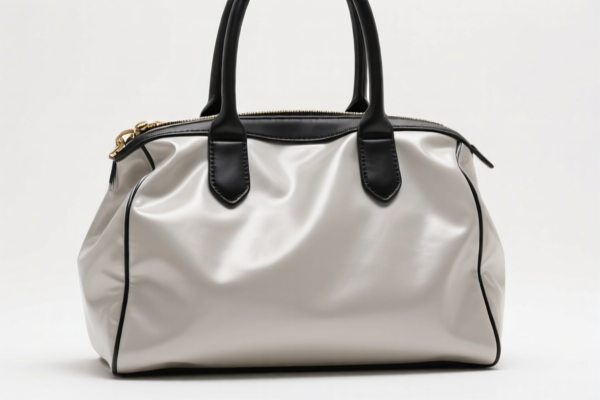
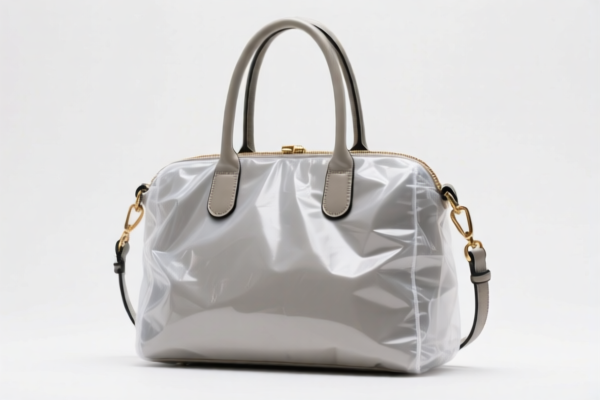
CN → USProduct Images


AI Analysis
Product Description: Non-Backpack Travel/Sports Bags (Man-Made Fiber)
This product falls under the Harmonized System (HS) classification code 4202.92.31.31, which categorizes travel, sports, and similar bags with an outer surface made of textile materials (specifically man-made fibers). Unlike standard backpacks, this item is classified under the "Other" subcategory due to its unique design, functionality, or structural features that do not align with the definition of backpacks (e.g., duffel bags, gym bags, toiletry kits, or specialized sports equipment cases). These bags typically feature durable synthetic fabrics (e.g., polyester, nylon) and may include reinforced stitching, waterproof linings, or modular compartments tailored for specific activities such as hiking, cycling, or athletic training. The absence of a dual-strap shoulder design or ergonomic back support distinguishes them from backpacks, aligning them with the broader "Other" category under HS 4202.92.31.
Applicable Tariff Rates & Duty Breakdown
Tariff Rates:
- Base Duty Rate: Varies by country. For example:
- United States: 25% ad valorem (under Section XXIII, Chapter 42, HTSUS 4202.92.31).
- European Union: 6% ad valorem (under EU Combined Nomenclature 4202 92 31).
- China (Import): 15% ad valorem for man-made fiber bags under HS 4202.92.31.
- Additional Charges:
- Sales/Value-Added Tax (VAT): Typically 10–20% of the declared value + duty (country-specific).
- Anti-Dumping Duties: May apply if imported from countries with prior trade disputes (e.g., 15–20% for certain Asian exports to the U.S.).
- Excise Taxes: Rare for non-luxury bags, but applicable in specific jurisdictions.
Example Duty Calculation (U.S. Import):
- Declared Value: $1,000
- Base Duty: $1,000 × 25% = $250
- Merchandise Processing Fee (MPF): $1,000 × 0.3464% = $3.46
- Total Duties/Charges: $253.46
Trade Regulations & Compliance Requirements
- Labor Standards:
- Comply with ILO Conventions (e.g., no forced/child labor) under programs like the U.S. Child Labor Provisions (2023) or EU’s Due Diligence Directive.
- Environmental Regulations:
- REACH (EU): Restriction of hazardous substances (e.g., azo dyes, heavy metals) in textile materials.
- EPA Compliance (U.S.): Adherence to TSCA (Toxic Substances Control Act) for chemical safety.
- Labeling & Marking:
- Country of Origin: Mandatory labeling (e.g., "Made in [Country]") per FTC Rules (U.S.) and EU Textile Regulation 1007/2011.
- Fiber Content: Disclose man-made fiber composition (e.g., "100% Polyester") under FTC Care Labeling Rules.
- Intellectual Property:
- Avoid counterfeit logos or designs; adhere to WIPO Guidelines and customs recordation systems (e.g., U.S. CBP e-Record).
- Import Licenses:
- Some countries require pre-approval for synthetic-textile goods (e.g., China's Import License for certain textile categories).
Practical Implications for Stakeholders
- Businesses: Ensure accurate HS classification to avoid misdeclaration penalties (e.g., 50% fine for incorrect coding in the EU).
- Logistics Providers: Prioritize customs clearance with pre-clearance programs (e.g., U.S. C-TPAT, EU AEO).
- Consumers: Verify compliance with local safety standards (e.g., CPSC requirements for non-luxury bags).
For precise duty calculations, consult the World Customs Organization (WCO) database or national customs authorities (e.g., U.S. CBP, EU Taric). Always validate regulations against the latest updates, as trade policies evolve frequently.