4x350 Glass Cup
CN → US| HS Code | Tariff Rate | Origin | Destination | Doc |
|---|---|---|---|---|
| 7013372090 | 40.0% | CN | US | Official Doc |
| 7013376010 | 22.5% | CN | US | Official Doc |
Product Images
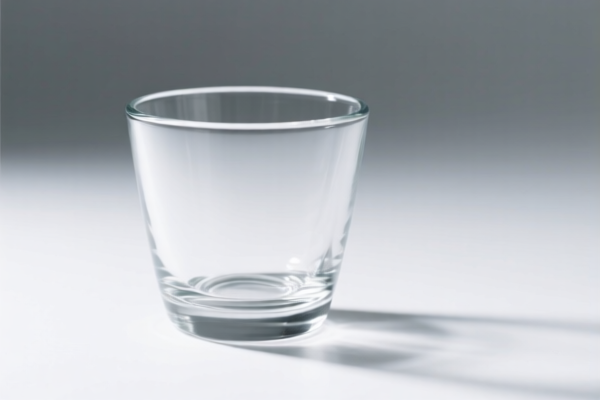
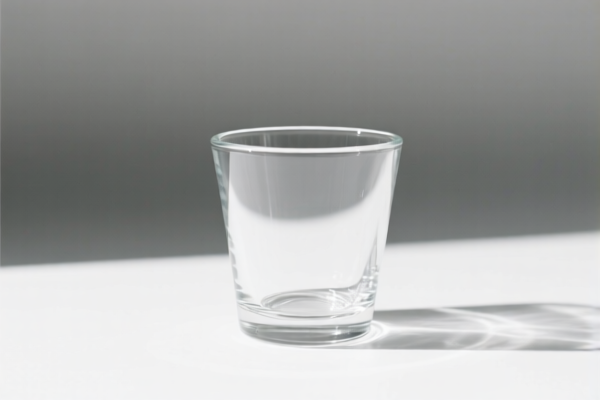
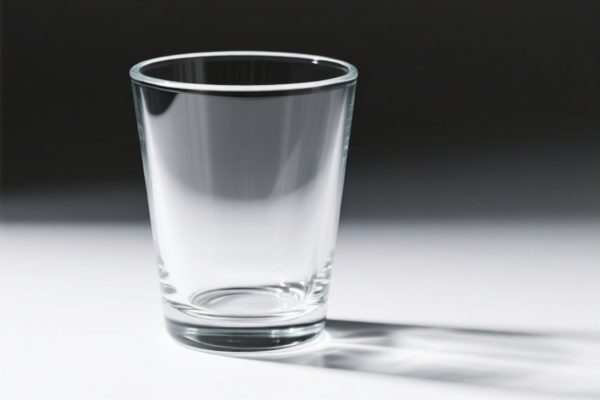
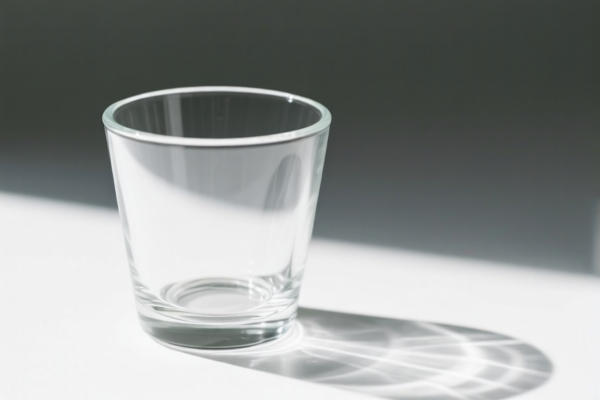
AI Analysis
🍷 Glassware & Drinkware (Table, Kitchen, & Office Use)
🌐 HS Code Reference & Customs Clearance Guide | 2024/2025 Latest Tariff Analysis | Professional Clearance Strategy
📌 I. Product Definition & Classification: Do You Really Know "Glass Cups"?
"4x350 Glass Cup" typically refers to a set of drinking glasses with a 350ml capacity (approx. 12 oz), often sold in packs of 4. In international trade, these fall under Chapter 70: Glass and Glassware. Specifically, they are classified based on their value per unit and material composition (Lead Crystal vs. Non-Lead Crystal).
⚠️ Critical Distinction:
The classification depends heavily on the declared value per single glass and whether it is crystalline (lead crystal) or non-lead crystal. - If valued >$0.30 but ≤$3.00 per glass: Falls under general non-crystalline drinking glasses. - If valued >$3.00 per glass: Further split into Crystalline/Non-lead Crystal (> $5) or Other (> $3 but ≤ $5).
📦 II. HS Code Classification Details (Based on Provided Data)
| HS Code | Product Description | Value Threshold | Material/Type | Applicable Tax |
|---|---|---|---|---|
| 7013.37.20.90 | Other drinking glasses, other than of glass-ceramics | >$0.30 but ≤$3.00 each | Non-crystalline / Standard Glass | 30.0% (Base 22.5% + Additional 7.5%) |
| 7013.37.60.10 | Other drinking glasses, other than of glass-ceramics | >$5.00 each | Crystalline or Non-lead Crystal | 12.5% (Base 5.0% + Additional 7.5%) |
🔍 Key Note:
- If your "4x350 Glass Cup" is a standard soda-lime glass (non-crystal) valued at $1.50 each, use 7013.37.20.90.
- If it is high-quality Lead Crystal or Non-lead Crystal valued at $6.00 each, use 7013.37.60.10.
- ⚠️ Trap: If crystal glass is valued between $3.00 and $5.00, it may fall into a different subheading not listed here (likely "Other"), but based on the provided data, only the >$5 crystal category is explicitly detailed with a lower base tax.
💰 III. 2024/2025 Tariff Rate Breakdown (Detailed Tax Clauses)
✅ Applicable Country: United States (US)
✅ Origin: China (CN)
✅ Effective Date: Current US Trade Policy (Section 301 & IEEPA)
🎯 1. 7013.37.20.90 — Standard Drinking Glasses (Non-Crystalline)
| Item | Detail |
|---|---|
| Product | Other drinking glasses (Non-crystal), valued over $0.30 but not over $3 each |
| Base Tariff | 22.5% |
| Additional Tariff (Section 301) | +7.5% |
| Total Tax Rate | 30.0% |
| Tax Calculation | CIF Value × 30% |
| De Minimis Eligibility | ❌ No (Likely subject to scrutiny due to high base rate, though Section 301 applicability to de minimis is complex; generally, high-value shipments are scrutinized) |
| Legal Basis | HTSUS 7013.37.20.90 + Section 301 Footnotes |
📌 Explanation:
- This is the most common category for standard, affordable glassware.
- The 30% total rate makes cost optimization critical.
- Avoid under-declaring value to <$0.30 to avoid anti-dumping scrutiny, as customs audits are frequent for glassware.
🎯 2. 7013.37.60.10 — Crystalline or Non-Lead Crystal Glassware
| Item | Detail |
|---|---|
| Product | Drinking glasses, Crystalline or Non-lead Crystal, valued over $5 each |
| Base Tariff | 5.0% |
| Additional Tariff (Section 301) | +7.5% |
| Total Tax Rate | 12.5% |
| Tax Calculation | CIF Value × 12.5% |
| De Minimis Eligibility | ❌ No (High-value items are rarely eligible for de minimis exemption) |
| Legal Basis | HTSUS 7013.37.60.10 + Section 301 Footnotes |
📌 Explanation:
- Significant Savings: This category has a much lower base tariff (5%) compared to standard glass (22.5%).
- Requirement: Must be proven as Crystalline (usually ≥24% lead oxide) or Premium Non-Lead Crystal (e.g., barium/zirconium based).
- Documentation: Must provide material test reports or manufacturer certificates proving "Crystal" composition.
🛠️ IV. Customs Clearance Practical Advice (Real-World Pitfall Guide)
✅ 1. Document Checklist (Essential)
| Document | Required? | Notes |
|---|---|---|
| ✅ Commercial Invoice | ✔️ | Must specify value per unit clearly. E.g., "4x350ml Glass Cups, Set of 4, Unit Price $2.00". |
| ✅ Product Specifications | ✔️ | Include material composition (e.g., "Soda-Lime Glass" vs. "Lead Crystal 24%"). |
| ✅ Material Test Report | ✔️ | Critical for 7013.37.60.10: Provide proof of crystal content if claiming 12.5% tax. |
| ✅ Packaging List | ✔️ | Show net/gross weight. Ensure "4 pcs" are declared as a single set or individual units with consistent pricing. |
| ✅ Photos of Product & Label | ✔️ | Clear images of the glass, branding, and any "Crystal" markings. |
✅ 2. Classification Strategy (Key Tips)
🔥 "Value Matters, Crystal Saves!"
| Scenario | Recommended HS Code | Tax Rate | Why? |
|---|---|---|---|
| Standard Glass, $1.50/unit | 7013.37.20.90 |
30.0% | Fits ">$0.30 but ≤$3" range. Cannot claim crystal status. |
| Crystal Glass, $6.00/unit | 7013.37.60.10 |
12.5% | Best Rate: Higher value + Crystal material = Lower base tax. |
| Crystal Glass, $4.00/unit | ⚠️ Check HTSUS | ? | Not explicitly in provided data. Likely "Other" category. May have different tax. |
| Bulk Cheap Glass, $0.10/unit | ⚠️ Check HTSUS | ? | Not in provided data. May fall under "Valued not over $0.30". |
📌 Warning:
- Do not misdeclare standard glass as "Crystal" to save 17.5%. Customs will request lab tests. Failure results in seizure, fines, and back taxes.
- Do not undervalue crystal glass to <$5 to avoid complexity. The tax benefit of crystal (> $5) is significant, but documentation is strict.
✅ 3. Special Cases
| Situation | Advice |
|---|---|
| Mixed Sets (Glass + Napkin) | If sold as a set, classify based on the principal character (Glass). |
| Packaging Count | Ensure the "4x" is clear. If declared as "4 separate items," each must meet the value threshold. |
| Origin Marking | Must say "Made in China" on each glass or packaging. Failure can lead to seizure under US CBP rules. |
🌍 V. Global Market Comparison (2024/2025)
| Market | Recommended HS Code | Total Tariff (China Origin) | Notes |
|---|---|---|---|
| 🇺🇸 USA | 7013.37.20.90 / 7013.37.60.10 |
30% / 12.5% | High Section 301 tariffs. Crystal is tax-efficient if documented. |
| 🇨🇳 China | 7013.37 (Varies) | ~5-10% | Import duties are lower, but domestic consumption tax may apply. |
| 🇪🇺 EU | 7013.37 | 0-6.5% | No Section 301 equivalent. VAT applies (19-25%). |
| 🇬🇧 UK | 7013.37 | 0-6.5% | Post-Brexit tariffs. No US-style additional duties. |
📌 Conclusion:
- US Market: The 12.5% rate for crystal glass (7013.37.60.10) is significantly better than 30% for standard glass (7013.37.20.90).
- Strategy: If your product is high-end, emphasize Crystal status and document it rigorously. If it's standard, accept the 30% cost or optimize supply chain.
📌 VI. Common Errors & Pitfalls (Lessons Learned)
❌ Error 1: Declaring Crystal Glass as "Standard Glass"
👉 Result: Pay 30% instead of 12.5%. Overpaid $17.50 per unit.
❌ Error 2: Declaring Standard Glass as "Crystal"
👉 Result: Customs rejects claim, demands back taxes + penalties. Risk of seizure.
❌ Error 3: Ignoring Value Thresholds
👉 Result: Misclassification leads to incorrect duty calculation. Customs audits will adjust.
❌ Error 4: Poor Packaging Marking
👉 Result: "Made in China" missing → Seizure by CBP.
✅ Correct Practice:
"Set of 4 Lead Crystal Drinking Glasses, 350ml, 24% Lead Oxide, Unit Price $6.50, Made in China"
🎯 VII. Conclusion: Strategic Classification for Cost Savings
🎯 Key Takeaway:
🔹 "Crystal Saves, Standard Costs."
🔹 "Document Material, Prove Crystal."
🔹 "Value Above $5, Crystal Under 12.5%."
📌 Pro Tip:
If your 4x350 Glass Cup set is priced at $12.00 ($3.00 each), it falls into the 30% tax bracket.
If you can market it as Premium Non-Lead Crystal and price at $20.00 ($5.00 each, just over threshold), it may qualify for 12.5% tax — saving 17.5% per unit.
💡 Action: Consult with your supplier to obtain Crystal Certification and adjust pricing/marketing accordingly.
📣 Immediate Action:
📞 Verify Material Composition with supplier.
📄 Prepare Test Reports for crystal content.
📊 Calculate CIF Value to ensure it meets >$5 threshold for crystal classification.
🚀 Optimize Tariff Burden with precise HS Code selection!
✨ Professional Clearance, Start with Accurate Classification!
💼 Every Percentage Point Counts in Global Trade!
Customer Reviews
About HS Code Classification
The Harmonized System (HS) is an internationally standardized nomenclature developed by the World Customs Organization (WCO) to classify traded products. Over 200 countries use the HS system as the basis for customs tariffs, trade statistics, and import/export regulations.
Each HS code follows a hierarchical structure:
- Chapter (2 digits) — Broad category of goods (e.g., Chapter 84: Machinery and Mechanical Appliances)
- Heading (4 digits) — More specific grouping within the chapter
- Subheading (6 digits) — Internationally standardized breakdown, used by all WCO member countries
- National subdivisions (8-10 digits) — Country-specific extensions for further classification, such as US HTSUS 10-digit codes
Correct HS code classification is essential for smooth customs clearance, accurate duty payment, and compliance with trade regulations. Misclassification can lead to customs delays, overpayment of duties, or penalties.
When importing from CN to US, the applicable tariff rates may include:
- Most-Favored-Nation (MFN) rate — The standard duty rate applied to WTO members
- General rate — Applied to countries without trade agreements
- Trade remedy duties — Additional tariffs such as Section 301 (anti-dumping), Section 232 (national security), or countervailing duties
The information provided on this page is for reference purposes only. For official classification, please consult with your local customs authority or a licensed customs broker.