5 pairs of shirt cufflinks
CN → US| HS Code | Tariff Rate | Origin | Destination | Doc |
|---|---|---|---|---|
| 7113195095 | 23.0% | CN | US | Official Doc |
| 7113205000 | 22.7% | CN | US | Official Doc |
| 8308100000 | 0.0% | CN | US | Official Doc |
| 7117110000 | 25.5% | CN | US | Official Doc |
Product Images
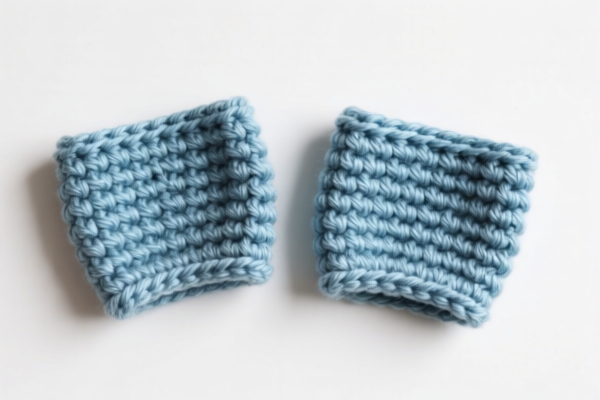
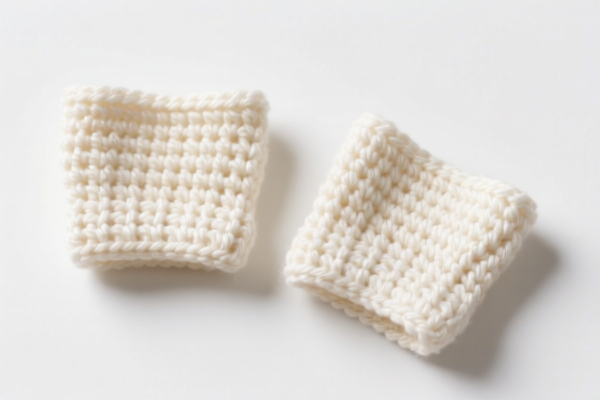
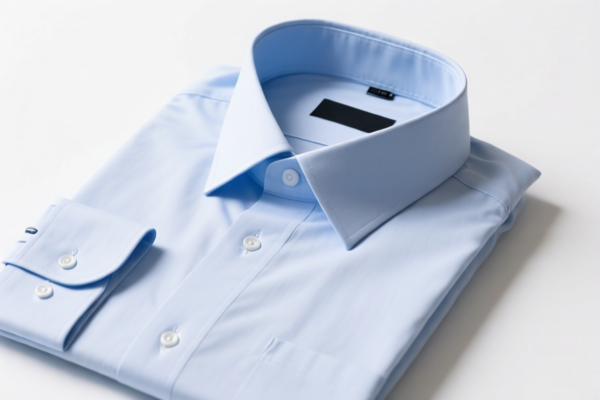

AI Analysis
Here is the professional customs clearance guide for 5 Pairs of Shirt Cufflinks, styled for clarity and impact.
👔 Shirt Cufflinks (5 Pairs) | Complete Customs & Tax Strategy
🌐 Global HS Code Reference & Clearance Guide | 2026 Tax Regime Analysis | High-Stakes Entry Strategy
Product Context: Shirt Cufflinks are versatile fashion accessories. Their classification in the Harmonized System (HS) depends entirely on material composition (Noble Metal vs. Base Metal) and intended perception (Jewelry vs. Clothing Accessory vs. Imitation Jewelry).
⚠️ Critical Warning: A misclassification can lead to tax penalties ranging from 1.1¢/kg to 38%, plus potential administrative fines. The difference between "Precious Jewelry" and "Imitation Jewelry" is often just the material declaration!
📦 1. HS Code Classification Matrix (2026 Authority)
Based on the specific material attributes of your shipment, here are the 4 Primary HS Codes and why they apply:
| 📌 HS Code | Classification Logic | Taxonomic Category | Material Requirement |
|---|---|---|---|
| 7113.19.50.95 | Noble Metal Jewelry | Precious Metal Jewelry | Made of Gold, Silver, Platinum, or plated with them (high value). |
| 7113.20.50.00 | Base Metal Plated | Precious Metal Jewelry Parts | Base metal (e.g., brass/copper) plated with precious metal. |
| 7117.11.00.00 | Imitation Jewelry | Fashion/Imitation Jewelry | Base metal only (unplated or non-precious plating), designed to look like jewelry but valued lower. |
| 8308.10.00.00 | Clothing Accessories | Apparel Fasteners | Base metal, functioning strictly as hooks/eyes/fasteners (not worn as jewelry). |
💰 2. 2026 Tariff Rate Deep Dive (USA Import from China)
✅ Origin: China (CN)
✅ Target Market: United States (US)
✅ Total Tax Structure: Base Duty + Section 301 (Additional) + Section 122 (China Specific)
🎯 Scenario A: The "Luxury" Route (Noble Metal)
HS Code: 7113.19.50.95
Logic: The cuffs are classified as Precious Metal Jewelry. This is the highest value category.
| Component | Rate | Calculation Detail |
|---|---|---|
| Base Duty | 5.5% | Standard USMF (Most Favored Nation) rate. |
| Section 301 (Add-on) | 7.5% | Additional tariff on Section 71 goods. |
| Section 122 | 10.0% | Specific additional duty for China origin (Section 301 List 4). |
| 🔥 TOTAL EFFECTIVE RATE | 23.0% | 5.5% + 7.5% + 10.0% |
📌 Expert Note: This is the most "expensive" route in terms of percentage, but only applies if you are importing real gold/silver or high-grade plated goods declared as jewelry.
🎯 Scenario B: The "Plated" Route (Jewelry Parts)
HS Code: 7113.20.50.00
Logic: The cuffs are Base Metal (e.g., Brass) but plated with Gold/Silver. They are technically treated as Precious Metal Jewelry.
| Component | Rate | Calculation Detail |
|---|---|---|
| Base Duty | 5.2% | Standard USMF rate for plated jewelry. |
| Section 301 (Add-on) | 7.5% | Additional tariff. |
| Section 122 | 10.0% | Specific additional duty. |
| 🔥 TOTAL EFFECTIVE RATE | 22.7% | 5.2% + 7.5% + 10.0% |
📌 Expert Note: Often confused with Scenario A. If your manufacturer says "Gold Plated Brass," it falls here. Do not declare as "Imitation Jewelry" if it is plated; it will be reclassified by customs as Plated Jewelry with penalties.
🎯 Scenario C: The "Fashion" Route (Imitation Jewelry)
HS Code: 7117.11.00.00
Logic: The cuffs are Base Metal (e.g., Zinc alloy, Steel) with no precious plating. They are "Jewelry" in form but "Imitation" in value.
| Component | Rate | Calculation Detail |
|---|---|---|
| Base Duty | 8.0% | Standard rate for Imitation Jewelry. |
| Section 301 (Add-on) | 7.5% | Additional tariff. |
| Section 122 | 10.0% | Specific additional duty. |
| 🔥 TOTAL EFFECTIVE RATE | 25.5% | 8.0% + 7.5% + 10.0% |
📌 Expert Note: Surprise! This is actually the highest percentage rate among the jewelry categories (25.5% vs 23.0%). Why? Because the Base Duty (8%) is higher for imitation goods. If you are unsure of the material, verify the plating thickness.
🎯 Scenario D: The "Clothing Accessory" Route (The Trap!)
HS Code: 8308.10.00.00
Logic: Customs views these as Garment Accessories (Hooks, Eyes, Buttons) made of base metal, not as jewelry.
| Component | Rate | Calculation Detail |
|---|---|---|
| Base Duty | 1.1¢/kg + 2.9% | Ad valorem + Specific weight duty. |
| Section 301 (Add-on) | 25.0% | HIGHEST Additional Tariff (Category 8308). |
| Section 122 | 10.0% | Specific additional duty. |
| 🔥 TOTAL EFFECTIVE RATE | ~37.9% + Weight | 2.9% + 25.0% + 10.0% |
⚠️ CRITICAL RISK: While the base duty is low (2.9%), the Section 301 additional tariff (25.0%) is significantly higher than the jewelry categories (7.5%). When to use this? Only if the item is clearly designed as a functional fastener (e.g., a simple metal clip with no decorative stones/plating) and NOT worn as a fashion jewelry piece. If you are selling "Cufflinks" as fashion accessories, DO NOT use this code. It is a common trap!
🛠️ 3. Customs Clearance Strategy & Action Plan
✅ Step 1: Material Verification (The "Make-or-Break" Factor)
Before filing the entry, you must determine the material: * Is it Gold/Silver/Platinum? → 7113.19.50.95 (23.0%) * Is it Base Metal + Gold/Silver Plating? → 7113.20.50.00 (22.7%) * Is it Base Metal (Zinc/Steel) with NO precious plating? * Is it decorative? → 7117.11.00.00 (25.5%) * Is it purely functional? → 8308.10.00.00 (37.9% - Risky!)
🧠 Pro Tip: If you declare 7117.11 (Imitation) but Customs finds the item is actually plated, they will reclassify to 7113.20 (Plated) and demand the difference. If they find it is 8308, they will apply the 25% add-on which is much higher than expected.
✅ Step 2: Documentation Checklist (Must-Haves)
| Document | Purpose | Critical Detail |
|---|---|---|
| Commercial Invoice | Declaration of Value | Must explicitly state "Gold Plated" or "Base Metal" in the description. |
| Material Certificate | Proof of Composition | Supplier must confirm plating thickness (e.g., "1 micron gold plating"). |
| Product Photos | Visual Inspection | Show close-ups of the metal finish (shiny gold vs. matte steel). |
| Bill of Materials (BOM) | Customs Audit | List all components to prove no hidden noble metals. |
✅ Step 3: Avoiding the "8308 Trap"
- Do not describe the item as "Button" or "Fastener" in the commercial invoice if it is sold as Cufflinks.
- Use the term "Fashion Jewelry" or "Cufflinks" to force the classification into Chapter 71 (Jewelry).
- Risk: If you use Chapter 83 (Base Metal), you face the 25.0% Section 301 penalty, making your product uncompetitive.
🚨 4. Common Pitfalls & "Blood-Scared" Warnings
| ❌ Mistake | 💥 Consequence | 💡 Fix |
|---|---|---|
| Declaring Plated Cuffs as "Base Metal" (7117) | Customs reclassifies to 7113 (Plated) → Pay Back Taxes + Penalty | Ensure description says "Plated" if applicable. |
| Declaring as "Garment Accessories" (8308) | 25% Additional Tax applied → Cost Surge | Avoid Chapter 83 unless the item is a plain functional clip. |
| Vague Description ("Metal Cufflinks") | Customs Seizure / Delay | Be specific: "Gold-plated brass cufflinks" or "Stainless steel cufflinks". |
| Ignoring Weight Duty (8308) | Unexpected Charges if >1000kg | For small shipments (5 pairs), weight duty is negligible, but the 25% add-on is the killer. |
🌍 5. Final Recommendation
For 5 Pairs of Shirt Cufflinks:
1. If Gold/Silver Plated: Use 7113.20.50.00 (22.7% Total).
2. If Unplated/Imitation: Use 7117.11.00.00 (25.5% Total).
3. AVOID 8308.10.00.00 unless they are purely industrial fasteners, as the 25% Section 301 surcharge makes it the most expensive option.
🚀 Pro Tip: For small shipments (5 pairs), ensure your HS Code matches the visual appearance of the product. If it looks like jewelry, classify as Jewelry (Chapter 71). If it looks like a tool, classify as Hardware (Chapter 83).
✨ Disclaimer: Tax rates and HS Code interpretations are subject to change by U.S. Customs and Border Protection (CBP). Always consult a licensed Customs Broker for specific shipments.
Customer Reviews
About HS Code Classification
The Harmonized System (HS) is an internationally standardized nomenclature developed by the World Customs Organization (WCO) to classify traded products. Over 200 countries use the HS system as the basis for customs tariffs, trade statistics, and import/export regulations.
Each HS code follows a hierarchical structure:
- Chapter (2 digits) — Broad category of goods (e.g., Chapter 84: Machinery and Mechanical Appliances)
- Heading (4 digits) — More specific grouping within the chapter
- Subheading (6 digits) — Internationally standardized breakdown, used by all WCO member countries
- National subdivisions (8-10 digits) — Country-specific extensions for further classification, such as US HTSUS 10-digit codes
Correct HS code classification is essential for smooth customs clearance, accurate duty payment, and compliance with trade regulations. Misclassification can lead to customs delays, overpayment of duties, or penalties.
When importing from CN to US, the applicable tariff rates may include:
- Most-Favored-Nation (MFN) rate — The standard duty rate applied to WTO members
- General rate — Applied to countries without trade agreements
- Trade remedy duties — Additional tariffs such as Section 301 (anti-dumping), Section 232 (national security), or countervailing duties
The information provided on this page is for reference purposes only. For official classification, please consult with your local customs authority or a licensed customs broker.