50pcs Cake Cups
CN → US| HS Code | Tariff Rate | Origin | Destination | Doc |
|---|---|---|---|---|
| 7323940021 | 70.2% | CN | US | Official Doc |
| 7323930035 | 62.0% | CN | US | Official Doc |
| 4823610020 | 35.0% | CN | US | Official Doc |
| 4823690020 | 35.0% | CN | US | Official Doc |
| 3923109000 | 38.0% | CN | US | Official Doc |
Product Images
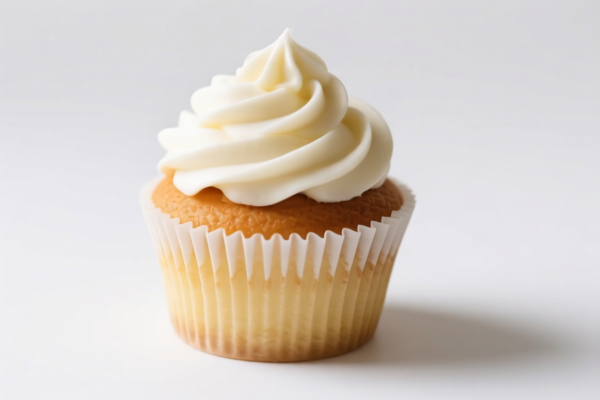
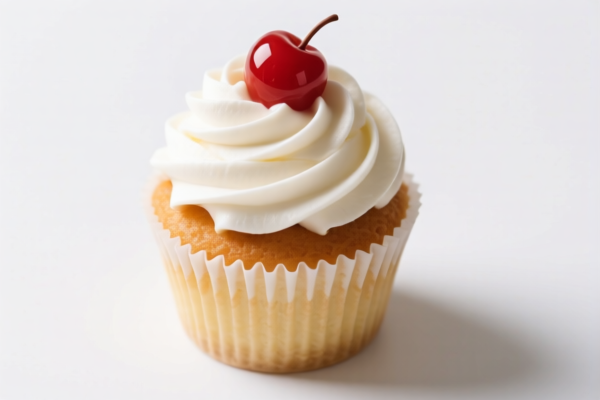
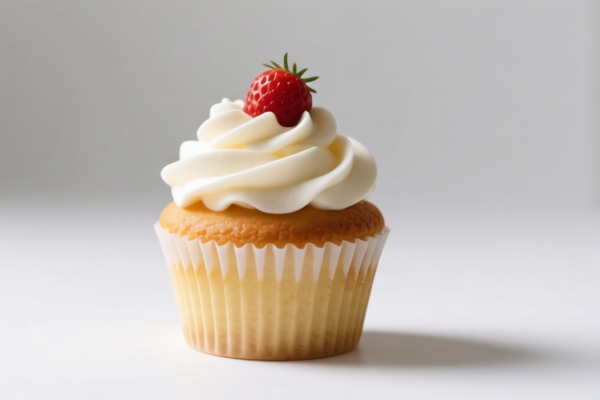
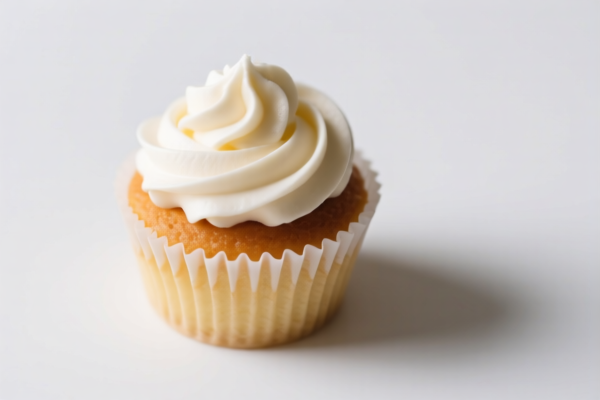
AI Analysis
🧁 Cake Cups & Food Containers (Plastic & Paper)
🌐 HS Code Reference & Clearance Guide | 2026 Latest Tariff Analysis | Professional Clearance Strategy 📌 I. Product Definition & Classification: Do You Know "Cake Cups"?
"Cake Cups" (often referred to as muffin liners, paper cups, or nested food containers) are critical packaging materials in the food service and retail industries. In international trade, they are strictly categorized by material composition and specific form.
1. Plastic Packaging Articles (Hardenable/Thermoplastic): - Typically made from PET, PP, or PS. - Classified under Chapter 39. - Includes rigid or semi-rigid cups, crates, and similar conveyance articles.
2. Paper/Paperboard Food Containers: - Made from bamboo fiber, pulp, or standard paperboard. - Classified under Chapter 48. - Specifically includes "Cups and round nested food containers."
⚠️ Key Distinction Point: - If the product is plastic (transparent, rigid, or molded): → HS Code starts with 3923... - If the product is paper/bamboo (biodegradable, matte, nested): → HS Code starts with 4823... - Note: Stainless steel bakeware is also listed in the data but is rarely used for standard "cake cups" (which are usually disposable). It is included here for completeness based on the provided data.
📦 II. HS Code Classification Details (2026 Latest Tariff Authority Mapping)
Based on the provided dataset, here are the exact classifications for Cake Cups/Food Containers:
| HS Code | Product Description | Material | Application Scenario |
|---|---|---|---|
3923.10.90.00 |
Plastic Articles: Boxes, cases, crates, and similar articles; Other | Plastic | Rigid plastic food containers, takeout boxes, non-standard plastic cups not classified elsewhere. |
3923.90.00.80 |
Plastic Articles: Other | Plastic | General plastic packaging articles not specified above (e.g., complex plastic lids/closures if bundled, or miscellaneous plastic food packaging). |
4823.61.00.20 |
Paper Trays/Cups: Of bamboo Cups and round nested food containers | Bamboo / Paper | Eco-friendly/Bamboo fiber cake cups, nested containers. Preferred for sustainable branding. |
4823.69.00.20 |
Paper Trays/Cups: Other Cups and round nested food containers | Paper / Pulp | Standard paper pulp or paperboard cake liners, muffin cups, and nested containers. |
7323.93.00.35 |
Steel Household Articles: Of stainless steel Cooking Ware: Bakeware | Stainless Steel | Reusable metal baking molds (not disposable cups). Rare for standard "cake cups." |
7323.94.00.21 |
Steel Household Articles: Of iron/steel enameled Cooking Ware: Bakeware | Enamel Steel | Reusable enameled metal baking pans/molds. |
🔍 Critical Alert: - Most "50pcs Cake Cups" sold for home baking or cafes are Paper (
4823...) or Plastic (3923...). - Bamboo Paper Cups (4823.61.00.20) often enjoy 0% additional tariffs due to specific trade agreements or exemptions, unlike standard paper (4823.69.00.20) which may face additional levies. - Plastic items face different tax structures depending on whether they are "boxes/crates" (3923.10) or "other" (3923.90).
💰 III. 2026 Latest Tariff Rate Details (Including Surtaxes & Policy Add-ons)
✅ Applicable Country: United States (US)
✅ Origin: China (CN) (Implied by the "Additional Tariffs" context in the data)
✅ Effective Date: 2025/2026 Period
🎯 1. 3923.10.90.00 —— Plastic Articles (Boxes/Crates/Other)
| Item | Content |
|---|---|
| Base Tariff | 0.0% |
| Additional Tariff | 0.0% |
| Total Tax Rate | 0.0% |
| Tax Calculation | CIF Value × 0% |
| De Minimis Eligibility | ✅ Likely Eligible (If value < $800) |
| Legal Basis Path | Standard USITC Tariff for Plastic Packaging (Certain Sub-categories) |
📌 Explanation: - This specific subheading for plastic conveyance/packing articles enjoys a 0% total tax rate. - Strategy: If your plastic cake cups can be classified as "conveyance/packing articles" rather than "other plastic articles," you save significantly compared to other plastic goods.
🎯 2. 3923.90.00.80 —— Plastic Articles (Other)
| Item | Content |
|---|---|
| Base Tariff | 3.0% |
| Additional Tariff | 25.0% |
| Total Tax Rate | 28.0% |
| Tax Calculation | CIF Value × 28% |
| De Minimis Eligibility | ❌ Not Eligible (Deny De Minimis for 301/IEEPA goods) |
| Legal Basis Path | USITC:3923.90.00.80 + Section 301 Surtax |
📌 Warning: - If classified as "Other" plastic articles, the tariff jumps to 28%. - This is a high-cost category. Ensure accurate classification to avoid paying 28% when 0% might apply (see above).
🎯 3. 4823.61.00.20 —— Paper/Bamboo Cups (Bamboo)
| Item | Content |
|---|---|
| Base Tariff | 0.0% |
| Additional Tariff | 0.0% |
| Total Tax Rate | 0.0% |
| Tax Calculation | CIF Value × 0% |
| De Minimis Eligibility | ✅ Likely Eligible |
| Legal Basis Path | Standard USITC Tariff for Bamboo Paper Products |
📌 Opportunity: - Bamboo based cake cups are tax-free (0% total). - This is an excellent choice for eco-friendly branding and cost-saving. Highlight "Bamboo Fiber" or "Biodegradable" on invoices.
🎯 4. 4823.69.00.20 —— Paper Cups (Other Paper/Pulp)
| Item | Content |
|---|---|
| Base Tariff | 0.0% |
| Additional Tariff | 25.0% |
| Total Tax Rate | 25.0% |
| Tax Calculation | CIF Value × 25% |
| De Minimis Eligibility | ❌ Not Eligible (Deny De Minimis) |
| Legal Basis Path | USITC:4823.69.00.20 + Section 301 Surtax |
📌 Risk: - Standard paper/pulp cake cups face a 25% additional tariff. - Cost Impact: High. Consider switching to bamboo-based products (
4823.61.00.20) to eliminate this surtax.
🎯 5. 7323.93.00.35 & 7323.94.00.21 —— Stainless Steel / Enamel Bakeware
| Item | Content |
|---|---|
| Base Tariff | 2.0% (Stainless) / 0.0% (Enamel) |
| Steel/Alu/Cu Surtax | 50.0% |
| Total Tax Rate | 52.0% (Stainless) / 50.0% (Enamel) |
| Tax Calculation | CIF Value × 50/52% |
| De Minimis Eligibility | ❌ Not Eligible |
📌 Note: - These apply to reusable metal bakeware (pans, molds), not disposable cups. - Extremely high tariff. Only relevant if selling professional-grade metal baking trays.
🛠️ IV. Clearance Practical Advice (Pitfall Avoidance Guide)
✅ 1. Document Checklist (Mandatory)
| Document | Required? | Description |
|---|---|---|
| ✅ Product Specification Sheet | ✔️ | Must specify material: 100% Bamboo Fiber, Paper Pulp, or Plastic (PP/PET). |
| ✅ Product Photos | ✔️ | Clear shots showing texture (paper vs. plastic) and packaging (nested vs. flat). |
| ✅ Commercial Invoice | ✔️ | Must explicitly state: "Cake Cups, [Material], For Food Use Only." |
| ✅ FDA Food Contact Statement | ✔️ | Essential for paper/plastic food containers to prove safety compliance. |
| ✅ Material Declaration | ✔️ | Specifically for distinguishing Bamboo (4823.61) from Other Paper (4823.69) to save 25%. |
✅ 2. Declaration Tips (Key Mantra)
🔥 "Material Determines Tax! Bamboo is Free, Paper is 25%, Plastic is 0% or 28%!"
| Scenario | Correct HS Code | Wrong Action | Consequence |
|---|---|---|---|
| Bamboo Cake Cups | 4823.61.00.20 |
Declare as "Paper Cups" | Pay 25% extra tax unnecessarily. |
| Paper Cake Cups | 4823.69.00.20 |
Declare as "Plastic" | Customs inspection → Fine + Retroactive 28% tax. |
| Plastic Cups | 3923.10.90.00 |
Declare as "Other Plastic" | Pay 28% instead of 0%. |
| Metal Baking Pans | 7323.93.00.35 |
Declare as "Plastic" | Severe misclassification penalty. |
✅ 3. Special Situations
| Situation | Handling Advice |
|---|---|
| Mixed Pack (Plastic + Paper) | Split Declaration! Do not mix. Plastic goes to Ch. 39, Paper to Ch. 48. Mixed shipments cause clearance delays. |
| OEM Custom Prints | Ensure the material description is primary. Prints do not change HS Code classification. |
| "Eco-Friendly" Claims | If claiming "Biodegradable," provide certification. If it fails inspection as "Paper," it may be deemed "Plastic" and taxed accordingly (or rejected). |
| De Minimis ($800) | For HS Codes 3923.90.00.80, 4823.69.00.20, and Steel codes, De Minimis is DENIED. Must file formal entry + pay full tax. For 3923.10.90.00 and 4823.61.00.20, it may still apply. |
🌍 V. Global Market Clearance Comparison (2026 Latest)
| Country/Region | Recommended HS Code (Paper) | Tax Rate (CN Origin) | Certification | Notes |
|---|---|---|---|---|
| 🇺🇸 USA | 4823.61.00.20 (Bamboo) |
0% | FDA Food Contact | Best option for China origin. |
| 🇺🇸 USA | 4823.69.00.20 (Paper) |
25% | FDA Food Contact | High tax. Avoid if possible. |
| 🇪🇺 EU | 4823.69.00.00 |
~1.7% | EU Food Contact No. 10/2011 | No 25% surtax in EU. |
| 🇬🇧 UK | 4823.69.00.00 |
~1.7% | UK Food Standards | Post-Brexit rules apply. |
📌 Conclusion: - In the US market, the difference between Bamboo (0%) and Paper (25%) is huge. - In Plastics,
3923.10.90.00is tax-free, while3923.90.00.80is 28%. - Strategy: Switch suppliers to Bamboo Fiber for paper-based cups to save 25% duty.
📌 VI. Common Errors & Pitfall Guide (Blood & Tears Lessons)
❌ Mistake 1: Declaring Bamboo cups as "Paper Cups" (4823.69)
👉 Consequence: Pay an extra 25% tax.
✅ Fix: Always specify "Bamboo Fiber" in the description for HS 4823.61.00.20.
❌ Mistake 2: Declaring Plastic cups as "Paper" to avoid tax
👉 Consequence: Customs inspection reveals plastic material → 28% tax + Fine + Delay.
✅ Fix: Be honest. Use 3923.10.90.00 (0%) if it fits, or accept 3923.90.00.80 (28%).
❌ Mistake 3: Ignoring De Minimis restrictions for Surtaxed Goods 👉 Consequence: Shipments < $800 still get taxed 25% or 28%. ✅ Fix: Budget for duties even on small B2C orders if using surtaxed HS Codes.
✅ Correct Declaration Example:
"Paper Cake Cups, 50pcs, Made of Bamboo Fiber, Biodegradable, For Food Use, Model CUP-BAM-001, FDA Compliant"
🎯 VII. Conclusion: Professional Declaration Saves Money!
🎯 Remember the Mantra:
🔹 "Bamboo is 0%, Paper is 25%, Plastic is 0% or 28%!" 🔹 "Don't guess the material! Specify 'Bamboo' to save the 25% surtax!" 🔹 "Plastic Cups under 3923.10 are tax-free. Check the subheading!"
📌 Pro Tip:
If you are importing 50pcs (likely a sample or small batch), ensure the value is under $800 and the HS Code is 4823.61.00.20 (Bamboo) or 3923.10.90.00 (Plastic Box/Crate) to potentially utilize De Minimis clearance, avoiding complex formal entry procedures.
📣 Immediate Action:
📞 Verify your supplier's material composition (Bamboo vs. Paper).
🚀 Request the correct HS Code pre-classification from your customs broker.
💼 Your profit margin depends on this 25% difference!
✨ Professional Clearance Starts with Precise Classification! 💼 Every cent counts in international trade!
Customer Reviews
About HS Code Classification
The Harmonized System (HS) is an internationally standardized nomenclature developed by the World Customs Organization (WCO) to classify traded products. Over 200 countries use the HS system as the basis for customs tariffs, trade statistics, and import/export regulations.
Each HS code follows a hierarchical structure:
- Chapter (2 digits) — Broad category of goods (e.g., Chapter 84: Machinery and Mechanical Appliances)
- Heading (4 digits) — More specific grouping within the chapter
- Subheading (6 digits) — Internationally standardized breakdown, used by all WCO member countries
- National subdivisions (8-10 digits) — Country-specific extensions for further classification, such as US HTSUS 10-digit codes
Correct HS code classification is essential for smooth customs clearance, accurate duty payment, and compliance with trade regulations. Misclassification can lead to customs delays, overpayment of duties, or penalties.
When importing from CN to US, the applicable tariff rates may include:
- Most-Favored-Nation (MFN) rate — The standard duty rate applied to WTO members
- General rate — Applied to countries without trade agreements
- Trade remedy duties — Additional tariffs such as Section 301 (anti-dumping), Section 232 (national security), or countervailing duties
The information provided on this page is for reference purposes only. For official classification, please consult with your local customs authority or a licensed customs broker.