5208516040
CN → USProduct Images
AI Analysis
Product Description
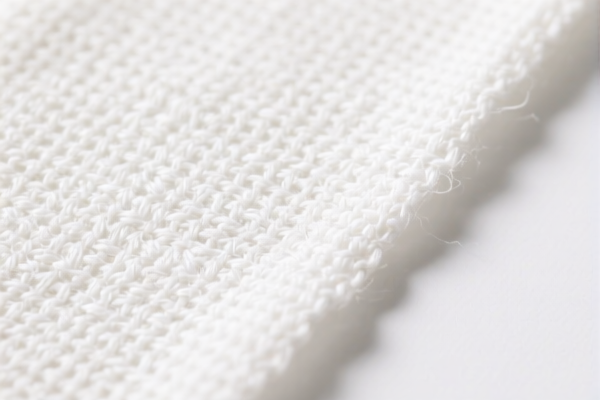
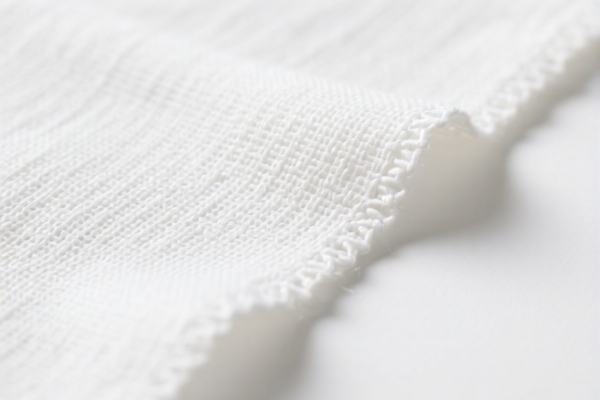
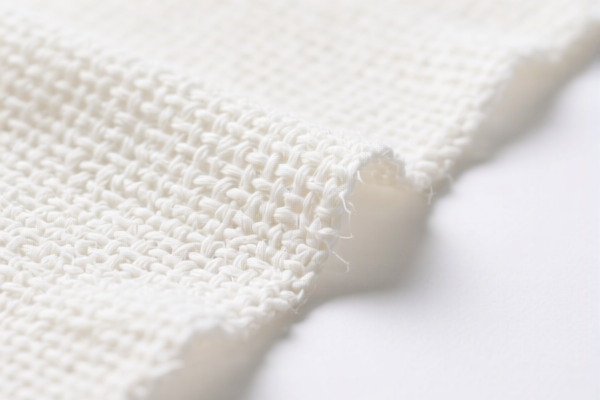
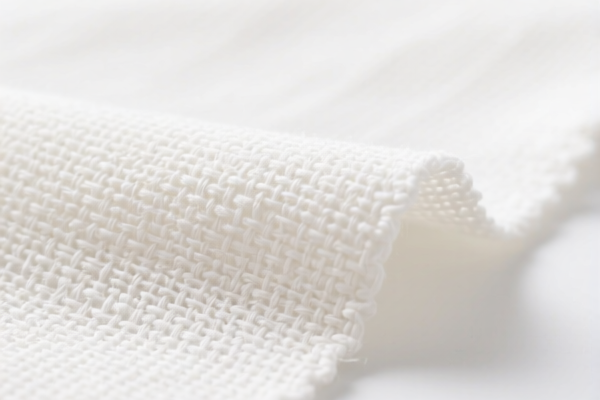
The commodity in question is cotton woven fabric specifically manufactured for bed sheets, classified under the Harmonized System (HS) code 5208.51.60.40.
This fabric meets the following technical specifications: * Material Composition: It is made of cotton with a fiber content of 85% or more by weight. * Weight: The fabric weight is 100 g/m² or less. (Note: While the general category for cotton woven fabric in this subheading allows for weights up to 200 g/m² prior to printing, this specific product variant is defined by a maximum weight of 100 g/m²). * Weave Structure: It features a plain weave construction. * Density: The fabric has a warp and weft density (threads per linear cm or inch, depending on the specific country's measurement standard) ranging between 43 and 68. * Processing: The fabric is printed. * Specific Application: The final designation 313 (Sheeting) confirms that this product is intended and constructed for use as bed sheets.
Key Distinction: This HS code is distinct from related codes within the same hierarchy: * 5208.51.60.20: Designated for Broadcloth or Combed Twill fabrics. * 5208.51.60.60: A general category for Printed fabrics without the specific "sheeting" designation. * 5208.51.60.90: Designated for Cheesecloth or other non-specified woven cottons. The code 5208.51.60.40 is uniquely reserved for printed cotton sheeting within these weight and weave parameters.
Applicable Tariff Rates & Duty Breakdown
Please Note: Tariff rates vary significantly depending on the country of import (e.g., United States, European Union, China, or ASEAN members) and trade agreements in place. The following figures represent estimated baseline rates based on general World Trade Organization (WTO) Most-Favored-Nation (MFN) schedules. Specific national rates must be verified against the latest Customs Tariff Schedule.
1. Import Duty (Ad Valorem)
- Estimated MFN Rate: Typically ranges between 4.5% and 5.5% for cotton woven sheeting in many major economies (e.g., the US often charges around 5.3% for this specific subheading, while the EU may apply a rate closer to 4.8%).
- Preferential Rates: If exported from a country with a Free Trade Agreement (FTA) with the importing nation (e.g., ASEAN, UK, Canada), the duty may be reduced to 0%.
2. Additional Taxes and Levies
- Value Added Tax (VAT) / Goods and Services Tax (GST): Applicable in almost all jurisdictions upon import.
- Example (China): 13% VAT.
- Example (EU): Typically 19%–21% (depending on the member state).
- Example (USA): No federal VAT/GST, but state sales tax may apply if sold domestically immediately, though this usually does not apply at the port of entry for business-to-business imports.
- Countervailing Duties (CVD): If the country of origin is found to be subsidizing its cotton industry unfairly, an additional CVD may apply (historically relevant for certain cotton exporters).
- Anti-Dumping Duties (AD): If the fabric is being sold below fair market value, specific AD duties may be levied.
3. Sample Duty Calculation (Hypothetical Scenario)
Assuming an import into the United States with an estimated duty of 5.3% and a CIF (Cost, Insurance, Freight) value of $10,000 USD:
| Component | Calculation | Amount (USD) |
|---|---|---|
| Customs Value (CIF) | Base Value | $10,000.00 |
| Import Duty (5.3%) | $10,000 × 0.053 | $530.00 |
| Merchandise Processing Fee (MPF) | ~0.3464% of Value (approx.) | $34.64 |
| Harmonized System Fee (HMF) | If applicable (US import only) | $0.00 |
| Total Duties & Fees (Before Tax) | $564.64 | |
| Note: Local Sales Tax/VAT is usually calculated after adding the duty. |
Trade Regulations & Compliance Requirements
Importing and exporting cotton woven fabric under HS Code 5208.51.60.40 requires strict adherence to the following regulatory frameworks:
1. Rules of Origin
- Substantial Transformation: The product must undergo substantial transformation in the country of origin to qualify for preferential tariff rates under FTAs. For cotton fabrics, this usually means the fiber must be spun, woven, and printed in the originating country.
- Documentation: A Certificate of Origin or a self-certified declaration (under regional trade agreements like RCEP or USMCA) is required to claim reduced duty rates.
2. Textile Labeling Standards
- Fiber Content: Regulations (such as the Textile Fiber Products Identification Act in the US or EU Regulation 1007/2011) mandate that the cotton content (≥85%) must be clearly disclosed on the permanent label and the packaging.
- Country of Origin Label: The phrase "Made in [Country]" must be affixed to the product or its retail packaging.
3. Environmental and Safety Regulations
- Restriction of Hazardous Substances (RoHS/REACH): As the fabric is printed, it must comply with regulations regarding azo dyes, formaldehyde, heavy metals, and other chemical restrictions in the importing region (e.g., REACH in Europe, CPSIA in the US).
- Flammability Standards: Bedding products often face strict flammability tests (e.g., CPSC 16 CFR 1633 in the US) to ensure safety standards are met for consumer use.
4. Quarantine and Phytosanitary Measures
- Although cotton is processed, some countries may require phytosanitary certificates to ensure the raw material was not treated with specific agricultural chemicals prohibited in the importing country.
5. Trade Remedies Watch
- Importers should monitor for any active anti-dumping or countervailing duty orders specifically targeting cotton sheeting from the country of export, as these can significantly alter the final landed cost.
Summary for Logistics Planning
When classifying this shipment, ensure the commercial invoice explicitly states:
"Cotton Woven Fabric, Printed, Plain Weave, Cotton Content ≥85%, Weight ≤100g/m², Weave Density 43-68, Intended for Bed Sheets (HS 5208.51.60.40)."
This precise description ensures accurate tariff assessment and prevents delays due to misclassification, particularly distinguishing it from general printed cotton or broadcloth variants.