52cm long satin evening gloves
CN → US| HS Code | Tariff Rate | Origin | Destination | Doc |
|---|---|---|---|---|
| 6116999560 | 13.8% | CN | US | Official Doc |
| 6117809540 | 32.1% | CN | US | Official Doc |
| 6117809570 | 32.1% | CN | US | Official Doc |
| 6216009000 | 21.3% | CN | US | Official Doc |
Product Images

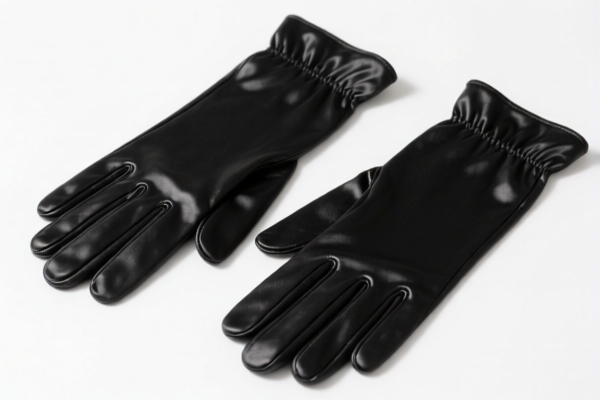
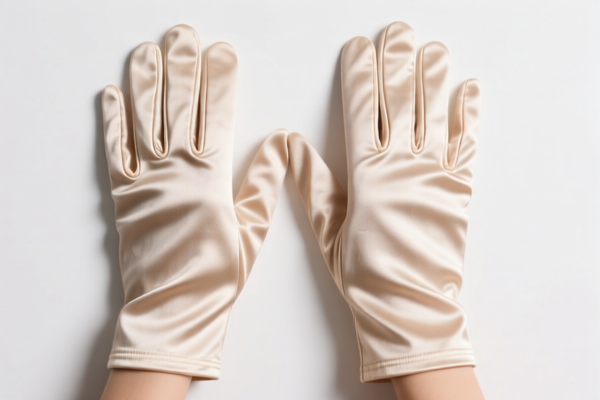
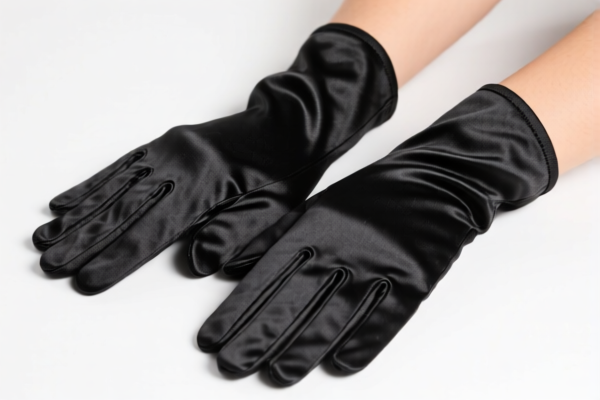
AI Analysis
🖐️ 52cm Long Satin Evening Gloves (Satin Evening Gloves)
🌐 HS Code Reference & Clearance Guide | 2026 Latest Tariff Analysis | Professional Clearance Strategy
📌 1. Product Definition and Classification: Do You Really Understand "Satin Evening Gloves"?
Long satin evening gloves are a classic fashion accessory, typically made from synthetic or natural fibers with a satin finish, extending beyond the wrist to the upper arm. In international trade, they are strictly classified based on manufacturing method (knitted vs. woven) and material composition.
Key Distinction in Classification: * Knitted or Crocheted (Chapter 61): Made by interlocking loops of yarn (stretchy, common for formal wear). * Made Up (Not Knitted) (Chapter 62): Cut and sewn from woven fabric (non-stretchy, often more structured).
⚠️ Critical Classification Point:
- If the gloves are knitted (elastic, jersey-like texture) → Chapter 61.
- If the gloves are woven/cut-and-sewn (non-elastic, stiff satin) → Chapter 62.
- Coating/Impregnation with rubber/plastic changes the code entirely (e.g., rain gloves), but standard satin evening gloves are typically dry goods.
📦 2. HS Code Classification Details (2026 Latest Tariff Authority Comparison)
Based on the provided data, here are the specific HS Codes and their logical mapping for Satin Evening Gloves:
| HS Code | Product Description | Logical Mapping for "Satin Evening Gloves" | Key Characteristics |
|---|---|---|---|
6216.00.90.00 |
Gloves, mittens and mitts: Other: Other: Other | Woven/Non-Knitted Satin Gloves | Cut-and-sewn from woven satin fabric. No coating. General formal wear. |
6216.00.31.00 |
Gloves...: Impregnated, coated or covered with plastics or rubber: Other: With fourchettes | Coated Satin Gloves | Only applies if the satin is coated/impregnated (e.g., glossy waterproof finish). Rare for standard evening wear. |
6117.80.95.70 |
Other made up clothing accessories, knitted or crocheted: Other accessories: Other: Other Other | Knitted Satin Accessories (Non-Glove Specific?) | Usually for other knit accessories (scarves, wristbands). Less likely for gloves unless misclassified. |
6117.80.95.40 |
...: Of man-made fibers: Other | Knitted Satin Gloves (Man-Made Fiber) | If knitted and made of polyester/nylon (common for satin). |
6116.99.75.00 |
Gloves, mittens and mitts, knitted or crocheted: Other: Of other textile materials: Containing 70%+ silk or silk waste | Knitted Satin Gloves (High Silk Content) | If knitted and labeled as "Silk Satin" with ≥70% silk. |
6116.99.95.60 |
Gloves, mittens and mitts, knitted or crocheted: Other: Of other textile materials: Other | Knitted Satin Gloves (Other Textile Materials) | If knitted and made of natural fibers (cotton, wool) or unspecified "other" materials. |
🔍 Priority Analysis for "Satin Evening Gloves": 1. Most Common for Fashion: If knitted and made of polyester/nylon (standard satin), use
6117.80.95.40.
Note: While6116is specifically for gloves,6117covers "other made up clothing accessories." Some customs authorities classify knit gloves without separate finger stitching under6116, but if6116codes are restricted to "other textile materials" (like silk/cotton), knit gloves made of man-made fibers might fall under6117if not explicitly listed in6116. However,6116.99.95.60is the generic "knitted gloves of other materials."
2. Woven Satin: If not knitted (cut from woven fabric), use6216.00.90.00.
3. Silk Satin: If high-end and >70% silk, use6116.99.75.00.
💰 3. 2026 Latest Tariff Rate Breakdown (Including Surcharges)
✅ Applicable Country: United States (US)
✅ Origin: China (CN)
✅ Effective Time: Current Tariff Schedule
🎯 1. 6216.00.90.00 —— Woven Satin Evening Gloves (Other)
| Item | Content |
|---|---|
| Base Tariff | 0.0% |
| Additional Tariff | 0.0% |
| Total Tax | 0.0% |
| Tax Calculation | CIF Value × 0.0% = $0 |
| De Minimis Eligibility | ✅ Yes (If value < $800) |
| Legal Basis | General Tariff Schedule, no 301/IEEPA surcharge for this specific subheading. |
📌 Interpretation:
- Woven gloves (cut-and-sewn) generally attract lower or zero additional tariffs compared to electronics or steel.
- Zero Total Tax makes this a highly cost-effective classification for importers.
🎯 2. 6117.80.95.40 —— Knitted Satin Gloves (Man-Made Fiber)
| Item | Content |
|---|---|
| Base Tariff | 0.0% |
| Additional Tariff | 0.0% |
| Total Tax | 0.0% |
| Tax Calculation | CIF Value × 0.0% = $0 |
| De Minimis Eligibility | ✅ Yes (If value < $800) |
| Legal Basis | Section 61, heading 6117. No surcharge listed. |
📌 Interpretation:
- Knitted accessories made of man-made fibers (polyester/nylon) are typically duty-free from China.
- Zero Total Tax.
🎯 3. 6116.99.75.00 —— Knitted Silk Satin Gloves (≥70% Silk)
| Item | Content |
|---|---|
| Base Tariff | 0.0% |
| Additional Tariff | 0.0% |
| Total Tax | 0.0% |
| Tax Calculation | CIF Value × 0.0% = $0 |
| De Minimis Eligibility | ✅ Yes (If value < $800) |
| Legal Basis | Section 61, heading 6116. No surcharge listed. |
📌 Interpretation:
- High-end silk products often enjoy zero tariff to encourage luxury imports.
- Zero Total Tax.
🎯 4. 6116.99.95.60 —— Knitted Satin Gloves (Other Materials)
| Item | Content |
|---|---|
| Base Tariff | 0.0% |
| Additional Tariff | 0.0% |
| Total Tax | 0.0% |
| Tax Calculation | CIF Value × 0.0% = $0 |
| De Minimis Eligibility | ✅ Yes (If value < $800) |
| Legal Basis | Section 61, heading 6116. No surcharge listed. |
📌 Interpretation:
- Cotton or wool satin gloves are also duty-free.
- Zero Total Tax.
📌 Summary:
- All listed HS Codes for Satin Evening Gloves show a Total Tax of 0.0%.
- This is excellent news for importers. No 301/IEEPA surcharges apply to these textile glove subheadings in the provided data.
- Key Advantage: Low duty burden + De Minimis eligibility for small shipments.
🛠️ 4. Clearance Practical Advice (Practical Pitfall Avoidance Guide)
✅ 1. Preparation Checklist (Required Documents)
| Document | Required | Description |
|---|---|---|
| ✅ Product Specification Sheet | ✔️ | Material composition (e.g., 100% Polyester, 70% Silk/30% Nylon), knitting vs. woven method. |
| ✅ Product Photos | ✔️ | Clear images of the gloves, especially the cuff and finger separation (to prove they are gloves, not mittens). |
| ✅ Commercial Invoice | ✔️ | Must state "Satin Evening Gloves," length (52cm), and material percentage. |
| ✅ Packing List | ✔️ | Include quantity per box, total weight. |
| ✅ Labeling | ✔️ | Ensure care labels show fiber content (FTC required). |
✅ 2. Classification Strategy (Key Tips)
🔥 "Woven vs. Knit, Fiber Content, Label It Right!"
| Scenario | Correct HS Code | Why? |
|---|---|---|
| Stretchy, knit fabric, polyester | 6117.80.95.40 |
Knitted man-made fiber accessory. |
| Stiff, cut-and-sewn satin | 6216.00.90.00 |
Woven gloves, other. |
| High-end, ≥70% silk, knitted | 6116.99.75.00 |
Specific silk threshold met. |
| Cotton or wool satin, knitted | 6116.99.95.60 |
Other textile materials, knitted gloves. |
⚠️ Warning:
- Do NOT misclassify knit gloves as "woven" to avoid scrutiny, or vice versa. Customs can request a fabric swatch.
- If the gloves are coated (e.g., rubberized for protection), they cannot use the codes above; they must use6216.00.31.00(if with fourchettes) or other coated codes.
✅ 3. Special Cases
| Case | Handling Advice |
|---|---|
| De Minimis (Under $800) | ✅ Recommended: Ship as de minimis to avoid formal entry fees. Tax is still 0%, but paperwork is minimal. |
| Sample Shipments | Mark as "Sample" on invoice, but ensure value is accurate. |
| Mixed Material (e.g., Silk Blend) | If <70% silk, use 6116.99.95.60. Do not overclaim silk content. |
| Gloves with Embellishments | Still classified as gloves if embellishments are secondary. |
🌍 5. Global Market Comparison (2026 Latest)
| Country/Region | Recommended HS Code | Tariff | Certification | Notes |
|---|---|---|---|---|
| 🇺🇸 USA | 6216.00.90.00 or 6117.80.95.40 |
0.0% | None usually | Zero tariff advantage. |
| 🇨🇳 China | 6216.00.90.00 or 6117.80.95.40 |
8.0% - 10.0% | None | Export from US to China may have duties. |
| 🇪🇺 EU | 6116.99.95 or 6216.00.90 |
4.0% - 6.0% | None | Standard textile duties. |
| 🇬🇧 UK | 6116.99.95 or 6216.00.90 |
4.0% - 6.0% | None | Post-Brexit rules apply. |
📌 Conclusion:
- USA offers the best tariff rate (0.0%) for these specific codes.
- China, EU, and UK have standard textile duties, so USA importers have a significant cost advantage.
📌 6. Common Mistakes & Pitfalls (Lessons Learned)
❌ Mistake 1: Calling them "Mittens" instead of "Gloves"
👉 Consequence: Misclassification risk. Mittens have 4 fingers together; gloves have separate fingers. Must be clear.
❌ Mistake 2: Ignoring Material Composition
👉 Consequence: If you say "Satin" but don't specify fiber, Customs may classify under "Other Textile Materials" (6116.99.95.60) which might have different rules if silk content is disputed.
❌ Mistake 3: Assuming All Satin is Silk
👉 Consequence: Most "satin" is polyester. Only use 6116.99.75.00 if ≥70% silk. Otherwise, use man-made fiber codes.
✅ Correct Declaration Example:
"Women's Knitted Evening Gloves, 52cm Length, 100% Polyester Satin Finish, Black, Model XYZ."
→ HS Code:6117.80.95.40→ Tax: 0.0%
🎯 7. Conclusion: Professional Declaration, Save Time and Money!
🎯 Remember the Mantra:
🔹 "Woven or Knit, Silk or Polyester, Label Clearly!"
🔹 "0% Duty for Gloves in USA, Check the Fiber!"
🔹 "Don't Overclaim Silk, Use Man-Made Fiber Code!"
📌 Pro Tip:
- If your gloves are under $800 per shipment, use De Minimis clearance for fastest and cheapest processing.
- If over $800, ensure you have a bonded entry and accurate duty-paid calculation (though duty is 0%).
📣 Immediate Action:
📞 Confirm material content with manufacturer.
📸 Take clear photos of the product.
🚀 Ship with Confidence, 0% Duty, Fast Clearance!
✨ Professional Clearance Starts with Accurate Classification!
💼 Every Penny Saved on Duty is Pure Profit!
Customer Reviews
About HS Code Classification
The Harmonized System (HS) is an internationally standardized nomenclature developed by the World Customs Organization (WCO) to classify traded products. Over 200 countries use the HS system as the basis for customs tariffs, trade statistics, and import/export regulations.
Each HS code follows a hierarchical structure:
- Chapter (2 digits) — Broad category of goods (e.g., Chapter 84: Machinery and Mechanical Appliances)
- Heading (4 digits) — More specific grouping within the chapter
- Subheading (6 digits) — Internationally standardized breakdown, used by all WCO member countries
- National subdivisions (8-10 digits) — Country-specific extensions for further classification, such as US HTSUS 10-digit codes
Correct HS code classification is essential for smooth customs clearance, accurate duty payment, and compliance with trade regulations. Misclassification can lead to customs delays, overpayment of duties, or penalties.
When importing from CN to US, the applicable tariff rates may include:
- Most-Favored-Nation (MFN) rate — The standard duty rate applied to WTO members
- General rate — Applied to countries without trade agreements
- Trade remedy duties — Additional tariffs such as Section 301 (anti-dumping), Section 232 (national security), or countervailing duties
The information provided on this page is for reference purposes only. For official classification, please consult with your local customs authority or a licensed customs broker.