5408349040
CN → USProduct Images
AI Analysis
HS Code 5408.34.90.40: Detailed Classification and Trade Analysis
1. Product Description
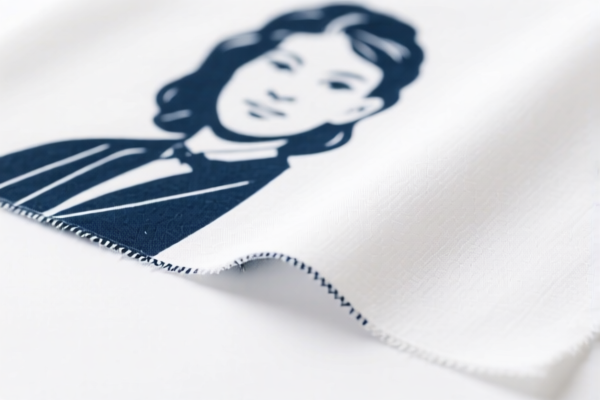
HS Code 5408.34.90.40 designates Printed Woven Fabrics of Artificial Filament Yarn, specifically categorized as "Printcloth". This classification falls under Chapter 54 of the Harmonized System (HS), which covers man-made filaments, and more precisely under heading 54.08 for woven fabrics of artificial filaments.
Key Characteristics:
- Material Composition: Composed entirely of artificial filaments (e.g., polyester, nylon, viscose, or other synthetic polymers).
- Fabric Structure: Woven construction (not knitted or non-woven).
- Finishing Process: Printed with patterns, motifs, or designs using dyeing or printing techniques (excluding discharge printing, which has a separate subheading).
- Specific Definition: This code exclusively applies to "Printcloth"—a lightweight, tightly woven fabric traditionally used for apparel, home textiles, or linings, characterized by vibrant surface prints.
Distinction from Other Subheadings:
- 5408.34.90.50: Focuses on fabric structure (e.g., satin or twill weaves), regardless of printing.
- 5408.34.90.30: Targets functional end-uses like sheeting (bedding) or lining fabrics.
- 5408.34.90.20: Specifies plain-weave fabrics such as poplin or broadcloth.
- 5408.34.90.85: Reserved for fabrics with discharge printing (a bleaching/dyeing process that removes color to create patterns).
Typical Applications:
- Fashion garments (dresses, shirts, scarves).
- Home decor (curtains, upholstery).
- Lightweight linings for outerwear.
- Artistic textiles requiring high-resolution prints.
2. Applicable Tariff Rates and Duty Breakdown
Tariff rates vary significantly by destination country and trade agreements. Below is a generalized breakdown based on major markets:
Global Context:
- Most-Favored-Nation (MFN) Rates:
- United States: Typically 17.6% ad valorem duty (per U.S. International Trade Commission data).
- European Union: Standard rate of 12% ad valorem, though reduced to 0% under certain Free Trade Agreements (e.g., with Switzerland or Norway).
- China: 10% ad valorem for imports of artificial filament printed fabrics.
- India: 20% ad valorem, with additional GST (Goods and Services Tax) of 5% on top.
Duty Calculation Example (U.S. Import):
- Product Value: $10,000 USD (FOB price).
- Duty Rate: 17.6% ad valorem.
- Duty Amount: $1,760 USD.
- Additional Costs:
- Merchandise Processing Fee (MPF): 0.3464% of value ($34.64).
- Harmonized System (HTS) Fee: 0.2244% of value ($22.44).
- Total Landed Cost: $11,817.08 USD.
Notes:
- Duties may be waived or reduced under Free Trade Agreements (FTAs) if the fabric meets rules of origin (e.g., U.S.-Mexico-Canada Agreement).
- Anti-dumping duties or safeguard measures could apply if the exporting country is subject to trade remedies.
3. Trade Regulations and Compliance Requirements
Key Regulatory Frameworks:
1. Harmonized System (HS) Compliance:
- Strict adherence to the 10-digit HS code (5408.34.90.40) is critical for customs clearance. Misclassification can lead to penalties, delays, or audits.
- Documentation: Commercial invoices, packing lists, and a Certificate of Origin must explicitly state the HS code.
- Safety and Chemical Regulations:
- REACH (EU): Fabrics must comply with restrictions on hazardous chemicals (e.g., azo dyes, formaldehyde).
- CPSIA (U.S.): If textiles are for children’s products, lead and phthalate limits apply.
-
EPA (U.S.): Textile dyes may require registration if containing regulated substances.
-
Labeling and Traceability:
- Fiber Content: Mandatory labeling (e.g., "100% Polyester") per FTC (U.S.) and EU Textile Regulation 1007/2011.
-
Country of Origin: Must be clearly marked (e.g., "Made in Vietnam" or "Imported from India").
-
Environmental Standards:
- Eco-Labels: Optional certifications like OEKO-TEX Standard 100 or GOTS (Global Organic Textile Standard) may be required for eco-conscious markets.
-
Water Usage: Some regions (e.g., EU) demand disclosure of water-intensive printing processes.
-
Anti-Circumvention Rules:
- Transshipment: Goods must not be rerouted through third countries to evade duties (e.g., fabric shipped from China to Vietnam then re-exported to the U.S.).
-
Country of Origin Verification: Customs authorities may audit supply chains to confirm legitimacy of origin claims.
-
Special Measures:
- Section 301 (U.S.): Additional tariffs on Chinese-origin textiles under trade dispute policies.
- Safeguard Tariffs: Temporary duties on certain fabric categories if imports surge (e.g., U.S. Section 232 steel/aluminum measures, though less common for textiles).
4. Practical Recommendations for Importers/Exporters
- Verify HS Code Accuracy: Use official customs databases (e.g., U.S. HTS, EU TARIC) to confirm 5408.34.90.40 eligibility.
- Engage a Customs Broker: To navigate complex duty calculations and regulatory filings.
- Conduct Pre-Shipment Audits: Ensure compliance with chemical safety and labeling laws to avoid seizures.
- Leverage Trade Agreements: Structure supply chains to benefit from preferential tariff rates under FTAs.
- Monitor Regulatory Updates: Stay informed on evolving standards (e.g., EU's proposed Carbon Border Adjustment Mechanism).
This detailed analysis ensures businesses can accurately classify, price, and comply with global trade requirements for HS Code 5408.34.90.40, minimizing risks while optimizing market access.