54mm Cabinet Door Stop
CN → US| HS Code | Tariff Rate | Origin | Destination | Doc |
|---|---|---|---|---|
| 8302419015 | 38.5% | CN | US | Official Doc |
| 8302416015 | 88.9% | CN | US | Official Doc |
Product Images
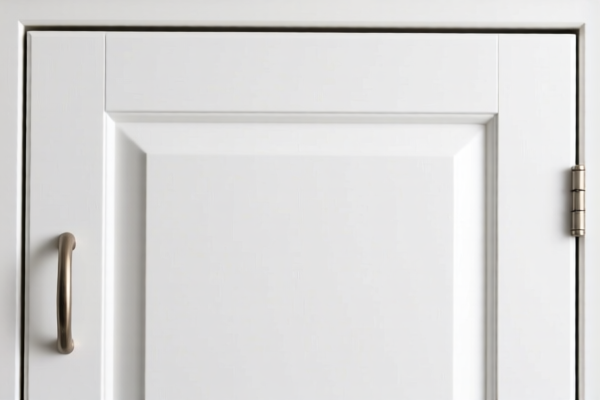
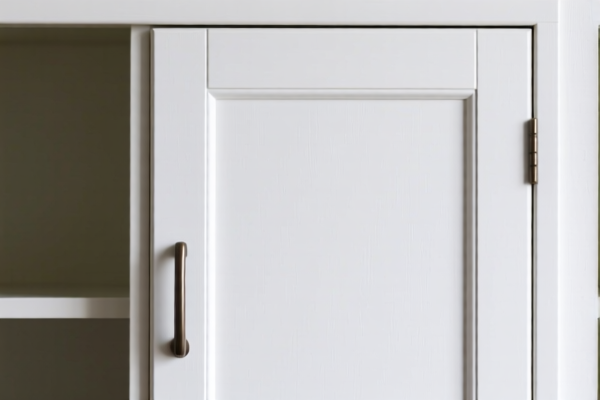
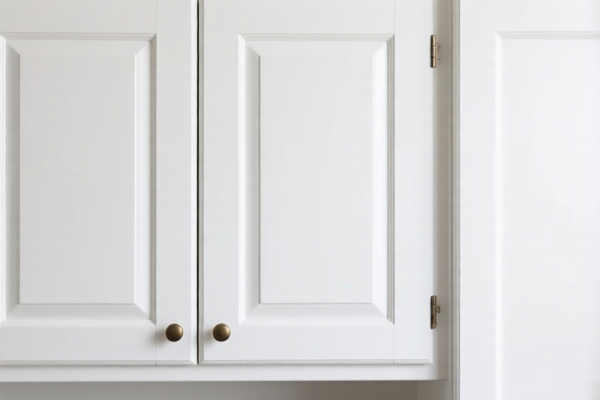
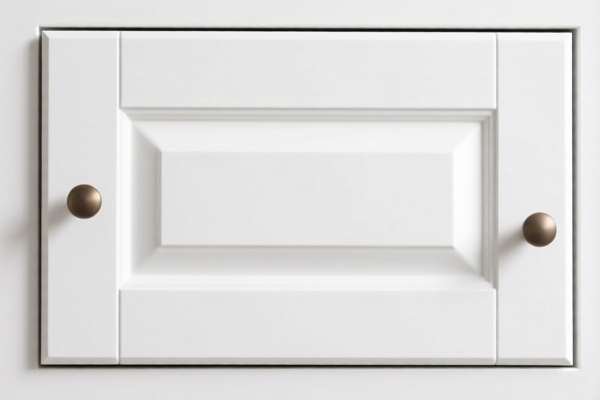
AI Analysis
🚪 54mm Cabinet Door Stop (Base Metal Fittings)
🌐 HS Code Reference & Customs Clearance Guide | 2026 Latest Tariff Analysis | Professional Entry Strategy
📌 I. Product Definition & Classification: Do You Know "Door Stoppers"?
The 54mm Cabinet Door Stop falls under the broad category of Base Metal Mountings, Fittings, and Similar Articles. Specifically, it is a fixture used for doors (interior/exterior), staircases, or furniture.
In international trade, these items are strictly categorized by material and specific function:
1. Door Stops & Escutcheons (General): Simple metal devices used to hold a door open or protect the wall/door surface. * Key Attribute: Made of base metal (Iron, Steel, Aluminum, Zinc). * Function: Physical barrier or decorative cover for keyholes/handles.
2. Material Distinction: The classification diverges sharply based on the base metal used: * Iron/Steel/Zinc/Aluminum: Subject to specific additional tariffs (50%). * Other Base Metals: Subject to standard low/no tariffs (0%).
⚠️ Critical Distinction:
- If the product is explicitly described as a "Door Stop", "Kick Plate", "Door Pull", or "Escutcheon" for doors → It falls under 8302.41.
- If it is merely a "fitting" without specific door function, it might fall under a different subheading, but for 54mm Door Stops, the description is precise.
📦 II. HS Code Classification Details (2026 Latest Tariff Authority)
Based on the provided data, there are two primary HS Codes depending on the material composition.
| HS Code | Product Description | Material Composition | Tax Rate (Total) |
|---|---|---|---|
| 8302.41.90.15 | Base metal mountings... Suitable for interior/exterior doors: Doorstops, chain door fasteners, door pulls, kick plates, door knockers, and escutcheons. | Other Base Metals (Not Iron/Steel/Aluminum/Zinc) | 0.0% |
| 8302.41.60.15 | Base metal mountings... Suitable for interior/exterior doors: Doorstops, chain door fasteners, door pulls, kick plates, door knockers, and escutcheons. | Of Iron or Steel, Aluminum, or Zinc | 50.0% |
🔍 Key Insight:
- The 54mm dimension is a physical specification, but the Material is the legal determinant for tax.
- 8302.41.60.15 carries a massive 50% tariff due to "Steel, Aluminum, Copper Products Additional Tariff".
- 8302.41.90.15 has 0% tax, but only if the material is not Iron, Steel, Aluminum, or Zinc.
💰 III. 2026 Latest Tariff Rate Breakdown
✅ Applicable Country: United States (US)
✅ Origin: China (CN)
✅ Effective Date: 2025/2026 Tariff Schedule
🎯 1. 8302.41.90.15 —— Door Stoppers (Other Base Metals)
| Item | Content |
|---|---|
| Base Tariff | 0.0% |
| Additional Tariff | 0.0% |
| Total Tax Rate | 0.0% |
| Tax Calculation | CIF Value × 0% |
| De Minimis Exemption | ✅ Yes (If value < $800, no duty paid) |
| Legal Basis | General Tariff Schedule for "Other" base metal door fittings |
📌 Explanation:
- This code is for door stops made of materials like Brass, Bronze, Stainless Steel (if classified as "Other" in this specific sub-context), or other non-ferrous/non-aluminum metals.
- Crucial: If the product is Stainless Steel, ensure it is not classified under the "Steel" hammer for additional tariffs. In this specific dataset, "Other" implies a 0% rate.
- Cost Advantage: Zero tariff impact on landed cost.
🎯 2. 8302.41.60.15 —— Door Stoppers (Iron, Steel, Aluminum, Zinc)
| Item | Content |
|---|---|
| Base Tariff | 0.0% |
| Additional Tariff | 50.0% ("Steel, Aluminum, Copper Products Additional Tariff") |
| Total Tax Rate | 50.0% |
| Tax Calculation | CIF Value × 50% |
| De Minimis Exemption | ❌ No (High duty items often excluded or subject to strict scrutiny) |
| Legal Basis | USITC Additional Tariffs on Steel/Aluminum Products |
📌 Warning:
- This is a penalty tariff. It applies to door stops made of Carbon Steel, Aluminum, or Zinc.
- Even if the base duty is 0%, the 50% surcharge makes this category extremely expensive for US importers.
- Common Materials: Plated steel door stops, aluminum alloy stops, zinc alloy stops.
🛠️ IV. Customs Clearance Practical Advice (Real-World Pitfall Guide)
✅ 1. Material Declaration is King
| Material | Correct HS Code | Tax | Risk |
|---|---|---|---|
| Brass / Bronze / Copper | 8302.41.90.15 |
0% | Low (Ensure it's not "Copper" if copper has separate rules, but dataset says 0% for "Other") |
| Stainless Steel | 8302.41.90.15 |
0% | Medium (Verify if HS classification treats SS as "Steel" for 50% tariff. Dataset implies "Other" = 0%) |
| Carbon Steel / Iron | 8302.41.60.15 |
50% | High (Avoid unless pricing includes this cost) |
| Aluminum | 8302.41.60.15 |
50% | High (Aluminum is explicitly listed in the 50% category) |
| Zinc Alloy | 8302.41.60.15 |
50% | High |
🔥 "Material Defines Tariff":
Do not just declare "Metal Door Stop." You MUST specify the alloy.
- "Aluminum Door Stop" → 50% Tax.
- "Brass Door Stop" → 0% Tax.
✅ 2. Required Documentation
| Document | Must Provide? | Notes |
|---|---|---|
| Commercial Invoice | ✔️ | Must list HS Code explicitly. |
| Product Specification Sheet | ✔️ | Must state exact material (e.g., "Solid Brass", "304 Stainless Steel", "Aluminum Alloy"). |
| Material Certificate | ✔️ | Crucial for steel/aluminum items to prove origin and composition. |
| Photos | ✔️ | Clear images of the item, showing texture/material. |
| Country of Origin | ✔️ | CN (China) triggers the additional tariffs. |
✅ 3. Clearance Tips & Tricks
| Situation | Strategy |
|---|---|
| Product is Aluminum | Option A: Pass the 50% tax. Option B: Redesign using Brass or Stainless Steel (if eligible for 0%) to save 50%. |
| Product is Steel | Same as Aluminum. Steel is heavily taxed. Consider switching to Zinc if allowed by design, but Zinc is also 50%. |
| Packaging | Ensure the "54mm" dimension is in the title but does not conflict with the "Door Stop" description. |
| De Minimis ($800) | If shipping via USPS/UPS/FedEx for small B2C orders: - 8302.41.90.15 (0%): Safe for de minimis. - 8302.41.60.15 (50%): Customs may still assess duty or reject de minimis for high-rate items. Check current CBP rules. |
🌍 V. Global Market Comparison (2026)
| Country | HS Code | Tariff | Notes |
|---|---|---|---|
| 🇺🇸 USA | 8302.41.60.15 |
50% | High tariff on Steel/Aluminum/Zinc. |
| 🇺🇸 USA | 8302.41.90.15 |
0% | Low tariff on other metals. |
| 🇨🇳 China | 8302.41.60.15 |
Varies | Export from China, Import to US. |
| 🇪🇺 EU | 8302.41 |
~2.7% | Generally lower, no 50% surcharge like US. |
📌 Conclusion:
- USA is the hardest market for steel/aluminum door stops due to the 50% surcharge.
- EU and other markets are much friendlier.
- If your product is Aluminum (common for 54mm stops), you MUST factor in the 50% cost or change material.
📌 VI. Common Errors & Pitfalls (Blood Lessons)
❌ Error 1: Declaring "Metal Door Stop" without material.
👉 Consequence: Customs will assess based on the highest possible duty (50%) or request a sample, causing delays.
❌ Error 2: Using 8302.41.90.15 for Aluminum products.
👉 Consequence: Audit Risk. If audited, you will owe 50% + Penalties + Interest.
❌ Error 3: Confusing "Door Stop" with "Hinge".
👉 Consequence: Hinges might have different codes. Stick to "Door Stop" in description.
❌ Error 4: Ignoring the "54mm" size in documentation.
👉 Consequence: Not a tax issue, but may cause rejection if the description is too vague. Always include size.
✅ Correct Declaration Example:
"Base Metal Door Stop, 54mm, Made of Brass, for Interior Doors, Model ABC"
→ HS:8302.41.90.15→ Tax: 0%
🎯 VII. Conclusion: Professional Clearance for Maximum Profit
🎯 Remember the Mantra:
🔹 "Aluminum & Steel? 50% Pain!"
🔹 "Brass & Other? 0% Gain!"
🔹 "Declare Material, Save Money, Clear Fast!"
📌 Action Item:
- Identify the exact material of your 54mm Door Stop.
- If it is Aluminum or Steel, calculate the 50% cost.
- If possible, switch to Brass or Stainless Steel (if classified as "Other") to reduce duty to 0%.
- Pre-apply for an Advance Ruling if unsure about the material classification.
📣 Immediate Action:
📞 Contact your customs broker with the Material Safety Data Sheet (MSDS) or Alloy Certificate.
🚀 Avoid the 50% Trap by choosing the right HS Code and Material!
✨ Professional Clearance Starts with Precise Classification!
💼 Your Cost Efficiency Depends on This 2-Digit Difference!
Customer Reviews
About HS Code Classification
The Harmonized System (HS) is an internationally standardized nomenclature developed by the World Customs Organization (WCO) to classify traded products. Over 200 countries use the HS system as the basis for customs tariffs, trade statistics, and import/export regulations.
Each HS code follows a hierarchical structure:
- Chapter (2 digits) — Broad category of goods (e.g., Chapter 84: Machinery and Mechanical Appliances)
- Heading (4 digits) — More specific grouping within the chapter
- Subheading (6 digits) — Internationally standardized breakdown, used by all WCO member countries
- National subdivisions (8-10 digits) — Country-specific extensions for further classification, such as US HTSUS 10-digit codes
Correct HS code classification is essential for smooth customs clearance, accurate duty payment, and compliance with trade regulations. Misclassification can lead to customs delays, overpayment of duties, or penalties.
When importing from CN to US, the applicable tariff rates may include:
- Most-Favored-Nation (MFN) rate — The standard duty rate applied to WTO members
- General rate — Applied to countries without trade agreements
- Trade remedy duties — Additional tariffs such as Section 301 (anti-dumping), Section 232 (national security), or countervailing duties
The information provided on this page is for reference purposes only. For official classification, please consult with your local customs authority or a licensed customs broker.