5V Active Splitter Device
CN → US| HS Code | Tariff Rate | Origin | Destination | Doc |
|---|---|---|---|---|
| 8543709860 | 37.6% | CN | US | Official Doc |
| 8541590080 | 60.0% | CN | US | Official Doc |
| 8541510000 | 60.0% | CN | US | Official Doc |
| 8543706000 | 35.0% | CN | US | Official Doc |
Product Images
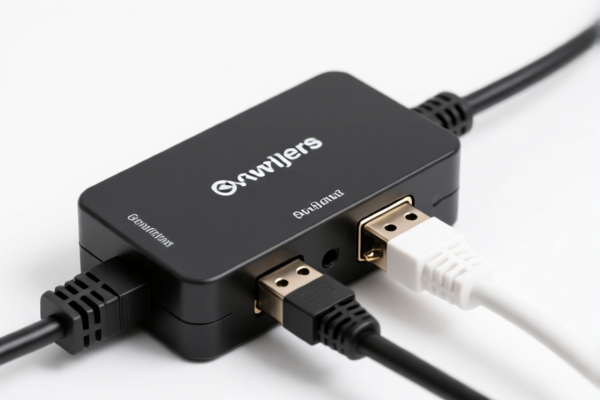
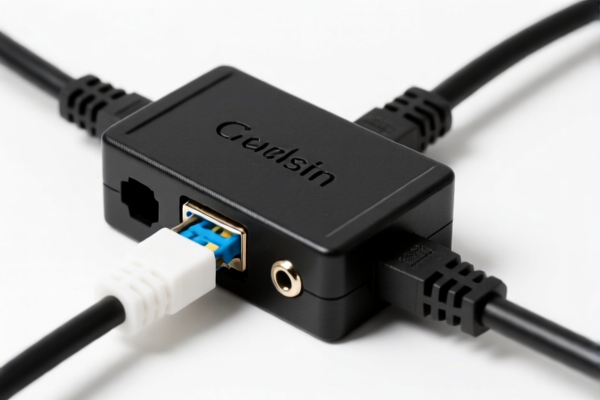
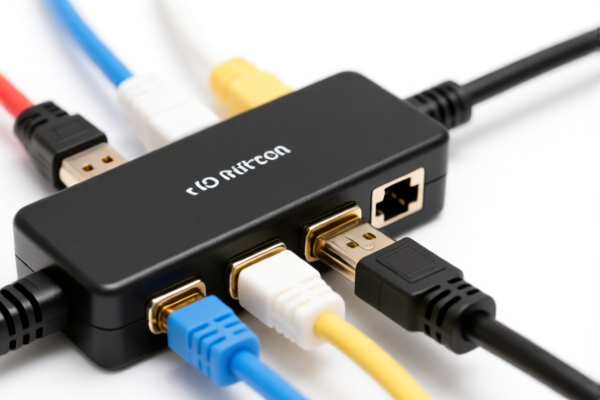
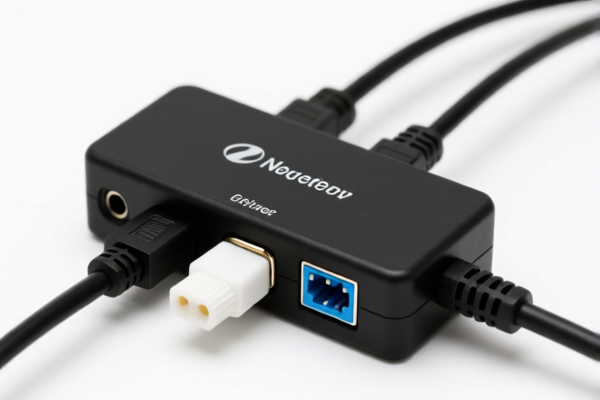
AI Analysis
⚡ 5V Active Splitter Device: HS Code Classification & Customs Clearance Guide
🌐 HS Code Reference & Customs Clearance Strategy | 2026 Latest Tariff Analysis | Professional Clearance Guide
📌 I. Product Definition: What is a "5V Active Splitter"?
A "5V Active Splitter Device" is an electronic component that receives a single input signal/power and distributes it to multiple outputs using active circuitry (amplifiers, buffers, or switching logic). The "Active" designation implies it requires external power (here, 5V) and performs signal conditioning or isolation, distinguishing it from passive splitters.
In international trade, this product sits at the intersection of semiconductors, signal processing devices, and electrical machinery. Its classification depends heavily on whether it is viewed as a raw component, a specialized semiconductor, or a general-purpose electronic apparatus.
⚠️ Key Distinction:
- If it is a discrete chip/component → HS 8541 (Semiconductors)
- If it is a complete module/device with specific function → HS 8543 (Electrical Machines/Apparatus)
📦 II. HS Code Classification Details (2026 Latest Tariff Authority)
Based on the provided data, there are four potential classifications. Below is the detailed breakdown of why each HS Code applies and its corresponding tax implication.
| HS Code | Product Description | Reason for Classification | Total Tax Rate |
|---|---|---|---|
| 8543.70.98.60 | Other Machines & Apparatus | Viewed as an independent electronic device with specific functionality. "Active Device" fits the "Other" category under Chapter 85. | 37.6% |
| 8541.59.00.80 | Other Semiconductor Devices | Inferred as a semiconductor component. The function is treated as a generic electronic device based on semiconductor material properties. | 60.0% |
| 8541.51.00.00 | Semiconductor Transducers | Inferred as an electronic equipment falling under semiconductor devices. No conflict identified with semiconductor transducer categories. | 60.0% |
| 8543.70.60.00 | Signal Distribution Apparatus | Specifically designed to connect to a network or device for signal distribution. Fits the definition of apparatus designed for connection to networks/devices. | 35.0% |
🔍 Critical Insight:
- 8543.70.60.00 offers the lowest tax rate (35.0%) if the device is primarily used for signal distribution within a network/device context.
- 8543.70.98.60 is the "catch-all" for other active electronic devices (37.6%).
- HS 8541 codes (60.0%) are significantly higher due to stricter semiconductor tariffs. Avoid these unless the item is a bare semiconductor chip without housing or circuit board integration.
💰 III. 2026 Latest Tariff Rate Breakdown (Including Surcharges & Policy Add-ons)
✅ Applicable Country: United States (US)
✅ Origin: China (CN)
✅ Effective Date: Post-November 2025 (Current Tariff Structure)
🎯 1. HS Code: 8543.70.60.00 — Signal Distribution Apparatus (Lowest Tax)
| Item | Detail |
|---|---|
| Base Tariff | 0.0% |
| Section 301 Surcharge | +25.0% (USITC Footnote) |
| Section 122 Tariff | +10.0% (Specific to certain Chinese electronic goods) |
| Total Tax Rate | 35.0% |
| Tax Calculation | CIF Value × 35.0% |
| De Minimis Exemption | ❌ Not Applicable (High-value electronic goods are excluded) |
| Legal Basis Path | USITC:8543.70.60.00 → SECTION301:8543 → SECTION122:8543 |
📌 Explanation:
- The 0% base rate makes this the most attractive option for importers.
- The 35% total rate is composed entirely of surcharges.
- This classification assumes the device is recognized as a "network connection apparatus" rather than a generic component.
🎯 2. HS Code: 8543.70.98.60 — Other Machines & Apparatus
| Item | Detail |
|---|---|
| Base Tariff | 2.6% |
| Section 301 Surcharge | +25.0% |
| Section 122 Tariff | +10.0% |
| Total Tax Rate | 37.6% |
| Tax Calculation | CIF Value × 37.6% |
| De Minimis Exemption | ❌ Not Applicable |
| Legal Basis Path | USITC:8543.70.98.60 → SECTION301:8543 → SECTION122:8543 |
📌 Explanation:
- This is the default "catch-all" for active electronic devices not specifically listed elsewhere.
- It incurs the 2.6% base duty on top of surcharges, making it 2.6% more expensive than 8543.70.60.00.
🎯 3. & 4. HS Codes: 8541.59.00.80 & 8541.51.00.00 — Semiconductor Devices
| Item | Detail |
|---|---|
| Base Tariff | 0.0% |
| Section 301 Surcharge | +50.0% (Higher rate for semiconductors) |
| Section 122 Tariff | +10.0% |
| Total Tax Rate | 60.0% |
| Tax Calculation | CIF Value × 60.0% |
| De Minimis Exemption | ❌ Not Applicable |
| Legal Basis Path | USITC:8541.59.00.80 / 8541.51.00.00 → SECTION301:8541 → SECTION122:8541 |
⚠️ Warning:
- Classifying this device as a semiconductor results in the highest tax burden (60%).
- The 50% Section 301 surcharge for semiconductors is significantly higher than the 25% for other electrical machines.
- Only use this classification if the product is a bare semiconductor chip with no housing, circuit board, or external connectors. If it is a "device" or "module," this classification is likely incorrect and risks penalties.
🛠️ IV. Customs Clearance Practical Advice (Avoiding Pitfalls)
✅ 1. Recommended Classification Strategy
| Priority | HS Code | Tax Rate | Recommendation |
|---|---|---|---|
| 🥇 Best Option | 8543.70.60.00 | 35.0% | Use if the device is explicitly for signal distribution to networks/devices. Provide technical manuals highlighting this function. |
| 🥈 Safe Option | 8543.70.98.60 | 37.6% | Use if the device has general-purpose functionality and doesn't fit neatly into "signal distribution." |
| 🚫 Avoid | 8541.59.00.80 / 8541.51.00.00 | 60.0% | Only use if the item is a bare semiconductor. Misclassification can lead to audits and back-taxes. |
🔥 Pro Tip:
"Function Over Form": Emphasize the active signal distribution function in your commercial invoice and product description to support HS 8543.70.60.00.
✅ 2. Required Documentation for Clearance
| Document | Purpose | Key Details to Include |
|---|---|---|
| Technical Specification Sheet | Prove Function | Highlight "5V Active," "Signal Splitter," "Output Ports," and "Input-Output Relationship." |
| Circuit Diagram/Block Diagram | Prove "Active" Nature | Show that it uses power (5V) and amplification/buffering, distinguishing it from passive splitters. |
| Commercial Invoice | Value & Description | Describe as: "Active Signal Splitter Device, 5V Powered, for Network/Device Connection." |
| Product Photos | Visual Verification | Show ports (input/output), power connector, and label with model number. |
| Declaration of Origin | Tariff Eligibility | Confirm China origin to calculate correct Section 301/122 tariffs. |
✅ 3. Common Mistakes to Avoid
❌ Mistake 1: Calling it a "Cable" or "Passive Splitter"
👉 Consequence: If classified as passive, it might fall under HS 8544 (wires/cables) with different rates, but customs may reject this if "Active" is evident.
✅ Fix: Clearly state "Active" and "5V Powered" in the description.
❌ Mistake 2: Classifying as a Semiconductor (HS 8541)
👉 Consequence: 60% tax rate. High risk of audit if the item has a housing or connector.
✅ Fix: Unless it’s a bare chip, use HS 8543 (Machines/Apparatus).
❌ Mistake 3: Ignoring Section 122 Tariff
👉 Consequence: Underpayment of 10% surcharge.
✅ Fix: Ensure all HS codes in the 8543/8541 range are tagged with the 10% Section 122 surcharge.
🌍 V. Global Market Comparison (2026)
| Market | Recommended HS Code | Total Tax (China Origin) | Notes |
|---|---|---|---|
| 🇺🇸 USA | 8543.70.60.00 | 35.0% | Includes 25% Sec 301 + 10% Sec 122. |
| 🇺🇸 USA | If misclassified as Semiconductor | 60.0%* | Avoid this! |
| 🇪🇺 EU | 8543.70.99 | ~2.0% - 4.0% | No Section 301/122 surcharges. |
| 🇨🇳 China | 8543.70.99 | 0% - 5% | Low import duty for components. |
📌 Conclusion:
- The US market is the most challenging due to high surcharges.
- Accurate classification is critical to save 25% in taxes (35% vs 60%).
- Pre-clearance ruling is recommended to secure HS 8543.70.60.00 status.
📌 VI. Final Checklist for Importers
- Define Function: Is it primarily for signal distribution? → HS 8543.70.60.00
- Check "Active" Status: Does it require 5V power? → Yes → HS 8543 (Not passive cables).
- Verify Physical Form: Is it a bare chip? → No → Avoid HS 8541.
- Calculate Cost:
- Best Case: CIF × 35%
- Worst Case: CIF × 60%
- Savings: 25% of CIF value by choosing the correct HS Code.
🎯 VII. Conclusion: Precision Drives Profitability
🎯 Key Takeaway:
"Active" devices are NOT semiconductors. They are electrical machines/apparatus.
By classifying your 5V Active Splitter under 8543.70.60.00, you reduce your tariff burden from 60% to 35% — a 25% saving on your landed cost.
✅ Action Plan:
- Update product descriptions to emphasize "Signal Distribution" and "5V Active" function.
- Apply for an Advance Ruling from US Customs (CBP) to confirm HS 8543.70.60.00.
- Ensure commercial invoices clearly state the model number and technical specs to support the classification.
📣 Need Help?
📞 Contact a licensed customs broker to file a CBP Advance Ruling.
🚀 Don’t let classification errors cost you 25% of your profit!
✨ Smart Classification. Lower Taxes. Faster Clearance.
💼 Your Bottom Line Matters.
Customer Reviews
About HS Code Classification
The Harmonized System (HS) is an internationally standardized nomenclature developed by the World Customs Organization (WCO) to classify traded products. Over 200 countries use the HS system as the basis for customs tariffs, trade statistics, and import/export regulations.
Each HS code follows a hierarchical structure:
- Chapter (2 digits) — Broad category of goods (e.g., Chapter 84: Machinery and Mechanical Appliances)
- Heading (4 digits) — More specific grouping within the chapter
- Subheading (6 digits) — Internationally standardized breakdown, used by all WCO member countries
- National subdivisions (8-10 digits) — Country-specific extensions for further classification, such as US HTSUS 10-digit codes
Correct HS code classification is essential for smooth customs clearance, accurate duty payment, and compliance with trade regulations. Misclassification can lead to customs delays, overpayment of duties, or penalties.
When importing from CN to US, the applicable tariff rates may include:
- Most-Favored-Nation (MFN) rate — The standard duty rate applied to WTO members
- General rate — Applied to countries without trade agreements
- Trade remedy duties — Additional tariffs such as Section 301 (anti-dumping), Section 232 (national security), or countervailing duties
The information provided on this page is for reference purposes only. For official classification, please consult with your local customs authority or a licensed customs broker.