5kg Bagged Superphosphate
CN → US| HS Code | Tariff Rate | Origin | Destination | Doc |
|---|---|---|---|---|
| 3105400050 | 35.0% | CN | US | Official Doc |
| 3105590000 | 35.0% | CN | US | Official Doc |
| 2809200010 | 35.0% | CN | US | Official Doc |
| 2809200020 | 35.0% | CN | US | Official Doc |
| 3103110000 | 35.0% | CN | US | Official Doc |
Product Images
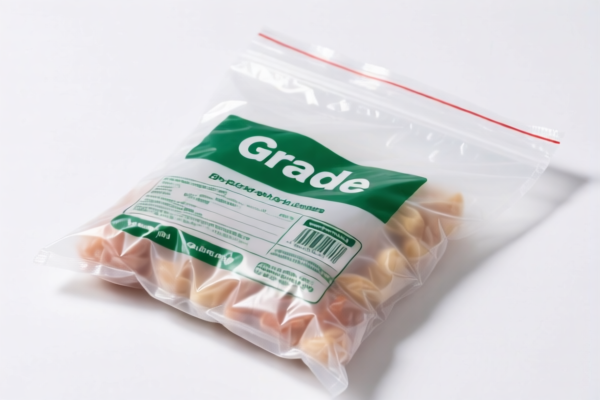
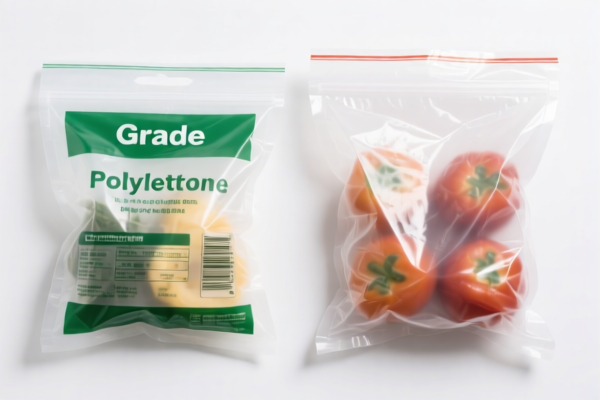
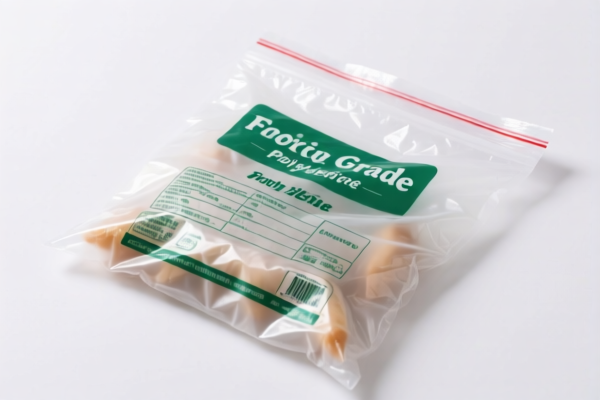
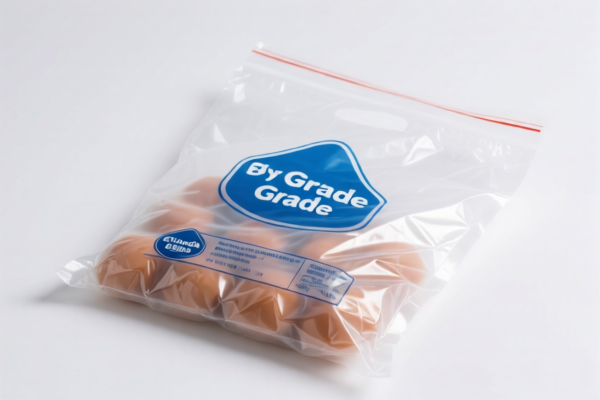
AI Analysis
🚜 Fertilizers: 5kg Bagged Superphosphate
🌐 HS Code Reference & Clearance Guide | 2026 Latest Tariff Analysis | Professional Customs Strategy
📌 I. Product Definition & Classification: What Exactly is "Superphosphate"?
Superphosphate fertilizers are critical sources of phosphorus and sulfur for agricultural applications. In international trade, they are strictly categorized based on their chemical composition (Simple vs. Triple) and their classification as Mineral/Chemical Fertilizers (Chapter 31) versus Inorganic Chemicals (Chapter 28).
For 5kg bagged products, the physical form is "finished goods" or "retail packaging," which significantly impacts the HS Code selection and, consequently, the tariff liability.
⚠️ Key Distinction:
- If the product is classified as a Fertilizer (Chapter 31), it is generally for agricultural use.
- If classified as a Chemical Compound (Chapter 28), it may be considered an industrial raw material or fertilizer-grade chemical, often attracting similar but distinct regulatory scrutiny.
- Packaging Weight: The 5kg packaging confirms it is a "finished product" ready for sale, not bulk industrial raw material.
📦 II. HS Code Classification Details (2026 Latest Tariff Authority Comparison)
Based on the provided data, here are the five possible HS Codes for "5kg Bagged Superphosphate," categorized by their logical basis.
| HS Code | Product Description | Logical Basis for Classification | Tax Category |
|---|---|---|---|
3105.40.00.50 |
Triple Superphosphate (TSP) / Compound Fertilizer | Classified under "Mineral or Chemical Fertilizers, Nitrogenous, Containing Phosphorus" (Headnote 3105). Specifically notes "other varieties" with weight limits ≤10kg. | Fertilizer (Ch 31) |
3105.59.00.00 |
Tricalcium Phosphate Fertilizer | Classified under "Mineral or Chemical Fertilizers, Nitrogenous, Containing Phosphorus." Matches material (phosphorus-containing) and usage (fertilizer) exactly. | Fertilizer (Ch 31) |
2809.20.00.10 |
Superphosphate (Chemical Grade) | Classified under "Diphosphorus Pentoxide, Superoxides, and Other Oxides." Viewed as a "Fertilizer-grade Phosphoric Acid Derivative." | Chemical (Ch 28) |
2809.20.00.20 |
Superphosphate (Phosphate Salt) | Classified under "Phosphates, Polyphosphates, and Orthophosphates." Fits the chemical material category of phosphate salts, inferred as fertilizer-grade. | Chemical (Ch 28) |
3103.11.00.00 |
Simple Superphosphate (SSP) | Classified under "Mineral or Chemical Fertilizers, Phosphatic." Specifically for "Simple Superphosphate" with high phosphorus content in 5kg packaging. | Fertilizer (Ch 31) |
🔍 Critical Note:
- Chapter 31 (3105.x, 3103.x): Focuses on the application (Fertilizer).
- Chapter 28 (2809.x): Focuses on the chemical identity (Phosphate salts).
- Why the split? Customs may classify based on whether the importer declares it primarily as a "fertilizer product" (Ch 31) or a "chemical intermediate/ingredient" (Ch 28). For 5kg retail bags, Ch 31 is more common, but Ch 28 codes are often used if the product is sold to industrial blenders.
💰 III. 2026 Latest Tariff Rate Breakdown (Including Additional Duties & Policy Surcharges)
✅ Applicable Country: United States (US)
✅ Country of Origin: China (CN)
✅ Effective Date: From November 10, 2025 (Including subsequent imports)
🎯 1. General Tax Rate for All Listed HS Codes
| Item | Content |
|---|---|
| Base Tariff Rate | 0.0% (ad valorem) |
| Section 301 Additional Tariff | +25.0% (USITC Footnote for Chinese Origin Goods) |
| Section 122 Tariff (IEEPA) | +10.0% (Targeting specific Chinese chemical/fertilizer categories under Emergency Economic Powers) |
| Total Effective Tax Rate | 35.0% |
| Tax Calculation | CIF Value × 35% |
| De Minimis Exemption Available? | ❌ No (deny_de_minimis). Goods valued over $800 are subject to full duty. |
| Legal Basis Path | Section 301: USITC → Section 122: IEEPA → HS Code → Total 35% |
📌 Explanation:
- Base Rate 0%: Standard MFN (Most Favored Nation) rate for these fertilizer/chemical categories is often 0%.
- 301 Tariff (25%): The standard additional tariff on nearly all Chinese goods since 2018.
- Section 122 Tariff (10%): A newer/updated surcharge specifically targeting chemical inputs and fertilizers under Section 232 or IEEPA powers, adding another 10%.
- Total 35%: This is a high-cost entry barrier. Do not underestimate this combined rate.
🛠️ IV. Customs Clearance Practical Advice (Battle-Tested Pitfall Guide)
✅ 1. Required Documentation Checklist (Non-Negotiable)
| Document | Mandatory? | Description |
|---|---|---|
| ✅ Product Spec Sheet | ✔️ | Must detail: Chemical composition (P2O5 content), physical form (powder/granules), packaging type. |
| ✅ Safety Data Sheet (SDS) | ✔️ | Crucial for customs and DHS (Department of Homeland Security) to verify it is not hazardous. |
| ✅ Commercial Invoice | ✔️ | Must clearly state: "Fertilizer: Superphosphate," HS Code, Country of Origin (China), and CIF Value. |
| ✅ Packing List | ✔️ | Must confirm net weight vs. gross weight (5kg bag format). |
| ✅ Fertilizer Registration/Label | ✔️ | If sold directly to end-users, ensure labels comply with EPA/State regulations (not just customs). |
| ✅ Certificate of Origin | ✔️ | Mandatory for claiming origin status under USMCA (not applicable for China) or simply to confirm CN origin for tariffs. |
✅ 2. Declaration Strategy (Key Mantra)
🔥 “Declare as Fertilizer, Not Chemical Powder. Be Precise or Pay the Price!”
| Scenario | Correct Declaration | Wrong Practice | Consequence |
|---|---|---|---|
| Retail 5kg Bag | 3105.40.00.50 or 3103.11.00.00 |
Misdeclare as "Raw Chemical" (2809.x) |
Risk of audit for misclassification; may still face 35% but with higher scrutiny. |
| Bulk vs. Packaged | Specify "5kg Bags" | Declare as "Bulk Granules" | Mismatch in quantity/weight declaration → Penalty + Delay. |
| Chemical Composition | State "Contains Phosphorus, pH Level" | Vague description "Agrochemical" | Customs cannot verify HS Code → HOLD. |
| Section 122 Target | Confirm it is not a prohibited entity | Assume "Fertilizer" is exempt | It is not exempt. Section 122 applies. |
✅ 3. Special Situation Handling
| Situation | Handling Advice |
|---|---|
| TSP vs. SSP Confusion | Triple (TSP) is often 3105.x, Simple (SSP) is 3103.x. Check P2O5 solubility. TSP is more concentrated. Misclassification here changes the legal description but not the 35% tax. |
| Industrial Blenders | If selling to a factory to mix their own fertilizer, some importers try 2809.20.00.xx. Warning: Customs may still view it as a fertilizer input and apply Ch 31 logic. Stick to Ch 31 for clarity. |
| EPA Regulation | While Customs handles HS/Tariffs, the EPA handles registration. Ensure the product is registered with the EPA before import, or it will be seized. |
| Anti-Dumping Duties | Check if specific superphosphate lines are subject to AD/CVD. (Currently, most general superphosphates are not, but verify). |
🌍 V. Global Market Clearance Comparison (2026 Latest)
| Country/Region | Recommended HS Code | Tariff (China Origin) | Key Certification | Note |
|---|---|---|---|---|
| 🇺🇸 USA | 3105.40.00.50 / 3103.11.00.00 |
35% (Base 0% + 301 25% + 122 10%) | EPA Registration | High Tax Barrier. Strict on chemical labeling. |
| 🇨🇳 China | 3105.40.00.50 |
~5-10% | None | Import duty is low; focus is on domestic export restrictions. |
| 🇪🇺 EU | 3105.40 / 3103.11 |
0% (Most Cases) | REACH Registration | REACH is the main hurdle, not tariff. |
| 🇧🇷 Brazil | 3105.40 |
Variable (~10-15%) | MAPA Registration | Brazil has high internal taxes (ICMS). |
| 🇦🇺 Australia | 3105.40 |
5% | APVMA Registration | High biosecurity checks on soil/chemical residues. |
📌 Conclusion:
- The USA is the most expensive market for Chinese superphosphate due to the combined 35% tariff.
- EU and China are tariff-friendly, but Regulatory Compliance (REACH/EPA) is the real cost driver.
📌 VI. Common Errors & Pitfalls (Lessons from Blood & Tears)
❌ Error 1: Ignoring Section 122 Tariff
👉 Result: You calculate only 25% (301), but Customs charges 35%. Unexpected $7,000 penalty on a $20k shipment!
❌ Error 2: Mislabeling "Chemical" as "Organic Fertilizer"
👉 Result: If it's not EPA-registered organic, it gets seized and destroyed.
❌ Error 3: Vague Description "Agrochemical Powder"
👉 Result: Customs holds the container for 2 weeks to request SDS and Spec Sheets. Demurrage costs will exceed the tax!
❌ Error 4: Confusing TSP and SSP for Tax Purposes
👉 Result: While both are 35% here, the legal description differs. Incorrect description can lead to audits of your entire import history.
✅ Correct Declaration Example:
"Fertilizer, Superphosphate, Triple, 5kg Bags, P2O5 Content 46%, HS: 3105.40.00.50, Made in China"
🎯 VII. Conclusion: Professional Clearance, Cost Control, Efficiency!
🎯 Remember the Mantra:
🔹 "Fertilizer, Not Chemical. 35% is the Floor. EPA is the Boss."
🔹 "HS Code 3105/3103 is Safe. 2809 is Risky. Don't Gamble with 10% Extra."
📌 Pro Tip:
If your product is blended with other nutrients (e.g., N-P-K), it might fall under 3105.30 (Nitrogen-Phosphorus). Check if the total tax burden changes. Currently, for pure superphosphate, 35% is fixed.
Suggestion: Apply for a Binding Tariff Ruling (BTR) with US Customs and Border Protection (CBP) before the first shipment to lock in the HS Code and avoid surprise audits.
📣 Immediate Action:
📞 Contact a Licensed Customs Broker + Provide SDS + Apply for EPA Registration
🚀 Ensure your Section 301 & 122 surcharges are factored into your pricing model.
💡 Profit Margins on Chinese Fertilizers to the US are thin due to 35% tariffs. Optimize supply chain or target non-US markets.
✨ Professional Clearance Starts with Accurate Classification!
💼 Your Every Penny is Worth Precise Calculation!
Customer Reviews
About HS Code Classification
The Harmonized System (HS) is an internationally standardized nomenclature developed by the World Customs Organization (WCO) to classify traded products. Over 200 countries use the HS system as the basis for customs tariffs, trade statistics, and import/export regulations.
Each HS code follows a hierarchical structure:
- Chapter (2 digits) — Broad category of goods (e.g., Chapter 84: Machinery and Mechanical Appliances)
- Heading (4 digits) — More specific grouping within the chapter
- Subheading (6 digits) — Internationally standardized breakdown, used by all WCO member countries
- National subdivisions (8-10 digits) — Country-specific extensions for further classification, such as US HTSUS 10-digit codes
Correct HS code classification is essential for smooth customs clearance, accurate duty payment, and compliance with trade regulations. Misclassification can lead to customs delays, overpayment of duties, or penalties.
When importing from CN to US, the applicable tariff rates may include:
- Most-Favored-Nation (MFN) rate — The standard duty rate applied to WTO members
- General rate — Applied to countries without trade agreements
- Trade remedy duties — Additional tariffs such as Section 301 (anti-dumping), Section 232 (national security), or countervailing duties
The information provided on this page is for reference purposes only. For official classification, please consult with your local customs authority or a licensed customs broker.