6 black wig caps
CN → US| HS Code | Tariff Rate | Origin | Destination | Doc |
|---|---|---|---|---|
| 3926903500 | 24.0% | CN | US | Official Doc |
| 6506996000 | 43.5% | CN | US | Official Doc |
| 3926909989 | 22.8% | CN | US | Official Doc |
| 6506910060 | 35.0% | CN | US | Official Doc |
| 6704190000 | 17.5% | CN | US | Official Doc |
Product Images
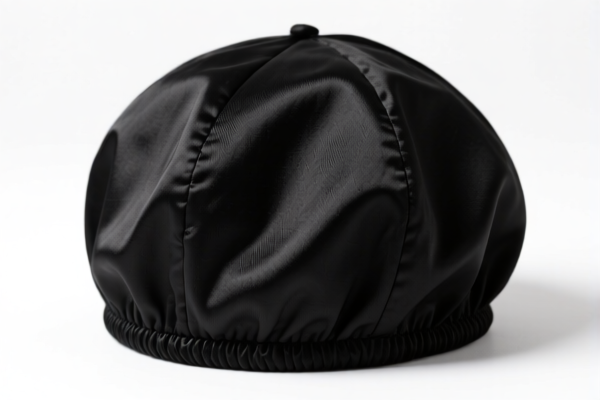
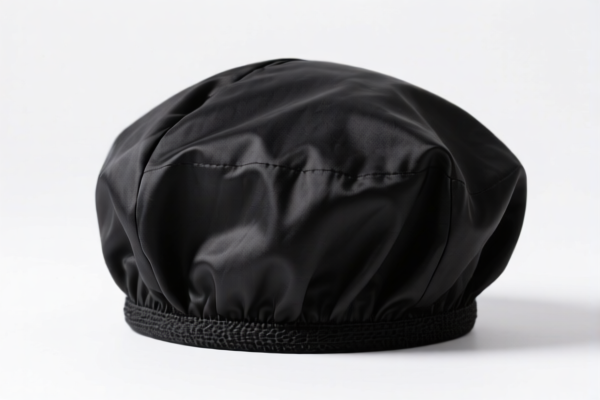
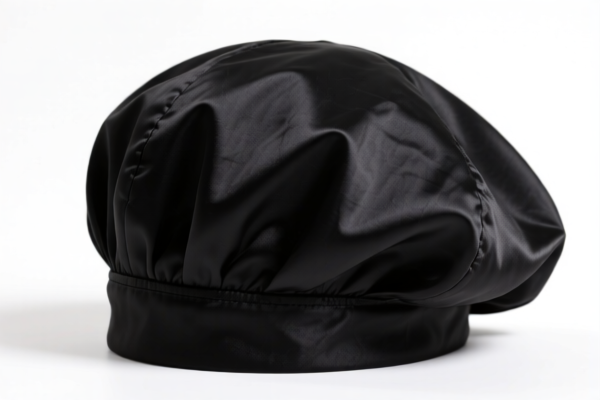
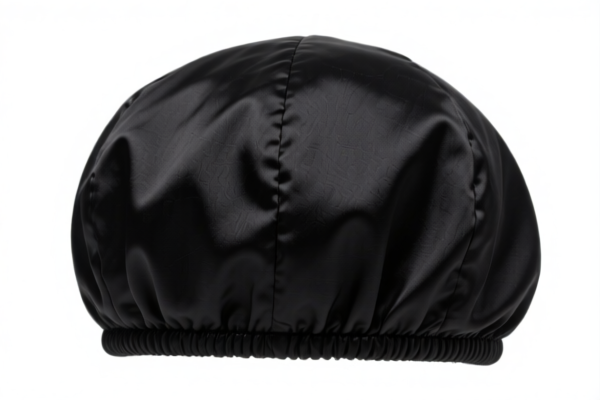
AI Analysis
🧢 Wig Caps (Black) — HS Code Classification & Clearance Guide
🌐 HS Code Reference & Clearance Guide | 2024/2025 Customs Analysis | Strategic Duty Optimization
📌 I. Product Definition & Classification: What Exactly Is a "Wig Cap"?
Wig caps (often called wig foundations, wig nets, or bald caps) are essential undergarments worn before attaching a wig or hairpiece. They secure natural hair and provide a smooth base. In international trade, their classification depends strictly on material composition and primary function, leading to significantly different tax liabilities.
Based on the provided data, there are five potential HS Codes for "6 black wig caps." The correct classification depends on how the manufacturer defines the material (Plastic/Synthetic Fiber vs. Fabric) and structure.
⚠️ Key Distinction Point:
- Plastic/Synthetic Polymer Based: If the cap is made of rubber, plastic, or tightly woven synthetic filaments (like nylon/polyester treated as plastic products) → Falls under Chapter 39 or Chapter 67.
- Textile/Fabric Based: If the cap is a loose mesh, net, or knit fabric typical of hairnets → Falls under Chapter 65 (Headgear) or Chapter 67 (Prepared feathers/hair).
📦 II. HS Code Classification Matrix (Detailed Breakdown)
Below is the analysis of the 5 possible HS Codes from the data source, ranked by typical usage scenarios.
| HS Code | Product Description | Material Inference | Total Tax Rate* | Tax Structure Breakdown |
|---|---|---|---|---|
| 3926.90.35.00 | Wig Cap, inferred plastic/synthetic fiber | Plastic / Synthetic Polymer | 24.0% | Base: 6.5% Add'l (301): 7.5% 122 Clause: 10% |
| 6704.19.00.00 | Wig Net/Cap, accessory for wigs | Synthetic Textile Material | 17.5% | Base: 0.0% Add'l (301): 7.5% 122 Clause: 10% |
| 3926.90.99.89 | Wig Cap, nylon/polyester synthetic fabric | Nylon / Polyester (Plastic Fiber) | 22.8% | Base: 5.3% Add'l (301): 7.5% 122 Clause: 10% |
| 6506.91.00.60 | Hairnet Cap, rubber or plastic | Rubber / Plastic | 35.0% | Base: 0.0% Add'l (301): 25.0% 122 Clause: 10% |
| 6506.99.60.00 | Wig Cap, Headgear category | Fabric / Synthetic Fiber | 43.5% | Base: 8.5% Add'l (301): 25.0% 122 Clause: 10% |
*Note: Tax rates include Base Duty, Section 301 Additional Duty, and Section 122 Clause Duty (if applicable). All codes assume origin from China.
🔍 Critical Insight:
- Lowest Duty: 6704.19.00.00 (17.5%) is the most tax-efficient if the product can be classified as a "synthetic textile accessory" for wigs.
- Highest Duty: 6506.99.60.00 (43.5%) applies if classified as general "headgear" with high base duties and 25% Section 301 tariffs.
- Middle Ground: 3926.90.35.00 (24.0%) is common for solid plastic-based wig foundations.
💰 III. Detailed Tax Clause Analysis
✅ Applicable Jurisdiction: USA (Importing into US)
✅ Origin: China (CN)
✅ Policy Context: Section 301 (USITC) & Section 122 (USTR)
🎯 Scenario A: The "Textile Accessory" Route (Lowest Tax)
HS Code: 6704.19.00.00
Total Tax: 17.5%
| Component | Rate | Legal Basis |
|---|---|---|
| Base Duty | 0.0% | Chapter 67 (Prepared feathers/hair) often has 0% base for accessories. |
| Section 301 Add'l | +7.5% | USITC Footnote for specific synthetic textile accessories. |
| Section 122 Clause | +10.0% | USTR List 4C / Specific textile/trade measures. |
| Total | 17.5% | Most Cost-Effective |
📌 Why choose this?
If your wig cap is a mesh net made of synthetic threads (nylon/polyester) used specifically as a wig foundation, this is the ideal classification. It minimizes the base duty and keeps the Section 301 rate low (7.5% vs 25%).
🎯 Scenario B: The "Plastic/Synthetic Product" Route (Medium Tax)
HS Code: 3926.90.35.00
Total Tax: 24.0%
| Component | Rate | Legal Basis |
|---|---|---|
| Base Duty | 6.5% | "Other articles of plastics" (Chapter 39). |
| Section 301 Add'l | +7.5% | Standard 301 rate for certain plastic goods. |
| Section 122 Clause | +10.0% | Specific trade clause. |
| Total | 24.0% | Moderate Cost |
📌 Why choose this?
If the wig cap is a solid, non-mesh foundation (like a silicone or thick plastic bald cap) rather than a net, it falls under plastics. The base duty is higher (6.5%), but the Section 301 surcharge remains moderate at 7.5%.
🎯 Scenario C: The "Headgear" Route (Highest Tax - AVOID!)
HS Code: 6506.99.60.00
Total Tax: 43.5%
| Component | Rate | Legal Basis |
|---|---|---|
| Base Duty | 8.5% | "Other headgear" (Chapter 65). |
| Section 301 Add'l | +25.0% | High-tier 301 rate for general headgear/apparel accessories. |
| Section 122 Clause | +10.0% | Specific trade clause. |
| Total | 43.5% | High Cost - Risky |
📌 Why avoid this?
Classifying a wig cap as "headgear" triggers the maximum Section 301 tariff (25%). This is a common mistake for generic "caps." Only use this if the product is structurally a hat (with a brim/structure) rather than a wig liner.
🛠️ IV. Customs Clearance Practical Advice
✅ 1. Documentation Strategy (The "Secret Weapon")
To qualify for the lower tax rates (17.5% or 24.0%), your documentation must be precise.
| Document | Required Content | Purpose |
|---|---|---|
| Commercial Invoice | Description: "Synthetic Fiber Wig Foundation Net, No Head Structure, For Use Under Wigs Only" | Prevents classification as "Headgear" (6506). |
| Product Photo | Show the mesh texture or plastic material clearly. Avoid images that look like hats. | Proof of material type. |
| Material Spec Sheet | Explicitly state: "100% Nylon/Polyester Mesh" OR "Silicone/Plastic Polymer" | Confirms Chapter 67 vs. Chapter 39. |
| Usage Statement | "Not for head protection or fashion wear; solely as an under-cap for wigs." | Supports classification as an "accessory" (6704). |
✅ 2. Classification Decision Matrix
| Your Product Type | Recommended HS Code | Est. Tax | Action |
|---|---|---|---|
| Mesh Net (Loose, stretchy, hairnet-style) | 6704.19.00.00 |
17.5% | ✅ Best Option |
| Solid Foundation (Thick, non-mesh, silicone/plastic) | 3926.90.35.00 |
24.0% | ⚠️ Acceptable |
| Rubber/Silicone Cap (Thick, protective) | 6506.91.00.60 |
35.0% | ❌ High Tax |
| Hat-like Structure (With brim/stiff shape) | 6506.99.60.00 |
43.5% | ❌ Avoid |
✅ 3. Clearance Red Flags & Pitfalls
🚩 Pitfall 1: Mislabeling as "Hat" or "Cap"
- Risk: Customs may assign 6506.99.60.00 (43.5%) if the product name is just "Wig Cap."
- Solution: Use terms like "Wig Liner," "Wig Net," or "Wig Foundation."
🚩 Pitfall 2: Ignoring Section 122
- Risk: The 10% Section 122 duty applies to all codes in the provided data.
- Solution: Factor this 10% into your landed cost calculation immediately. It is non-negotiable.
🚩 Pitfall 3: Material Ambiguity
- Risk: If the material is unclear, Customs may default to the highest duty category.
- Solution: Provide a fiber composition report (e.g., "70% Nylon, 30% Elastic") to support the 17.5% or 24.0% classification.
🌍 V. Global Market Comparison (Brief Note)
| Market | Likely Classification | Estimated Duty (China Origin) | Note |
|---|---|---|---|
| 🇺🇸 USA | 6704.19.00.00 or 3926.90.35.00 |
17.5% - 24.0% | High 301/122 tariffs apply. |
| 🇨🇳 China | 6704.19.00.00 |
Low (0-5%) | No Section 301. |
| 🇪🇺 EU | 6704.19.00.00 |
~0-2% | No equivalent 301 tax. |
📌 Conclusion:
The US market is the most challenging due to Section 301 and Section 122 duties. Strategic classification is the only way to reduce costs. Aim for 6704.19.00.00 (17.5%) by proving the item is a synthetic textile accessory, not headgear.
📌 VI. Final Recommendation & Next Steps
🎯 Action Plan for "6 Black Wig Caps":
- Inspect the Product: Is it a mesh net or a solid plastic/silicone base?
- If Mesh → Target
6704.19.00.00. - If Solid → Target
3926.90.35.00.
- If Mesh → Target
- Update Invoice Description:
- ❌ Bad: "Wig Cap"
- ✅ Good: "Synthetic Mesh Wig Foundation Liner, Black, For Use Under Wigs Only"
- Calculate Landed Cost:
- Use 17.5% (if mesh) or 24.0% (if plastic) for budgeting.
- Do not use 43.5% unless you are forced into headgear classification.
- Pre-Declare with Broker: Submit product photos and material specs to your customs broker before shipment to secure the lower HS Code.
💡 Pro Tip:
"Wig caps" are often overlooked in duty optimization. By distinguishing them from "headgear," you can save up to 26% in total taxes (43.5% vs 17.5%). This is a significant margin improvement!
✨ Smart Classification = Higher Profits!
📞 Consult your freight forwarder today to lock in the 17.5% or 24.0% rate!
Customer Reviews
About HS Code Classification
The Harmonized System (HS) is an internationally standardized nomenclature developed by the World Customs Organization (WCO) to classify traded products. Over 200 countries use the HS system as the basis for customs tariffs, trade statistics, and import/export regulations.
Each HS code follows a hierarchical structure:
- Chapter (2 digits) — Broad category of goods (e.g., Chapter 84: Machinery and Mechanical Appliances)
- Heading (4 digits) — More specific grouping within the chapter
- Subheading (6 digits) — Internationally standardized breakdown, used by all WCO member countries
- National subdivisions (8-10 digits) — Country-specific extensions for further classification, such as US HTSUS 10-digit codes
Correct HS code classification is essential for smooth customs clearance, accurate duty payment, and compliance with trade regulations. Misclassification can lead to customs delays, overpayment of duties, or penalties.
When importing from CN to US, the applicable tariff rates may include:
- Most-Favored-Nation (MFN) rate — The standard duty rate applied to WTO members
- General rate — Applied to countries without trade agreements
- Trade remedy duties — Additional tariffs such as Section 301 (anti-dumping), Section 232 (national security), or countervailing duties
The information provided on this page is for reference purposes only. For official classification, please consult with your local customs authority or a licensed customs broker.