6 piece dipping sauce bowl set
CN → US| HS Code | Tariff Rate | Origin | Destination | Doc |
|---|---|---|---|---|
| 3924102000 | 24.0% | CN | US | Official Doc |
| 7013492090 | 40.0% | CN | US | Official Doc |
| 6911103750 | 25.5% | CN | US | Official Doc |
| 6911103710 | 25.5% | CN | US | Official Doc |
| 3924104000 | 13.4% | CN | US | Official Doc |
Product Images
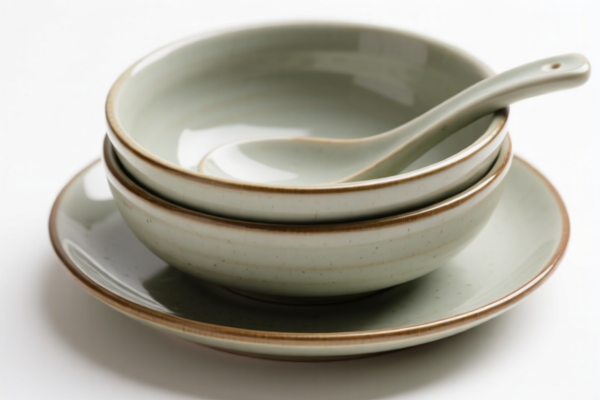
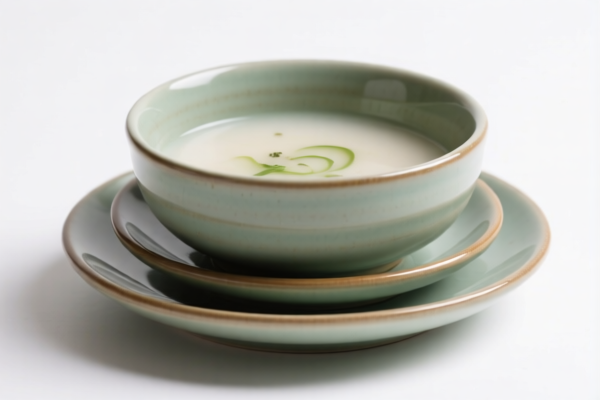
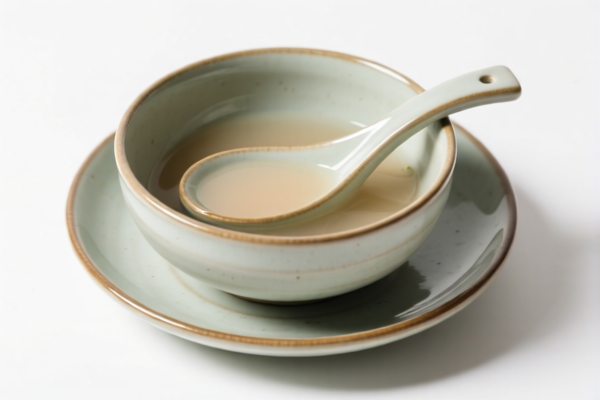
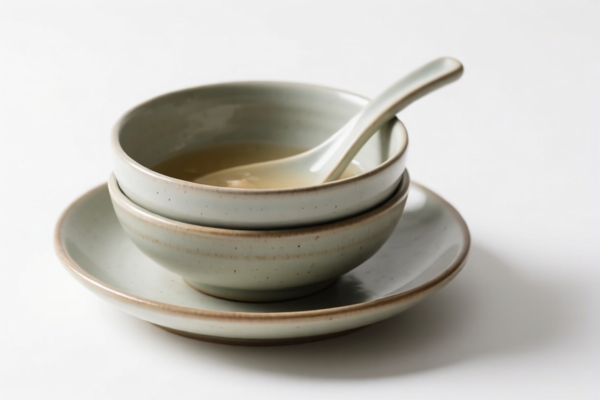
AI Analysis
🥢 6-Piece Dipping Sauce Bowl Set (Condiment Bowl Sets)
🌐 HS Code Reference & Customs Clearance Guide | 2026 Tariff Rate Analysis | Strategic Clearance Strategy for US Imports
📌 I. Product Definition & Classification: Do You Really Understand "Dipping Sauce Bowls"?
A 6-piece dipping sauce bowl set is a tableware accessory used primarily for serving condiments, dips, sauces, or small portions of food. In international trade, these sets are categorized based on their material composition and functionality. The key distinction lies in whether the material is plastic, ceramic, or glass, and how the "set" is defined under Harmonized System (HS) rules.
⚠️ Key Classification Point:
- Plastic Sets: Classified under Chapter 39. The specific subheading depends on whether it is a "part of tableware" or a "set."
- Ceramic Sets: Classified under Chapter 69. Ceramic tableware has specific headings for sets vs. individual pieces.
- Glass Sets: Classified under Chapter 70. Glass tableware is treated distinctly from ceramic and plastic.
📦 II. HS Code Classification Details (2026 Latest Tariff Schedule)
| HS Code | Product Description | Material/Type | Key Characteristics |
|---|---|---|---|
3924.10.20.00 |
Plastic or ceramic sauce dish sets; tableware | Plastic/Ceramic | General-purpose sauce bowls, often plastic-heavy sets. |
7013.49.20.90 |
Glass or ceramic sauce dish sets; tableware | Glass/Ceramic | Often includes glass components or mixed materials; high-value tableware. |
6911.10.37.50 |
Specific form ceramic sauce dish sets | Ceramic | Pure ceramic sets, specific form factor, often premium tableware. |
6911.10.37.10 |
Ceramic tableware and kitchen utensil sets | Ceramic | General ceramic tableware sets including sauce bowls. |
3924.10.40.00 |
Other plastic or ceramic tableware sauce dish sets | Plastic/Ceramic | Generic "other" category for plastic/ceramic sets not fitting above. |
🔍 Important Note:
- Material Matters: The primary determinant of the HS code is the main material of the set. If a set contains mixed materials, the classification may vary based on which material constitutes the "essential character" or specific tariff lines for "sets."
- "Set" Definition: Customs views these as "sets" if they are packaged together for retail sale. Individual bowls may have different codes, but as a set, they fall under specific "set" headings.
💰 III. 2026 Latest Tariff Rate Breakdown (Including Additional Duties & Policy Surcharges)
✅ Applicable Country: United States (US)
✅ Origin: China (CN)
✅ Effective Date: 2025-11-10 onwards (for subsequent imports)
🎯 1. 3924.10.20.00 – Plastic or Ceramic Sauce Dish Sets (General)
| Item | Content |
|---|---|
| Base Tariff | 6.5% (ad valorem) |
| Section 301 Tariff | +7.5% |
| Section 122 Tariff | +10% |
| Total Effective Rate | 24.0% |
| Tax Calculation | CIF Value × 24.0% |
| De Minimis Eligibility | ❌ No (Deny De Minimis) |
| Legal Basis Path | Base: 6.5% → Sec 301: 7.5% → Sec 122: 10% |
📌 Explanation:
- This is the lowest tax rate among the listed options.
- It applies to general plastic or ceramic sauce bowl sets.
- Crucial: Ensure the set is primarily plastic or ceramic as defined. Misclassification can lead to penalties.
🎯 2. 7013.49.20.90 – Glass or Ceramic Sauce Dish Sets
| Item | Content |
|---|---|
| Base Tariff | 22.5% (ad valorem) |
| Section 301 Tariff | +7.5% |
| Section 122 Tariff | +10% |
| Total Effective Rate | 40.0% |
| Tax Calculation | CIF Value × 40.0% |
| De Minimis Eligibility | ❌ No (Deny De Minimis) |
| Legal Basis Path | Base: 22.5% → Sec 301: 7.5% → Sec 122: 10% |
📌 Explanation:
- This code often covers glass-heavy sets or higher-value ceramic sets.
- The high base tariff (22.5%) makes this significantly more expensive.
- Avoid this code unless the product is distinctly glass or premium ceramic tableware.
🎯 3. 6911.10.37.50 – Specific Form Ceramic Sauce Dish Sets
| Item | Content |
|---|---|
| Base Tariff | 8.0% (ad valorem) |
| Section 301 Tariff | +7.5% |
| Section 122 Tariff | +10% |
| Total Effective Rate | 25.5% |
| Tax Calculation | CIF Value × 25.5% |
| De Minimis Eligibility | ❌ No (Deny De Minimis) |
| Legal Basis Path | Base: 8.0% → Sec 301: 7.5% → Sec 122: 10% |
📌 Explanation:
- Slightly higher than the plastic/ceramic general code (3924.10.20.00).
- Applies to specific form ceramic sets. Ensure your product matches the "specific form" description in the tariff schedule.
🎯 4. 6911.10.37.10 – Ceramic Tableware and Kitchen Utensil Sets
| Item | Content |
|---|---|
| Base Tariff | 8.0% (ad valorem) |
| Section 301 Tariff | +7.5% |
| Section 122 Tariff | +10% |
| Total Effective Rate | 25.5% |
| Tax Calculation | CIF Value × 25.5% |
| De Minimis Eligibility | ❌ No (Deny De Minimis) |
| Legal Basis Path | Base: 8.0% → Sec 301: 7.5% → Sec 122: 10% |
📌 Explanation:
- Same rate as above, but a different subheading.
- Use this if the set includes other kitchen utensils alongside sauce bowls.
🎯 5. 3924.10.40.00 – Other Plastic or Ceramic Tableware Sauce Dish Sets
| Item | Content |
|---|---|
| Base Tariff | 3.4% (ad valorem) |
| Section 301 Tariff | 0.0% |
| Section 122 Tariff | +10% |
| Total Effective Rate | 13.4% |
| Tax Calculation | CIF Value × 13.4% |
| De Minimis Eligibility | ❌ No (Deny De Minimis) |
| Legal Basis Path | Base: 3.4% → Sec 301: 0.0% → Sec 122: 10% |
📌 Explanation:
- LOWEST TOTAL RATE (13.4%).
- This code benefits from 0% Section 301 tariffs.
- Critical: This is likely the most cost-effective classification for plastic-based sets. Ensure the product fits the "Other" category under Chapter 39.
🛠️ IV. Customs Clearance Operational Advice (Practical Pitfall Avoidance)
✅ 1. Documentation Checklist (Must-Have)
| Document | Required | Description |
|---|---|---|
| ✅ Product Specification Sheet | ✔️ | Details material, dimensions, piece count, and intended use (tableware). |
| ✅ Product Photos (Packaged & Unpackaged) | ✔️ | Show the set as a unit and individual pieces to confirm "set" status. |
| ✅ Commercial Invoice | ✔️ | Clearly state "6-Piece Dipping Sauce Bowl Set" and material composition. |
| ✅ Packing List | ✔️ | Detail contents, weight, and dimensions. |
| ✅ Certificate of Origin (CO) | ✔️ | To determine eligibility for any potential exemptions (though limited for China). |
| ✅ Material Declaration | ✔️ | Explicitly state if plastic, ceramic, or glass. Misstatement leads to penalties. |
✅ 2. Classification Strategy (Key Tips)
🔥 "Material First, Set Second, Code Precision Saves Money!"
| Scenario | Recommended HS Code | Risk if Incorrect |
|---|---|---|
| Plastic-Dominant Set | 3924.10.40.00 (13.4%) |
Misclassifying as ceramic (6911) → 25.5% + penalties |
| Mixed Plastic/Ceramic | 3924.10.20.00 (24.0%) |
Misclassifying as glass (7013) → 40.0% + delays |
| Pure Ceramic Set | 6911.10.37.50 (25.5%) |
Misclassifying as plastic → Audit risk, duty evasion |
| Glass-Heavy Set | 7013.49.20.90 (40.0%) |
High duty burden; consider if alternative classification applies. |
✅ 3. Special Considerations
| Situation | Handling Advice |
|---|---|
| Mixed Material Sets | Determine the "essential character." If plastic is the primary material/value, use Chapter 39. |
| Packaging | Ensure the set is presented as a retail unit. Individual pieces shipped separately may be classified differently. |
| Section 122 Tariff | The 10% SSI (Shortage Surcharge Tariff) applies to most imports from China. Factor this into all cost calculations. |
| De Minimis | None of these codes qualify for Section 321 (De Minimis) exemption. All shipments are subject to full duty and entry formalities. |
📌 V. Common Mistakes & Pitfall Guide (Lessons Learned)
❌ Mistake 1: Classifying a plastic set under ceramic codes (6911)
👉 Consequence: Higher base tariff (8% vs 3.4%) + potential misclassification penalty.
❌ Mistake 2: Claiming De Minimis exemption for these goods
👉 Consequence: Goods detained at border, forced to file formal entry, plus potential penalties. These are NOT de minimis eligible.
❌ Mistake 3: Ignoring Section 122 Tariff
👉 Consequence: Underpaying duties by 10%. CBSA/Customs will assess back taxes + interest.
❌ Mistake 4: Vague product descriptions ("Tableware")
👉 Consequence: Customs officers may assign a worst-case scenario code. Always specify "Dipping Sauce Bowl Set."
✅ Best Practice:
"6-Piece Plastic Dipping Sauce Bowl Set, Food-Grade PP Material, For Tabletop Use, Model XYZ, Country of Origin: China"
🎯 VI. Conclusion: Professional Classification, Cost Efficiency, Risk Mitigation
🎯 Key Takeaway:
🔹 Plastic sets (
3924.10.40.00) offer the lowest total duty (13.4%).
🔹 Ceramic sets (6911) and Glass sets (7013) incur higher duties (25.5% and 40.0% respectively).
🔹 No De Minimis Exemption: All shipments must be formally entered.
🔹 Section 122 Tariff (10%) is universal for these categories from China.
📌 Pro Tip:
If your product is primarily plastic, strive for classification under 3924.10.40.00 to minimize costs. Avoid mixing materials if possible, as it complicates classification and may lead to higher tariffs.
📣 Immediate Action:
📞 Consult with a licensed customs broker to confirm the material breakdown and set definition for your specific product.
🚀 Accurate classification saves money. Prevents delays. Ensures compliance.
✨ Professional Clearance, Starting with Precise Classification!
💼 Every cent of cost deserves precise calculation!
Customer Reviews
About HS Code Classification
The Harmonized System (HS) is an internationally standardized nomenclature developed by the World Customs Organization (WCO) to classify traded products. Over 200 countries use the HS system as the basis for customs tariffs, trade statistics, and import/export regulations.
Each HS code follows a hierarchical structure:
- Chapter (2 digits) — Broad category of goods (e.g., Chapter 84: Machinery and Mechanical Appliances)
- Heading (4 digits) — More specific grouping within the chapter
- Subheading (6 digits) — Internationally standardized breakdown, used by all WCO member countries
- National subdivisions (8-10 digits) — Country-specific extensions for further classification, such as US HTSUS 10-digit codes
Correct HS code classification is essential for smooth customs clearance, accurate duty payment, and compliance with trade regulations. Misclassification can lead to customs delays, overpayment of duties, or penalties.
When importing from CN to US, the applicable tariff rates may include:
- Most-Favored-Nation (MFN) rate — The standard duty rate applied to WTO members
- General rate — Applied to countries without trade agreements
- Trade remedy duties — Additional tariffs such as Section 301 (anti-dumping), Section 232 (national security), or countervailing duties
The information provided on this page is for reference purposes only. For official classification, please consult with your local customs authority or a licensed customs broker.