75mm Air Vent
CN → US| HS Code | Tariff Rate | Origin | Destination | Doc |
|---|---|---|---|---|
| 3926902500 | 24.0% | CN | US | Official Doc |
| 7326908688 | 87.9% | CN | US | Official Doc |
| 7610900080 | 65.7% | CN | US | Official Doc |
| 7610100010 | 73.2% | CN | US | Official Doc |
| 3926305000 | 22.8% | CN | US | Official Doc |
Product Images
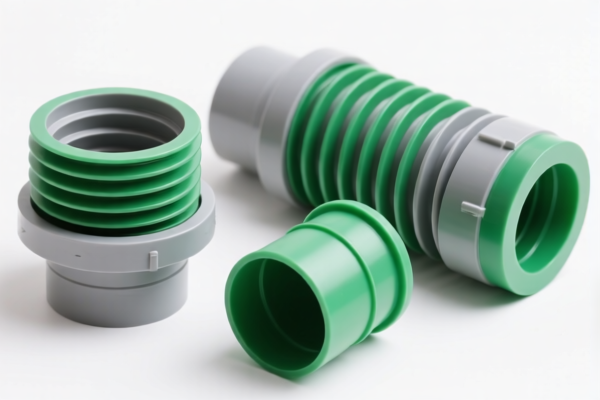
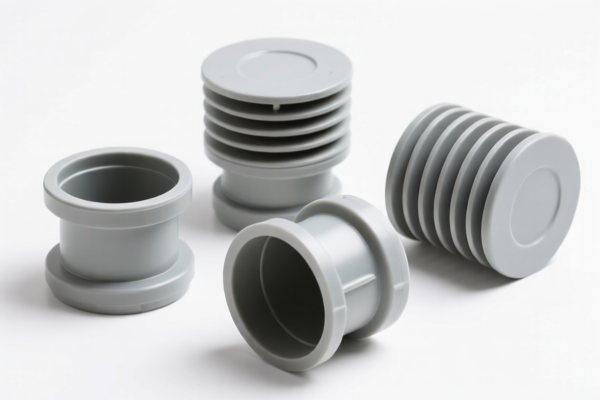
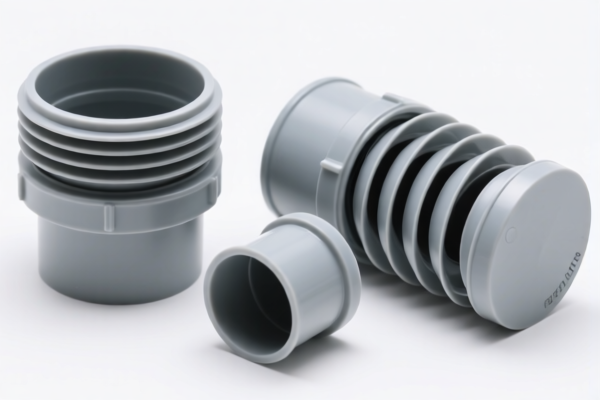
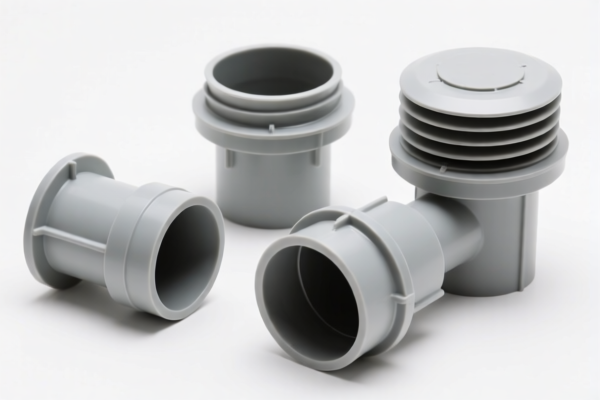
AI Analysis
🌬️ 75mm Air Vent (Ventilation Grille/Diffuser)
🌐 HS Code Reference & Customs Clearance Guide | 2026 Latest Tariff Analysis | Professional Entry Strategy
📌 I. Product Definition: What is a "75mm Air Vent"?
In international trade, a "75mm Air Vent" is not a single commodity. Its classification depends entirely on its material and intended use. It is generally categorized into two main scenarios:
- Aluminum Air Vents: Used in HVAC systems, buildings, or industrial settings. If it is part of the structure (e.g., fixed frame, grille integrated into a wall/ceiling system), it may fall under aluminum structures. If it is a standalone component not prepared for immediate structural use, it might be classified as other aluminum articles.
- Plastic Air Vents: Made of ABS, PVC, or PP. These are typically classified under plastics articles, specifically as fittings or other plastic products.
- Steel/Iron Air Vents: Less common for "75mm" consumer/industrial grilles, but if present, they fall under iron/steel articles.
⚠️ Critical Distinction: - If the vent is part of a building structure (e.g., a permanent grille fixed into a window frame or wall panel), it may be considered a structure part. - If it is a detachable component (e.g., a simple snap-in grille for a duct), it is usually an "Other Article".
📦 II. HS Code Classification Matrix (Based on Provided Data)
Based on the <DATA> provided, here are the possible HS Codes and their corresponding tax implications. Note that the data includes Aluminum, Iron/Steel, and Plastic variants.
1. 🟦 Aluminum Air Vents (Structural Parts)
| HS Code | Product Description | Applicability | Key Feature |
|---|---|---|---|
7610.10.00.10 |
Aluminum structures; Doors, windows and their frames and thresholds for doors; Windows and their frames | If the vent is an integrated part of a window frame or door system, or prepared as a structural component for windows/doors. | High Risk: Classified as part of a window/door structure. |
7610.90.00.80 |
Aluminum structures; Other | If the vent is a standalone aluminum grille, vent cover, or part of a larger non-window/door structure (e.g., HVAC duct flange). | Most common for standalone aluminum vents. |
2. ⚫ Iron/Steel Air Vents (Other Articles)
| HS Code | Product Description | Applicability | Key Feature |
|---|---|---|---|
7326.90.86.88 |
Other articles of iron or steel; Other: Other | For small, miscellaneous steel fittings, brackets, or generic steel vents not specified elsewhere. | Generic "Other" category for steel hardware. |
7326.90.86.30 |
Other articles of iron or steel; Hangers and similar supports for tubes and pipes | If the vent includes a support bracket or hanger system for pipes/ducts, it might be classified here. | Specific to support hardware. |
3. 🟨 Plastic Air Vents (Fittings/Other)
| HS Code | Product Description | Applicability | Key Feature |
|---|---|---|---|
3926.30.50.00 |
Other articles of plastics; Fittings for furniture, coachwork or the like: Other | If the plastic vent is designed as a fitting for furniture (e.g., cabinet ventilation) or coachwork. | Low tax if deemed a "furniture fitting". |
3926.90.25.00 |
Other articles of plastics; Handles and knobs... of plastics | Rare/Unlikely for standard vents. Only if the vent is uniquely shaped like a handle/knob (e.g., a decorative pull-vent). | Usually incorrect for functional vents. |
💰 III. 2026 Tariff Rate Analysis (Detailed Breakdown)
✅ Applicable Country: United States (US)
✅ Origin: China (CN)
✅ Policy: Section 301 Tariffs + IEEPA Add-on Tariffs
🎯 1. Aluminum: 7610.10.00.10 (Windows/Doors Frames)
| Item | Detail |
|---|---|
| Base Tariff | 0.0% |
| Section 301 Add-on | 25.0% (Steel, Aluminum, Copper Products) |
| IEEPA Add-on | 50.0% (Total "Steel, Aluminum, Copper Products" Add-on Tariff) |
| Total Tax Rate | 50.0% |
| Calculation | CIF Value × 50% |
| De Minimis | ❌ Not Eligible (Deny de minimis for Section 301 goods) |
| Legal Basis | USITC:7610.10.00.10 → Section 301: Aluminum → IEEPA: 50% Add-on |
📌 Explanation:
- Although the base tariff is 0%, the 50% total add-on tariff is extremely high.
- This code is risky because it implies the product is part of a "structure" (window/door), which triggers the highest level of scrutiny and tariffs.
🎯 2. Aluminum: 7610.90.00.80 (Other Aluminum Structures)
| Item | Detail |
|---|---|
| Base Tariff | 5.7% |
| Section 301 Add-on | 25.0% |
| IEEPA Add-on | 50.0% |
| Total Tax Rate | 80.7% |
| Calculation | CIF Value × 80.7% |
| De Minimis | ❌ Not Eligible |
| Legal Basis | USITC:7610.90.00.80 → Section 301: Aluminum → IEEPA: 50% Add-on |
📌 Warning:
- This is the highest tax rate in the dataset.
- Only use this if the vent is clearly an aluminum structural component not fitting the window/door definition.
🎯 3. Iron/Steel: 7326.90.86.88 (Other Steel Articles)
| Item | Detail |
|---|---|
| Base Tariff | 2.9% |
| Section 301 Add-on | 25.0% |
| IEEPA Add-on | 50.0% |
| Total Tax Rate | 77.9% |
| Calculation | CIF Value × 77.9% |
| De Minimis | ❌ Not Eligible |
| Legal Basis | USITC:7326.90.86.88 → Section 301: Steel → IEEPA: 50% Add-on |
🎯 4. Iron/Steel: 7326.90.86.30 (Supports for Tubes)
| Item | Detail |
|---|---|
| Base Tariff | 2.9% |
| Section 301 Add-on | 25.0% |
| IEEPA Add-on | 50.0% |
| Total Tax Rate | 77.9% |
| Calculation | CIF Value × 77.9% |
| De Minimis | ❌ Not Eligible |
🎯 5. Plastic: 3926.30.50.00 (Fittings for Furniture)
| Item | Detail |
|---|---|
| Base Tariff | 0.0% |
| Section 301 Add-on | 0.0% |
| IEEPA Add-on | 0.0% |
| Total Tax Rate | 0.0% |
| Calculation | CIF Value × 0% |
| De Minimis | ✅ Eligible (If under $800, may enter duty-free under de minimis rule, but check specific exclusions) |
| Legal Basis | USITC:3926.30.50.00 → No Section 301 IEEPA Add-on |
📌 Strategic Advantage:
- This is the LOWEST TAX option in the dataset.
- If the plastic air vent can be justified as a "Fitting for Furniture" (e.g., for cabinets, shelves, or office furniture), it enjoys 0% tariff.
- Caution: Customs may challenge this if the vent is clearly for HVAC/Building use, not furniture.
🎯 6. Plastic: 3926.90.25.00 (Handles/Knobs)
| Item | Detail |
|---|---|
| Base Tariff | 6.5% |
| Section 301 Add-on | 7.5% |
| Total Tax Rate | 14.0% |
| Calculation | CIF Value × 14.0% |
| De Minimis | ❌ Not Eligible (Section 301 applies) |
| Legal Basis | USITC:3926.90.25.00 → Section 301 |
📌 Note:
- Only use if the vent is physically a "handle" or "knob". Unlikely for a standard 75mm vent.
🛠️ IV. Customs Clearance Practical Advice (Avoid Pitfalls)
✅ 1. Material-Based Strategy
| Material | Recommended HS Code | Tax Rate | Strategy |
|---|---|---|---|
| Plastic | 3926.30.50.00 |
0.0% | Best Option. Market as "Plastic Fitting for Furniture/Cabinet Ventilation". Provide catalog showing use in office furniture or home cabinets. |
| Aluminum | 7610.10.00.10 |
50.0% | High Cost. Only if it is part of a window/door system. Avoid if possible. |
| Aluminum | 7610.90.00.80 |
80.7% | Avoid. Highest tax. |
| Steel | 7326.90.86.88 |
77.9% | Avoid. High tax. |
✅ 2. Documentation Requirements
| Document | Requirement | Purpose |
|---|---|---|
| Product Description | Specify material: "Plastic Air Vent Grille, ABS, 75mm, for Cabinet Ventilation" | Justify 3926.30.50.00 (Fitting) vs. Building Material. |
| Material Certificate | Proof of plastic composition (ABS/PP) | Prevent reclassification as aluminum/steel. |
| Usage Photo | Show vent installed in a cabinet, drawer, or furniture | Support "Fitting for Furniture" claim. Avoid photos showing wall/ceiling HVAC installation. |
| Commercial Invoice | List as "Plastic Fitting for Furniture" | Consistent with HS Code. |
✅ 3. Common Errors & Pitfalls
❌ Error 1: Classifying a plastic vent as aluminum due to similar appearance.
👉 Consequence: Tax jumps from 0% to 50-80%.
✅ Fix: Provide material test report.
❌ Error 2: Classifying a HVAC duct vent as "Fitting for Furniture".
👉 Consequence: Customs may reject 3926.30.50.00 and reclassify as 3926.90.99 (Other plastics), which may have higher taxes.
✅ Fix: If used in HVAC, consider 3926.90.99.90 (not in dataset, but check current rates). If dataset is strict, 3926.30.50.00 is risky unless it can be argued as "general fitting".
❌ Error 3: Using 7610.90.00.80 for aluminum vents.
👉 Consequence: 80.7% tax.
✅ Fix: If aluminum is unavoidable, try to justify 7610.10.00.10 (50% tax) as it is lower, but still high. Better to switch material.
🌍 V. Global Market Comparison (2026)
| Country/Region | Recommended HS Code (Plastic) | Tariff | Note |
|---|---|---|---|
| 🇺🇸 USA | 3926.30.50.00 |
0.0% | Best option for plastic vents. |
| 🇺🇸 USA | 7610.10.00.10 (Alu) |
50.0% | High cost. |
| 🇨🇳 China | 3926.30.50.00 |
~5-10% | Standard import duty. |
| 🇪🇺 EU | 3926.30.50.00 |
~0-2% | Low duty, but VAT applies. |
| 🇬🇧 UK | 3926.30.50.00 |
~0-2% | Post-Brexit tariffs may vary. |
📌 VI. Conclusion & Action Plan
🎯 Key Takeaway:
- Plastic vents are the most tax-efficient option, with a 0% tariff if classified as 3926.30.50.00 (Fitting for Furniture).
- Aluminum vents face 50-80% tariffs, making them expensive to import to the US.
- Steel vents are similarly high-tax (~78%).
✅ Action Steps:
1. Switch to Plastic: If possible, manufacture or source ABS/PP plastic vents instead of aluminum or steel.
2. Market as Furniture Fitting: Label and describe the product as a "Plastic Ventilation Fitting for Cabinets/Furniture".
3. Provide Evidence: Include photos showing the vent in a furniture context (e.g., under a desk, in a wardrobe).
4. Avoid Aluminum: If you must use aluminum, expect 50%+ tariffs. Justify it as part of a window/door system (7610.10.00.10) to get 50% instead of 80.7%.
📣 Immediate Action:
📞 Contact Customs Broker: Confirm if
3926.30.50.00is accepted for your specific vent design.
📄 Prepare Marketing Collateral: Highlight "Furniture Use" to support classification.
🚀 Optimize Cost: Plastic vents save 50-80% in tariffs compared to metal alternatives.
✨ Precision Classification Saves Money!
💼 Don’t let material choice cost you 80% in tariffs.
Customer Reviews
About HS Code Classification
The Harmonized System (HS) is an internationally standardized nomenclature developed by the World Customs Organization (WCO) to classify traded products. Over 200 countries use the HS system as the basis for customs tariffs, trade statistics, and import/export regulations.
Each HS code follows a hierarchical structure:
- Chapter (2 digits) — Broad category of goods (e.g., Chapter 84: Machinery and Mechanical Appliances)
- Heading (4 digits) — More specific grouping within the chapter
- Subheading (6 digits) — Internationally standardized breakdown, used by all WCO member countries
- National subdivisions (8-10 digits) — Country-specific extensions for further classification, such as US HTSUS 10-digit codes
Correct HS code classification is essential for smooth customs clearance, accurate duty payment, and compliance with trade regulations. Misclassification can lead to customs delays, overpayment of duties, or penalties.
When importing from CN to US, the applicable tariff rates may include:
- Most-Favored-Nation (MFN) rate — The standard duty rate applied to WTO members
- General rate — Applied to countries without trade agreements
- Trade remedy duties — Additional tariffs such as Section 301 (anti-dumping), Section 232 (national security), or countervailing duties
The information provided on this page is for reference purposes only. For official classification, please consult with your local customs authority or a licensed customs broker.