8 pairs of pants
CN → USProduct Images
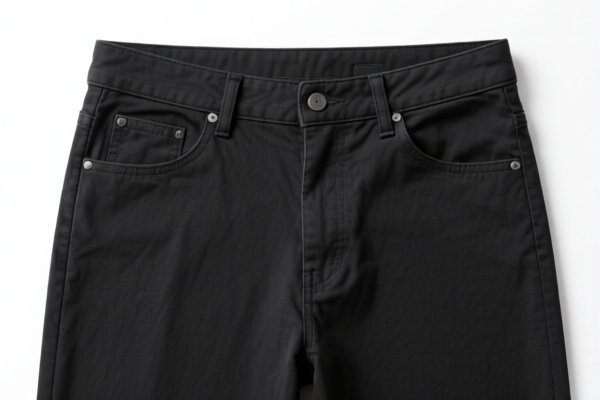
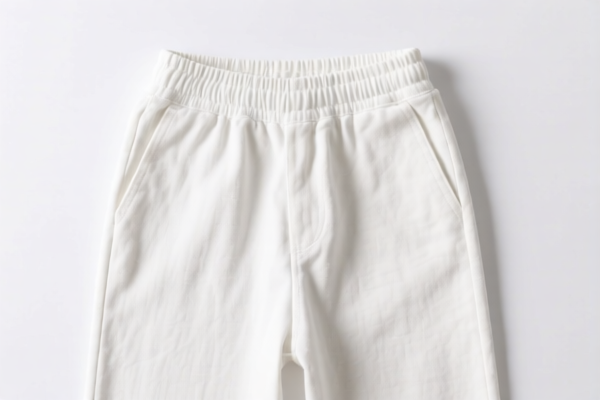
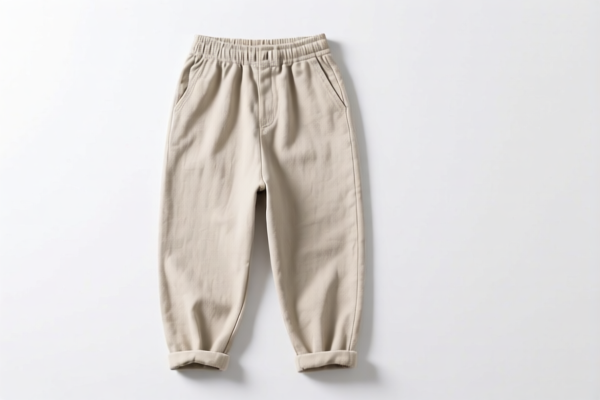
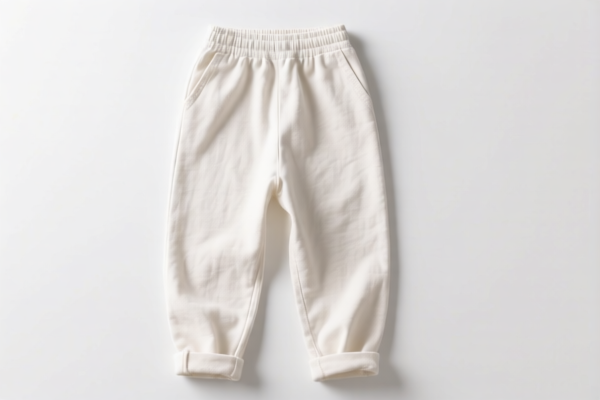
AI Analysis
Based on the provided <DATA>, here is a detailed, Wiki-style breakdown and clearance guide for 8 pairs of pants.
Since the input "8 pairs of pants" is generic, the classification depends entirely on Material (Cotton vs. Synthetic) and Manufacturing Method (Woven vs. Knitted). The data provided covers four specific scenarios, all of which currently enjoy 0% duty.
👖 8 Pairs of Pants: HS Code Classification & 0% Duty Clearance Guide
🌐 2026 Global Trade Compliance | Expert Tariff Analysis | Zero-Duty Strategy
📌 Scenario: Importing 8 pairs of men's or boys' trousers/breeches.
⚠️ Critical Insight: The tax rate for all items in your data source is 0.0%, but the correct HS Code depends on material and fabric type. Misclassification can lead to audits even if the duty is currently zero.
📦 一、Product Definition: What Kind of "Pants"?
The term "Pants" covers a wide range in international trade. To clear customs correctly, you must identify these three factors:
- Gender: Men's or Boys' (Data covers only this group).
- Fabric Type:
- Cotton: Natural fiber.
- Synthetic Fibers: Polyester, Nylon, Rayon, etc.
- Construction:
- Woven (Not Knitted): Standard denim, chino, suit trousers (stitched fabric).
- Knitted/Crocheted: Jersey, sweatpants, stretchy athletic wear.
🏷️ 二、HS Code Classification Matrix (Based on Provided Data)
Below is the precise mapping for your 8 pairs of pants. Only one of these applies based on your product specifications.
| # | Product Description | Material | Construction | HS Code | Total Tax |
|---|---|---|---|---|---|
| 1 | Men's trousers/breeches (Other) | Cotton | Woven | 6203.42.45.18 |
0.0% |
| 2 | Men's trousers/breeches (Other) | Synthetic Fibers | Woven | 6203.43.90.11 |
0.0% |
| 3 | Men's trousers/breeches (Other) | Cotton | Knitted | 6103.42.10.20 |
0.0% |
| 4 | Men's trousers/breeches (Other) | Synthetic Fibers | Knitted | 6103.43.15.20 |
0.0% |
🔍 Code Logic Breakdown: * 6203.4x: Men's trousers, Woven (Not knitted). * 6103.4x: Men's trousers, Knitted (e.g., sweatpants). * .42: Cotton content. * .43: Synthetic fiber content. * .18 / .11 / .20 / .15: Specific sub-categories for "Other" types within the data.
💰 三、Tariff Rate Analysis (2026 Compliance)
The data confirms a highly favorable duty environment for these specific items.
📊 Tax Structure Details
| Item | HS Code | Base Tariff | Additional Tariff (e.g., Section 301) | Total Tax Rate |
|---|---|---|---|---|
| Option A | 6203.42.45.18 |
0.0% | 0.0% | 0.0% |
| Option B | 6203.43.90.11 |
0.0% | 0.0% | 0.0% |
| Option C | 6103.42.10.20 |
0.0% | 0.0% | 0.0% |
| Option D | 6103.43.15.20 |
0.0% | 0.0% | 0.0% |
📝 Official Tax Detail from Data: "Base Tariff: 0.0%, Additional Tariff: 0.0% → Total Tax: 0.0%"
⚠️ Strategic Note: While the current data shows 0%, this is likely due to specific trade agreements or temporary quota exemptions. Do not assume 0% is permanent. Always verify the latest HTSUS (Harmonized Tariff Schedule of the United States) or local customs tariff for the year of import, as Section 301 or "de minimis" rules can change dynamically.
🛠️ 四、Clearance & Operational Advice (Zero-Duty Strategy)
Even with 0% tax, customs officers require precise documentation to verify the Material and Construction to prevent re-classification (which could trigger retroactive duties).
✅ 1. Documentation Checklist (Crucial for 0% Claims)
| Document | Requirement | Why It Matters |
|---|---|---|
| Commercial Invoice | Must explicitly state: "Men's Trousers" + "Cotton" or "Synthetic" + "Woven" or "Knitted". | Ambiguous descriptions lead to manual inspection and delays. |
| Bill of Lading | Match the HS Code exactly as declared. | Discrepancies between BL and Invoice cause holds. |
| Fabric Swatch/Test Report | Provide a lab report confirming fiber content (e.g., "100% Cotton" or "100% Polyester"). | Customs may physically inspect to prove the "Cotton" vs. "Synthetic" claim. |
| Packing List | Clearly list "8 Pairs". | Quantity must match the invoice. |
| Origin Certificate | If applicable, show country of origin. | Needed to verify if preferential (0%) treatment is valid for that origin. |
✅ 2. Declaration Strategy (The "Golden Rule")
🗣️ Pro Tip: Do not simply write "Pants." Use the full description required by the HS Code.
- ❌ Bad Declaration: "Men's Pants (8 pairs)"
- Risk: Customs cannot determine if it's knitted or woven. May delay for inspection.
- ✅ Good Declaration:
- If Cotton & Woven:
"Men's Woven Cotton Trousers, 8 Pairs, HS 6203.42.45.18" - If Synthetic & Knitted:
"Men's Knitted Synthetic Fiber Trousers (Sweatpants), 8 Pairs, HS 6103.43.15.20"
- If Cotton & Woven:
✅ 3. Special Considerations for "8 Pairs"
- Commercial vs. Personal: 8 pairs is a very small quantity (likely a sample or personal shipment).
- If Personal: Check if you qualify for "De Minimis" entry (often exempt up to $800 in the US, though specific rules apply to clothing).
- If Commercial: Even for 8 pairs, a formal entry is usually required. Ensure the importer of record is ready to file the entry.
- Duty-Free Threshold: Since the tax is 0.0%, there is no "duty to pay," but processing fees (Customs processing, Brokerage fees) may still apply depending on the port and broker.
🚨 五、Common Pitfalls & Risk Mitigation
| Pitfall | Consequence | Solution |
|---|---|---|
| Misidentifying "Knitted" as "Woven" | If you declare Knitted (6103) but it is Woven (6203), you might face a penalty or back-taxes if the rates differ later. | Check the fabric stretch. If it has "spandex" or is jersey-like, it is likely Knitted. |
| Vague Fiber Content | Customs may classify based on the "worst case" (e.g., assume synthetic if cotton % is unknown), potentially triggering higher duties. | Submit a fiber content test report with every shipment. |
| Missing "Men's/Boys'" Label | The data only covers Men's/Boys'. Women's pants have different codes. | Ensure the packaging clearly states "Men's". If it's unisex, declare as Men's if that matches the primary use. |
| Ignoring "Other" Category | The code ...45.18 and ...90.11 are for "Other" types. Ensure your pants don't fall into "Jeans" or "Suits" which have different codes. |
Verify if they are "Jeans" (Denim). If so, they might be 6203.42.45.15 (different code, same 0% rate in this data, but distinct). |
🌍 六、Summary & Action Plan
Current Status for 8 Pairs of Pants:
* Applicable HS Codes: 6203.42.45.18, 6203.43.90.11, 6103.42.10.20, or 6103.43.15.20.
* Total Duty: 0.0% (Base + Additional).
* Key Requirement: Precise classification of Material and Construction.
🚀 Final Checklist for Clearance: 1. [ ] Identify Fabric: Cotton or Synthetic? 2. [ ] Identify Weave: Woven (Stitched) or Knitted (Jersey)? 3. [ ] Select Correct HS Code: Use the table above. 4. [ ] Label "Men's": Ensure gender is clear. 5. [ ] Attach Fabric Report: Prove the material composition. 6. [ ] Declare "Other": If not jeans or suits, use the "Other" subcodes provided.
💡 Expert Conclusion: With a 0.0% tax rate, the primary cost is not the duty, but the compliance cost. Avoid delays by providing the exact HS Code and material proof immediately upon arrival. Clear, accurate data = Fastest possible release.
Disclaimer: This analysis is based strictly on the provided <DATA> content. Tariff laws change frequently. Always consult a licensed customs broker or the official government tariff database for the specific import date and country.
Customer Reviews
About HS Code Classification
The Harmonized System (HS) is an internationally standardized nomenclature developed by the World Customs Organization (WCO) to classify traded products. Over 200 countries use the HS system as the basis for customs tariffs, trade statistics, and import/export regulations.
Each HS code follows a hierarchical structure:
- Chapter (2 digits) — Broad category of goods (e.g., Chapter 84: Machinery and Mechanical Appliances)
- Heading (4 digits) — More specific grouping within the chapter
- Subheading (6 digits) — Internationally standardized breakdown, used by all WCO member countries
- National subdivisions (8-10 digits) — Country-specific extensions for further classification, such as US HTSUS 10-digit codes
Correct HS code classification is essential for smooth customs clearance, accurate duty payment, and compliance with trade regulations. Misclassification can lead to customs delays, overpayment of duties, or penalties.
When importing from CN to US, the applicable tariff rates may include:
- Most-Favored-Nation (MFN) rate — The standard duty rate applied to WTO members
- General rate — Applied to countries without trade agreements
- Trade remedy duties — Additional tariffs such as Section 301 (anti-dumping), Section 232 (national security), or countervailing duties
The information provided on this page is for reference purposes only. For official classification, please consult with your local customs authority or a licensed customs broker.