80/2 Ring Spun Cotton Yarn for Woven Fabric
CN → US| HS Code | Tariff Rate | Origin | Destination | Doc |
|---|---|---|---|---|
| 5205440021 | 44.9% | CN | US | Official Doc |
| 5205440029 | 44.9% | CN | US | Official Doc |
| 5206420000 | 44.2% | CN | US | Official Doc |
| 5206320000 | 44.2% | CN | US | Official Doc |
| 5207100000 | 35.0% | CN | US | Official Doc |
Product Images
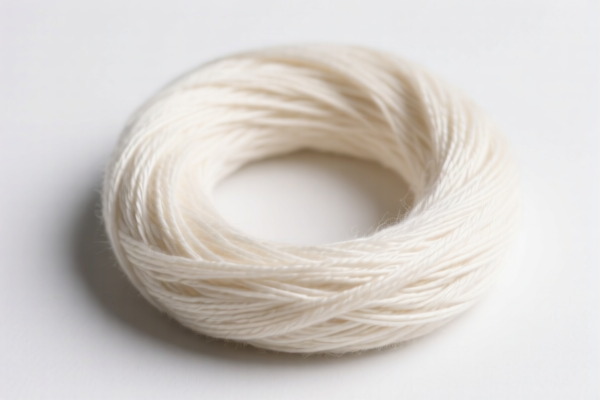
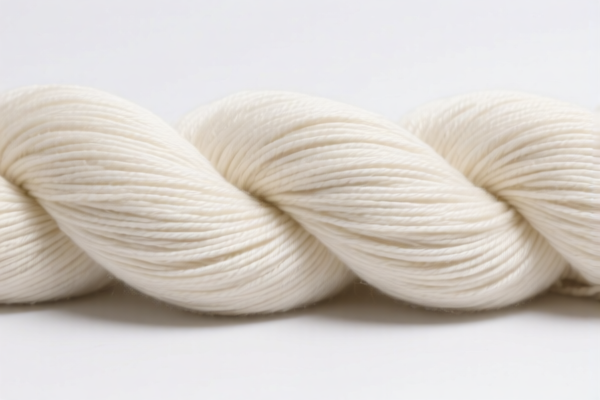
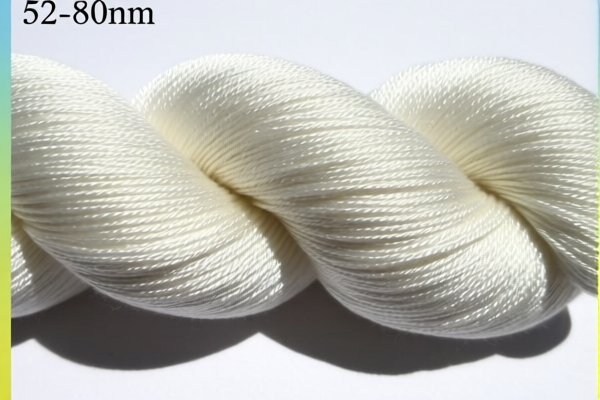
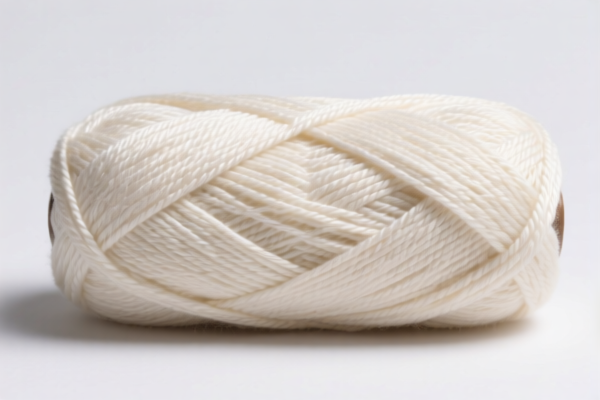
AI Analysis
🧵 80/2 Ring Spun Cotton Yarn for Woven Fabric
🌐 HS Code Reference & Customs Clearance Guide | 2026 Latest Tariff Analysis | Professional Clearance Strategy
📌 I. Product Definition & Classification: Do You Really Understand "Cotton Yarn"?
80/2 Ring Spun Cotton Yarn refers to a specific type of textile raw material. In international trade, the classification of cotton yarn is strictly determined by its count (fineness), spinning method, ply structure, and intended use.
- Ring Spun (环锭纺): A high-quality spinning technique that produces stronger, smoother, and more uniform yarn compared to open-end spinning.
- 80/2 Count: Indicates the yarn's fineness. "80/2" typically denotes a two-ply yarn made from two strands of No. 80 single yarn (or similar metric/imperial conversions depending on local standards), often used for fine woven fabrics like shirt materials, high-end sheeting, or delicate dress fabrics.
- For Woven Fabric (用于织造): Explicitly states the end-use, which is crucial for distinguishing it from sewing thread or knitted yarns.
⚠️ Key Distinction Point:
- If the yarn is single-ply and non-retail → It may fall under 5205.44 or 5206.32.
- If the yarn is double-ply (plied together) → It typically falls under 5206.42.
- If it is sewing thread (retail size, specific strength) → It falls under 5207.10.
Note: Since the input specifies "80/2" and "Ring Spun," we must analyze the specific sub-headings provided in the data to find the best match based on ply and fineness.
📦 II. HS Code Classification Details (2026 Latest Tariff Authority Comparison)
Based on the provided <DATA>, here are the applicable HS Codes for Ring Spun Cotton Yarn intended for weaving. The classification depends on the specific ply structure and fineness range defined by customs regulations.
| HS Code | Product Description | Applicable Scenario | Ply Structure |
|---|---|---|---|
5205.44.00.21 |
Cotton Yarn, Ring Spun, for Weaving | Fine count single yarns suitable for high-quality woven fabrics | ✅ Single (Non-plied) |
5205.44.00.29 |
Cotton Yarn, Ring Spun, Fineness in Range | Ring spun yarn where fineness meets specific interval criteria | ✅ Single (Non-plied) |
5206.42.00.00 |
Cotton Yarn, Double Ply Structure, Ring Spun Process | Best Fit for "80/2" if interpreted as a double-ply yarn | ✅ Double Ply (Plied) |
5206.32.00.00 |
Cotton Yarn, Fineness in Interval, Non-Retail | General ring-spun yarn for industrial weaving | ✅ Single or Ply |
5207.10.00.00 |
Cotton Yarn, Not Sewing Thread, for Weaving | General cotton yarn not fitting specific fineness/plly categories above | ✅ Variable |
🔍 Priority Analysis:
- The term "80/2" strongly suggests a double-ply yarn (2 strands of 80s). Therefore,5206.42.00.00is the most accurate technical classification for a double-ply ring-spun yarn.
- However, if "80/2" refers to a specific count range in a single-ply format in your local context,5205.44.00.21or5205.44.00.29would apply.
- Critical Advice: Confirm with your manufacturer whether the yarn is single-strand or plied (two strands twisted together). This is the single biggest factor in choosing between5205(Single) and5206(Plied).
💰 III. 2026 Latest Tariff Rate Detailed Breakdown (Including Surcharges, Policy Add-ons)
✅ Applicable Country: United States (US)
✅ Origin: China (CN)
✅ Effective Time: Ongoing (Subject to current trade policies)
🎯 1. 5205.44.00.21 / 5205.44.00.29 —— Cotton Yarn, Ring Spun (Single/Plied specific range)
| Item | Content |
|---|---|
| Base Tariff Rate | 9.9% (Ad Valorem) |
| Section 301 Surcharge | +25.0% (USITC Footnote) |
| Section 122 Tariff | +10.0% (Specific US Provision) |
| Total Tax Rate | 44.9% |
| Tax Calculation | CIF Value × 44.9% |
| De Minimis Exemption | ❌ Not Eligible (High tariff items usually excluded from de minimis) |
| Legal Basis Path | HTSUS:5205.44.00 → USITC:301_List3 → USITC:122_Provision |
📌 Explanation:
- These codes apply to specific fineness ranges of ring-spun cotton yarn.
- The 25% Section 301 tariff is the standard punitive tariff on Chinese textiles.
- The 10% Section 122 tariff is an additional national security/ trade balance tariff.
- Total 44.9% is a very high tariff, significantly impacting profit margins.
🎯 2. 5206.42.00.00 / 5206.32.00.00 —— Cotton Yarn, Double Ply / Fineness Interval
| Item | Content |
|---|---|
| Base Tariff Rate | 9.2% (Ad Valorem) |
| Section 301 Surcharge | +25.0% (USITC Footnote) |
| Section 122 Tariff | +10.0% (Specific US Provision) |
| Total Tax Rate | 44.2% |
| Tax Calculation | CIF Value × 44.2% |
| De Minimis Exemption | ❌ Not Eligible |
| Legal Basis Path | HTSUS:5206.42.00 → USITC:301_List3 → USITC:122_Provision |
📌 Explanation:
- Slightly Lower Rate: Note that double-ply or specific fineness yarns in5206have a 0.7% lower total tariff (44.2% vs 44.9%) compared to some5205categories.
- Why? The base rate is 9.2% vs 9.9%.
- Critical: If your "80/2" yarn is technically a double-ply yarn,5206.42.00.00is the optimal HS Code, saving you 0.7% on the CIF value.
🎯 3. 5207.10.00.00 —— Cotton Yarn, Not Sewing Thread, for Weaving
| Item | Content |
|---|---|
| Base Tariff Rate | 0.0% (Ad Valorem) |
| Section 301 Surcharge | +25.0% |
| Section 122 Tariff | +10.0% |
| Total Tax Rate | 35.0% |
| Tax Calculation | CIF Value × 35.0% |
| De Minimis Exemption | ❌ Not Eligible |
| Legal Basis Path | HTSUS:5207.10.00 → USITC:301_List3 → USITC:122_Provision |
📌 Explanation:
- Lowest Tariff: This category offers the lowest total tax at 35.0%.
- Condition: The yarn must not be classified as sewing thread (which has different specs) and must be for weaving.
- Risk: Customs may challenge this if the yarn is clearly ring-spun and high-count, potentially reclassifying it to5205or5206(44%+). Use only if the yarn does not meet the strict fineness/plly definitions of 5205/5206.
🛠️ IV. Customs Clearance Practical Advice (Battle-Tested Pitfall Avoidance)
✅ 1. Required Documentation Checklist (Mandatory)
| Document | Must Provide | Description |
|---|---|---|
| ✅ Product Specification Sheet | ✔️ | Must clearly state: Ring Spun, Cotton 100%, Count (e.g., 80s/2), End Use (Woven Fabric). |
| ✅ Yarn Structure Diagram | ✔️ | Show if it is Single or Plied (Double/Triple). This is critical for HS Code accuracy. |
| ✅ Commercial Invoice | ✔️ | Describe as: "100% Cotton Ring Spun Yarn, Count 80/2, for Woven Fabric" |
| ✅ Packing List | ✔️ | Show net/gross weight. Ensure no mixed packaging with sewing thread. |
| ✅ Certificate of Origin | ✔️ | Essential for proving Chinese origin (subject to tariffs). |
| ✅ Test Report (Optional but Recommended) | ✔️ | From SGS/Intertek confirming cotton content and spinning method. |
✅ 2. Declaration Tips (Key Mantras)
🔥 “Ply Defines Code, Use Defines Category, Name Must Match!”
| Scenario | Correct HS Code | Wrong Practice |
|---|---|---|
| Double-Ply Yarn (2 strands twisted) | 5206.42.00.00 (44.2%) |
Misdeclare as Single Yarn → Customs may reclassify & penalize |
| Single Yarn, Fine Count | 5205.44.00.21/29 (44.9%) |
Misdeclare as Sewing Thread → Penalty for false classification |
| Sewing Thread (Retail size) | 5204.11.xx (Different Rate) |
Misdeclare as Weaving Yarn → Delay in clearance |
| General Weaving Yarn | 5207.10.00.00 (35.0%) |
Use only if it doesn't fit 5205/5206 specs |
✅ 3. Special Handling for "80/2" Yarn
| Situation | Handling Advice |
|---|---|
| "80/2" Ambiguity | Clarify if "80/2" means 80s count, 2-ply. If yes, use 5206.42.00.00. If it means something else, provide technical proof. |
| Mixed Shipments | If the shipment contains both sewing thread and weaving yarn, declare them separately on the commercial invoice. Do not mix HS Codes. |
| Labeling | Ensure yarn cones/bobbins are labeled with Content (100% Cotton), Count, and Spinning Method (Ring). |
🌍 V. Global Market Clearance Comparison (2026 Latest)
| Country/Region | Recommended HS Code | Tariff (China Origin) | Certification | Remarks |
|---|---|---|---|---|
| 🇺🇸 USA | 5206.42.00.00 |
44.2% | None specific | High tariff due to 301 + 122 |
| 🇨🇳 China | 5205.44.00 / 5206.42.00 |
~8-10% | None | Domestic trade applies |
| 🇪🇺 EU | 5205 / 5206 |
~0-9.5% | None | No Section 301/122 equivalents |
| 🇬🇧 UK | 5205 / 5206 |
~0-9.5% | None | Post-Brexit tariffs apply |
| 🇦🇪 UAE | 5205 / 5206 |
5% | None | GCC Common External Tariff |
📌 Conclusion:
- USA is the most expensive market due to 44.2%-44.9% total tariffs.
- EU/UK are far more competitive with 0-9.5% tariffs.
- Strategy: If exporting to the US, consider pricing strategies to absorb the 44% tax, or explore tariff engineering (e.g., ensuring correct classification as5206.42.00.00for the 0.7% saving).
📌 VI. Common Errors & Pitfall Avoidance (Blood-Tears Lessons)
❌ Error 1: Classifying double-ply yarn as single-ply (5205 vs 5206)
👉 Consequence: Incorrect tariff calculation, potential customs audit, and penalties.
❌ Error 2: Declaring ring-spun yarn as sewing thread (5207.10.00.00) to get lower tax (35%)
👉 Consequence: Customs will reject if the yarn is clearly for weaving and not in retail sewing size. High risk of rejection.
❌ Error 3: Missing Ply Information on Documents
👉 Consequence: Customs cannot determine the correct HS Code, leading to delays and storage fees.
✅ Correct Practice:
"100% Cotton Ring Spun Yarn, 80s/2 (Two-Ply), for Woven Fabric, Net Weight 500kg, HS Code 5206.42.00.00"
🎯 VII. Conclusion: Precise Classification, Cost Savings, Smooth Clearance!
🎯 Remember the Mantra:
🔹 “Ply is Key, 5206 Beats 5205, 5207 is Risky!”
🔹 “301 + 122 = 35%+ Tax, Plan Your Price!”
📌 Pro Tip:
- If your yarn is 100% Cotton, ensure no blends are declared, as this changes the HS Code entirely.
- Pre-Arrangement: Consider applying for an Advance Ruling from US Customs if the shipment value is high, to confirm the
5206.42.00.00classification.- Supplier Communication: Ask your supplier for a Yarn Structure Certificate to prove the "Ring Spun" and "Ply" details.
📣 Immediate Action:
📞 Verify Ply Structure with Supplier → Select
5206.42.00.00for 44.2% Tax → Prepare Spec Sheet → Clear Customs Smoothly!
✨ Professional Clearance, Starting with Precise Classification!
💼 Every Cent of Tariff Counts in the Apparel Supply Chain!
Customer Reviews
About HS Code Classification
The Harmonized System (HS) is an internationally standardized nomenclature developed by the World Customs Organization (WCO) to classify traded products. Over 200 countries use the HS system as the basis for customs tariffs, trade statistics, and import/export regulations.
Each HS code follows a hierarchical structure:
- Chapter (2 digits) — Broad category of goods (e.g., Chapter 84: Machinery and Mechanical Appliances)
- Heading (4 digits) — More specific grouping within the chapter
- Subheading (6 digits) — Internationally standardized breakdown, used by all WCO member countries
- National subdivisions (8-10 digits) — Country-specific extensions for further classification, such as US HTSUS 10-digit codes
Correct HS code classification is essential for smooth customs clearance, accurate duty payment, and compliance with trade regulations. Misclassification can lead to customs delays, overpayment of duties, or penalties.
When importing from CN to US, the applicable tariff rates may include:
- Most-Favored-Nation (MFN) rate — The standard duty rate applied to WTO members
- General rate — Applied to countries without trade agreements
- Trade remedy duties — Additional tariffs such as Section 301 (anti-dumping), Section 232 (national security), or countervailing duties
The information provided on this page is for reference purposes only. For official classification, please consult with your local customs authority or a licensed customs broker.