9 Telephone Cord Hair Ties
CN → US| HS Code | Tariff Rate | Origin | Destination | Doc |
|---|---|---|---|---|
| 9602001080 | 20.5% | CN | US | Official Doc |
| 9602005080 | 20.2% | CN | US | Official Doc |
| 6117909095 | 32.1% | CN | US | Official Doc |
| 6117808500 | 32.1% | CN | US | Official Doc |
Product Images
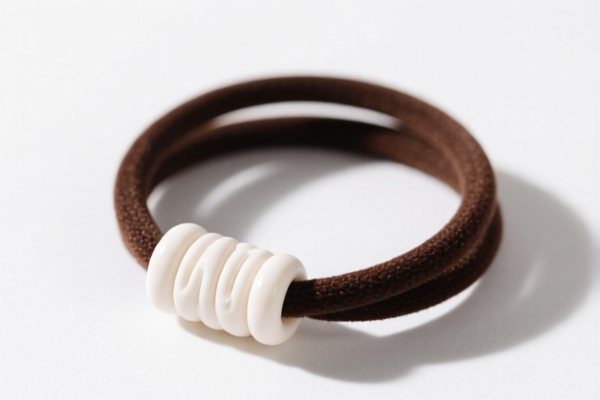
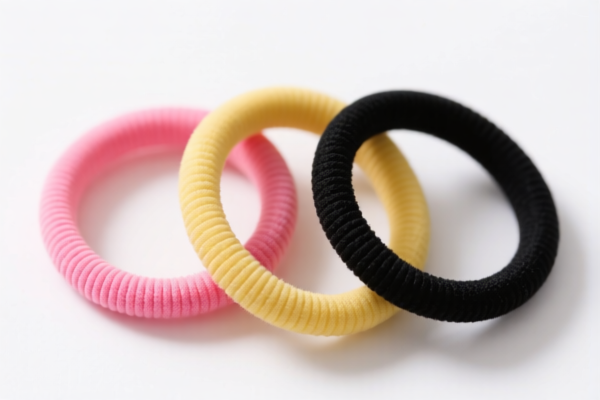


AI Analysis
📞 Hair Accessories & Plastic Essentials (Telephone Cord Hair Ties)
🌐 HS Code Reference & Customs Clearance Guide | 2026 Latest Tariff Analysis | Professional Logistics Strategy
📌 I. Product Definition & Classification: What Exactly Are "Telephone Cord Hair Ties"?
"Telephone Cord Hair Ties" (often resembling coiled springs) are flexible hair accessories used to secure hairstyles. In international trade, they fall into two distinct categories based on their material composition and manufacturing process:
1. Knitted or Crocheted Accessories:
These are made from elastic yarns (often Lycra or spandex blends) that are knitted or crocheted into a coil shape. They are classified as textile/apparel accessories.
2. Plastic/Elastic Bands:
These are molded or extruded entirely from synthetic rubber or plastics (like TPE or PVC) to mimic the coiled structure. They are classified as articles of plastics/elastic materials.
⚠️ Key Distinction:
- If the item is knitted/crocheted fabric, it goes to Chapter 61.
- If the item is molded/extruded plastic or pure elastic, it goes to Chapter 39.
- Note: Some users might confuse these with cosmetic tools (Ch 96), but "hair ties" are strictly apparel accessories, not cosmetic instruments.
📦 II. HS Code Classification Matrix (2026 Latest Tariff Authority)
| HS Code | Product Description | Material/Process | Applicable Scenario | Tax Category |
|---|---|---|---|---|
6117.80.85.00 |
Other made up clothing accessories, knitted or crocheted: Headbands, ponytail holders and similar articles | Knitted/Crocheted Textile/Elastic Yarn | Standard coiled hair ties made of fabric/elastic yarns | 🇺🇸 US: 22.1% |
3926.90.99.05 |
Other articles of plastics: Other Elastic bands made wholly of plastics | Plastic/Elastic (Molded/Extruded) | Coiled hair ties made entirely of synthetic plastic or rubber | 🇺🇸 US: 12.8% |
6117.90.90.95 |
Parts of clothing accessories | Parts (Not Main Product) | Loose elastic bands or parts sold separately as components | 🇺🇸 US: 0.0% |
🔍 Critical Clarification:
- "Telephone Cord" Shape ≠ Cosmetic Tool: Even if they look like tools, if they are used for hair (an apparel function), they are accessories, not cosmetics (Chapter 96).
- Material is King: The primary driver for HS Code selection is whether the item is knitted (Textile) or plastic (Chemical).
- Parts vs. Articles: If you sell the hair tie as a complete article, do not use6117.90.90.95. That code is for components (e.g., just the elastic thread without the final finished shape).
💰 III. 2026 Tariff Rate Detailed Analysis (US Market Focus)
✅ Applicable Country: United States (US)
✅ Origin: China (CN) (Assumed based on common sourcing)
✅ Effective Date: Current rates apply (Section 301 & IEEPA provisions active)
🎯 1. 6117.80.85.00 — Knitted/Crocheted Hair Accessories (Most Common for "Fabric" Ties)
| Item | Detail |
|---|---|
| Base Tariff | 14.6% |
| Section 301 Add-on | +7.5% |
| Total Tax Rate | 22.1% |
| Calculation | CIF Value × 22.1% |
| De Minimis Exemption? | ❌ NO |
| Legal Path | USITC:6117.80.85.00 → FOOTNOTE:301 |
📌 Explanation:
- Knitted textile accessories are subject to standard textile duties plus the Section 301 additional duty for Chinese goods.
- 22.1% is a significant cost driver. Importers must verify if the tie is truly "knitted/crocheted" and not just "elastic."
🎯 2. 3926.90.99.05 — Elastic Bands Made Wholly of Plastics (Plastic Spring Ties)
| Item | Detail |
|---|---|
| Base Tariff | 5.3% |
| Section 301 Add-on | +7.5% |
| Total Tax Rate | 12.8% |
| Calculation | CIF Value × 12.8% |
| De Minimis Exemption? | ❌ NO |
| Legal Path | USITC:3926.90.99.05 → FOOTNOTE:301 |
📌 Explanation:
- If the hair tie is molded plastic or pure synthetic elastic (no textile knitting), the tariff is lower (12.8%).
- This is a cost-saving opportunity if the product is indeed plastic-based. Do not misdeclare plastic items as textile to avoid scrutiny.
🎯 3. 6117.90.90.95 — Parts of Accessories (Only for Components)
| Item | Detail |
|---|---|
| Base Tariff | 0.0% |
| Section 301 Add-on | 0.0% |
| Total Tax Rate | 0.0% |
| Usage | ❌ Misuse Risk: Do NOT use this for finished hair ties. |
📌 Warning:
- This code is for parts (e.g., rolls of elastic band).
- Using this for finished hair ties is misclassification. Customs will assess the correct tax (22.1% or 12.8%) + penalties + interest.
- Only use if you are shipping raw elastic components, not finished hair accessories.
🛠️ IV. Customs Clearance Practical Advice (Avoiding Pitfalls)
✅ 1. Required Documentation Checklist
| Document | Required? | Reason |
|---|---|---|
| ✅ Product Specification Sheet | ✔️ | Must explicitly state: "Hair Accessory," "Coiled Spring Design," and Material Composition (e.g., "95% Polyester/5% Spandex Knitted" vs. "100% TPE Plastic"). |
| ✅ Material Breakdown | ✔️ | Crucial for distinguishing between 6117 (Textile) and 3926 (Plastic). |
| ✅ Commercial Invoice | ✔️ | Must not use vague terms like "Plastic Toy." Use "Hair Accessory - Coiled Elastic." |
| ✅ HS Code Pre-Ruling (Optional but Recommended) | ✔️ | To lock in the correct classification and avoid post-entry audits. |
✅ 2. Declaration Strategy
| Scenario | Correct HS Code | Wrong Code | Consequence |
|---|---|---|---|
| Knitted Fabric Coil | 6117.80.85.00 |
3926.90.99.05 |
Overpayment? No, underpayment → Audit + Penalty |
| Plastic Spring | 3926.90.99.05 |
6117.80.85.00 |
Overpayment → Lost Profit |
| Finished Hair Tie | 6117.80.85.00 / 3926.90.99.05 |
6117.90.90.95 |
High Risk of Rejection/Seizure for Misclassification |
🔥 Golden Rule:
"Know Your Material: Knit = 22.1%, Plastic = 12.8%, Parts = 0% (Don't Lie)."
✅ 3. Special Handling Tips
| Situation | Advice |
|---|---|
| Mixed Materials | If the tie has a plastic core with a fabric cover, analyze the essential character. Usually, the outer appearance (fabric) dictates classification under Chapter 61. |
| Small Quantities | Even for small shipments, Section 301 taxes apply. Do not rely on de minimis (under $800) unless your country has specific exemptions (US does not exempt Section 301 goods from de minimis in many cases, but verify current CBP rulings). Note: CBP has tightened de minimis for Section 301 goods. |
| Packaging | Ensure the product name on the invoice matches the HS Code description. "Hair Tie" is acceptable; "Cord" alone is vague. |
🌍 V. Global Market Comparison (2026)
| Region | Likely HS Code | Estimated Duty | Notes |
|---|---|---|---|
| 🇺🇸 USA | 6117.80.85.00 or 3926.90.99.05 |
12.8% - 22.1% | High Section 301 impact. |
| 🇨🇳 China | 6117.80.90.00 or 3926.90.90.00 |
~5-10% | Lower base rates, no Section 301. |
| 🇪🇺 EU | 6117.90.90 or 3926.90.99 |
~6-9% | No additional punitive tariffs. |
| 🇬🇧 UK | 6117.90.90 or 3926.90.99 |
~6-9% | Post-Brexit tariffs align closely with EU. |
📌 Conclusion:
The US market is the most expensive due to Section 301 tariffs. Importers should consider: 1. Sourcing from Non-China Countries (Vietnam, Bangladesh) to avoid +7.5% tariff. 2. Accurate Classification to ensure you aren't paying 22.1% if the product is actually plastic (12.8%).
📌 VI. Common Errors & Pitfalls (Lessons Learned)
❌ Error 1: Declaring a knitted hair tie as "Plastic Article" (3926).
👉 Result: Customs reclassifies → Back taxes (22.1%) + Penalties.
❌ Error 2: Declaring a finished hair tie as "Parts" (6117.90).
👉 Result: Seizure for misdeclaration. "Parts" must be unmade components.
❌ Error 3: Ignoring Section 301 in cost calculations.
👉 Result: Profit margin erased. 22.1% is not a negligible fee.
❌ Error 4: Using vague terms like "Cord" or "Spring" on the invoice.
👉 Result: Customs delay for additional information (CBP Form 28).
✅ Correct Approach:
"Coiled Hair Accessory, Knitted, Polyester/Spandex, 10pcs/bag"
HS Code: 6117.80.85.00 | Duty: 22.1%
🎯 VII. Conclusion: Precision in Classification Saves Money
🎯 Key Takeaway:
🔹 "Textile Knit = 22.1% | Plastic Molded = 12.8% | Parts = 0% (But Only For Parts)"
🔹 "Material Defines the Code, Not Just the Shape."
📌 Recommendation:
If you are importing "Telephone Cord" hair ties into the US:
1. Verify Material: Is it fabric (knitted) or plastic?
2. Calculate Correct Duty: 22.1% vs. 12.8%.
3. Document Properly: Clearly state "Knitted Hair Accessory" or "Plastic Elastic Band."
📣 Action Step:
📞 Consult a Customs Broker to confirm the material composition of your specific product.
📄 Request a Sample for customs ruling if unsure.
🚀 Optimize Costs: If plastic is an option, choose plastic for lower duty (12.8% vs 22.1%).
✨ Accurate HS Codes = Lower Duties = Higher Profits
💼 Don't Let Classification Errors Cost You Your Margin!
Customer Reviews
About HS Code Classification
The Harmonized System (HS) is an internationally standardized nomenclature developed by the World Customs Organization (WCO) to classify traded products. Over 200 countries use the HS system as the basis for customs tariffs, trade statistics, and import/export regulations.
Each HS code follows a hierarchical structure:
- Chapter (2 digits) — Broad category of goods (e.g., Chapter 84: Machinery and Mechanical Appliances)
- Heading (4 digits) — More specific grouping within the chapter
- Subheading (6 digits) — Internationally standardized breakdown, used by all WCO member countries
- National subdivisions (8-10 digits) — Country-specific extensions for further classification, such as US HTSUS 10-digit codes
Correct HS code classification is essential for smooth customs clearance, accurate duty payment, and compliance with trade regulations. Misclassification can lead to customs delays, overpayment of duties, or penalties.
When importing from CN to US, the applicable tariff rates may include:
- Most-Favored-Nation (MFN) rate — The standard duty rate applied to WTO members
- General rate — Applied to countries without trade agreements
- Trade remedy duties — Additional tariffs such as Section 301 (anti-dumping), Section 232 (national security), or countervailing duties
The information provided on this page is for reference purposes only. For official classification, please consult with your local customs authority or a licensed customs broker.