A5 Stitched Notebook
CN → US| HS Code | Tariff Rate | Origin | Destination | Doc |
|---|---|---|---|---|
| 4901990092 | 17.5% | CN | US | Official Doc |
| 4820102030 | 35.0% | CN | US | Official Doc |
| 4820102040 | 35.0% | CN | US | Official Doc |
Product Images
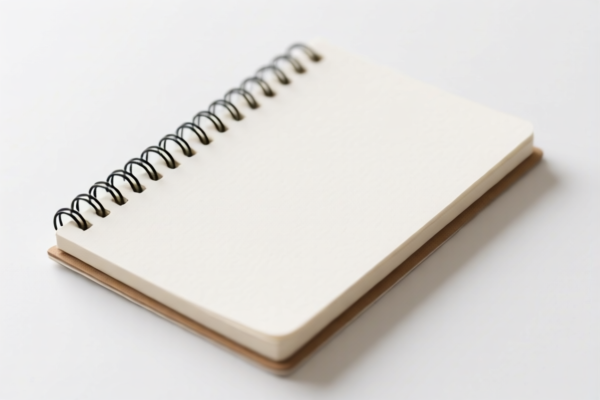
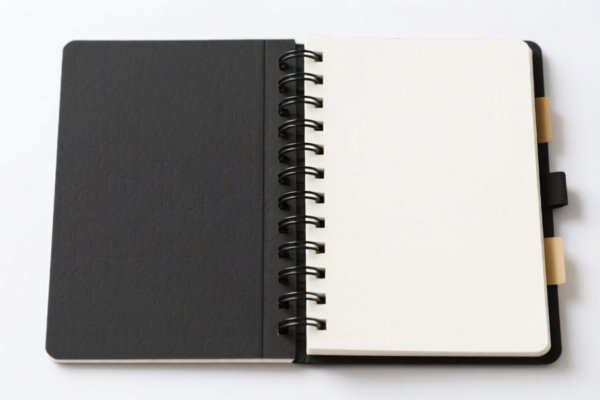
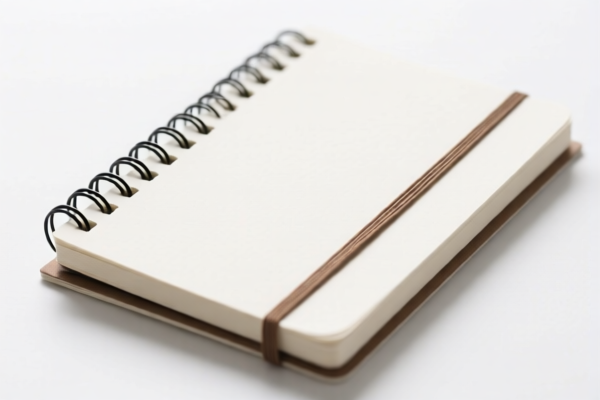

AI Analysis
📓 A5 Stitched Notebook: HS Code Classification & US Tariff Guide (2026)
🌐 HS Code Reference & Customs Clearance Guide | 2026 Latest Tariff Analysis | Professional Clearance Strategy
📌 I. Product Definition & Classification: Is it "Printing" or "Stationery"?
An A5 Stitched Notebook is a fundamental paper product used for writing, sketching, or record-keeping. In international trade (specifically US Customs), the classification hinges on one critical factor: Is it classified as a printed publication or a manufactured paper stationery item?
The distinction determines whether it falls under Chapter 49 (Printed Books/Newspapers) or Chapter 48 (Paper & Paperboard Articles). This difference drastically impacts duty rates due to Section 301 and Section 122 tariffs.
⚠️ Key Distinction Point:
- If the notebook contains printed text/images in addition to blank writing pages, or is bound in a way that resembles a book publication → Chapter 49 (4901.99.00.92)
- If the notebook is primarily blank paper for writing, bound as a standard stationery item (stitched/sewn), regardless of A5 size → Chapter 48 (4820.10.20.30 / 4820.10.20.40)
📦 II. HS Code Classification Details (2026 Latest Tariff对照)
Based on the provided data, there are three specific HS Codes for A5 Stitched Notebooks. The selection depends on the specific physical characteristics and binding details.
| HS Code | Product Description | Key Features | Total Tax Rate (US/China) |
|---|---|---|---|
4901.99.00.92 |
Printed Notebooks / Booklets | Sewn binding, classified as printed matter/books. Material: Paper. | 17.5% |
4820.10.20.30 |
Sewn Notebooks (Short Side Requirement) | Stitched notebook, dimensions meet "short side" criteria. Material: Paper. | 35.0% |
4820.10.20.40 |
Sewn Notebooks (Lower Range Dimensions) | Stitched notebook, dimensions at the lower end of the reference range. Material: Paper文具特征. | 35.0% |
🔍 Critical Analysis:
- Why 17.5% vs 35.0%?
-4901.99.00.92is treated as printed matter. The base duty is low, but it incurs a 7.5% Section 301 tariff + 10% Section 122 tariff.
-4820.10.20.30/40are treated as stationery articles. The base duty is 0%, but it incurs a massive 25% Section 301 tariff + 10% Section 122 tariff.
- Note on A5 Size: A5 is approximately 148mm x 210mm. Customs officers will check if the dimensions fit the "short side" or "lower range" definitions for Chapter 48 items. If it fits, you face the higher 35% rate. If it is classified as a "booklet" due to printing content, you may qualify for the lower 17.5% rate.
💰 III. 2026 Latest Tariff Rate Breakdown (Detailed Tax Clauses)
✅ Applicable Market: United States (US)
✅ Origin: China (CN)
✅ Effective Date: Current rates apply (Section 122 & Section 301 active)
🎯 1. HS Code 4901.99.00.92 —— Printed Notebooks (Lower Tax Bracket)
| Item | Detail |
|---|---|
| Base Duty Rate | 0.0% |
| Section 301 Additional Duty | +7.5% (Specific to certain paper articles or misclassification risk) |
| Section 122 Tariff | +10.0% (Specific to certain paper products from China) |
| Total Effective Tax Rate | 17.5% |
| Tax Calculation | CIF Value × 17.5% |
| De Minimis Eligibility | ❌ No (Section 301 and 122 tariffs generally negate de minimis benefits for B2B) |
| Legal Path | USITC:4901.99.00.92 → Sec301:7.5% → Sec122:10% |
📌 Explanation:
- This code is favorable if the product is deemed a printed publication.
- The 7.5% Section 301 rate is significantly lower than the 25% applied to standard stationery.
- The 10% Section 122 tariff is a specific punitive tariff on certain paper products.
🎯 2. HS Code 4820.10.20.30 & 4820.10.20.40 —— Sewn Notebooks (Standard Stationery)
| Item | Detail |
|---|---|
| Base Duty Rate | 0.0% |
| Section 301 Additional Duty | +25.0% (Standard 301 tariff for Chapter 48 paper articles) |
| Section 122 Tariff | +10.0% |
| Total Effective Tax Rate | 35.0% |
| Tax Calculation | CIF Value × 35.0% |
| De Minimis Eligibility | ❌ No |
| Legal Path | USITC:4820.10.20.30/40 → Sec301:25% → Sec122:10% |
📌 Explanation:
- These codes classify the notebook as a stationery item.
- The 25% Section 301 tariff is the standard penalty for Chinese paper stationery.
- Total Cost Impact: 35% is more than double the 17.5% rate. Classification strategy is crucial here.
🛠️ IV. Customs Clearance Practical Advice (Pitfall Avoidance Guide)
✅ 1. Documentation Checklist (Mandatory)
| Document | Required | Purpose |
|---|---|---|
| ✅ Product Specification Sheet | ✔️ | Must state: "Sewn Stitch Binding," "A5 Size," "Blank vs. Printed Pages." |
| ✅ Material Composition | ✔️ | Confirm paper type (e.g., "Paper," not "Plastic-covered" if it affects Chapter). |
| ✅ Product Photos | ✔️ | Clear image showing the stitching method and binding edge. |
| ✅ Commercial Invoice | ✔️ | Description must be precise: "A5 Sewn Paper Notebook, Stationery Use." |
| ✅ Packing List | ✔️ | Weight and dimensions of the package. |
✅ 2. Classification Strategy (Key Mantra)
🔥 "Stitched = Stationery (35%)? Printed = Booklet (17.5%)? Define Content First!"
| Scenario | Recommended HS Code | Tax Rate | Risk |
|---|---|---|---|
| Blank Pages Only | 4820.10.20.30 or 4820.10.20.40 |
35.0% | Low. Standard for notebooks. |
| Mostly Blank, Minimal Graphics | 4820.10.20.30 |
35.0% | Low. If <10% printed, still stationery. |
| Heavy Printing (Text/Images) | 4901.99.00.92 |
17.5% | High Risk. Customs may argue it's still "notebook" if binding is typical stationery style. |
| Hardcover Book-style Binding | 4901.99.00.92 |
17.5% | Moderate. Better chance of being seen as a book. |
📌 Expert Tip:
- If your notebook is blank, you cannot use4901. You must use4820. Accept the 35% cost.
- If your notebook has printed content (e.g., lined paper, cover art, internal guides), try to argue for4901. However, be prepared for customs scrutiny. The "stitched" nature often pushes it toward Chapter 48.
✅ 3. Special Case Handling
| Situation | Advice |
|---|---|
| A5 Size Dispute | Ensure dimensions are clearly stated as 148x210mm. If close to "lower range," customs may assign 4820.10.20.40. |
| Mixed Materials | If cover is plastic, it may move to Chapter 39. Keep it 100% paper for 4820/4901. |
| De Minimis (Section 321) | ❌ Not Applicable. Section 301 and 122 tariffs apply to imports regardless of value (over $800 threshold is bypassed by these specific tariffs for China-origin goods in many contexts, or rather, the tariffs are applied on top of any exemption logic, but typically Section 301 goods are excluded from de minimis benefits in practice for B2B). |
🌍 V. Global Market Comparison (2026)
| Country/Region | Recommended HS Code | Duty Rate (China Origin) | Notes |
|---|---|---|---|
| 🇺🇸 USA | 4820.10.20.30 |
35.0% | Highest cost due to 25% Sec 301 + 10% Sec 122. |
| 🇪🇺 EU | 4820.10.00 |
6.5% | No Section 301/122. Standard EU duty. |
| 🇨🇳 China | 4820.10.00 |
Free (0%) | Import duty is 0%. |
| 🇬🇧 UK | 4820.10.00 |
6.5% | Post-Brexit standard duty. |
| 🇯🇵 Japan | 4820.10.00 |
Free (0%) | Favorable trade terms. |
📌 Conclusion:
- USA is the most expensive market for A5 Stitched Notebooks from China due to punitive tariffs.
- EU and Japan are more cost-effective alternatives for distribution if logistics allow.
📌 VI. Common Mistakes & Pitfalls (Blood & Tears Lessons)
❌ Mistake 1: Classifying a blank notebook as 4901 to save tax.
👉 Consequence: Customs audit will reclassify to 4820, charge 35% + penalties + interest.
❌ Mistake 2: Ignoring Section 122 Tariff.
👉 Consequence: Many importers forget the 10% Section 122 tariff. Total tax is not just Sec 301, but Sec 301 + Sec 122.
❌ Mistake 3: Vague Description "Notebook".
👉 Consequence: Customs may assign a default higher duty code or hold shipment for inspection.
✅ Correct Declaration:
"Paper Notebook, A5 Size, 100 Sheets, Blank Pages, Sewn Stitch Binding, For Office Use, Origin: China"
🎯 VII. Final Advice: Strategic Clearance
🎯 Remember the Golden Rule:
🔹 "Blank = 35%, Printed = 17.5% (Arguable). Stitches = Stationery. Print = Publication."
🔹 "Total Tax = 0% Base + 25% Sec301 + 10% Sec122 = 35%."
📌 Pro Tip:
If you are importing large volumes, consider Advance Ruling with US Customs (CBP) to confirm the correct HS Code for your specific product design. This prevents surprise audits and back-taxes.
📣 Action Step:
📞 Consult Customs Broker: Confirm if your specific "stitched" design qualifies for
4901if it has printed content.
🚀 Cost Calculation: Include the 35% tax in your pricing model for the US market.
✨ Professional Clearance, Precise Classification, Maximized Profit!
💼 Every dollar of duty saved is pure profit!
Customer Reviews
About HS Code Classification
The Harmonized System (HS) is an internationally standardized nomenclature developed by the World Customs Organization (WCO) to classify traded products. Over 200 countries use the HS system as the basis for customs tariffs, trade statistics, and import/export regulations.
Each HS code follows a hierarchical structure:
- Chapter (2 digits) — Broad category of goods (e.g., Chapter 84: Machinery and Mechanical Appliances)
- Heading (4 digits) — More specific grouping within the chapter
- Subheading (6 digits) — Internationally standardized breakdown, used by all WCO member countries
- National subdivisions (8-10 digits) — Country-specific extensions for further classification, such as US HTSUS 10-digit codes
Correct HS code classification is essential for smooth customs clearance, accurate duty payment, and compliance with trade regulations. Misclassification can lead to customs delays, overpayment of duties, or penalties.
When importing from CN to US, the applicable tariff rates may include:
- Most-Favored-Nation (MFN) rate — The standard duty rate applied to WTO members
- General rate — Applied to countries without trade agreements
- Trade remedy duties — Additional tariffs such as Section 301 (anti-dumping), Section 232 (national security), or countervailing duties
The information provided on this page is for reference purposes only. For official classification, please consult with your local customs authority or a licensed customs broker.