ABS Electric Cleaning Brush
CN → US| HS Code | Tariff Rate | Origin | Destination | Doc |
|---|---|---|---|---|
| 3926901000 | 20.9% | CN | US | Official Doc |
| 9603908050 | 70.3% | CN | US | Official Doc |
| 9603404060 | 14.0% | CN | US | Official Doc |
| 3926909989 | 22.8% | CN | US | Official Doc |
| 4417006000 | 35.0% | CN | US | Official Doc |
Product Images
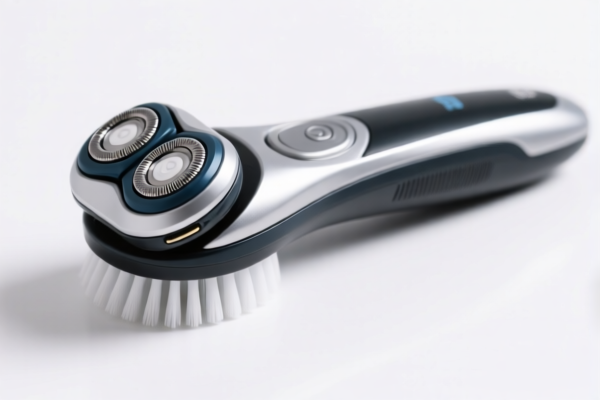
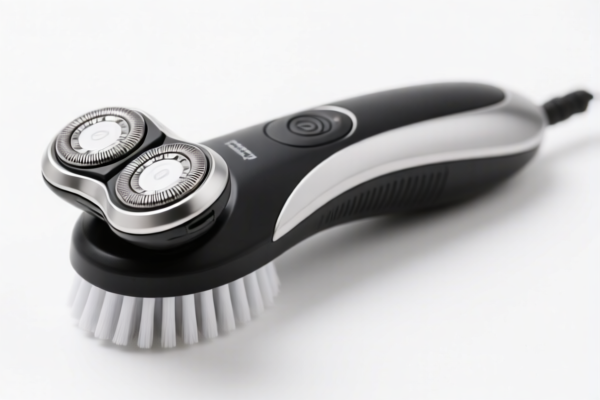
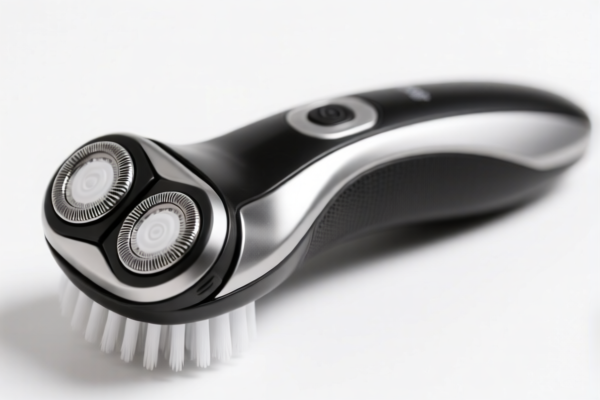
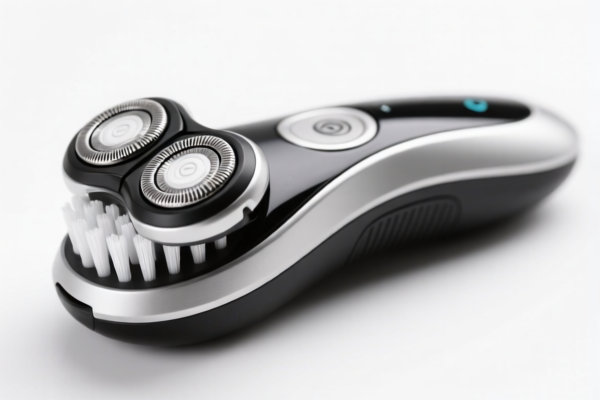
AI Analysis
🧼 ABS Electric Cleaning Brush (Plastic Cleaning Tool)
🌐 HS Code Reference & Customs Clearance Guide | 2026 Latest Tariff Analysis | Professional Compliance Strategy
📌 I. Product Definition & Classification: Do You Really Understand the "ABS Electric Cleaning Brush"?
The ABS Electric Cleaning Brush is a specialized cleaning tool constructed primarily from ABS (Acrylonitrile Butadiene Styrene) plastic. In international trade, its classification depends heavily on whether customs authorities view it as a general plastic article or a specific cleaning implement (brush). This distinction drastically affects the final duty rate.
⚠️ Key Distinction Point:
- If viewed as a general plastic good (structural/component based) →归入 3926.90.10.00 / 3926.90.99.89
- If viewed as a specialized cleaning tool/brush → 归入 9603.90.80.50 / 9603.40.40.60
- Note: Wood classification (4417.00.60.00) is invalid for ABS material and should be excluded from your analysis.
📦 II. HS Code Classification Details (2026 Latest Tariff Authority Comparison)
| HS Code | Product Description | Application Scenario | Material/Logic |
|---|---|---|---|
3926.90.10.00 |
Other articles of plastics: Specific plastic cleaning articles | ABS brush treated as a general plastic household item | ✅ Plastic (ABS) |
9603.90.80.50 |
Other brushes: Cleaning brushes/tools | ABS brush classified as a dedicated cleaning tool | ✅ Plastic (ABS) |
9603.40.40.60 |
Other brushes: Non-natural bristle, non-paint pads | ABS brush classified as a generic synthetic brush | ✅ Plastic (ABS) |
3926.90.99.89 |
Other plastic articles (General fallback) | ABS brush classified as a miscellaneous plastic product | ✅ Plastic (ABS) |
4417.00.60.00 |
Wooden tool blocks / Wooden brush handles | Invalid: Product is ABS, not wood | ❌ Wrong Material |
🔍 Critical Reminder:
- ABS is a plastic, not wood. Do not use4417.00.60.00(Wooden Brush Tools). Using this code will lead to immediate misclassification penalties. - The choice between9603(Brushes) and3926(Articles of Plastic) is the core strategic decision.9603.90.80.50often attracts the highest tariffs due to specific US Section 301/122 lists targeting Chinese consumer goods.
💰 III. 2026 Latest Tariff Rate Breakdown (Including Surcharges & Policy Add-ons)
✅ Applicable Country: United States (US)
✅ Origin: China (CN)
✅ Effective Date: From November 10, 2025 (and subsequent imports)
🎯 1. 3926.90.10.00 —— Articles of Plastic: Specific Cleaning Articles
| Item | Content |
|---|---|
| Base Rate | 3.4% (ad valorem) |
| Section 301 Surcharge | +7.5% |
| Section 122 Surcharge | +10% |
| Total Rate | 20.9% |
| Tax Calculation | CIF Value × 20.9% |
| De Minimis Exemption | ❌ Not Eligible (Due to Section 301/122) |
| Legal Basis Path | USITC:3926.90.10.00 → FOOTNOTE:301 → FOOTNOTE:122 |
📌 Explanation:
- This code offers the lowest overall tax burden (20.9%) among valid plastic/brush classifications. - It combines a low base rate with standard US China surcharges. - Strategy: Aim for this classification if the brush is considered a "plastic article" rather than a specialized "tool."
🎯 2. 9603.90.80.50 —— Other Brushes: Cleaning Tools
| Item | Content |
|---|---|
| Base Rate | 2.8% |
| Section 301 Surcharge | +7.5% |
| Section 122 Surcharge | +10% |
| Steel/Aluminum/Copper Surcharge | +50% (⚠️ Critical Warning) |
| Total Rate | 70.3% |
| Tax Calculation | CIF Value × 70.3% |
| De Minimis Exemption | ❌ Not Eligible |
| Legal Basis Path | USITC:9603.90.80.50 → FOOTNOTE:301 → FOOTNOTE:122 → FOOTNOTE:METAL |
📌 Warning:
- This is the highest risk code. - The 50% surcharge for "Steel/Aluminum/Copper products" is often incorrectly applied to brushes with metal parts or broadly applied to brush categories in certain enforcement interpretations. Even if the brush is ABS, customs may flag it under broad "brush/tool" surcharges. - Result: A massive 70.3% total tax rate. Avoid this classification if possible.
🎯 3. 9603.40.40.60 —— Other Brushes: Synthetic/Non-Natural
| Item | Content |
|---|---|
| Base Rate | 4.0% |
| Section 301 Surcharge | +0.0% (Specific exemption or lower tier) |
| Section 122 Surcharge | +10% |
| Total Rate | 14.0% |
| Tax Calculation | CIF Value × 14.0% |
| De Minimis Exemption | ❌ Not Eligible |
| Legal Basis Path | USITC:9603.40.40.60 → FOOTNOTE:122 |
📌 Advantage:
- Lowest Total Rate (14.0%). - This code has 0% Section 301 surcharge but still carries the 122 surcharge. - Condition: Must strictly be classified as "Other Brushes" not made of natural bristles or paint pads. If your ABS brush fits the definition of a generic synthetic brush, this is the optimal code.
🎯 4. 3926.90.99.89 —— Other Plastic Articles (General)
| Item | Content |
|---|---|
| Base Rate | 5.3% |
| Section 301 Surcharge | +7.5% |
| Section 122 Surcharge | +10% |
| Total Rate | 22.8% |
| Tax Calculation | CIF Value × 22.8% |
| De Minimis Exemption | ❌ Not Eligible |
| Legal Basis Path | USITC:3926.90.99.89 → FOOTNOTE:301 → FOOTNOTE:122 |
📌 Comparison:
- Slightly higher than3926.90.10.00(22.8% vs 20.9%) due to a higher base rate (5.3% vs 3.4%). - Use as a fallback if3926.90.10.00is rejected for lack of specificity.
🎯 5. 4417.00.60.00 —— Wooden Brush Tools
| Item | Content |
|---|---|
| Base Rate | 0.0% |
| Section 301 Surcharge | +25.0% |
| Section 122 Surcharge | +10% |
| Total Rate | 35.0% |
| Tax Calculation | CIF Value × 35.0% |
| Legal Basis Path | USITC:4417.00.60.00 → FOOTNOTE:301 → FOOTNOTE:122 |
📌 Fatal Error:
- ABS is NOT Wood. Using this code is a factual misclassification. - While the rate (35.0%) is moderate, the risk of customs detention, reclassification penalties, and fines is extremely high. Do not use.
🛠️ IV. Customs Clearance Operational Advice (Practical Pitfall Guide)
✅ 1. Preparation Checklist (Must-Haves)
| Document | Required | Explanation |
|---|---|---|
| ✅ Product Spec Sheet | ✔️ | Must clearly state material: "100% ABS Plastic" (Avoid "composite" if possible). |
| ✅ Product Photos | ✔️ | Clear images of the brush head and handle. Show no metal parts if claiming low metal surcharge risk. |
| ✅ Commercial Invoice | ✔️ | Description: "ABS Plastic Cleaning Brush, Household Use." Avoid "Electric" if it doesn't have a motor/battery (see note below). |
| ✅ Material Declaration | ✔️ | Explicitly state: "No Natural Bristles," "No Metal Components." |
💡 Important Note on "Electric":
- If the brush has a motor, battery, or USB charging port, it is NOT a simple plastic brush. It becomes an Electrical Appliance (likely8508or8414).
- The provided HS codes (3926,9603) assume the product is manual or the "electric" term is marketing fluff for a non-motorized tool.
- If it has a motor: The entire analysis above is incorrect. You must classify under Electrical Appliances.
- Assumption for this guide: The term "Electric" is used loosely, or it refers to an Electric Toothbrush Head (replaceable part). If it is a replaceable head for an electric toothbrush, it may still fall under9603or3926depending on US CBP rulings, but9603is more common for brush heads.
✅ 2. Classification Strategy (Key Mnemonic)
🔥 "Plastic First, Brush Second, Avoid Metal, Watch the 50%!"
| Scenario | Recommended HS Code | Tax Rate | Reason |
|---|---|---|---|
| Generic ABS Plastic Scrubber | 3926.90.10.00 |
20.9% | Low base rate, standard surcharges. Safe bet for plastic articles. |
| Synthetic Bristle Brush (No Metal) | 9603.40.40.60 |
14.0% | BEST OPTION if it fits "Other Brushes." 0% Sec 301. |
| Cleaning Tool with Metal Parts? | 9603.90.80.50 |
70.3% | AVOID. High base + Sec 301 + 50% Metal Surcharge. |
| Wooden Handle + ABS Head | 4417.00.60.00 |
35.0% | RISKY. Mixed material. If wood is significant, this might apply, but still risks misclassification. |
✅ 3. Special Case Handling
| Case | Handling Advice |
|---|---|
| "Electric" Motorized Brush | Do NOT use 3926 or 9603. Classify under Chapter 85 (Electrical machinery). Typical code: 8508.70 or 8414.90. |
| Brush Head for Electric Toothbrush | Often classified under 9603.40.40.60 or 9603.90. Verify if CBP considers it a "part" (8509/8414) or "brush" (9603). 9603 is safer if it retains brush character. |
| ABS + Bristles + Metal Wire | If metal wire is used for stiffening, 9603.90.80.50 might trigger the 50% surcharge. Try to argue "minor component" for 9603.40.40.60 (No metal surcharge) if the metal is negligible. |
🌍 V. Global Market Comparison (2026 Latest)
| Country/Region | Recommended HS Code | Tariff (China Origin) | Certification | Notes |
|---|---|---|---|---|
| 🇺🇸 USA | 9603.40.40.60 |
14.0% | FCC (if electric), CPSC | Best US Rate. Avoid 9603.90.80.50 due to 50% surcharge. |
| 🇺🇸 USA | 3926.90.10.00 |
20.9% | CPSC | Good alternative if brush classification is disputed. |
| 🇨🇳 China | 9603.40.40.60 |
5-7% | CCC (if electric) | No Section 122/301 surcharges in China. |
| 🇪🇺 EU | 9603.40 |
0-3% | CE, REACH | No surcharges. Very friendly. |
| 🇬🇧 UK | 9603.40 |
0-3% | UKCA | Post-Brexit rules apply. |
📌 Conclusion:
- The US market is the most critical due to Section 301 and 122 tariffs. - Target Code:9603.40.40.60(14.0%). It offers the lowest risk-adjusted cost if the product is strictly plastic/synthetic.
📌 VI. Common Errors & Pitfall Guide (Blood & Tears Lessons)
❌ Error 1: Using 4417.00.60.00 (Wood) for ABS Brush
👉 Consequence: Customs detention, forced reclassification, penalty fees.
👉 Fix: Always declare material as "Plastic."
❌ Error 2: Using 9603.90.80.50 for a Plastic Brush
👉 Consequence: 70.3% Tax due to erroneous 50% metal surcharge application.
👉 Fix: Fight for 9603.40.40.60 (14.0%) or 3926.90.10.00 (20.9%).
❌ Error 3: Declaring "Electric Brush" without a motor
👉 Consequence: Confusion. If it's just a shape, call it "ABS Cleaning Brush."
👉 Fix: If it has a motor, change entire classification strategy to Chapter 85.
❌ Error 4: Ignoring Section 122 (10%)
👉 Consequence: Underpayment.
👉 Fix: All China-origin goods are subject to 122 unless exempted. Factor this into all costings.
✅ Correct Declaration Example:
"ABS Plastic Cleaning Brush, Household Use, Synthetic Bristles, No Electrical Components, Model XYZ"
🎯 VII. Conclusion: Professional Declaration, Save Money, Ensure Speed!
🎯 Remember the Mantra:
🔹 "Plastic is King (3926), Brush is Queen (9603), Metal is the Enemy (+50%)!"
🔹 "Aim for9603.40.40.60(14%) or3926.90.10.00(20.9%). Avoid9603.90.80.50at all costs!"
📌 Pro Tip:
If your "Electric" brush actually contains a motor, these codes are wrong. You must consult a specialist for Chapter 85 classification (likely 8508.70), where tariffs may differ significantly (often lower base, but subject to different surcharges).
📣 Immediate Action:
📞 Contact a Customs Broker
📄 Provide detailed photos (especially material proof)
🚀 Classify Smartly, Clear Customs Fast, Maximize Profit!
✨ Professional Customs Clearance Starts with Accurate Classification!
💼 Every Percentage Point of Tax Matters!
Customer Reviews
About HS Code Classification
The Harmonized System (HS) is an internationally standardized nomenclature developed by the World Customs Organization (WCO) to classify traded products. Over 200 countries use the HS system as the basis for customs tariffs, trade statistics, and import/export regulations.
Each HS code follows a hierarchical structure:
- Chapter (2 digits) — Broad category of goods (e.g., Chapter 84: Machinery and Mechanical Appliances)
- Heading (4 digits) — More specific grouping within the chapter
- Subheading (6 digits) — Internationally standardized breakdown, used by all WCO member countries
- National subdivisions (8-10 digits) — Country-specific extensions for further classification, such as US HTSUS 10-digit codes
Correct HS code classification is essential for smooth customs clearance, accurate duty payment, and compliance with trade regulations. Misclassification can lead to customs delays, overpayment of duties, or penalties.
When importing from CN to US, the applicable tariff rates may include:
- Most-Favored-Nation (MFN) rate — The standard duty rate applied to WTO members
- General rate — Applied to countries without trade agreements
- Trade remedy duties — Additional tariffs such as Section 301 (anti-dumping), Section 232 (national security), or countervailing duties
The information provided on this page is for reference purposes only. For official classification, please consult with your local customs authority or a licensed customs broker.