ABS Plastic Elbow
CN → US| HS Code | Tariff Rate | Origin | Destination | Doc |
|---|---|---|---|---|
| 3926909989 | 22.8% | CN | US | Official Doc |
| 3917400030 | 40.3% | CN | US | Official Doc |
| 3917400095 | 40.3% | CN | US | Official Doc |
Product Images

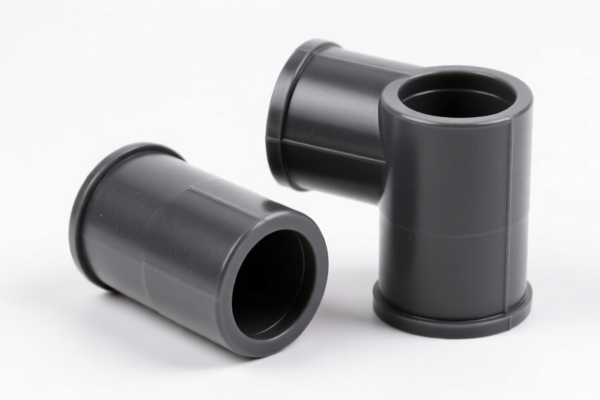
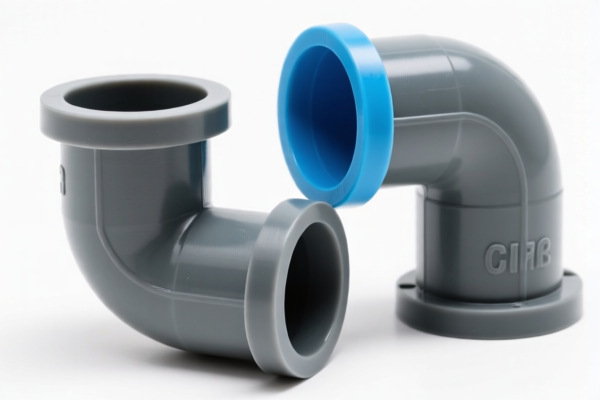
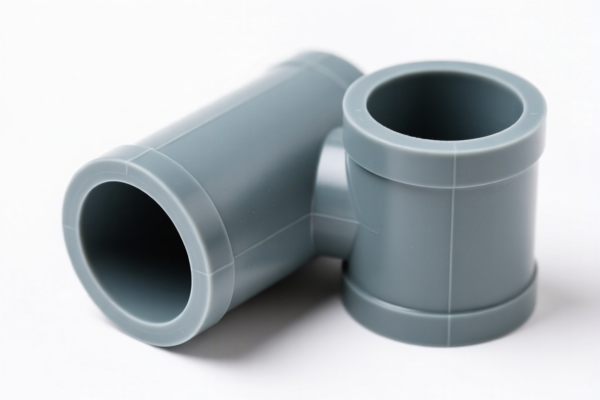
AI Analysis
🏗️ ABS Plastic Elbow (Pipeline Fittings)
🌐 HS Code Reference & Customs Clearance Guide | 2026 Latest Tariff Analysis | Professional Compliance Strategy
📌 I. Product Definition: What is an "ABS Plastic Elbow"?
An ABS Plastic Elbow is a standard pipe fitting used to change the direction of fluid flow in plumbing, drainage, or industrial piping systems. Made from Acrylonitrile Butadiene Styrene (ABS), a rigid thermoplastic known for impact resistance and chemical stability, these fittings are critical infrastructure components.
In international trade, classification hinges on two key factors: 1. Material Composition: Pure ABS plastic. 2. Function/Shape: Specifically designed as a "Fitting" (elbow, tee, connector) for pipes/tubes.
⚠️ Critical Distinction:
- If it is a standard pipe fitting (connects pipes), it belongs to Chapter 39.
- If it is a general plastic part with no specific pipe-connection function, it may fall under "Other plastic articles."
- Misclassification Risk: Declaring a pipe fitting as a "general plastic part" to avoid higher tariffs is a common audit trigger.
📦 II. HS Code Classification Details (2026 Official Tariff对照)
Based on the provided dataset, there are three potential HS Codes. Here is the breakdown of why each applies and their tax implications:
| HS Code | Product Description | Applicability | Why It Fits |
|---|---|---|---|
3917.40.00.95 |
ABS Plastic Elbow | Standard Pipe Fittings | ABS material; Form: Elbow; Category: Fittings (Accessories for pipes/tubes). |
3917.40.00.30 |
ABS Plastic Elbow | Specific ABS Pipe Fittings | ABS material; Form: Elbow; Fully complies with the definition of ABS material and pipe accessories in this subheading. |
3926.90.99.89 |
ABS Plastic Elbow | General Plastic Articles | ABS material; Form: Elbow; Category: Other plastic articles (Catch-all/Fallback category). |
🔍 Key Insight:
- Codes3917.40.00.95and3917.40.00.30are the correct and specific classifications for ABS pipe elbows because Chapter 3917 explicitly covers "Pipe, Tube and Hose Fittings." - Code3926.90.99.89is a "Catch-all" (兜底) category. While technically true that it is a plastic article, customs authorities prefer specific classifications. Using this code for a standard pipe fitting may raise red flags for misdeclaration.
💰 III. 2026 Tariff Rate Breakdown (Including Additional Duties)
✅ Applicable Country: United States (US)
✅ Origin: China (CN)
✅ Effective Date: 2025-11-10 onwards (including subsequent imports)
🎯 1. For 3917.40.00.95 & 3917.40.00.30 (Specific Pipe Fittings)
| Item | Detail |
|---|---|
| Base Tariff | 5.3% (Ad Valorem) |
| Section 301 Additional Tariff | +25.0% (USITC Footnote 1 for China-origin goods) |
| Section 122 Tariff | +10.0% (Specific to certain industrial/plastic components) |
| Total Tax Rate | 40.3% |
| Tax Calculation | CIF Value × 40.3% |
| De Minimis Exemption | ❌ Not Eligible (deny_de_minimis) |
| Legal Path | USITC:3917.40.00 → FOOTNOTE:301 → SECTION:122 |
📌 Explanation:
- These two HS codes are treated identically regarding taxation.
- The 40.3% rate is high due to the combination of base duties and aggressive US trade policies (Section 301 + Section 122).
- Crucial: Both codes fall under the strict tariff regime for Chinese-origin plastic pipe fittings.
🎯 2. For 3926.90.99.89 (General Plastic Articles)
| Item | Detail |
|---|---|
| Base Tariff | 5.3% (Ad Valorem) |
| Section 301 Additional Tariff | +7.5% (Lower Section 301 rate for this specific subheading) |
| Section 122 Tariff | +10.0% |
| Total Tax Rate | 22.8% |
| Tax Calculation | CIF Value × 22.8% |
| De Minimis Exemption | ❌ Not Eligible (deny_de_minimis) |
| Legal Path | USITC:3926.90.99 → FOOTNOTE:301 → SECTION:122 |
📌 Explanation:
- This code offers a significantly lower total tax rate (22.8% vs 40.3%).
- However, this is a "Fallback" (兜底) classification.
- Risk: If Customs determines the item is clearly a "pipe fitting" (which elbows are), they may reclassify it to3917.40.00, resulting in back taxes, penalties, and interest.
- Recommendation: Only use this if the item is not a standard pipe fitting (e.g., a decorative plastic elbow not designed for pressurized fluid transport).
🛠️ IV. Customs Clearance Practical Advice (Avoid Pitfalls)
✅ 1. Document Checklist (Non-Negotiable)
| Document | Required | Notes |
|---|---|---|
| ✅ Product Specification Sheet | ✔️ | Must state: Material (ABS), Usage (Plumbing/Pipe Fitting), Pressure Rating. |
| ✅ Product Photos | ✔️ | Clear images showing connection ends (socket/spigot), shape (90°/45°), and any certification marks. |
| ✅ Commercial Invoice | ✔️ | Description must be precise: "ABS Plastic Pipe Elbow, Size X, for PVC/ABS Pipes." Avoid vague terms like "Plastic Part". |
| ✅ Packing List | ✔️ | Weight, dimensions, and quantity. |
| ✅ Material Safety Data Sheet (MSDS) | ✔️ | For ABS plastic, proving it is non-hazardous. |
| ✅ Country of Origin Certificate | ✔️ | Essential for applying/avoiding Section 301 tariffs. |
✅ 2. Declaration Strategy (Key Mantra)
🔥 “Be Specific on Function, Don’t Game the System!”
| Scenario | Correct Declaration | Wrong Declaration | Consequence |
|---|---|---|---|
| Standard Pipe Elbow | HS 3917.40.00.30/95 | HS 3926.90.99.89 | Audit Risk: Rejected, re-classified to 40.3% + Penalties. |
| Non-Pipe Plastic Piece | HS 3926.90.99.89 | HS 3917.40.00 | Potential under-declaration of duty if it is a fitting. |
| Vague Description | "Plastic Connector" | "ABS Plastic Elbow" | Customs delay: Request for additional info, potential hold. |
✅ 3. Special Handling Tips
| Situation | Advice |
|---|---|
| OEM Custom Elbows | Provide client drawings to prove custom specification, but still declare as "Fitting" if it connects pipes. |
| Kit Sales (Elbow + Pipe) | Declare as "Fitting" only if pipes are accessories. If sold as a complete system, may require split declaration. |
| High-Pressure vs. Drainage | Both are "Fittings." No difference in HS Code, but specify in docs to prove industrial use if needed for certifications. |
| Avoid "De Minimis" Abuse | Do NOT ship elbows in small packages claiming < $800 value. Section 301/122 tariffs often block de minimis for Chinese plastics. |
🌍 V. Global Market Comparison (2026)
| Region | Recommended HS Code | Estimated Tax (China Origin) | Key Requirement |
|---|---|---|---|
| 🇺🇸 USA | 3917.40.00.30/95 |
40.3% | Strict Section 301 + 122. High compliance cost. |
| 🇨🇳 China | 3917.40.00.00 |
5.3% | Standard import duty. No additional US-style tariffs. |
| 🇪🇺 EU | 3917.29 / 3917.39 |
0% - 4.5% | CE Marking, REACH Compliance. No Section 301. |
| 🇬🇧 UK | 3917.29 |
0% - 4.5% | UKCA Marking. Post-Brexit rules apply. |
📌 Conclusion:
- The US market is the most expensive for ABS plastic elbows due to layered tariffs.
- EU/UK are more favorable if you can comply with REACH/CE standards.
- Risk Warning: Do not attempt to misclassify3917(Fittings) as3926(General) in the US to save 17.5%. The savings are outweighed by the risk of seizure and legal action.
📌 VI. Common Mistakes & Pitfalls (Blood Lessons)
❌ Mistake 1: Declaring "ABS Elbow" as "Plastic Fitting for General Use" to fit 3926.
👉 Result: Customs AI flags mismatch between product image (pipe connection) and HS Code. Penalty + Back Tax.
❌ Mistake 2: Ignoring Section 122 Tariff.
👉 Result: Missing the additional 10% leads to sudden payment demands at the border. Cash Flow Shock.
❌ Mistake 3: Assuming "De Minimis" ($800) applies.
👉 Result: ABS plastic elbows from China are often excluded from de minimis under Section 301/122. Package Held.
❌ Mistake 4: Vague Invoice Description ("Plastic Parts").
👉 Result: Customs requests classification proof. 3-5 Day Delay.
✅ Correct Approach:
"ABS Plastic Pipe Elbow, 2-inch, Socket Type, For Drainage Systems, Country of Origin: China"
🎯 VII. Conclusion: Precision in Classification Saves Money
🎯 Remember the Mantra:
🔹 "Fitting is 3917, General is 3926. Don't guess, get it right."
🔹 "40.3% for Fittings, 22.8% for General. But only if General fits!"
🔹 "Section 301 + 122 = High Cost. Plan Ahead."
📌 Pro Tip:
If you are importing into the US, request a Binding Ruling (ISF) before shipment to confirm the HS Code. This provides legal protection against retroactive penalties.
📣 Immediate Action:
📞 Contact a US Customs Broker + Provide Product Specs + Verify HS Code
🚀 Ensure smooth clearance, avoid unexpected 40.3% shocks, and protect your profit margins!
✨ Professional Customs Clearance Starts with Accurate Classification!
💼 Your Cost Savings Are Calculated to the Percent!
Customer Reviews
About HS Code Classification
The Harmonized System (HS) is an internationally standardized nomenclature developed by the World Customs Organization (WCO) to classify traded products. Over 200 countries use the HS system as the basis for customs tariffs, trade statistics, and import/export regulations.
Each HS code follows a hierarchical structure:
- Chapter (2 digits) — Broad category of goods (e.g., Chapter 84: Machinery and Mechanical Appliances)
- Heading (4 digits) — More specific grouping within the chapter
- Subheading (6 digits) — Internationally standardized breakdown, used by all WCO member countries
- National subdivisions (8-10 digits) — Country-specific extensions for further classification, such as US HTSUS 10-digit codes
Correct HS code classification is essential for smooth customs clearance, accurate duty payment, and compliance with trade regulations. Misclassification can lead to customs delays, overpayment of duties, or penalties.
When importing from CN to US, the applicable tariff rates may include:
- Most-Favored-Nation (MFN) rate — The standard duty rate applied to WTO members
- General rate — Applied to countries without trade agreements
- Trade remedy duties — Additional tariffs such as Section 301 (anti-dumping), Section 232 (national security), or countervailing duties
The information provided on this page is for reference purposes only. For official classification, please consult with your local customs authority or a licensed customs broker.