Abdominal Muscle Trainer
CN → US| HS Code | Tariff Rate | Origin | Destination | Doc |
|---|---|---|---|---|
| 9019102010 | 10.0% | CN | US | Official Doc |
| 9506910010 | 22.1% | CN | US | Official Doc |
| 9506910030 | 22.1% | CN | US | Official Doc |
| 9019102050 | 10.0% | CN | US | Official Doc |
| 8509805095 | 14.2% | CN | US | Official Doc |
| 8509805080 | 14.2% | CN | US | Official Doc |
Product Images
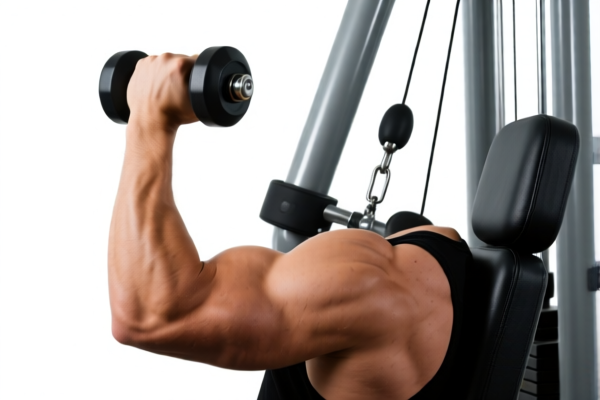
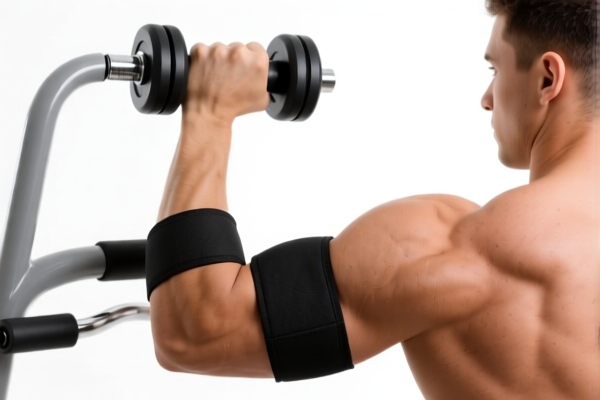
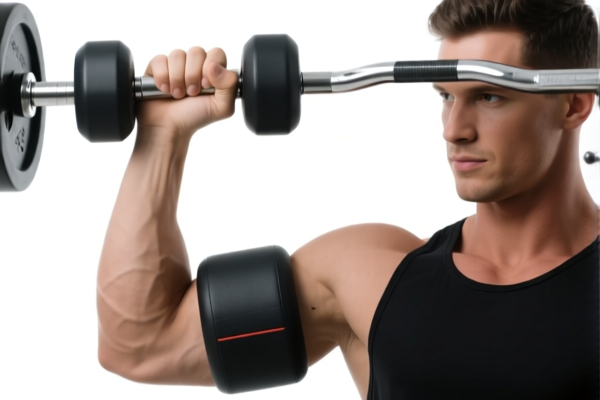
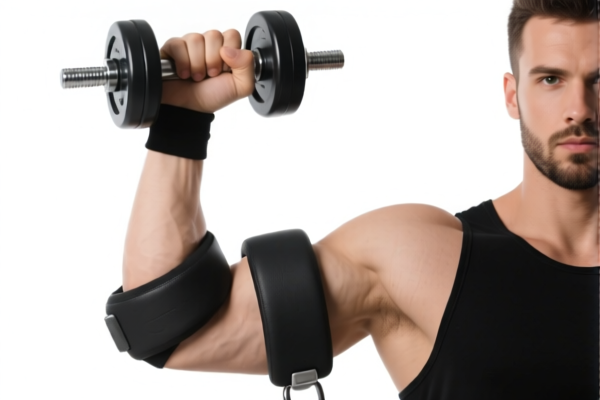
AI Analysis
🏋️ Abdominal Muscle Trainer (Muscle Abdominal Device)
🌐 HS Code Reference & Clearance Guide | 2026 Latest Tariff Analysis | Professional Customs Strategy
📌 I. Product Definition & Classification: What Exactly Is an "Abdominal Muscle Trainer"?
An Abdominal Muscle Trainer is a device designed to strengthen abdominal muscles through resistance or mechanical assistance. In international trade, its classification depends heavily on its function (medical vs. recreational) and technology (manual/mechanical vs. electronic/smart).
1. Mechanical/Manual Trainers: Non-electric devices relying on springs, weights, or body weight. These are often classified under Medical/Therapeutic Appliances (if viewed as massage/physical therapy) or Sports Equipment.
2. Smart/Electric Trainers: Devices with motors, electronic controls, or digital displays (e.g., "Smart Abdominal Training Belts"). These are typically classified under Household Electrical Appliances or Electrical Machinery.
⚠️ Key Distinction Point:
- If it is non-electric and marketed for physical therapy/massage → Look at Chapter 90 (Medical/Therapeutic).
- If it is non-electric and marketed for general exercise → Look at Chapter 95 (Sports Goods).
- If it is electric/smart with control circuits → Look at Chapter 85 (Electrical Machinery/Appliances).
📦 II. HS Code Classification Details (2026 Latest Tariff Authority Comparison)
Based on the provided data, here are the specific HS Codes and their corresponding rationales:
| HS Code | Product Description | Application Scenario | Tax Logic & Rationale |
|---|---|---|---|
9019.10.20.10 |
Mechanical Therapy Devices | Mechanical abdominal trainers marketed as part of "mechanical therapy" or rehabilitation. | Summary: Falls under "Mechanical therapy/Massage equipment." It aligns with the functional attribute of mechanical therapy devices. Tax: 10.0% |
9019.10.20.50 |
Other Mechanical Massage Appliances | Non-electric abdominal devices inferred as "other" massage appliances under mechanical therapy. | Summary: Classified as "Other" massage equipment within mechanical therapy/physiotherapy. Tax: 10.0% |
9506.91.00.10 |
General Sports/Exercise Equipment | Traditional abdominal trainers (e.g., crunch benches, resistance bands) viewed as general sports gear. | Summary: Purpose matches "Sports and gymnastics equipment." Note: Subject to additional steel/aluminum tariffs if applicable. Tax: 22.1% |
9506.91.00.30 |
Articles for General Physical Exercise | Universal fitness equipment for general physical exercise. | Summary: Fits the definition of "Articles and equipment for general physical exercise." Tax: 22.1% |
8509.80.50.95 |
Other Household Electrical Appliances | "Smart" abdominal belts with electronic components, falling under the "Other" umbrella for household appliances. | Summary: Contains electronic control parts; fits the "Other" category logic for household machines. Tax: 14.2% |
8509.80.50.80 |
Electric Household Machines | Smart abdominal trainers with electric motors, classified as "Other appliances" driven by electric motors. | Summary: Households machine with electric motor drive, fitting the "Other appliances" attribute. Tax: 14.2% |
🔍 Critical Reminder:
- Medical vs. Sports: The same physical device can have different HS codes based on marketing intent. If marketed as a rehabilitation tool, it may go to 9019 (10% tax). If marketed as gym equipment, it goes to 9506 (22.1% tax).
- Electric vs. Non-Electric: If the device has a motor or smart features, it cannot be classified under 9019 or 9506. It must go to 8509 (14.2% tax).
💰 III. 2026 Latest Tariff Rate Detailed Explanation (Including Surtaxes & Policy Add-ons)
✅ Applicable Country: USA (US)
✅ Origin: China (CN)
✅ Effective Date: Post-2025 (Current Policy Window)
🎯 1. 9019.10.20.10 & 9019.10.20.50 —— Mechanical Therapy/Massage Devices
| Item | Content |
|---|---|
| Base Tariff | 0.0% (Ad Valorem) |
| Section 301 / USITC Surcharge | 7.5% (Standard Section 301 surcharge for Chapter 90 items, unless exempted) |
| IEEPA Surcharge | +10% (Specific 122-Clause tariff for Chinese products) |
| Section 232 (Steel/Aluminum) | +50% (Only if the device is made of Steel, Aluminum, or Copper and not exempted) |
| Total Tax Rate | 10.0% (Without Steel/Aluminum materials) 60.0% (If Steel/Aluminum materials apply) |
| Tax Calculation | CIF Value × 10% (or +50% if materials trigger Section 232) |
| De Minimis Eligibility | ❌ Not Eligible (Usually excluded for Section 301/IEEPA items) |
| Legal Basis Path | IEEPA:122 Clause → USITC:9019.10.20 → FOOTNOTE:301 |
📌 Explanation:
- The Base Rate is 0%, but the IEEPA 10% applies to all Chinese medical/therapeutic goods.
- The Section 301 7.5% is standard for this chapter.
- ⚠️ Warning: If your abdominal trainer has metal springs, frames, or housings made of steel/aluminum, you may face an additional 50% tariff under Section 232, pushing the total to 60%. This is a major cost driver!
🎯 2. 9506.91.00.10 & 9506.91.00.30 —— Sports & Exercise Equipment
| Item | Content |
|---|---|
| Base Tariff | 4.6% |
| Section 301 / USITC Surcharge | 7.5% |
| IEEPA Surcharge | +10% (122-Clause tariff) |
| Section 232 (Steel/Aluminum) | +50% (If made of steel, aluminum, or copper) |
| Total Tax Rate | 22.1% (Without Steel/Aluminum materials) 72.1% (If Steel/Aluminum materials apply) |
| Tax Calculation | CIF Value × 22.1% (or +50% if materials trigger Section 232) |
| De Minimis Eligibility | ❌ Not Eligible |
| Legal Basis Path | IEEPA:122 Clause → USITC:9506.91.00 → FOOTNOTE:301 |
📌 Explanation:
- Sports equipment has a 4.6% base tariff, higher than the 0% for medical devices.
- Combined with 7.5% (301) and 10% (IEEPA), the baseline is 22.1%.
- ⚠️ Material Trap: Like medical devices, if the sports equipment contains significant steel/aluminum components, the 50% Section 232 tariff applies, leading to a staggering 72.1% total tax.
🎯 3. 8509.80.50.95 & 8509.80.50.80 —— Smart/Electric Abdominal Trainers
| Item | Content |
|---|---|
| Base Tariff | 4.2% |
| Section 301 / USITC Surcharge | 0.0% (Note: Some electrical appliances may be exempt from specific 301 lists, but verify current status) |
| IEEPA Surcharge | +10% (122-Clause tariff) |
| Section 232 (Steel/Aluminum) | +50% (If made of steel, aluminum, or copper) |
| Total Tax Rate | 14.2% (Without Steel/Aluminum materials) 64.2% (If Steel/Aluminum materials apply) |
| Tax Calculation | CIF Value × 14.2% (or +50% if materials trigger Section 232) |
| De Minimis Eligibility | ❌ Not Eligible |
| Legal Basis Path | IEEPA:122 Clause → USITC:8509.80.50 → FOOTNOTE:301 |
📌 Explanation:
- Electric appliances have a 4.2% base tariff.
- With 10% IEEPA, the baseline is 14.2%.
- ⚠️ Material Trap: Even if it’s an "appliance," if the casing or internal frame is steel/aluminum, the 50% Section 232 tariff applies, raising the total to 64.2%.
🛠️ IV. Customs Clearance Practical Advice (Real-World Pitfall Guide)
✅ 1. Document Checklist (Essential for Clearance)
| Document | Required | Description |
|---|---|---|
| ✅ Product Specifications | ✔️ | Detailed specs: Motor voltage, weight, dimensions, material composition (plastic vs. steel). |
| ✅ Marketing Materials | ✔️ | Brochures, website screenshots showing "Medical Therapy" vs. "Fitness" claims. This determines HS Code 9019 vs. 9506. |
| ✅ Material Breakdown | ✔️ | List of materials (e.g., "ABS Plastic, Steel Spring, Rubber Grip"). Crucial for Section 232 analysis. |
| ✅ Declaration Form | ✔️ | Accurate description: e.g., "Electric Abdominal Trainer" vs. "Mechanical Abdominal Muscle Exerciser." |
| ✅ Commercial Invoice | ✔️ | Clear value declaration. |
| ✅ Certificate of Origin (CO) | ✔️ | To prove Chinese origin (triggers IEEPA/301 tariffs). |
✅ 2. Declaration Tips (Key Mnemonics)
🔥 “Function First, Material Check, Name Specific, Tax Saved!”
| Scenario | Correct Declaration | Wrong Practice |
|---|---|---|
| Non-Electric, Medical Claim | 9019.10.20.10 (Mechanical Therapy) |
Misdeclaring as Sports Gear → 22.1% Tax |
| Non-Electric, Fitness Claim | 9506.91.00.10 (Sports Equipment) |
Misdeclaring as Medical → 10% Tax (Risk of Audit) |
| Electric/Smart Device | 8509.80.50.95 (Electric Appliance) |
Misdeclaring as Mechanical → Heavy Penalties |
| Contains Steel/Aluminum | Declare Material Composition | Hiding metal content → 50% Penalty + Confiscation |
✅ 3. Special Situations & Handling
| Situation | Handling Advice |
|---|---|
| Mixed Materials (Plastic + Steel) | If steel/aluminum is >5% of weight, apply 50% Section 232. Consider using plastic frames to avoid this. |
| OEM Customization | Provide client order + design drawings. If client claims "Medical," use 9019. If "Fitness," use 9506. |
| Smart Belt (Electric) | Must declare as 8509. Do not try to hide the motor/control board. |
| Kit with Multiple Parts | Declare as one unit if packed for retail. Do not split into "belt + motor + box" to avoid higher component taxes. |
🌍 V. Global Market Comparison (2026 Latest)
| Country/Region | Recommended HS Code | Tax Rate (CN Origin) | Certification | Note |
|---|---|---|---|---|
| 🇺🇸 USA | 9019.10.20.10 (Medical) |
10.0% (or 60% if Steel) | FDA (if medical) | High risk of Section 232 if metal. |
| 🇺🇸 USA | 9506.91.00.10 (Sports) |
22.1% (or 72.1% if Steel) | None Specific | Standard sports tax. |
| 🇺🇸 USA | 8509.80.50.95 (Electric) |
14.2% (or 64.2% if Steel) | FCC + UL | Must have FCC for electronics. |
| 🇨🇳 China | 9506.91.00.10 |
5.0% - 10.0% | CCC (if electric) | Low tax. |
| 🇪🇺 EU | 9506.91 / 9019 |
0% - 4.5% | CE + RoHS | No Section 232. |
| 🇬🇧 UK | 9506.91 / 9019 |
0% - 4.5% | UKCA + RoHS | Post-Brexit rules apply. |
📌 Conclusion:
- USA is the most complex market due to the Section 301 (7.5-25%), IEEPA (10%), and Section 232 (50% for metal) tariffs.
- Material Choice is Critical: Using Plastic/Carbon Fiber instead of Steel/Aluminum can save 50% in tariffs.
- Claim Strategy: Marketing as "Therapeutic" (9019) often has a lower base tax (0%) than "Sports" (9506, 4.6%), but both face the same IEEPA/301 surcharges.
📌 VI. Common Errors & Pitfalls (Lessons Learned)
❌ Error 1: Hiding steel components in a "plastic" declaration
👉 Consequence: 50% Section 232 tariff applied retroactively + fines.
❌ Error 2: Declaring an Electric Trainer as "Mechanical" (9019)
👉 Consequence: Customs seizes goods for misclassification + penalties.
❌ Error 3: Ignoring the "122-Clause" IEEPA tariff
👉 Consequence: Underpayment of 10% + interest.
❌ Error 4: Splitting "Smart Trainer" into parts to avoid electronics tax
👉 Consequence: Higher aggregate tax rate for components.
✅ Correct Approach:
"Smart Abdominal Trainer, Electric, Model XYZ, Contains Steel Frame, FCC Certified"
→ HS Code:8509.80.50.80
→ Tax: 14.2% + 50% (Steel) = 64.2% (Plan for this cost!)
🎯 VII. Conclusion: Strategic Classification for Cost Optimization
🎯 Key Takeaways:
🔹 "Metal Means Money (Lost)": Steel/Aluminum triggers 50% Section 232. Use plastic/composite materials if possible.
🔹 "Function Dictates Code": Medical (9019) vs. Sports (9506) vs. Electric (8509). Choose based on marketing and build.
🔹 "Electric is Smarter but Heavier": Electric devices (8509) have moderate tax (14.2%) but require FCC/UL.
🔹 "Base Rate vs. Surtax": Low base rate (0-4.6%) doesn't mean low total tax. IEEPA (10%) and 301 (7.5%) are unavoidable for China-origin goods.
📌 Pro Tip:
If your product is exclusively plastic/composite and non-metallic, you can avoid the 50% Section 232 tariff entirely, reducing total tax to 10%-22% depending on HS Code.
📣 Immediate Action:
📞 Consult Customs Broker + Provide Material Breakdown + Select HS Code Based on Marketing Claims
🚀 Optimize Supply Chain: Consider shifting to non-metal components to save 50% on tariffs.
✨ Professional Clearance Starts with Accurate Classification!
💼 Every Percent Saved in Tariffs is Pure Profit!
Customer Reviews
About HS Code Classification
The Harmonized System (HS) is an internationally standardized nomenclature developed by the World Customs Organization (WCO) to classify traded products. Over 200 countries use the HS system as the basis for customs tariffs, trade statistics, and import/export regulations.
Each HS code follows a hierarchical structure:
- Chapter (2 digits) — Broad category of goods (e.g., Chapter 84: Machinery and Mechanical Appliances)
- Heading (4 digits) — More specific grouping within the chapter
- Subheading (6 digits) — Internationally standardized breakdown, used by all WCO member countries
- National subdivisions (8-10 digits) — Country-specific extensions for further classification, such as US HTSUS 10-digit codes
Correct HS code classification is essential for smooth customs clearance, accurate duty payment, and compliance with trade regulations. Misclassification can lead to customs delays, overpayment of duties, or penalties.
When importing from CN to US, the applicable tariff rates may include:
- Most-Favored-Nation (MFN) rate — The standard duty rate applied to WTO members
- General rate — Applied to countries without trade agreements
- Trade remedy duties — Additional tariffs such as Section 301 (anti-dumping), Section 232 (national security), or countervailing duties
The information provided on this page is for reference purposes only. For official classification, please consult with your local customs authority or a licensed customs broker.