Access Card
CN → US| HS Code | Tariff Rate | Origin | Destination | Doc |
|---|---|---|---|---|
| 8523520010 | 35.0% | CN | US | Official Doc |
| 8523520090 | 35.0% | CN | US | Official Doc |
Product Images
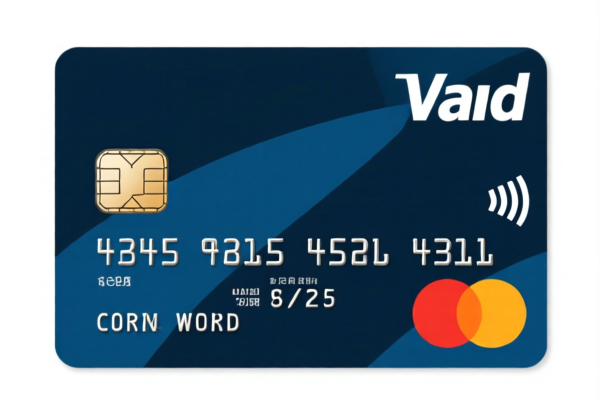
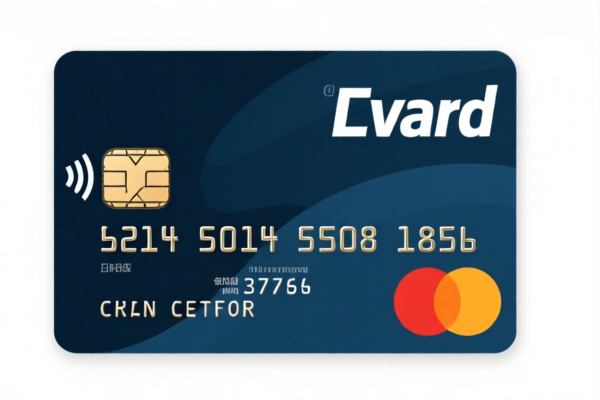
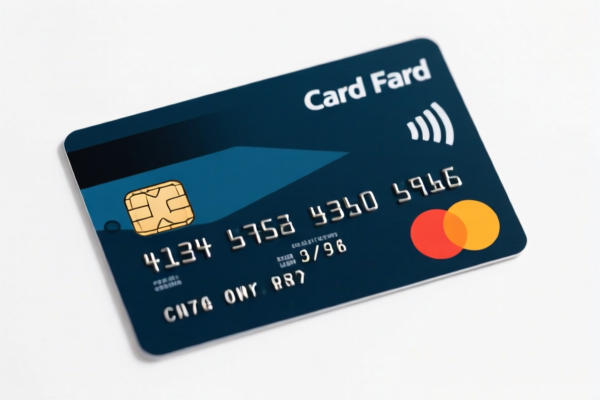
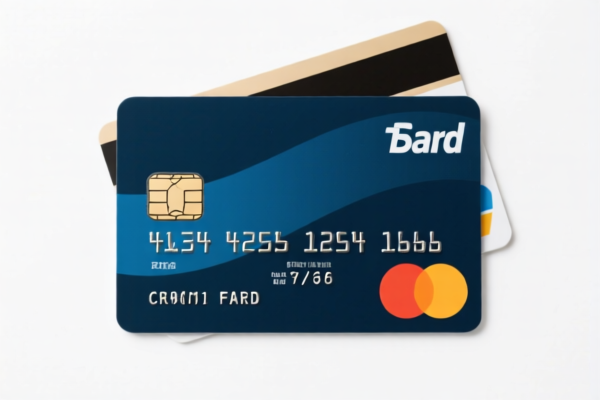
AI Analysis
💳 Smart Cards: The New Border Gatekeepers?
🌐 HS Code Reference & Customs Clearance Guide | 2026 Latest Tariff Analysis | Professional Clearance Strategy
📌 I. Product Definition & Classification: Do You Really Know "Smart Cards"?
In the digital economy, "Access Cards" (commonly referred to as Smart Cards in customs terminology) are far more than just plastic keys for doors. They are semiconductor-based data carriers used for identity verification, payment, secure communication, and access control.
Internationally, they are categorized under Chapter 85, specifically focusing on Semiconductor Media. The critical distinction lies in whether the card is recorded (contains data) or unrecorded (blank), though the specific HS codes provided below focus on the physical media classification.
⚠️ Key Distinction Point:
- Smart Cards (Semiconductor Media): Contain an embedded microprocessor/chip. These fall under HS 8523.
- Magnetic Stripe Cards: Do not contain semiconductors. These fall under HS 8523.41 (not included in the provided data).
- Chapter 37 Exclusion: Products of Chapter 37 (photographic/photocopying goods) are explicitly excluded from this classification.
📦 II. HS Code Classification Details (Based on Provided Data)
| HS Code | Product Description | Scenario | Recorded Status |
|---|---|---|---|
8523.52.00.10 |
Semiconductor media: "Smart cards" Unrecorded | Blank ID cards, pre-programmed chips awaiting final data loading, factory-direct blank access cards | ❌ Unrecorded |
8523.52.00.90 |
Semiconductor media: "Smart cards" Other | Pre-recorded access cards with pre-loaded data (e.g., prepaid transit cards, pre-issued employee badges) | ✅ Recorded |
🔍 Focus on Data:
The provided data only covers Smart Cards (semiconductor-based).
- If your "Access Card" uses a magnetic stripe, it is NOT covered by this data (it would be 8523.41).
- If it uses a chip/IC, it falls under8523.52.00.x0.
💰 III. 2026 Latest Tariff Rate Breakdown (Detailed Tax Clauses)
✅ Applicable Country: United States (US)
✅ Origin: China (CN)
✅ Effective Date: Current rates apply as per provided data.
🎯 1. 8523.52.00.10 —— Smart Cards (Unrecorded)
| Item | Content |
|---|---|
| Base Tariff | 0.0% |
| Additional Tariff | 25.0% |
| Total Tax Rate | 25.0% |
| Tax Calculation | CIF Value × 25% |
| De Minimis Exemption | ❌ Not Eligible (Subject to Section 301 Duties) |
| Legal Basis | Section 301 Tariff List (China Origin) |
📌 Explanation:
- "Base Tariff 0.0%": Under normal Most Favored Nation (MFN) treatment, semiconductor media may have low or zero base duties.
- "Additional Tariff 25.0%": This is the critical "Section 301" tariff imposed on Chinese-origin goods. It applies regardless of whether the card is blank or pre-recorded.
- Total Cost Impact: For every $10,000 of goods, you pay $2,500 in duties.
🎯 2. 8523.52.00.90 —— Smart Cards (Other/Recorded)
| Item | Content |
|---|---|
| Base Tariff | 0.0% |
| Additional Tariff | 25.0% |
| Total Tax Rate | 25.0% |
| Tax Calculation | CIF Value × 25% |
| De Minimis Exemption | ❌ Not Eligible |
| Legal Basis | Section 301 Tariff List (China Origin) |
📌 Note:
- The tax rate is identical for recorded and unrecorded smart cards in this dataset.
- There is no tax advantage to shipping blank cards vs. pre-recorded cards under this specific classification.
🛠️ IV. Customs Clearance Practical Advice (Avoid Pitfalls)
✅ 1. Preparation Checklist (Non-negotiable)
| Document | Required | Description |
|---|---|---|
| ✅ Product Technical Specification | ✔️ | Must explicitly state: "Contains integrated circuit chip" or "IC-based." |
| ✅ Commercial Invoice | ✔️ | Clear description: "Smart Card for Access Control," not just "Plastic Card." |
| ✅ Packaging List | ✔️ | Specify if cards are blank (unrecorded) or pre-loaded (recorded). |
| ✅ Origin Certificate | ✔️ | Essential for determining if Section 301 duties apply. |
| ✅ Photos | ✔️ | Show the chip/contact area if visible; prove it is not a magnetic stripe card. |
✅ 2. Declaration Tips (Key Mantras)
🔥 "Chip vs. Stripe: Know the Difference!"
| Scenario | Correct HS Code | Wrong Practice |
|---|---|---|
| IC/Chip Card (Smart Card) | 8523.52.00.10 / 8523.52.00.90 |
Misdeclare as "Magnetic Card" (8523.41) → Misclassification Penalty |
| Magnetic Stripe Card | 8523.41 (Not in provided data) |
Declaring as "Smart Card" → Incorrect Tax Base |
| Blank Cards | 8523.52.00.10 |
Declaring as "Recorded" → Unnecessary Administrative Complexity |
| Pre-loaded Cards | 8523.52.00.90 |
Declaring as "Blank" → Customs Inquiry on Value |
✅ 3. Special Cases Handling
| Situation | Handling Advice |
|---|---|
| OEM Custom Cards | Provide client order + design files. Clarify who performs the final programming (recording). |
| Contactless Cards (RFID/NFC) | If it contains a semiconductor, it still falls under 8523.52. Do not confuse with HS 8543 (radio equipment). |
| Mixed Shipments (Chips + Casings) | If importing blank chips to assemble locally, declare as Semiconductor Devices (HS 8542) or Media (HS 8523) depending on completion level. Consult a broker. |
🌍 V. Global Market Comparison (2026 Outlook)
| Country/Region | Recommended HS Code | Tariff (China Origin) | Certification | Note |
|---|---|---|---|---|
| 🇺🇸 USA | 8523.52.00.10 / .90 |
25.0% | FCC (if wireless), UL | Section 301 Applies |
| 🇨🇳 China | 8523.52.00 |
0% - 3% (Check specific) | CCC | Lower base tariff |
| 🇪🇺 EU | 8523.51 - 8523.59 |
0% | CE | No Section 301 equivalent |
| 🇦🇺 Australia | 8523.52 |
5% | RCM | No additional duties |
📌 Conclusion:
- USA is the only major market in this dataset imposing a 25% surcharge.
- Smart cards are NOT exempt from the de minimis threshold ($800) if subject to Section 301 duties. Every card counts.
📌 VI. Common Errors & Pitfalls (Lessons Learned)
❌ Error 1: Declaring "Smart Cards" as "Plastic Cards" or "Access Keys"
👉 Consequence: Customs may reject the classification, leading to delays and re-inspection.
❌ Error 2: Ignoring the "Recorded" vs. "Unrecorded" distinction
👉 Consequence: While the tax rate is the same (25%) in this data, incorrect description can trigger audits on valuation (pre-loaded cards have higher data value).
❌ Error 3: Assuming all "ID Cards" are magnetic stripes
👉 Consequence: Magnetic stripe cards fall under a different HS code (8523.41). If you declare a magnetic card under 8523.52, you may face penalties for inaccurate classification.
❌ Error 4: Not accounting for the 25% duty in cost calculations
👉 Consequence: Profit margins wiped out. Always include 25% duty in your landed cost model for US-bound smart cards.
✅ Correct Declaration Example:
"IC Card, Contactless, 13.56 MHz, for Building Access Control, Unrecorded, Model: SC-100, Origin: China"
🎯 VII. Conclusion: Precision in Classification Saves Money!
🎯 Remember the Mantra:
🔹 "Chip or Stripe? Check the Code!"
🔹 "25% on All Smart Cards to the US!"
🔹 "Blank or Recorded, Tax is the Same!"
📌 Pro Tip:
- If you are sourcing from Vietnam, Malaysia, or India, check if Section 301 duties are waived. These countries are NOT subject to the 25% China-specific tariff.
- For high-volume shipments, consider applying for Exclusions if available, or restructure supply chains to avoid China origin for US-bound inventory.
📣 Immediate Action:
📞 Verify with your Broker: Confirm if your cards are truly "Semiconductor Media" (Smart Cards) and not magnetic.
📉 Re-calculate Landed Cost: Add 25% to your US CIF value.
🚀 Source Strategically: If tariffs are prohibitive, explore non-China sourcing for US markets.
✨ Professional Clearance Starts with Accurate Classification!
💼 Don't let the 25% tariff surprise you!
Customer Reviews
About HS Code Classification
The Harmonized System (HS) is an internationally standardized nomenclature developed by the World Customs Organization (WCO) to classify traded products. Over 200 countries use the HS system as the basis for customs tariffs, trade statistics, and import/export regulations.
Each HS code follows a hierarchical structure:
- Chapter (2 digits) — Broad category of goods (e.g., Chapter 84: Machinery and Mechanical Appliances)
- Heading (4 digits) — More specific grouping within the chapter
- Subheading (6 digits) — Internationally standardized breakdown, used by all WCO member countries
- National subdivisions (8-10 digits) — Country-specific extensions for further classification, such as US HTSUS 10-digit codes
Correct HS code classification is essential for smooth customs clearance, accurate duty payment, and compliance with trade regulations. Misclassification can lead to customs delays, overpayment of duties, or penalties.
When importing from CN to US, the applicable tariff rates may include:
- Most-Favored-Nation (MFN) rate — The standard duty rate applied to WTO members
- General rate — Applied to countries without trade agreements
- Trade remedy duties — Additional tariffs such as Section 301 (anti-dumping), Section 232 (national security), or countervailing duties
The information provided on this page is for reference purposes only. For official classification, please consult with your local customs authority or a licensed customs broker.