Acetamiprid Soluble Powder Low Toxicity
CN → US| HS Code | Tariff Rate | Origin | Destination | Doc |
|---|---|---|---|---|
| 3808915001 | 40.0% | CN | US | Official Doc |
| 3808615000 | 22.5% | CN | US | Official Doc |
| 3808915001 | 40.0% | CN | US | Official Doc |
| 2933392700 | 16.5% | CN | US | Official Doc |
| 2933992200 | 16.5% | CN | US | Official Doc |
Product Images
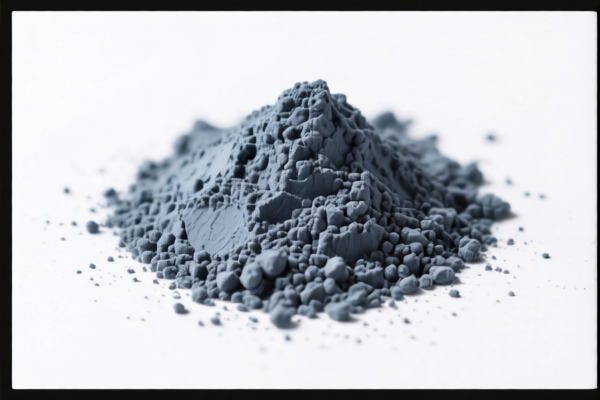
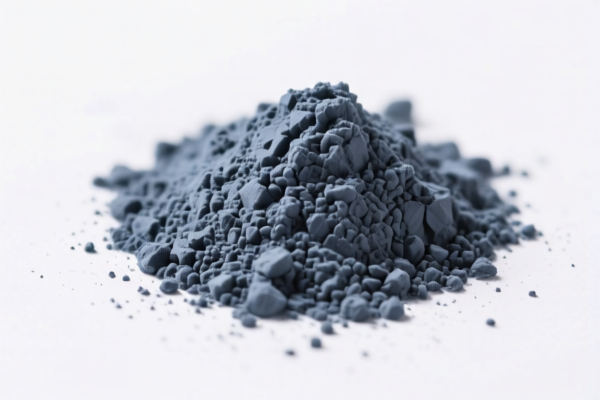
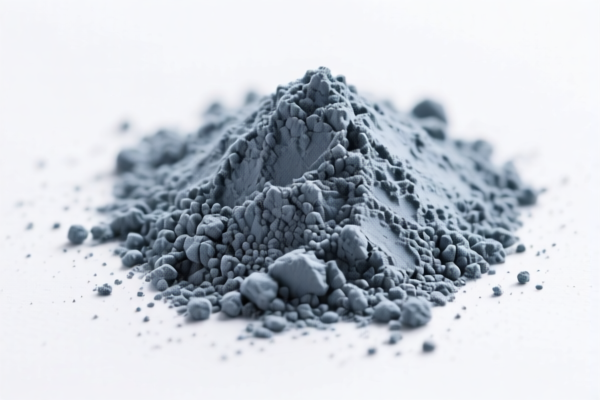
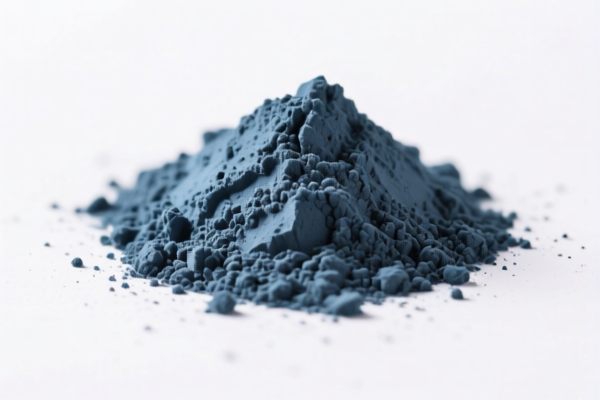
AI Analysis
🐛 Acetamiprid Soluble Powder (Low Toxicity): HS Code Classification & US Customs Clearance Guide (2026)
🌐 HS Code Reference & Customs Clearance Strategy | 2026 Latest Tariff Analysis | Professional Pesticide Import Guide
📌 I. Product Definition: What is "Acetamiprid Soluble Powder"?
Acetamiprid is a systemic neonicotinoid insecticide used widely in agriculture to control piercing-sucking insects (such as aphids, whiteflies, and thrips). In international trade, its classification depends heavily on its formulation (technical grade vs. formulated product) and chemical structure.
⚠️ Key Distinction Point: - Technical Grade (Pure Chemical): Usually classified under Chapter 29 as a heterocyclic compound. - Formulated Pesticide (Soluble Powder/WP/WDG): Classified under Chapter 38 as a prepared pesticide. - Toxicity Level: "Low Toxicity" (低毒) is a regulatory label, not a classification criterion, but it affects regulatory compliance (EPA in the US).
📦 II. HS Code Classification Details (Based on Provided Data)
Based on the provided <DATA>, there are 5 potential classification paths for Acetamiprid Soluble Powder. The choice determines your total tax burden significantly.
| HS Code | Product Description & Logic | Total Tax Rate | Key Tax Components |
|---|---|---|---|
3808.91.50.01 |
Formulated Insecticide (Soluble Powder) Classified as a finished insecticide preparation. The powder form fits the classification of insecticide formulations. |
40.0% | Base: 5.0% Section 301: 25.0% Section 122: 10.0% |
3808.61.50.00 |
Formulated Insecticide (Chemical Form) Classified as a chemical preparation of insecticides. |
22.5% | Base: 5.0% Section 301: 7.5% Section 122: 10.0% |
2933.39.27.00 |
Heterocyclic Compound (Technical Grade) Acetamiprid contains a pyridine ring. Classified as a pyridine-based pesticide intermediate. |
16.5% | Base: 6.5% Section 301: 0.0% Section 122: 10.0% |
2933.99.22.00 |
Other Heterocyclic Nitrogen Compounds Classified as a primary nitrogen-heterocyclic compound component. |
16.5% | Base: 6.5% Section 301: 0.0% Section 122: 10.0% |
3808.91.50.01 |
Formulated Insecticide (Wettable Powder) Same as the first entry, but explicitly mentions "Wettable Powder" (WP) form, which is functionally similar to soluble powder in customs logic. |
40.0% | Base: 5.0% Section 301: 25.0% Section 122: 10.0% |
🔍 Critical Analysis: - High Tax Path (40%): If declared as a finished pesticide product (
3808.91...), you face the highest tariff due to Section 301 (25%). - Medium Tax Path (22.5%): If classified under3808.61..., the Section 301 rate drops to 7.5%. - Low Tax Path (16.5%): If declared as a chemical intermediate/technical grade (2933.39...or2933.99...), Section 301 is 0%, resulting in the lowest total tax.
💰 III. 2026 Latest Tariff Rate Breakdown (Detailed Clauses)
✅ Applicable Country: United States (US)
✅ Origin: China (CN)
✅ Effective Date: Post-2025 (Based on provided tax details)
🎯 1. 3808.91.50.01 — Formulated Insecticides (Soluble/Wettable Powder)
| Item | Detail |
|---|---|
| Base Tariff | 5.0% (Ad valorem) |
| Section 301 Tariff | +25.0% (High penalty, applies to most pesticide formulations) |
| Section 122 Tariff | +10.0% (Additional surcharge) |
| Total Tax Rate | 40.0% |
| Calculation | CIF Value × 40% |
| De Minimis Exemption | ❌ Not Eligible (deny_de_minimis) |
| Legal Basis | USITC:3808.91.50.01 → SECTION301:9903.01.25 → SECTION122:9903.01.10 |
📌 Explanation:
- This is the most common classification for finished agricultural pesticides. - The 25% Section 301 is the main cost driver. - Warning: If your product is EPA-registered in the US, it must be imported as a pesticide, not a chemical.
🎯 2. 3808.61.50.00 — Other Insecticide Preparations
| Item | Detail |
|---|---|
| Base Tariff | 5.0% |
| Section 301 Tariff | +7.5% (Reduced from 25%) |
| Section 122 Tariff | +10.0% |
| Total Tax Rate | 22.5% |
| Calculation | CIF Value × 22.5% |
| De Minimis Exemption | ❌ Not Eligible |
| Legal Basis | USITC:3808.61.50.00 → SECTION301:9903.01.24 → SECTION122:9903.01.10 |
📌 Strategy:
- This code offers a 17.5% tax savings compared to3808.91. - Applicable if the product is classified under a broader "insecticide preparation" category that qualifies for lower Section 301 rates.
🎯 3. 2933.39.27.00 & 2933.99.22.00 — Technical Grade Acetamiprid
| Item | Detail |
|---|---|
| Base Tariff | 6.5% |
| Section 301 Tariff | 0.0% (Exempt) |
| Section 122 Tariff | +10.0% |
| Total Tax Rate | 16.5% |
| Calculation | CIF Value × 16.5% |
| De Minimis Exemption | ❌ Not Eligible |
| Legal Basis | USITC:2933.39.27.00 → SECTION122:9903.01.10 |
📌 Strategy:
- Lowest Tax Option. - Condition: The product must be unformulated technical grade (high purity, e.g., >95% Acetamiprid) intended for further processing into formulations. - Risk: If the product is already a "Soluble Powder" (mixed with fillers, carriers), customs may reject this code and reclassify it as3808, leading to back taxes and penalties.
🛠️ IV. Customs Clearance Practical Advice (Avoid Pitfalls)
✅ 1. Required Documentation Checklist
| Document | Required? | Notes |
|---|---|---|
| ✅ Product Specification Sheet | ✔️ | Must clearly state chemical name, purity, and formulation type. |
| ✅ EPA Registration Number | ✔️ | Mandatory for any pesticide imported into the US. No EPA # = Seizure. |
| ✅ Certificate of Analysis (COA) | ✔️ | Proves purity level (Technical vs. Formulated). |
| ✅ Safety Data Sheet (SDS) | ✔️ | Must match the "Low Toxicity" claim. |
| ✅ Commercial Invoice | ✔️ | Must specify "Acetamiprid [Formulation Type]". |
| ✅ Bill of Lading | ✔️ | Clear description of goods. |
✅ 2. Declaration Strategy (Key Rules)
🔥 "Formulation Determines Code, Purity Determines Tax!"
| Scenario | Recommended HS Code | Risk if Misdeclared |
|---|---|---|
| Finished Soluble Powder (Ready-to-use) | 3808.91.50.01 (40%) or 3808.61.50.00 (22.5%) |
If declared as 2933, customs will reject it. |
| Technical Grade Powder (High Purity, >95%) | 2933.39.27.00 (16.5%) |
If declared as 3808, you pay extra 23.5% tax. |
| Mixed Formulation (With Fillers) | 3808.91.50.01 (40%) |
Cannot use 2933 codes. |
📌 Important:
- "Soluble Powder" implies a formulated product (mixed with inert carriers). Therefore,3808is the most likely correct classification. - Using2933for a formulated powder is illegal misclassification and can result in fraud penalties.
✅ 3. Special Considerations
| Situation | Advice |
|---|---|
| Low Toxicity Claim | Ensure the SDS and label match US EPA toxicity classifications. Mismatch can cause delays. |
| Section 122 Tariff (10%) | This applies to all codes above. It is a non-negotiable surcharge for chemical imports from China. |
| EPA Compliance | Acetamiprid is a restricted-use pesticide in some states. Ensure your importer has the right permits. |
🌍 V. Global Market Comparison (2026)
| Country/Region | Recommended HS Code | Total Tariff | Notes |
|---|---|---|---|
| 🇺🇸 USA | 3808.91.50.01 |
40.0% | High Section 301 & 122 tariffs. |
| 🇺🇸 USA | 2933.39.27.00 |
16.5% | Only for Technical Grade (unformulated). |
| 🇨🇳 China | 2933.39.27.00 |
6.5% | Export duty may apply; import duty low. |
| 🇪🇺 EU | 3808.94 |
~0-10% | Varies by formulation; strict REACH compliance. |
📌 Conclusion:
- USA is the most expensive market for formulated acetamiprid due to multiple layer tariffs. - Technical Grade offers a significant tax advantage in the US, but only if the product is truly unformulated.
📌 VI. Common Mistakes & Pitfalls (Blood Lessons)
❌ Mistake 1: Declaring a Formulated Soluble Powder as 2933 (Technical Grade) to save tax.
👉 Consequence: Customs inspection finds fillers/carriers → Reclassification to 3808 + Back Taxes (23.5% difference) + Penalties.
❌ Mistake 2: Missing EPA Registration Number on the invoice.
👉 Consequence: Seizure and Destruction of goods by CBP/EPA.
❌ Mistake 3: Ignoring Section 122 (10%).
👉 Consequence: Underestimating landed cost. This 10% applies to all chemical imports from China, regardless of HS Code.
✅ Correct Practice:
"Acetamiprid 98% TC (Technical Concentrate)" →
2933.39.27.00
"Acetamiprid 20% Soluble Powder" →3808.91.50.01
🎯 VII. Conclusion: Professional Declaration, Cost Optimization!
🎯 Key Takeaway:
🔹 "Formulated = 3808 (High Tax), Technical = 2933 (Low Tax)"
🔹 "EPA Number is Non-Negotiable"
🔹 "Section 122 (10%) is Always Present"
📌 Tip:
If you are importing Technical Grade, ensure your lab test report proves purity >95% and no carriers are present. If it’s Soluble Powder, prepare for 40% tax (or 22.5% if eligible for 3808.61).
📣 Immediate Action:
📞 Consult a US Customs Broker.
📄 Verify EPA Registration.
📊 Choose the correct HS Code based on product formulation, not just cost saving.
✨ Professional Clearance Starts with Accurate Classification!
💼 Your Bottom Line Depends on the Digits of the HS Code!
Customer Reviews
About HS Code Classification
The Harmonized System (HS) is an internationally standardized nomenclature developed by the World Customs Organization (WCO) to classify traded products. Over 200 countries use the HS system as the basis for customs tariffs, trade statistics, and import/export regulations.
Each HS code follows a hierarchical structure:
- Chapter (2 digits) — Broad category of goods (e.g., Chapter 84: Machinery and Mechanical Appliances)
- Heading (4 digits) — More specific grouping within the chapter
- Subheading (6 digits) — Internationally standardized breakdown, used by all WCO member countries
- National subdivisions (8-10 digits) — Country-specific extensions for further classification, such as US HTSUS 10-digit codes
Correct HS code classification is essential for smooth customs clearance, accurate duty payment, and compliance with trade regulations. Misclassification can lead to customs delays, overpayment of duties, or penalties.
When importing from CN to US, the applicable tariff rates may include:
- Most-Favored-Nation (MFN) rate — The standard duty rate applied to WTO members
- General rate — Applied to countries without trade agreements
- Trade remedy duties — Additional tariffs such as Section 301 (anti-dumping), Section 232 (national security), or countervailing duties
The information provided on this page is for reference purposes only. For official classification, please consult with your local customs authority or a licensed customs broker.