Acrylic Conductive Film
CN → US| HS Code | Tariff Rate | Origin | Destination | Doc |
|---|---|---|---|---|
| 3919102055 | 40.8% | CN | US | Official Doc |
| 3923900080 | 38.0% | CN | US | Official Doc |
| 3920591000 | 41.0% | CN | US | Official Doc |
| 3919905060 | 40.8% | CN | US | Official Doc |
| 3923210095 | 38.0% | CN | US | Official Doc |
Product Images
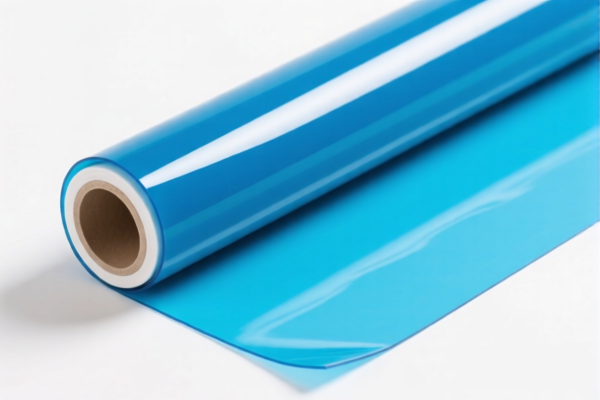
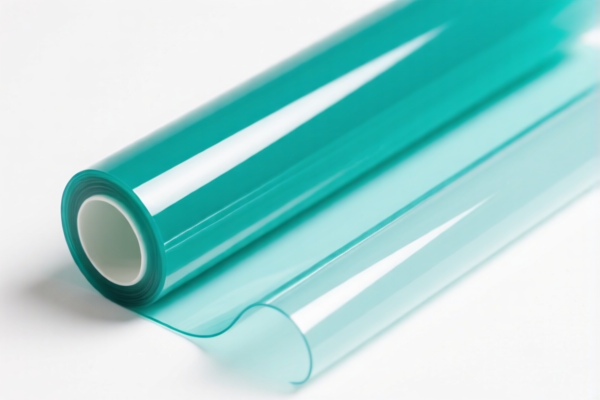
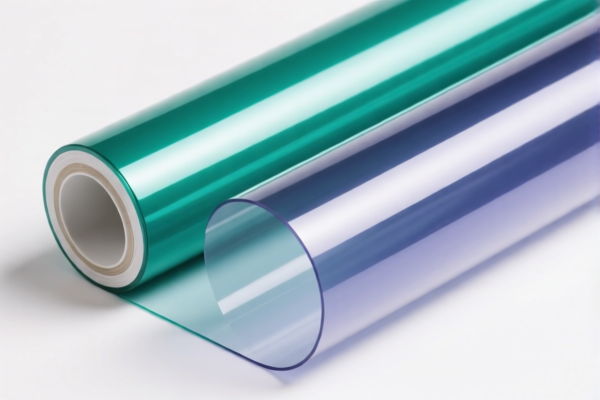
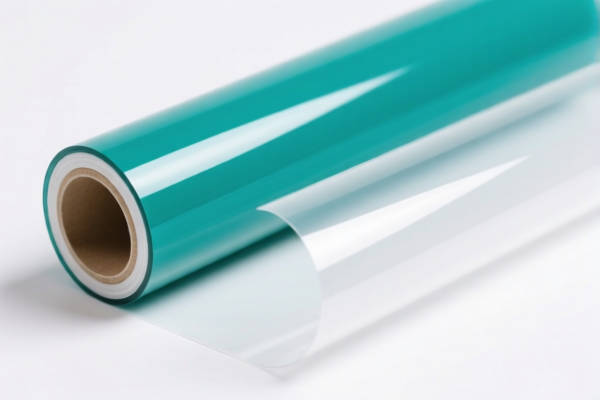
AI Analysis
🧪 Acrylic Conductive Film (Electrostatic Adsorption Packaging Film)
🌐 HS Code Reference & Customs Clearance Guide | 2026 Tariff Analysis | Professional Strategy for US Imports
📌 I. Product Definition & Classification: What is "Acrylic Conductive Film"?
Acrylic Conductive Film (often referred to as Electrostatic Adsorption Film or Anti-Static Protective Film) is a specialized packaging material made from Acrylic (PMMA/PEG) or Polypropylene (PP) derivatives. Its primary function is to cling to surfaces (glass, metals, plastics) via static electricity without leaving adhesive residue.
In international trade, classification is highly sensitive to the base material and form. It is rarely classified as a simple "plastic sheet" because of its specific electrostatic function and manufacturing process.
⚠️ Key Distinction Point:
- If it is a self-adhesive tape or roll primarily for surface protection/coating → Chapter 3919 (Self-adhesive plates/sheets/film).
- If it is a packaging article (like a bag or wrapped sheet) specifically for holding goods → Chapter 3923 (Articles for the conveyance or packaging of goods).
- If it is a rigid or semi-rigid sheet used for industrial lining rather than "packaging" in the traditional sense → Chapter 3920 (Other plates/sheets/film).
📦 II. HS Code Classification Details (2026 Latest Tariff Concordance)
Based on the provided data, here are the 5 potential classifications for Acrylic Conductive Film. Note that while the materials are similar, the legal description drives the tax liability.
| HS Code | Product Description | Application Logic | Tax Rate |
|---|---|---|---|
3919.10.20.55 |
Acrylic Plastic Electrostatic Adsorption Packaging Film | Material: Acrylic Plastic. Form: Packaging Film. Logic: Fits general "other" category logic for self-adhesive films. |
40.8% |
3923.90.00.80 |
Acrylic Plastic Electrostatic Adsorption Packaging Film | Material: Acrylic Plastic. Form: Packaging Film. Logic: Specific use for electrostatic adsorption packaging. |
38.0% |
3920.59.10.00 |
Acrylic Plastic Electrostatic Adsorption Film | Material: Acrylic Plastic. Form: Film (General). Logic: No obvious material/form conflict; treated as general plastic film. |
41.0% |
3919.90.50.60 |
Acrylic Plastic Electrostatic Adsorption Packaging Film | Material: Acrylic Plastic. Form: Packaging Film. Logic: "Other" catch-all category for self-adhesive items. |
40.8% |
3923.21.00.95 |
Acrylic Plastic Electrostatic Adsorption Packaging Film | Material: Acrylic Plastic. Form: Packaging Film. Logic: Classified under "Bags/Sacks" or similar packaging articles. |
38.0% |
🔍 Critical Note:
- HS 3923 Codes generally offer a lower base tariff (3.0%) compared to HS 3919/3920 Codes (5.8% - 6.0%). - However, all codes are subject to significant additional tariffs (See Section III). - 3923.21.00.95 and 3923.90.00.80 are the most favorable options (38.0% total) if the product can be legally defined as a "packaging article" rather than just a "film sheet."
💰 III. 2026 Latest Tariff Rate Breakdown (Including Surtaxes)
✅ Applicable Country: United States (US)
✅ Origin: China (CN)
✅ Effective Date: 2025 November 10 onwards (for subsequent imports)
🎯 1. High-Tax Scenarios: HS 3919 & 3920 (Total 40.8% - 41.0%)
These codes are classified under Self-adhesive films or General Plastic Films.
| Item | Content |
|---|---|
| Base Tariff | 5.8% (for 3919) or 6.0% (for 3920) |
| Section 301 Surcharge | +25.0% (USITC Footnote) |
| 122 Clause Surcharge | +10.0% (Specific provision for certain plastics/packaging) |
| Total Effective Rate | 40.8% ~ 41.0% |
| Tax Calculation | CIF Value × 40.8%~41.0% |
| De Minimis Exemption | ❌ Denied (deny_de_minimis) |
| Legal Basis Path | USITC:3919.10.20.55 → FOOTNOTE:301 → SECTION:122 |
📌 Explanation:
- The 25% is the standard Section 301 tariff on Chinese plastic products. - The 10% is a specific "122 Clause" tariff often applied to plastic packaging materials to protect domestic producers. - These rates are cumulative.
🎯 2. Optimal Scenarios: HS 3923 (Total 38.0%)
These codes are classified under Articles for the Conveyance or Packaging of Goods. This is the strategic choice if the film is sold as a packaged unit (e.g., rolls in boxes, pre-cut sheets for packaging).
| Item | Content |
|---|---|
| Base Tariff | 3.0% |
| Section 301 Surcharge | +25.0% |
| 122 Clause Surcharge | +10.0% |
| Total Effective Rate | 38.0% |
| Tax Calculation | CIF Value × 38.0% |
| De Minimis Exemption | ❌ Denied (deny_de_minimis) |
| Legal Basis Path | USITC:3923.90.00.80 or 3923.21.00.95 → FOOTNOTE:301 → SECTION:122 |
📌 Advantage:
- By saving 2.8% - 3.0% on the base tariff, you reduce the total cost significantly on high-volume shipments. - Key Strategy: Ensure commercial invoices and product descriptions emphasize "Packaging Article" or "Packaging Film Roll" rather than just "Acrylic Sheet."
🛠️ IV. Customs Clearance Practical Advice (Avoid Pitfalls)
✅ 1. Required Documentation Checklist (Non-Negotiable)
| Document | Mandatory? | Description |
|---|---|---|
| ✅ Product Specification Sheet | ✔️ | Must detail: Material (Acrylic/PP), Thickness, Static Voltage Range, Adhesion Force (if any), Width/Length. |
| ✅ Commercial Invoice | ✔️ | Must explicitly state: "Acrylic Electrostatic Adsorption Packaging Film" and HS Code. Avoid vague terms like "Plastic Wrap." |
| ✅ Packing List | ✔️ | Clearly list net/gross weight. If packaged in boxes, indicate dimensions. |
| ✅ Certificate of Origin (CO) | ✔️ | Required to prove CN origin (triggers surcharges). |
| ✅ Material Safety Data Sheet (MSDS) | ✔️ | Required for customs verification of chemical composition (Acrylic/PMMA). |
| ✅ Third-Party Test Report | ✔️ | Optional but recommended: Proof of electrostatic adsorption capability. |
✅ 2. Declaration Tips (Crucial Keywords)
🔥 “Define by Function, Declare by Form!”
| Scenario | Recommended Declaration | Avoid |
|---|---|---|
| Rolls for Packaging | "Acrylic Electrostatic Packaging Film, Rolls, HS 3923.21.00.95" |
"Plastic Sheet" (Triggers 3920 - Higher Tax) |
| Self-Adhesive Type | "Self-Adhesive Acrylic Film for Protection, HS 3919.10.20.55" |
"Packaging Bag" (Misclassification Risk) |
| Bulk Roll | "Industrial Acrylic Film for Static Adsorption" |
"Conductive Wire" (Wrong Chapter) |
📌 Strategy:
- If you can legally argue the product is a "Packaging Article" (e.g., it comes pre-packaged for end-users to pack other goods), aim for HS 3923. - If it is a raw material for manufacturing other packaging, HS 3919 or 3920 may be more appropriate, but expect higher taxes.
✅ 3. Special Handling
| Situation | Advice |
|---|---|
| OEM Custom Sizes | Provide cut diagrams. If cut to size, it may lose "film" status and be seen as "cut articles." Keep it as rolls if possible. |
| Multi-Layer Films | If it has multiple layers (e.g., Acrylic + PE), declare the dominant material or the layer giving it essential character. |
| Sample Shipments | Even samples are subject to tariffs. Do not use "De Minimis" ($800) exemption as it is denied for these HS codes. |
🌍 V. Global Market Comparison (2026 Outlook)
| Country/Region | Recommended HS Code | Total Tariff (Est.) | Notes |
|---|---|---|---|
| 🇺🇸 USA | 3923.21.00.95 / 3923.90.00.80 |
38.0% | Best Option: Use Chapter 3923 to minimize base duty. |
| 🇨🇳 China | 3923.21.00.95 |
Low (Import Duty) | China imports acrylic films; check if exports are restricted. |
| 🇪🇺 EU | 3920.59.10.00 |
~6.5% | EU tariffs are generally lower for plastics; no Section 301 equivalent. |
| 🇬🇧 UK | 3923.21.00.95 |
~6.5% | Post-Brexit tariff aligned with EU. |
📌 Conclusion:
- The US market is the most expensive due to the 122 Clause + 301 Tariff. - HS 3923 is the only viable path for cost optimization in the US. - Do not attempt to misclassify as "Textiles" or "Paper" – penalties are severe.
📌 VI. Common Mistakes & Pitfalls (Lessons Learned)
❌ Mistake 1: Declaring as "Plastic Sheet" (HS 3920)
👉 Result: Higher base duty (6.0% vs 3.0%) → Total 41.0%.
👉 Fix: Emphasize "Packaging" function.
❌ Mistake 2: Declaring as "Tape" (HS 3919) when it's a Film
👉 Result: Customs may reject "Tape" definition if no adhesive backing is present (electrostatic only).
👉 Fix: Use "Electrostatic Adsorption Film."
❌ Mistake 3: Ignoring the 122 Clause
👉 Result: Underpayment of 10%. Customs audits will demand back-taxes + penalties.
👉 Fix: Always include 10% surcharge in cost calculations for US imports.
✅ Correct Declaration Example:
"Acrylic Plastic Electrostatic Adsorption Packaging Film, Rolls, for Industrial Packaging Use, HS Code: 3923.21.00.95, Origin: China"
🎯 VII. Conclusion: Professional Declaration, Cost Savings
🎯 Key Takeaways:
🔹 Choose HS 3923 (
3923.21.00.95or3923.90.00.80) to achieve the lowest possible tariff (38.0%).
🔹 Base Duty is 3.0%, but +35% in surcharges (25% 301 + 10% 122) makes it expensive.
🔹 No De Minimis Exemption: All shipments, regardless of value, are taxed.
🔹 Documentation is Key: Provide clear specs proving it is an acrylic film for packaging.
📌 Pro Tip:
If you are importing large volumes, consider applying for an HTS Code Exclusion under Section 301 if available, or restructure the supply chain to avoid US origin if possible. However, for now, accurate classification is your best defense.
📣 Immediate Action:
📞 Verify the exact product form (Roll vs. Cut Sheet) with your supplier.
🚀 Prepare Commercial Invoices with the exact phrase: "Electrostatic Adsorption Packaging Film."
💼 Consult a US Customs Broker to confirm HS 3923 eligibility for your specific product.
✨ Precision in Classification, Profit in Clearance!
💼 Every Percent of Duty Matters!
Customer Reviews
About HS Code Classification
The Harmonized System (HS) is an internationally standardized nomenclature developed by the World Customs Organization (WCO) to classify traded products. Over 200 countries use the HS system as the basis for customs tariffs, trade statistics, and import/export regulations.
Each HS code follows a hierarchical structure:
- Chapter (2 digits) — Broad category of goods (e.g., Chapter 84: Machinery and Mechanical Appliances)
- Heading (4 digits) — More specific grouping within the chapter
- Subheading (6 digits) — Internationally standardized breakdown, used by all WCO member countries
- National subdivisions (8-10 digits) — Country-specific extensions for further classification, such as US HTSUS 10-digit codes
Correct HS code classification is essential for smooth customs clearance, accurate duty payment, and compliance with trade regulations. Misclassification can lead to customs delays, overpayment of duties, or penalties.
When importing from CN to US, the applicable tariff rates may include:
- Most-Favored-Nation (MFN) rate — The standard duty rate applied to WTO members
- General rate — Applied to countries without trade agreements
- Trade remedy duties — Additional tariffs such as Section 301 (anti-dumping), Section 232 (national security), or countervailing duties
The information provided on this page is for reference purposes only. For official classification, please consult with your local customs authority or a licensed customs broker.