Acrylic Flexible Board
CN → US| HS Code | Tariff Rate | Origin | Destination | Doc |
|---|---|---|---|---|
| 3921905050 | 39.8% | CN | US | Official Doc |
| 3920591000 | 41.0% | CN | US | Official Doc |
| 3921190090 | 41.5% | CN | US | Official Doc |
| 3920511000 | 41.0% | CN | US | Official Doc |
| 3920515050 | 41.5% | CN | US | Official Doc |
Product Images
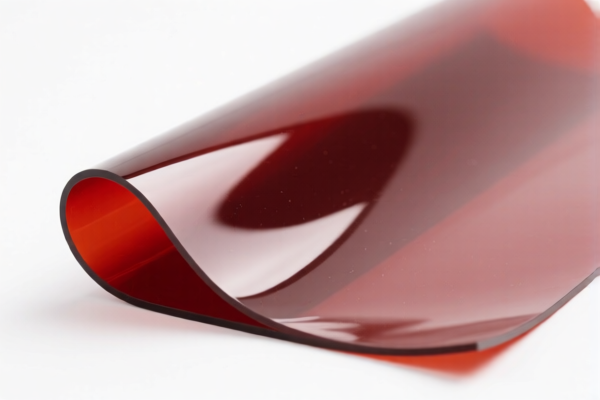
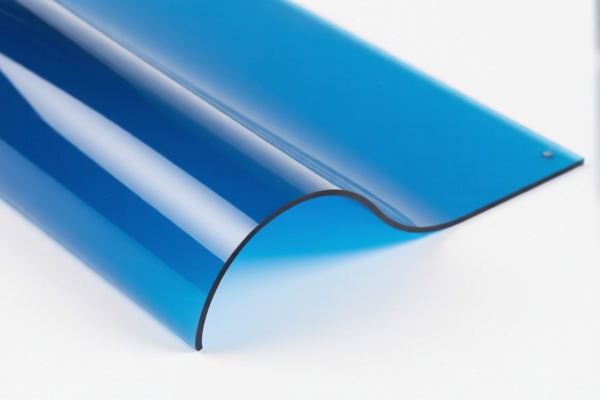
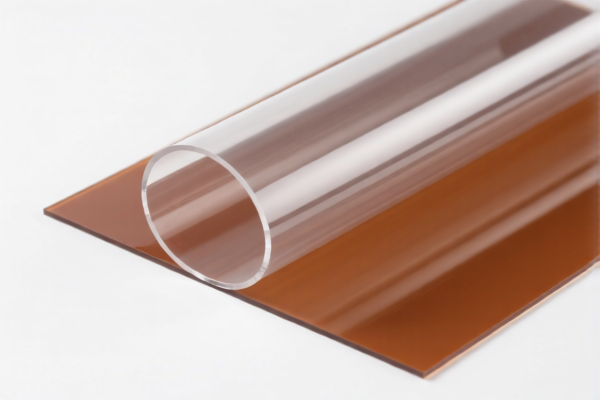
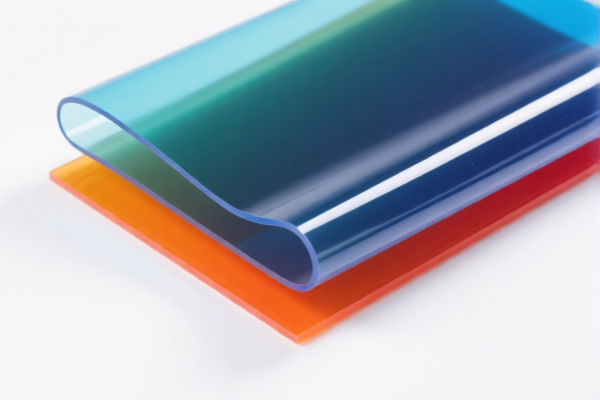
AI Analysis
🧊 Acrylic Flexible Boards (Polymethyl Methacrylate Sheets)
🌐 HS Code Reference & Customs Clearance Guide | 2026 Latest Tariff Analysis | Professional Clearance Strategy
📌 I. Product Definition & Classification: What is "Acrylic Flexible Board"?
Acrylic, scientifically known as Polymethyl Methacrylate (PMMA), is a transparent thermoplastic. In international trade, "Acrylic Flexible Boards" refer to semi-finished or finished plastic sheets that are pliable (can be bent, shaped, or thermoformed) rather than rigid structural panels.
Key Distinction: * Flexible Sheets/Films: Designed for thermoforming, signage, displays, and laminates. These often fall under Heading 3921 (Other plates, sheets, film, foil and strip, of plastics). * Rigid Plates/Blocks: Designed for structural glazing, aquariums, or furniture. These often fall under Heading 3920 (Non-cellular plates, sheets, film, foil and strip, of plastics).
⚠️ Critical Classification Point:
- If the product is primarily marketed as a "Sheet," "Film," or "Flexible Material" for conversion (e.g., into signage, tanks, or curved displays) → Likely 3921.
- If the product is a "Plate" or "Block" intended for direct structural use without further transformation → Likely 3920.
- Note: The distinction between 3920 and 3921 can be subtle. 3920 is typically for non-cellular plastics that are not further worked than extruded/calendered, while 3921 covers other plastics (including those with certain reinforcements or specific treatments) or those that don't fit the strict definition of 3920. See detailed breakdown below.
📦 II. HS Code Classification Details (2026 Latest Tariff Authoritative Comparison)
Based on the provided data, here are the specific HS Codes, their summaries, and associated tax rates.
| HS Code | Product Description (Summary) | Form/State | Total Tax Rate | Tax Breakdown |
|---|---|---|---|---|
| 3921.90.50.50 | Acrylic Flexible Sheet, Material: Plastic, Form: Sheet | Flexible Sheet | 39.8% | Base: 4.8%, Section 301: 25.0%, Section 122: 10% |
| 3920.59.10.00 | Acrylic (Acrylic Polymer) Material, Flexible Sheet | Flexible Sheet | 41.0% | Base: 6.0%, Section 301: 25.0%, Section 122: 10% |
| 3921.19.00.90 | Acrylic (PMMA) Sheet, Other Plastic Board/Sheet/Film/Strip | Sheet/Plate | 41.5% | Base: 6.5%, Section 301: 25.0%, Section 122: 10% |
| 3920.51.10.00 | Acrylic (PMMA) Sheet, Complies with Board/Sheet/Film/Strip Form | Sheet/Plate | 41.0% | Base: 6.0%, Section 301: 25.0%, Section 122: 10% |
| 3920.51.50.50 | Acrylic Board, Material: PMMA, Form: Board | Rigid Board | 41.5% | Base: 6.5%, Section 301: 25.0%, Section 122: 10% |
🔍 Key Insight:
- All listed HS Codes incur high additional tariffs due to trade actions.
- The Base Tariff varies slightly (4.8% to 6.5%) depending on the specific subheading under 3920 or 3921.
- Section 301 Tariff (25%) and Section 122 Tariff (10%) are constant across all entries, significantly driving up the total cost.
💰 III. 2026 Latest Tariff Rate Detail (Including Additional Taxes)
✅ Applicable Country: United States (US)
✅ Origin: China (CN) (Implied by Section 122/301 structure)
✅ Effective Time: Current as per 2026 guidelines
🎯 1. 3921.90.50.50 —— Acrylic Flexible Sheet (Section 3921)
| Item | Detail |
|---|---|
| Base Tariff | 4.8% |
| Section 301 Tariff | +25.0% |
| Section 122 Tariff | +10.0% |
| Total Tax Rate | 39.8% |
| Tax Calculation | CIF Value × 39.8% |
| Legal Basis | HTSUS 3921.90.50.50 → Footnotes for Section 301 & 122 |
📌 Explanation:
- This code is specifically for "Other" plastic sheets (not cellular) where the specific polymer type or form doesn't fit the more detailed 3921.19 subheadings.
- It is often used for flexible acrylic sheets used in signage or thermoforming.
🎯 2. 3920.59.10.00 —— Acrylic (Acrylic Polymer) Flexible Sheet (Section 3920)
| Item | Detail |
|---|---|
| Base Tariff | 6.0% |
| Section 301 Tariff | +25.0% |
| Section 122 Tariff | +10.0% |
| Total Tax Rate | 41.0% |
| Tax Calculation | CIF Value × 41.0% |
| Legal Basis | HTSUS 3920.59.10.00 → Footnotes for Section 301 & 122 |
📌 Explanation:
- Despite being labeled "Flexible Sheet," this falls under 3920 (Non-cellular plates, sheets, film, etc.).
- Subheading 3920.59 refers to "Other" polymers (PMMA is often grouped here if not specifically listed in 3920.51).
- Note: The term "Flexible" in the summary might refer to the physical property, but the HTS classification emphasizes the "Sheet" form under 3920.
🎯 3. 3921.19.00.90 —— Acrylic (PMMA) Sheet, Other Plastic Board (Section 3921)
| Item | Detail |
|---|---|
| Base Tariff | 6.5% |
| Section 301 Tariff | +25.0% |
| Section 122 Tariff | +10.0% |
| Total Tax Rate | 41.5% |
| Tax Calculation | CIF Value × 41.5% |
| Legal Basis | HTSUS 3921.19.00.90 → Footnotes for Section 301 & 122 |
📌 Explanation:
- This is a catch-all for "Other" plastic sheets, films, and strips not elsewhere specified.
- Used for PMMA sheets that are classified as 3921 rather than 3920.
🎯 4. 3920.51.10.00 —— Acrylic (PMMA) Sheet, Complies with Board/Sheet Form (Section 3920)
| Item | Detail |
|---|---|
| Base Tariff | 6.0% |
| Section 301 Tariff | +25.0% |
| Section 122 Tariff | +10.0% |
| Total Tax Rate | 41.0% |
| Tax Calculation | CIF Value × 41.0% |
| Legal Basis | HTSUS 3920.51.10.00 → Footnotes for Section 301 & 122 |
📌 Explanation:
- 3920.51 specifically refers to "Poly(methyl methacrylate)" (PMMA).
- This is a very common code for standard acrylic sheets. The suffix ".10.00" indicates it is a "Sheet" (not block or other forms).
🎯 5. 3920.51.50.50 —— Acrylic Board, Material: PMMA, Form: Board (Section 3920)
| Item | Detail |
|---|---|
| Base Tariff | 6.5% |
| Section 301 Tariff | +25.0% |
| Section 122 Tariff | +10.0% |
| Total Tax Rate | 41.5% |
| Tax Calculation | CIF Value × 41.5% |
| Legal Basis | HTSUS 3920.51.50.50 → Footnotes for Section 301 & 122 |
📌 Explanation:
- Similar to above, but the suffix ".50.50" typically refers to a different thickness, size, or specific board type within the PMMA category.
- Often used for rigid acrylic boards (plexiglass) used in construction or furniture.
🛠️ IV. Customs Clearance Practical Advice (Combat Pit-avoidance Guide)
✅ 1. Required Documentation Checklist
| Document | Must Provide? | Description |
|---|---|---|
| ✅ Product Specification Sheet | ✔️ | Must detail: Material (PMMA/Acrylic), Thickness, Dimensions, Color, Transparency. |
| ✅ HS Code Justification Letter | ✔️ | Explain why 3920 vs. 3921 (e.g., "Non-cellular" vs. "Other"). |
| ✅ Commercial Invoice | ✔️ | Clearly state "Acrylic Sheet/Board, PMMA, Flexible/Rigid". |
| ✅ Packing List | ✔️ | Show net/gross weight, packaging type (pallets, crates). |
| ✅ Certificate of Origin (CO) | ✔️ | Essential for verifying origin (China) for Section 301/122 application. |
| ✅ Product Photos | ✔️ | Clear images of the sheet, labels, and any branding. |
✅ 2. Declaration Tips (Key Mnemonics)
🔥 "Material First, Form Second, Origin Clear, Tariff Accurate!"
| Scenario | Correct Declaration | Wrong Practice |
|---|---|---|
| Thermoforming Sheets | 3921.90.50.50 or 3920.51.10.00 |
Misdeclaring as "Plastic Raw Material" |
| Signage Panels | 3920.51.50.50 |
Misdeclaring as "Decorative Art" |
| Aquarium Glass Replacement | 3920.51.10.00 |
Misdeclaring as "Glass" (HS 7004) |
| Flexible Acrylic Roll | 3921.19.00.90 |
Misdeclaring as "Film" if too thick for film classification |
📌 Crucial Note:
- "Acrylic" is not a chemical name. Always use PMMA (Polymethyl Methacrylate) or Polymer in technical descriptions to avoid confusion with other plastics.
- Thickness matters: Thin sheets (<1mm) might be considered "Films," while thicker ones are "Sheets" or "Boards." Ensure the HS code matches the physical form.
✅ 3. Special Situation Handling
| Situation | Handling Advice |
|---|---|
| Co-extruded Acrylic | If coated or layered, declare as "Other Plastic Sheet" (3921). |
| Painted/Laminated Acrylic | May still fall under 3920/3921 if the plastic substrate defines the essential character. Provide lamination details. |
| Recycled Acrylic | Same HS code applies, but origin verification is critical for Section 301/122. |
| Mixed Containers | If shipping with other plastics, ensure separate invoices and HS codes to avoid misclassification penalties. |
🌍 V. Global Market Comparison (2026 Latest)
| Country/Region | Recommended HS Code | Tariff Rate | Certification Req. | Notes |
|---|---|---|---|---|
| 🇺🇸 USA | 3920.51.10.00 / 3921.90.50.50 |
39.8% - 41.5% | None specific | High tariffs due to Sec 301 & 122. |
| 🇨🇳 China | 3920.51.10.00 |
~6% | CCC (if applicable) | Low base tariff, no additional trade duties. |
| 🇪🇺 EU | 3920.51.00 |
6.5% | CE (if applicable) | No Section 301/122 equivalent. |
| 🇬🇧 UK | 3920.51.00 |
6.5% | UKCA (if applicable) | Post-Brexit trade terms apply. |
| 🇯🇵 Japan | 3920.51.00 |
5-6% | PSE (if applicable) | Stable tariff environment. |
📌 Conclusion:
- The USA imposes the highest effective tariff rates (~40%) due to political trade measures.
- EU, UK, Japan, and China have significantly lower base tariffs (5-6.5%) and no additional "Section" tariffs.
- Supply Chain Strategy: For US-bound goods, consider third-country processing (e.g., Vietnam, Malaysia) if eligible for origin changes, though PMMA is globally sourced, so final assembly/processing rules apply.
📌 VI. Common Errors & Pitfall Guide (Blood & Tears Lessons)
❌ Error 1: Declaring Acrylic as "Glass" (HS 7004)
👉 Consequence: Severe misclassification penalties, delay, and potential seizure. Acrylic is plastic, not glass.
❌ Error 2: Using "Plastic Sheet" without specifying PMMA
👉 Consequence: Customs may assess at the highest "Other Plastic" rate or demand clarification, causing delays.
❌ Error 3: Ignoring Section 122 & 301 Tariffs
👉 Consequence: Budget miscalculation. The 35% additional tariff (25%+10%) is huge. Total cost can nearly double the base value.
❌ Error 4: Confusing "Sheet" vs. "Block"
👉 Consequence: Wrong HS subheading (e.g., 3920.51.50 vs 3920.51.10). While rates are similar, incorrect declaration affects statistical tracking and potential future audits.
✅ Correct Declaration Example:
"PMMA (Polymethyl Methacrylate) Acrylic Sheet, Clear, 3mm Thickness, 1200x2400mm, For Thermoforming, Origin: China"
🎯 VII. Conclusion: Professional Declaration, Cost Optimization, Risk Mitigation!
🎯 Remember the Mnemonic:
🔹 "PMMA is Plastic, Not Glass;
Check Section 301, Don't Pass;
3920 vs 3921, Form Defines;
40% Tax Hits, Avoid the Wrings!"
📌 Pro Tip:
If you are importing large volumes to the US, apply for an Exclude under Section 301 if your specific product type is eligible (check USTR exclusions list). While Section 122 is less commonly excluded, staying updated on trade policy changes is crucial.
📣 Immediate Action:
📞 Consult a licensed Customs Broker for Pre-Ruling if unsure between 3920 and 3921.
🚀 Ensure your Invoice and Packing List perfectly match the HS Code description.
💡 Accurate classification saves thousands in duties and avoids costly delays!
✨ Professional Customs Clearance Starts with Precise Classification!
💼 Every cent of your cost should be calculated accurately!
Customer Reviews
About HS Code Classification
The Harmonized System (HS) is an internationally standardized nomenclature developed by the World Customs Organization (WCO) to classify traded products. Over 200 countries use the HS system as the basis for customs tariffs, trade statistics, and import/export regulations.
Each HS code follows a hierarchical structure:
- Chapter (2 digits) — Broad category of goods (e.g., Chapter 84: Machinery and Mechanical Appliances)
- Heading (4 digits) — More specific grouping within the chapter
- Subheading (6 digits) — Internationally standardized breakdown, used by all WCO member countries
- National subdivisions (8-10 digits) — Country-specific extensions for further classification, such as US HTSUS 10-digit codes
Correct HS code classification is essential for smooth customs clearance, accurate duty payment, and compliance with trade regulations. Misclassification can lead to customs delays, overpayment of duties, or penalties.
When importing from CN to US, the applicable tariff rates may include:
- Most-Favored-Nation (MFN) rate — The standard duty rate applied to WTO members
- General rate — Applied to countries without trade agreements
- Trade remedy duties — Additional tariffs such as Section 301 (anti-dumping), Section 232 (national security), or countervailing duties
The information provided on this page is for reference purposes only. For official classification, please consult with your local customs authority or a licensed customs broker.