Acrylic Flexible Plastic Sheet
CN → US| HS Code | Tariff Rate | Origin | Destination | Doc |
|---|---|---|---|---|
| 3921190090 | 41.5% | CN | US | Official Doc |
| 3921905050 | 39.8% | CN | US | Official Doc |
| 3926909989 | 22.8% | CN | US | Official Doc |
| 3920515090 | 41.5% | CN | US | Official Doc |
| 3920598000 | 41.5% | CN | US | Official Doc |
Product Images
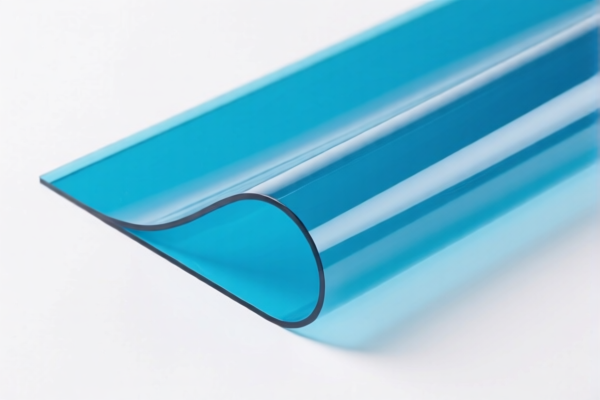
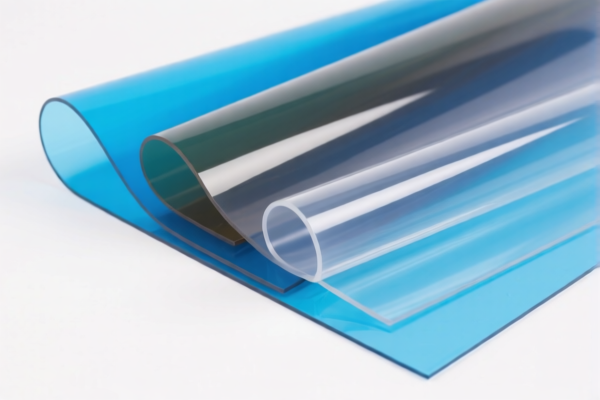
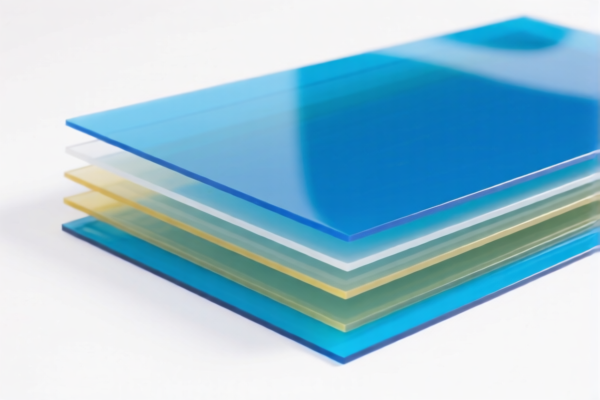
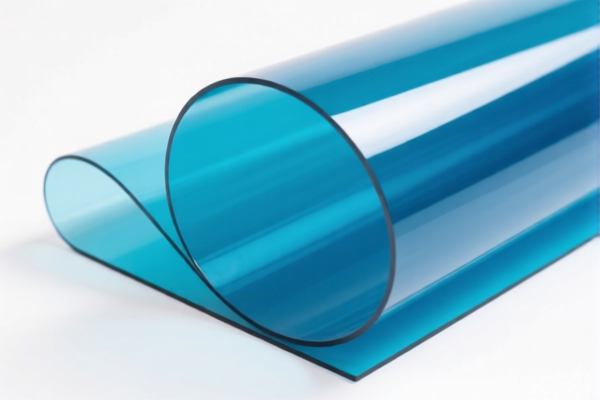
AI Analysis
🎨 Acrylic Flexible Plastic Sheet (Polymethyl Methacrylate)
🌐 HS Code Reference & Customs Clearance Guide | 2026 Latest Tariff Analysis | Professional Clearance Strategy
📌 I. Product Definition & Classification: Do You Really Know "Acrylic Sheets"?
Acrylic sheets (Polymethyl Methacrylate, PMMA) are transparent thermoplastic materials widely used in signage, architectural glazing, lighting, and automotive components. In international trade, they are strictly categorized based on their chemical composition, physical form, and processing state.
The key distinction lies in whether the product is classified as a "Plastic Plate/Sheet" (Chapter 39, Heading 3920/3921) or an "Other Plastic Article" (Chapter 39, Heading 3926).
⚠️ Key Differentiation Point:
- If the product is a continuous roll or cut sheet of uniform thickness, primarily defined by its material and shape → Classify under 3920 or 3921.
- If the product is a finished or semi-finished item with specific utility beyond its basic material form (e.g., custom-shaped, treated, or integrated parts) → May fall under 3926.90 (Catch-all category).
📦 II. HS Code Classification Details (2026 Latest Tariff Authority Comparison)
| HS Code | Product Description | Application Scenario | Material/Shape Match |
|---|---|---|---|
3921.19.00.90 |
Acrylic (Polymer/Plastic) Sheets, classified under "Other plates, sheets, film, foil and strip" | General-purpose flexible acrylic sheets, uncoated | ✅ Yes |
3921.90.50.50 |
Acrylic (Plastic) Sheets, matching material and shape characteristics under "Other plastic plates..." | Specialized flexible acrylic, non-specified elsewhere | ✅ Yes |
3926.90.99.89 |
Acrylic (PMMA) Sheets, classified under "Other plastic articles" (Catch-all) | Custom-cut, treated, or non-standard acrylic articles | ❌ No (Less precise for raw sheets) |
3920.51.50.90 |
Acrylic (PMMA) Sheets, matching "plates, sheets, film" description | Standard rigid/flexible acrylic plates | ✅ Yes |
3920.59.80.00 |
Acrylic (Acrylic Polymer) Sheets, matching plate/sheet morphology | General acrylic polymer sheets | ✅ Yes |
🔍 Key Reminder:
- Raw or Semi-Finished Sheets: Should generally be classified under 3920 or 3921 (Heading for Plates, Sheets, Film, Foil, Strip).
- Finished/Custom Articles: If the acrylic has been cut into specific shapes, drilled, or processed into final products, 3926.90 might apply, but it carries a lower total tax burden (22.8%) compared to the raw sheet categories.
- Misclassification Risk: Declaring a standard acrylic sheet as "Other Plastic Articles" (3926) to save taxes can lead to customs audits if the product is clearly a plate/sheet.
💰 III. 2026 Latest Tariff Rate Detailed Explanation (Including Surtaxes & Policy Surcharges)
✅ Applicable Country: United States (US)
✅ Country of Origin: China (CN)
✅ Effective Date: From November 10, 2025 (including subsequent imports)
🎯 1. 3921.19.00.90 —— Acrylic (Polymer/Plastic) Sheets (Other Category)
| Item | Content |
|---|---|
| Basic Tariff Rate | 6.5% (ad valorem) |
| Section 301 Surtax | +25.0% (Under US Trade Law Section 301) |
| Section 122 Tariff | +10.0% (Under US Trade Law Section 122) |
| Total Tariff Rate | 41.5% |
| Tax Calculation | CIF Value × 41.5% |
| De Minimis Exemption | ❌ Not Applicable (deny_de_minimis) |
| Legal Basis Path | USITC:3921.19.00.90 → FOOTNOTE:301 → FOOTNOTE:122 |
📌 Explanation:
- The 6.5% is the standard Most Favored Nation (MFN) rate.
- The 25% surcharge is imposed under Section 301 on Chinese-origin plastic products.
- The 10% surcharge is imposed under Section 122 for national security/imports affecting US industry.
- Total 41.5% is a high tariff, requiring careful cost calculation.
🎯 2. 3921.90.50.50 —— Acrylic (Plastic) Sheets (Other Plastic Plates/Sheets)
| Item | Content |
|---|---|
| Basic Tariff Rate | 4.8% (ad valorem) |
| Section 301 Surtax | +25.0% |
| Section 122 Tariff | +10.0% |
| Total Tariff Rate | 39.8% |
| Tax Calculation | CIF Value × 39.8% |
| De Minimis Exemption | ❌ Not Applicable |
| Legal Basis Path | USITC:3921.90.50.50 → FOOTNOTE:301 → FOOTNOTE:122 |
📌 Note:
- This is slightly more cost-effective than3921.19.00.90(1.7% lower).
- Applies to acrylic sheets that do not fit the specific subheadings of3921.19but are still recognized as plates/sheets.
🎯 3. 3926.90.99.89 —— Acrylic (PMMA) Sheets (Other Plastic Articles Catch-All)
| Item | Content |
|---|---|
| Basic Tariff Rate | 5.3% (ad valorem) |
| Section 301 Surtax | +7.5% |
| Section 122 Tariff | +10.0% |
| Total Tariff Rate | 22.8% |
| Tax Calculation | CIF Value × 22.8% |
| De Minimis Exemption | ❌ Not Applicable |
| Legal Basis Path | USITC:3926.90.99.89 → FOOTNOTE:301 (Lower surtax) → FOOTNOTE:122 |
📌 Warning:
- While the total rate is significantly lower (22.8%), this classification is for "Other Plastic Articles".
- Risk: If your product is a standard flat sheet, customs may reclassify it to 3920/3921, leading to back taxes + penalties.
- Use Case: Only use if the product is not a standard plate/sheet (e.g., custom molded, heavily treated, or non-structural).
🎯 4. 3920.51.50.90 —— Acrylic (PMMA) Plates/Sheets (Specific Polymer Type)
| Item | Content |
|---|---|
| Basic Tariff Rate | 6.5% (ad valorem) |
| Section 301 Surtax | +25.0% |
| Section 122 Tariff | +10.0% |
| Total Tariff Rate | 41.5% |
| Tax Calculation | CIF Value × 41.5% |
| De Minimis Exemption | ❌ Not Applicable |
| Legal Basis Path | USITC:3920.51.50.90 → FOOTNOTE:301 → FOOTNOTE:122 |
📌 Explanation:
- Specific to PMMA plates/sheets. High tariff due to Section 301.
🎯 5. 3920.59.80.00 —— Acrylic (Acrylic Polymer) Plates/Sheets (Other)
| Item | Content |
|---|---|
| Basic Tariff Rate | 6.5% (ad valorem) |
| Section 301 Surtax | +25.0% |
| Section 122 Tariff | +10.0% |
| Total Tariff Rate | 41.5% |
| Tax Calculation | CIF Value × 41.5% |
| De Minimis Exemption | ❌ Not Applicable |
| Legal Basis Path | USITC:3920.59.80.00 → FOOTNOTE:301 → FOOTNOTE:122 |
📌 Note:
- Same high tariff as other 3920/3921 categories. Ensure your product description matches "Plate/Sheet" accurately.
🛠️ IV. Customs Clearance Practical Advice (Combat Pitfall Guide)
✅ 1. Document Preparation Checklist (Mandatory)
| Document | Required | Description |
|---|---|---|
| ✅ Product Spec Sheet | ✔️ | Dimensions, thickness, transparency, flexibility rating |
| ✅ Material Composition | ✔️ | Confirm 100% PMMA (Acrylic) to avoid misclassification |
| ✅ Product Photos | ✔️ | Clear images of the sheet, edges, and any packaging |
| ✅ Commercial Invoice | ✔️ | Must state "Acrylic Flexible Plastic Sheet (PMMA)" |
| ✅ Packing List | ✔️ | Detail roll vs. cut sheet, weight, and dimensions |
| ✅ Certificate of Origin | ✔️ | If applicable for other markets, but not for US duty reduction |
✅ 2. Declaration Tips (Key Mantras)
🔥 "Form Matters: Sheet vs. Article, Name Precisely, Tariff Correct!"
| Scenario | Correct Declaration | Wrong Practice |
|---|---|---|
| Standard Acrylic Sheet | 3920.51.50.90 or 3921.19.00.90 |
Misdeclare as "Plastic Article" → 22.8% (High Risk) |
| Custom-Cut Acrylic Part | 3926.90.99.89 |
Declare as "Sheet" → Potential Rejection |
| Acrylic Roll (Flexible) | 3921.90.50.50 |
Declare as "Finished Product" → Delay |
| Mixed Materials | Check Composition | Assume 100% Acrylic → Fines |
✅ 3. Special Case Handling
| Scenario | Handling Advice |
|---|---|
| OEM Custom Shapes | If cut to final shape, consider 3926.90.99.89 but provide proof of non-standard form. |
| Flexible vs. Rigid | Clarify "Flexible" in description to justify 3921.19 or 3921.90. |
| Coated/Laminated | If coated, still likely 3920/3921, but provide coating details. |
| Samples | Even samples are subject to the same tariffs if declared as commercial goods. |
🌍 V. Global Market Customs Comparison (2026 Latest)
| Country/Region | Recommended HS Code | Tariff | Certification | Remarks |
|---|---|---|---|---|
| 🇺🇸 USA | 3921.19.00.90 |
41.5% (China) | None Specific | High tariffs due to Section 301 & 122 |
| 🇨🇳 China | 3920.51.50.90 |
6.5% | None | Standard import tariff |
| 🇪🇺 EU | 3920.51.00 |
6.5% | REACH | No Section 301 equivalent |
| 🇦🇺 Australia | 3920.51.00 |
5.0% | RCM | Lower than US |
| 🇯🇵 Japan | 3920.51.00 |
6.0% | PSE | Competitive rate |
📌 Conclusion:
- USA is the most expensive market for acrylic sheets due to Section 301 (25%) and Section 122 (10%) surcharges.
- China Origin products face 41.5% total tariff, significantly higher than EU/Japan.
- Consider supply chain diversification if targeting the US market.
📌 VI. Common Errors & Pitfall Guide (Lessons Learned)
❌ Error 1: Declaring a standard acrylic sheet as 3926.90.99.89 to save taxes.
👉 Consequence: Customs reclassification → Back taxes + Penalty.
Rule: If it’s a sheet, it’s 3920/3921, not 3926.
❌ Error 2: Not specifying "PMMA" or "Acrylic".
👉 Consequence: Customs may classify as generic "Plastic Sheet" with higher scrutiny or different rates.
Rule: Always specify material: "Polymethyl Methacrylate (PMMA)".
❌ Error 3: Ignoring Section 122 Tariff.
👉 Consequence: Unexpected 10% charge at border.
Rule: Always calculate total tax including Section 122.
❌ Error 4: Mixing rigid and flexible sheets in one shipment.
👉 Consequence: Complex classification → Delays.
Rule: Separate shipments or clarify "Flexible" explicitly.
✅ Correct Practice:
"Acrylic Flexible Plastic Sheet, 100% PMMA, Clear, 3mm Thickness, Roll Format, Model XYZ, For Signage Use"
🎯 VII. Conclusion: Professional Declaration, Save Time & Money!
🎯 Remember the Mantra:
🔹 "Sheet vs. Article, Form is Key.
🔹 Section 301 & 122, Don't Miss.
🔹 Total 41.5%, Plan Ahead.
🔹 Misclassify, Pay the Price!"
📌 Pro Tip:
- If your acrylic sheets are sourced from Vietnam, Mexico, or Thailand, you MAY qualify for reduced tariffs under USMCA or other FTAs.
- Consider Advance Ruling from US CBP if your product has unique features (e.g., coated, flexible, non-standard).
📣 Immediate Action:
📞 Contact a professional customs broker + Provide Product Photos + Apply for HS Code Advance Ruling
🚀 Ensure your acrylic sheets clear customs smoothly, reduce costs, and maximize profits!
✨ Professional Customs Clearance Starts with Accurate Classification!
💼 Every Penny of Cost Deserves Precise Calculation!
Customer Reviews
About HS Code Classification
The Harmonized System (HS) is an internationally standardized nomenclature developed by the World Customs Organization (WCO) to classify traded products. Over 200 countries use the HS system as the basis for customs tariffs, trade statistics, and import/export regulations.
Each HS code follows a hierarchical structure:
- Chapter (2 digits) — Broad category of goods (e.g., Chapter 84: Machinery and Mechanical Appliances)
- Heading (4 digits) — More specific grouping within the chapter
- Subheading (6 digits) — Internationally standardized breakdown, used by all WCO member countries
- National subdivisions (8-10 digits) — Country-specific extensions for further classification, such as US HTSUS 10-digit codes
Correct HS code classification is essential for smooth customs clearance, accurate duty payment, and compliance with trade regulations. Misclassification can lead to customs delays, overpayment of duties, or penalties.
When importing from CN to US, the applicable tariff rates may include:
- Most-Favored-Nation (MFN) rate — The standard duty rate applied to WTO members
- General rate — Applied to countries without trade agreements
- Trade remedy duties — Additional tariffs such as Section 301 (anti-dumping), Section 232 (national security), or countervailing duties
The information provided on this page is for reference purposes only. For official classification, please consult with your local customs authority or a licensed customs broker.