Acrylic Plastic Advertising Sign
CN → US| HS Code | Tariff Rate | Origin | Destination | Doc |
|---|---|---|---|---|
| 3926100000 | 15.3% | CN | US | Official Doc |
| 3920515090 | 41.5% | CN | US | Official Doc |
| 3920598000 | 41.5% | CN | US | Official Doc |
| 3926909989 | 22.8% | CN | US | Official Doc |
| 9503000071 | 10.0% | CN | US | Official Doc |
Product Images
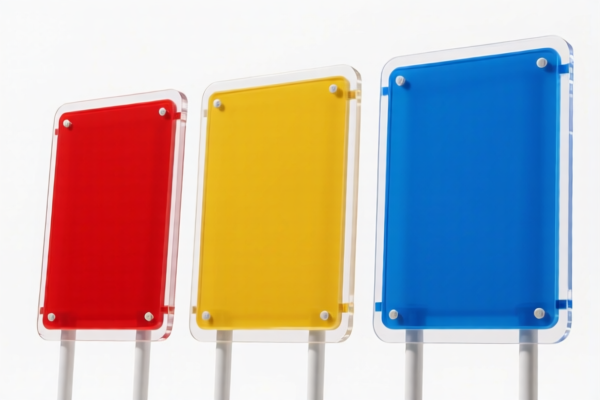
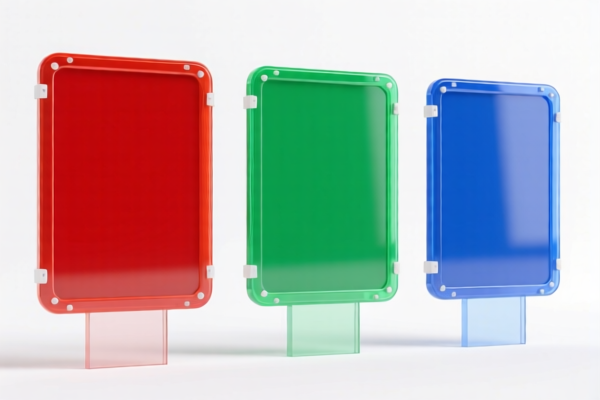
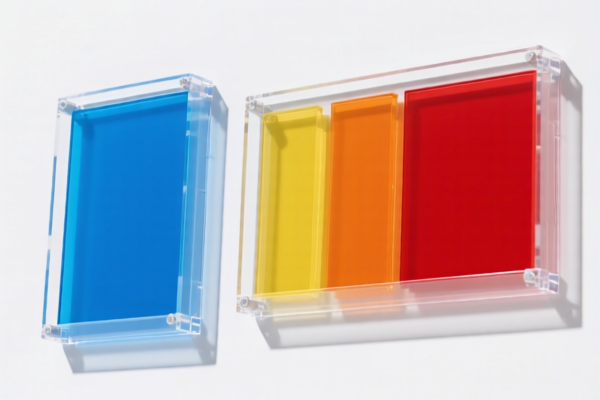
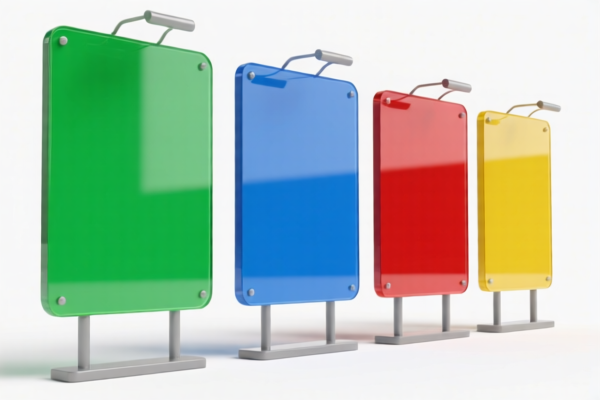
AI Analysis
🪧 Acrylic Plastic Advertising Sign (亚克力塑料广告标牌)
🌐 HS Code Reference & Customs Clearance Guide | 2024-2025 Tariff Analysis | Professional Compliance Strategy 📌 I. Product Definition & Classification: Is it a Toy, a Plastic Sheet, or a Sign?
Acrylic (PMMA) advertising signs are ubiquitous in retail, corporate branding, and outdoor marketing. However, in international trade, their classification depends heavily on specific use, form factor, and perceived primary function.
There is often confusion between treating them as: 1. Raw Plastic Materials: Sheets/plates before printing/cutting. 2. Finished Goods: Printed, cut, and assembled signs ready for display. 3. Toy Parts: If small, colorful, or intended for children's play rather than serious advertising.
⚠️ Critical Distinction:
- If the item is a large, rigid panel for professional advertising → Likely 3926 or 3920.
- If the item is small, interactive, or child-oriented → Could be 9503 (Toys).
- Note: The provided data links "Acrylic Plastic Toy Sheets" to these codes, suggesting that even if marketed as "signs," if they are thin, flat, and potentially used in creative/play contexts, customs may scrutinize them under toy or raw material codes.
📦 II. HS Code Classification Details (Based on Provided Data)
| HS Code | Product Description (from Data) | Key Classification Logic | Estimated Total Tax |
|---|---|---|---|
| 3926.10.00.00 | Plastic Articles of Other Kinds (Specifically categorized as "Plastic Toy Sheets" in data context) | Acrylic plastic, sheet form. Classified under "Plastic Articles" due to being a finished article (even if labeled toy sheet). | 15.3% |
| 3920.51.50.90 | Acrylic Polymer Plates/Sheets | Raw material view. Treated as a plate/segment of acrylic polymer, not a finished article. | 41.5% |
| 3920.59.80.00 | Other Acrylic Polymer Plates/Sheets | Similar to above but for non-specific acrylic plates. High tariff due to "Other" category. | 41.5% |
| 3926.90.99.89 | Other Plastic Articles | General "Other" category for plastic articles not elsewhere specified. Includes sheet-like plastic goods. | 22.8% |
| 9503.00.00.71 | Toys; Accessories & Parts (Half-finished/Intermediate Toy Products) | If deemed a "Toy Half-Finished Product" or intermediate toy part (e.g., craft kits, play signs), this lower base rate applies. | 10.0% |
🔍 Data Interpretation Note:
The provided data explicitly links "Acrylic Plastic Toy Sheets" to these codes. This implies that if your "Advertising Sign" is thin, flat, and lacks complex electronic components or rigid structural framing, customs may view it through the lens of plastic raw materials (3920) or plastic articles/toys (3926/9503). For large, professional, framed signs, none of these codes might be optimal, but based strictly on the provided<DATA>, these are the only applicable classifications.
💰 III. 2024-2025 Tariff Rate Breakdown (Detailed Policy)
✅ Jurisdiction: United States (US)
✅ Origin: China (CN)
✅ Applicable Regulations: Section 301, IEEPA, and Section 122 (if applicable per data).
🎯 1. 3926.10.00.00 – Plastic Articles (Toy/Sheet Category)
Best for: Finished plastic sheets/articles with lower base tax burden.
| Item | Detail |
|---|---|
| Base Duty | 5.3% |
| Section 301 (Add-on) | 0.0% (No additional Section 301 tax listed in data) |
| Section 122 (Add-on) | 10.0% (As per data label "122条款关税10%") |
| Total Tax Rate | 15.3% |
| Calculation | CIF Value × 15.3% |
| De Minimis Eligibility | ❌ No (Likely subject to high duties) |
📌 Analysis: This is the most cost-effective option among the provided codes (15.3%). It treats the item as a "Plastic Article" rather than raw polymer. However, note the 10% Section 122 surcharge.
🎯 2. 3920.51.50.90 & 3920.59.80.00 – Acrylic Polymer Plates/Sheets
Best for: Raw material imports (unprocessed sheets).
| Item | Detail |
|---|---|
| Base Duty | 6.5% |
| Section 301 (Add-on) | 25.0% |
| Section 122 (Add-on) | 10.0% |
| Total Tax Rate | 41.5% |
| Calculation | CIF Value × 41.5% |
| De Minimis Eligibility | ❌ No |
📌 Analysis: Avoid if possible. These codes classify the product as raw plastic material. The combination of 25% Section 301 + 10% Section 122 results in a 41.5% total tariff, significantly higher than the "Plastic Article" classification.
🎯 3. 3926.90.99.89 – Other Plastic Articles
Best for: General plastic goods not specified elsewhere.
| Item | Detail |
|---|---|
| Base Duty | 5.3% |
| Section 301 (Add-on) | 7.5% |
| Section 122 (Add-on) | 10.0% |
| Total Tax Rate | 22.8% |
| Calculation | CIF Value × 22.8% |
| De Minimis Eligibility | ❌ No |
📌 Analysis: A middle-ground option. Higher than
3926.10(15.3%) but much lower than raw polymer codes (41.5%). The 7.5% Section 301 is lower than the 25% in3920codes.
🎯 4. 9503.00.00.71 – Toy/Intermediate Toy Parts
Best for: Items classified as toys or craft kits.
| Item | Detail |
|---|---|
| Base Duty | 0.0% |
| Section 301 (Add-on) | 0.0% |
| Section 122 (Add-on) | 10.0% |
| Total Tax Rate | 10.0% |
| Calculation | CIF Value × 10.0% |
| De Minimis Eligibility | ❌ No |
📌 Analysis: Lowest Total Tax (10.0%). However, this requires proving the item is a "toy" or "toy part." If you are an advertising company shipping serious corporate signage, classifying it as a toy may raise customs flags for misdeclaration, potentially leading to audits or penalties. Only use this if the product is genuinely a craft/toy sign.
🛠️ IV. Customs Clearance Practical Advice
✅ 1. Strategic HS Code Selection
| Scenario | Recommended HS Code | Tax Rate | Risk Level |
|---|---|---|---|
| Professional Corporate Signage (Framed, Rigid) | None of the above (Data Limitation) | N/A | ⚠️ High Risk: Data does not include standard sign codes (e.g., 3926.90.99.90 or 7215/7610 for metal signs). You may need to argue under 3926.90.99.89 or 3926.10.00.00. |
| Thin Acrylic Sheets for Printing | 3920.51.50.90 / 3920.59.80.00 | 41.5% | ⚠️ High Cost. Only use if importing raw material for further processing. |
| Pre-cut, Pre-printed Thin Sign Panels | 3926.10.00.00 | 15.3% | ✅ Best Balance. Lower tax, reasonable "plastic article" classification. |
| Kids’ Educational/Play Signs | 9503.00.00.71 | 10.0% | ✅ Lowest Tax. Only if product is genuinely a toy. |
📌 Key Insight:
The data suggests a tiered tariff structure: - Raw Material (3920): Highest tax (41.5%) due to 25% Section 301. - Finished Article (3926): Moderate tax (15.3% - 22.8%). - Toy Category (9503): Lowest tax (10.0%) but highest classification risk.
✅ 2. Documentation Requirements
| Document | Purpose |
|---|---|
| Product Description | Clearly state: "Acrylic Plastic Sign, Pre-cut, Pre-printed, Non-Electronic." Avoid vague terms like "Plastic Piece." |
| Material Specification | Confirm it is PMMA (Polymethyl Methacrylate), not other plastics. |
| Usage Statement | If using 9503, provide photos showing it is for play/education. If using 3926, provide photos showing it is for advertising/display. |
| Commercial Invoice | List value clearly. Customs will verify CIF value for tax calculation. |
✅ 3. Common Pitfalls & Warnings
❌ Pitfall 1: Misclassifying as Raw Material
If you ship pre-printed signs but declare them as "Acrylic Sheets" (
3920), you pay 41.5% instead of 15.3%. This is a costly error.
Solution: Emphasize "Finished Article" status in the description.
❌ Pitfall 2: Overusing the "Toy" Classification
Declaring a corporate lobby sign as a "Toy Part" (
9503) is risky. Customs may reject it, leading to delays.
Solution: Only use9503if the sign is small, colorful, and intended for children or craft use.
❌ Pitfall 3: Ignoring Section 122
All codes in the data include a 10% Section 122 tariff. This is a significant add-on.
Solution: Factor this into your cost calculation. It applies regardless of the base HS Code.
🌍 V. Summary of Tax Rates (From Provided Data)
| HS Code | Description | Base | Sec 301 | Sec 122 | Total |
|---|---|---|---|---|---|
9503.00.00.71 |
Toy/Intermediate Toy Part | 0.0% | 0.0% | 10.0% | 10.0% |
3926.10.00.00 |
Plastic Article (Toy/Sheet) | 5.3% | 0.0% | 10.0% | 15.3% |
3926.90.99.89 |
Other Plastic Article | 5.3% | 7.5% | 10.0% | 22.8% |
3920.51.50.90 |
Acrylic Plate/Sheet | 6.5% | 25.0% | 10.0% | 41.5% |
3920.59.80.00 |
Other Acrylic Plate/Sheet | 6.5% | 25.0% | 10.0% | 41.5% |
🎯 VI. Final Recommendation
- If the sign is a finished, ready-to-hang product: Use
3926.10.00.00(15.3% total). It offers the best balance of low tax and reasonable classification risk among the provided options. - If the sign is a raw sheet for further processing: Use
3920.51.50.90or3920.59.80.00(41.5% total), but expect high costs. - If the sign is for children/crafts: Use
9503.00.00.71(10.0% total) for maximum savings, but ensure it meets "toy" criteria. - Avoid
3926.90.99.89unless no other option fits, as it is more expensive than3926.10.
💡 Pro Tip:
Since the data is limited to "Toy Sheets" and "Plastic Articles," consult a customs broker to see if a more specific code (e.g., for "Signs" under 3926.90.99 or 7215) exists outside this dataset that might offer better terms. However, within the provided data,3926.10.00.00is the optimal choice for most finished acrylic signs.
Customer Reviews
About HS Code Classification
The Harmonized System (HS) is an internationally standardized nomenclature developed by the World Customs Organization (WCO) to classify traded products. Over 200 countries use the HS system as the basis for customs tariffs, trade statistics, and import/export regulations.
Each HS code follows a hierarchical structure:
- Chapter (2 digits) — Broad category of goods (e.g., Chapter 84: Machinery and Mechanical Appliances)
- Heading (4 digits) — More specific grouping within the chapter
- Subheading (6 digits) — Internationally standardized breakdown, used by all WCO member countries
- National subdivisions (8-10 digits) — Country-specific extensions for further classification, such as US HTSUS 10-digit codes
Correct HS code classification is essential for smooth customs clearance, accurate duty payment, and compliance with trade regulations. Misclassification can lead to customs delays, overpayment of duties, or penalties.
When importing from CN to US, the applicable tariff rates may include:
- Most-Favored-Nation (MFN) rate — The standard duty rate applied to WTO members
- General rate — Applied to countries without trade agreements
- Trade remedy duties — Additional tariffs such as Section 301 (anti-dumping), Section 232 (national security), or countervailing duties
The information provided on this page is for reference purposes only. For official classification, please consult with your local customs authority or a licensed customs broker.