Acrylic Plastic Birthday Theme Packaging Film
CN → US| HS Code | Tariff Rate | Origin | Destination | Doc |
|---|---|---|---|---|
| 3926909989 | 22.8% | CN | US | Official Doc |
| 3920515090 | 41.5% | CN | US | Official Doc |
| 3920591000 | 41.0% | CN | US | Official Doc |
Product Images
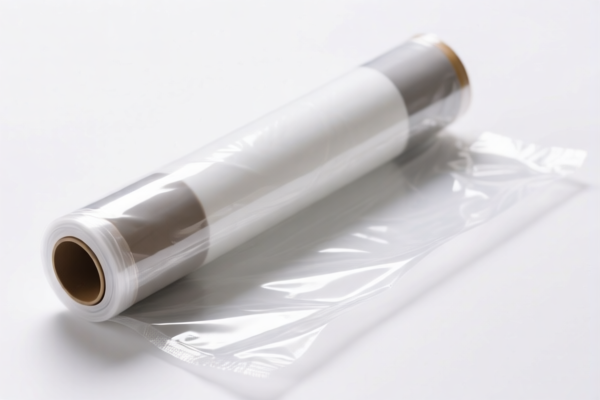
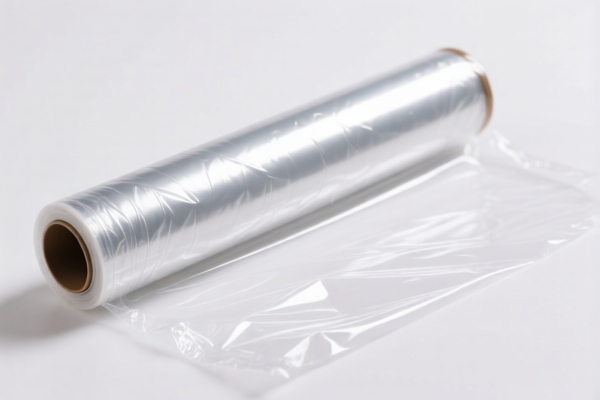
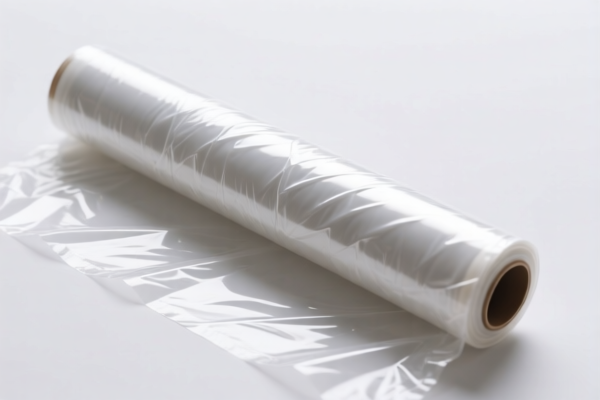
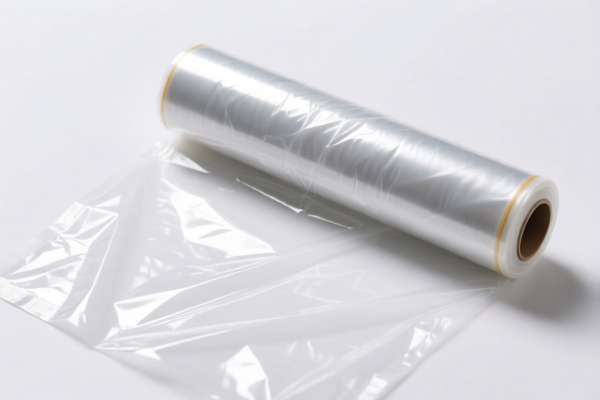
AI Analysis
🎂 Acrylic Plastic Birthday Theme Packaging Film
🌐 HS Code Reference & Customs Clearance Guide | 2026 Latest Tariff Analysis | Professional Entry Strategies
📌 I. Product Definition & Classification: Do You Really Understand "Acrylic Packaging Film"?
Acrylic Plastic Birthday Theme Packaging Film is a decorative or protective packaging material primarily used in the gift, party supply, and consumer goods industries. It is characterized by its transparency, glossiness, and moldability. In international trade, classification depends strictly on the physical structure (cellular vs. non-cellular) and processing status (reinforced/laminated vs. simple) of the acrylic polymers.
In the context of the provided data, these items fall under Heading 3920 (Plates, sheets, film, foil, and strip, of plastics, noncellular and not reinforced, laminated, supported or similarly combined with other materials) and Heading 3926 (Other articles of plastics).
⚠️ Critical Distinction Point:
- If the product is a simple sheet/film made of polymethyl methacrylate (PMMA) without being combined with other materials → It belongs to 3920.51 or 3920.59.
- If the product is a finished packaging item (e.g., a pre-formed box, decorative cutout, or complex assembly) not strictly classified as a simple plate/sheet → It may fall under 3926.90.99.
📦 II. HS Code Classification Details (2026 Latest Tariff Authority Comparison)
| HS Code | Product Description | Application Scenario | Key Characteristics |
|---|---|---|---|
3920.51.50.90 |
Other plates, sheets, film... of acrylic polymers: Of acrylic polymers: Of poly(methyl methacrylate): Other | Raw acrylic sheets, clear packaging blanks, rigid acrylic displays | ✅ Non-cellular, PMMA (PMMA), Not reinforced/laminated |
3920.59.10.00 |
Other plates, sheets, film... of acrylic polymers: Other: Flexible | Flexible acrylic films, bendable packaging wraps, thin decorative foils | ✅ Non-cellular, Flexible, Acrylic based |
3926.90.99.89 |
Other articles of plastics...: Other: Other Other | Finished packaging components, complex acrylic gifts, decorative items not covered elsewhere | ✅ Finished article, Plastic material |
🔍 Key Reminder:
- Raw Sheets/Flat Films: Must be declared under 3920. The key is whether it is "Rigid" (3920.51) or "Flexible" (3920.59). - Finished Goods: If the film has been cut, printed, and assembled into a specific shape (e.g., a specific birthday box structure) that loses its identity as a "sheet," it may be classified as an "Other Article of Plastics" (3926). However, simple flat film for packaging usually stays in 3920 unless it is a complex manufactured article.
💰 III. 2026 Latest Tariff Rate Details (Detailed Breakdown)
✅ Scope: Based on the provided data (Likely US Import from China, given the "Additional Tariff" structure). ✅ Origin: Varies (Check specific country of origin for "Additional Tariff" applicability).
🎯 1. 3920.51.50.90 — Acrylic Polymers, Poly(methyl methacrylate) (PMMA), Other Plates/Sheets
| Item | Content |
|---|---|
| Base Tariff | 0.0% |
| Additional Tariff | 0.0% |
| Total Tax | 0.0% |
| Tax Detail | Base: 0.0%, Additional: 0.0% |
| Legal Basis | Generalized System of Preferences (GSP) or Specific Trade Agreements may apply if origin allows, but base rate is already 0%. |
📌 Explanation:
- Pure PMMA (Acrylic) sheets/sheets often enjoy very low or zero base tariffs. - Crucially, the provided data shows 0.0% Additional Tariff. This suggests this specific HS code might be exempt from current Section 301 or IEEPA duties, or the data reflects a specific preferential origin. - Advantage: This is the most cost-effective classification for raw or simple acrylic packaging materials, assuming they fit the description of "plates, sheets... not reinforced."
🎯 2. 3920.59.10.00 — Flexible Acrylic Polymer Films
| Item | Content |
|---|---|
| Base Tariff | 0.0% |
| Additional Tariff | 0.0% |
| Total Tax | 0.0% |
| Tax Detail | Base: 0.0%, Additional: 0.0% |
| Legal Basis | Same as above. |
📌 Explanation:
- Flexible acrylic films are also taxed at 0.0%. - Advantage: Ideal for thin, bendable packaging wraps or decorative films. - Note: Ensure the product is indeed "flexible" to avoid being misclassified as rigid sheets (which might have different duty implications in other contexts, though here both are 0%).
🎯 3. 3926.90.99.89 — Other Articles of Plastics (Other)
| Item | Content |
|---|---|
| Base Tariff | 5.3% |
| Additional Tariff | 7.5% |
| Total Tax | 12.8% |
| Tax Detail | Base: 5.3%, Additional: 7.5% |
| Legal Basis | Standard MFN rate + Potential Section 301 or similar additional duties. |
📌 Explanation:
- This is a "Basket" classification for plastic articles not specified elsewhere. - Risk: If your "packaging film" is considered a finished article (e.g., a pre-printed, shaped gift wrap box) rather than a raw sheet, it falls here. - Cost Impact: The total tax of 12.8% is significantly higher than the 0% for raw sheets/films. - Strategy: If possible, import as raw sheets/films (3920) and do final cutting/printing locally to save 12.8% in duties.
🛠️ IV. Customs Clearance Practical Advice (Real-World Pitfall Avoidance)
✅ 1. Preparation Checklist (Must-Have Documents)
| Document | Required | Description |
|---|---|---|
| ✅ Product Specification Sheet | ✔️ | Must explicitly state: Material (PMMA/Acrylic), Form (Rigid Sheet vs. Flexible Film), Thickness, Dimensions. |
| ✅ Photos | ✔️ | Clear images showing the product's physical state. Is it a roll? A flat sheet? A pre-cut shape? |
| ✅ Commercial Invoice | ✔️ | Description should match HS Code. Use terms like "Acrylic Polymer Sheets" or "Flexible Acrylic Film" rather than vague "Packaging." |
| ✅ Certificate of Origin | ✔️ | Essential to verify if additional tariffs apply (though current data shows 0% for 3920, origin verification is standard). |
| ✅ Material Safety Data Sheet (MSDS) | ✔️ | Acrylic is generally safe, but customs may request chemical composition details. |
✅ 2. Declaration Tips (Key Mantras)
🔥 "Material First, Form Second, Finish Last!"
| Scenario | Correct Declaration | Wrong Practice |
|---|---|---|
| Raw Acrylic Sheets | 3920.51.50.90 - "Plates, sheets of acrylic polymers, PMMA" |
Declaring as "Plastic Parts" → 12.8% Tax |
| Flexible Acrylic Wrap | 3920.59.10.00 - "Flexible film of acrylic polymers" |
Declaring as "Packaging Articles" → 12.8% Tax |
| Pre-cut Birthday Box | 3926.90.99.89 - "Other articles of plastics" |
Trying to force into 3920 → Risk of Rejection & Audit |
📌 Note:
- If the product is printed, does it still qualify as "Sheet/Film"? Yes, if it's not "reinforced" or "combined" with other materials (like cardboard backing). Simple printing does not change the HS code from 3920 to 3926 unless the structure changes significantly. - "Noncellular": Ensure the product is solid acrylic, not foamed acrylic (foamed would be different heading).
✅ 3. Special Circumstances Handling
| Situation | Handling Advice |
|---|---|
| Multi-material Packaging (e.g., Acrylic Film + Cardboard Box) | Do not combine. Declare Acrylic Film separately (3920) and Cardboard separately (4819). Combining them may force the whole set into a higher tax category or require complex "essential character" analysis. |
| OEM Custom Printing | Provide proof that the product is still essentially a "sheet/film" despite custom graphics. Keep the physical form flat or rolled. |
| Small Quantity Samples | Check De Minimis rules. If the value is below $800 (US), no duty may be due regardless of HS Code. |
🌍 V. Global Market Clearance Comparison (2026 Latest)
| Country/Region | Recommended HS Code | Tariff Rate | Certification | Notes |
|---|---|---|---|---|
| 🇺🇸 USA | 3920.51.50.90 / 3920.59.10.00 |
0.0% | None specific for acrylic | Lowest Duty. Best for raw/semi-finished. |
| 🇺🇸 USA | 3926.90.99.89 |
12.8% | None | Higher Duty. For finished plastic articles. |
| 🇪🇺 EU | 3920.51 / 3920.59 |
~2.0 - 3.0% | REACH Compliance | No Section 301 style duties. |
| 🇨🇳 China | 3920.51 / 3920.59 |
5.0 - 6.0% | CCC (if applicable) | Import duty + VAT (13%). |
📌 Conclusion:
- For US Imports, classifying as Acrylic Sheets/Films (3920) is financially superior (0% vs 12.8%). - Ensure the product remains in its "sheet/film" form during import. Do not ship pre-assembled, complex packaging structures if you want to avoid the 12.8% tax.
📌 VI. Common Mistakes & Pitfall Guide (Lessons Learned)
❌ Mistake 1: Declaring "Acrylic Birthday Packaging" as a generic "Plastic Part" (3926) when it is clearly a sheet.
👉 Consequence: Paying 12.8% instead of 0%. Unnecessary cost increase.
❌ Mistake 2: Declaring a rigid acrylic sheet as Flexible Film (3920.59).
👉 Consequence: Customs may question the description. If it doesn't bend, it's not flexible. Misclassification risk.
❌ Mistake 3: Combining Acrylic Film with Cardboard in one HS Code.
👉 Consequence: Customs may demand separate declaration or apply the highest duty rate to the entire set. Split your shipment declarations!
✅ Correct Approach:
"Acrylic Polymer Sheets, PMMA, Non-celled, Unreinforced, Printed Design, For Packaging Use" →
3920.51.50.90
Tax: 0.0%
🎯 VII. Conclusion: Professional Classification Saves Money!
🎯 Remember the Mantra:
🔹 "Raw Sheets 0%, Finished Goods 12.8%!"
🔹 "Flexibility Defines 3920.59, Rigidity Defines 3920.51!"
🔹 "Don't Pre-Assemble If You Can Avoid It!"
📌 Pro Tip:
If your "Birthday Theme Packaging" involves acrylic film that is merely printed and rolled, always declare under 3920. Only declare under 3926 if it is a finished, shaped article that cannot be described as a plate, sheet, or film.
📣 Immediate Action:
📞 Consult your customs broker with product photos and material specs.
🚀 Save 12.8% on every container by choosing the right HS Code!
✨ Professional Clearance Starts with Accurate Classification!
💼 Your Cost Efficiency Depends on This Detail!
Customer Reviews
About HS Code Classification
The Harmonized System (HS) is an internationally standardized nomenclature developed by the World Customs Organization (WCO) to classify traded products. Over 200 countries use the HS system as the basis for customs tariffs, trade statistics, and import/export regulations.
Each HS code follows a hierarchical structure:
- Chapter (2 digits) — Broad category of goods (e.g., Chapter 84: Machinery and Mechanical Appliances)
- Heading (4 digits) — More specific grouping within the chapter
- Subheading (6 digits) — Internationally standardized breakdown, used by all WCO member countries
- National subdivisions (8-10 digits) — Country-specific extensions for further classification, such as US HTSUS 10-digit codes
Correct HS code classification is essential for smooth customs clearance, accurate duty payment, and compliance with trade regulations. Misclassification can lead to customs delays, overpayment of duties, or penalties.
When importing from CN to US, the applicable tariff rates may include:
- Most-Favored-Nation (MFN) rate — The standard duty rate applied to WTO members
- General rate — Applied to countries without trade agreements
- Trade remedy duties — Additional tariffs such as Section 301 (anti-dumping), Section 232 (national security), or countervailing duties
The information provided on this page is for reference purposes only. For official classification, please consult with your local customs authority or a licensed customs broker.