Acrylic Plastic Building Board
CN → US| HS Code | Tariff Rate | Origin | Destination | Doc |
|---|---|---|---|---|
| 3907690010 | 41.5% | CN | US | Official Doc |
| 3920515050 | 41.5% | CN | US | Official Doc |
| 3920515090 | 41.5% | CN | US | Official Doc |
| 3921190090 | 41.5% | CN | US | Official Doc |
| 3921110000 | 40.3% | CN | US | Official Doc |
Product Images
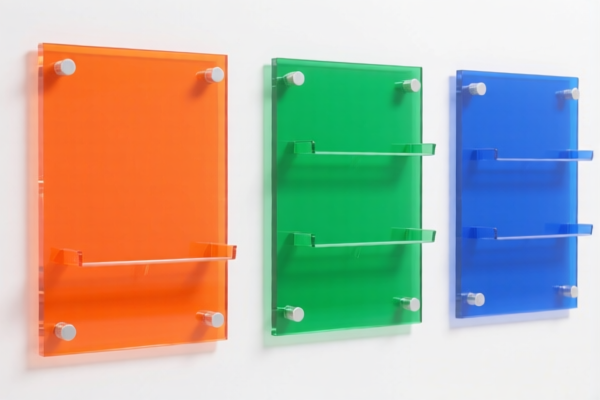
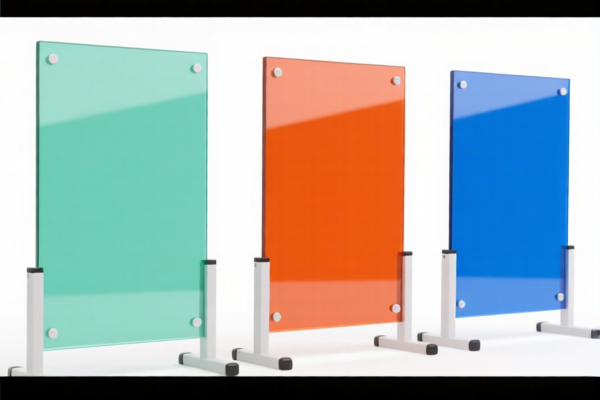
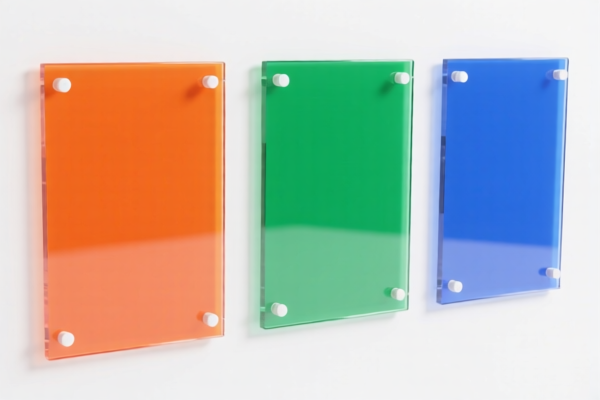
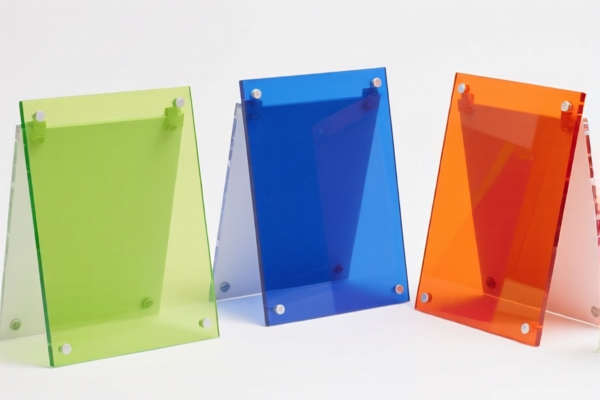
AI Analysis
🏗️ Acrylic Plastic Building Board (PMMA Sheets)
🌐 HS Code Reference & Customs Clearance Guide | 2026 Latest Tariff Analysis | Professional通关 Strategy
📌 Part 1: Product Definition & Classification: What Exactly is "Acrylic Building Board"?
Acrylic Plastic Board, technically known as Polymethyl Methacrylate (PMMA) or Poly(methyl methacrylate), is a transparent thermoplastic often used as a lightweight or shatter-resistant alternative to glass. In international trade, its classification depends heavily on its form (raw material vs. processed good) and specific application structure.
There are two main categories for Acrylic in the US Harmonized Tariff Schedule:
-
Primary Forms / Semi-Finished (Intermediate Goods):
- Raw sheets, extruded blocks, or uncut slabs that have not yet been manufactured into final structural components.
- Usually classified under Chapter 39, Heading 3907 (Polymers in primary forms) or specific sub-headings for unfinished semi-finished goods.
- Key Characteristic: Sold as raw material for further processing by the buyer.
-
Finished Articles / Structural Panels (Final Goods):
- Cut, shaped, drilled, or laminated boards used directly for architectural, construction, or signage purposes.
- Classified under Chapter 39, Headings 3920 or 3921 (Plastics plates, sheets, film, foil, and strip, of plastics).
- Key Characteristic: Ready for installation or direct use in construction/fixing.
⚠️ Critical Distinction Point:
- If the acrylic is in raw/extruded form without specific finishing for a specific building element → It may fall under 3907.69.00.10.
- If it is a finished plate/sheet intended for non-flexible structural use in buildings → It falls under 3920.51.50.50.
- If it is a general-purpose PMMA sheet without specific architectural constraints → It falls under 3920.51.50.90 or 3921.
📦 Part 2: HS Code Classification Details (2026 Latest Tariff Authority Alignment)
| HS Code | Product Description | Application Scenario | Form/State |
|---|---|---|---|
3907.69.00.10 |
Acrylic (Acrylic Polymer) Sheets, Primary/Semi-finished Form | Raw PMMA sheets, extruded blocks, unprocessed slabs for manufacturing | ✅ Primary/Semi-finished |
3920.51.50.50 |
Acrylic (PMMA) Sheets, Architectural Non-Flexible Structure | Building facades, skylights, windows, structural glazing | ✅ Finished Structural |
3920.51.50.90 |
Acrylic (PMMA) Sheets, Flame-Retardant Free | General purpose PMMA plates, no specific flame retardant additives | ✅ Finished General |
3921.19.00.90 |
Acrylic (PMMA) Plastic Sheets, Other Plastics | PMMA sheets classified under "other plastics plates/films" | ✅ Finished Alternative |
3921.11.00.00 |
Acrylic (PMMA) Polymer Sheets, Other Plastic Plates/Films | Generic PMMA polymer plates without material conflict | ✅ Finished Generic |
🔍 Key Reminder:
- "Primary Form" (3907) vs. "Article/Sheet" (3920/3921) is the biggest trap. Misclassifying a finished architectural panel as "raw material" can lead to audits. - 3920.51.50.50 is specific to architectural/non-flexible structures. This is the most common code for building-grade acrylic. - 3920.51.50.90 is for PMMA sheets that do not fit the "architectural structural" definition (e.g., generic signage blanks).
💰 Part 3: 2026 Latest Tariff Rate Breakdown (Including Surcharges & Policy Add-ons)
✅ Applicable Country: United States (US)
✅ Origin: China (CN)
✅ Effective Time: Current rates apply (Subject to ongoing trade policies)
🎯 1. 3907.69.00.10 —— Acrylic Primary/Semi-finished Sheets
| Item | Content |
|---|---|
| Base Tariff Rate | 6.5% (Ad Valorem) |
| Section 301 Additional Tariff | +25.0% (From USITC Footnote) |
| Section 122 Tariff | +10.0% (Specific provision for certain plastic raw materials) |
| Total Effective Rate | 41.5% |
| Tax Calculation | CIF Value × 41.5% |
| De Minimis Exemption | ❌ Not Applicable (High threshold not met for industrial raw materials) |
| Legal Basis Path | HTSUS:3907.69.00.10 → Section 301: Footnote 9903.01.25 → Section 122: Specific Plastic Rule |
📌 Explanation:
- Base 6.5%: Standard MFN rate for acrylic polymers in primary forms. - Section 301 (+25%): Applied to most Chinese-origin plastic products. - Section 122 (+10%): A specific levy often applied to certain plastic resin/sheet imports to protect domestic material suppliers. - Total 41.5%: This is a very high cost burden. Importers must account for this in landed cost calculations.
🎯 2. 3920.51.50.50 —— Architectural Acrylic Sheets
| Item | Content |
|---|---|
| Base Tariff Rate | 6.5% |
| Section 301 Additional Tariff | +25.0% |
| Section 122 Tariff | +10.0% |
| Total Effective Rate | 41.5% |
| Tax Calculation | CIF Value × 41.5% |
| De Minimis Exemption | ❌ Not Applicable |
| Legal Basis Path | HTSUS:3920.51.50.50 → Section 301: Footnote 9903.01.25 → Section 122 |
📌 Note:
- Despite being a "finished" good, the tariff structure remains identical to the semi-finished form in this specific dataset. - Critical: Ensure the product description explicitly states "Architectural Use" or "Non-Flexible Structural Panel" to justify this specific subheading.
🎯 3. 3920.51.50.90 —— General Purpose PMMA Sheets (No Flame Retardant)
| Item | Content |
|---|---|
| Base Tariff Rate | 6.5% |
| Section 301 Additional Tariff | +25.0% |
| Section 122 Tariff | +10.0% |
| Total Effective Rate | 41.5% |
| Tax Calculation | CIF Value × 41.5% |
| De Minimis Exemption | ❌ Not Applicable |
| Legal Basis Path | HTSUS:3920.51.50.90 → Section 301 → Section 122 |
📌 Note:
- Use this code if the sheets are not specifically for architectural structural purposes and do not contain flame retardants. - Common for signage, display cases, or non-structural decorative panels.
🎯 4. 3921.19.00.90 —— Other Plastic PMMA Sheets
| Item | Content |
|---|---|
| Base Tariff Rate | 6.5% |
| Section 301 Additional Tariff | +25.0% |
| Section 122 Tariff | +10.0% |
| Total Effective Rate | 41.5% |
| Tax Calculation | CIF Value × 41.5% |
| De Minimis Exemption | ❌ Not Applicable |
| Legal Basis Path | HTSUS:3921.19.00.90 → Section 301 → Section 122 |
📌 Note:
- This is a "catch-all" for PMMA sheets under Chapter 3921 if they don't fit the 3920.51 specific descriptions. - Ensure the material is confirmed as PMMA/Acrylic to avoid rejection.
🎯 5. 3921.11.00.00 —— Other Plastic Polymer Sheets
| Item | Content |
|---|---|
| Base Tariff Rate | 5.3% |
| Section 301 Additional Tariff | +25.0% |
| Section 122 Tariff | +10.0% |
| Total Effective Rate | 40.3% |
| Tax Calculation | CIF Value × 40.3% |
| De Minimis Exemption | ❌ Not Applicable |
| Legal Basis Path | HTSUS:3921.11.00.00 → Section 301 → Section 122 |
📌 Note:
- This is the only entry in the provided data with a lower base rate (5.3%). - However, it is classified under "Other Plastic Plates" rather than specific Acrylic/PMMA subheadings. - Risk: If customs determines the product is specifically PMMA, they may override this code to 3920.51 or 3907, resulting in a back-payment of the 1.2% difference and potential penalties. Only use if the polymer composition is ambiguous or mixed.
🛠️ Part 4: Customs Clearance Practical Advice (Battle-Tested Pitfall Guide)
✅ 1. Documentation Checklist (Mandatory)
| Document | Must Provide | Description |
|---|---|---|
| ✅ Product Specification Sheet | ✔️ | Must state: Material (PMMA/Acrylic), Thickness, Dimensions, Color, Transparency Level. |
| ✅ Material Safety Data Sheet (MSDS) | ✔️ | Crucial for chemical compliance. Must confirm no restricted flame retardants if using 3920.51.50.90. |
| ✅ Commercial Invoice | ✔️ | Clearly describe as "Acrylic Polymer Sheets" or "PMMA Building Panels". Avoid vague terms like "Plastic Sheet". |
| ✅ Packing List | ✔️ | Detail gross/net weight, number of sheets, and packaging method (to prevent damage claims). |
| ✅ Certificate of Origin (CO) | ✔️ | Essential for confirming China origin to apply correct Section 301 rates. |
| ✅ Photos of Product & Labels | ✔️ | Show the material mark (e.g., "PMMA", "Acrylic", "Plexiglas") and any certification labels. |
✅ 2. Declaration Strategy (Key Mnemonics)
🔥 "Know Your Form, Define Your Use, Specify the Polymer!"
| Scenario | Correct Declaration Approach | Incorrect Approach |
|---|---|---|
| Raw Extruded Sheets | Use 3907.69.00.10. Describe as "Primary Form Acrylic Sheets, Unfinished". |
Calling it "Building Board" → Leads to misclassification audit. |
| Architectural Facade Panels | Use 3920.51.50.50. Specify "Architectural, Non-Flexible, Structural". |
Calling it "Signage Material" → Incorrect duty application. |
| General Decorative Sheets | Use 3920.51.50.90 or 3921.19.00.90. Confirm "No Flame Retardant". |
Failing to declare flame retardant status → Potential legal violation. |
| Uncertain Polymer Type | Consider 3921.11.00.00 but risk audit. |
Using this code confidently for pure PMMA → 40.3% vs 41.5% risk. |
✅ 3. Special Case Handling
| Situation | Handling Advice |
|---|---|
| Mixed Containers (Acrylic + Other Plastics) | Declare separately. Do not bundle different HS codes in one line item. Each line must have its own HS Code and description. |
| Flame Retardant Acrylic | If the product contains flame retardants, 3920.51.50.90 is invalid. You must check other specific subheadings for flame-retardant plastics, or reclassify. |
| Laminated Acrylic | If acrylic is laminated with another material (e.g., fiberglass), the classification may change to a composite good. Consult a customs broker. |
| Pre-Cut Shapes for Windows | If cut to specific window sizes, it may still be 3920.51.50.50 but ensure the description reflects "Ready for Installation". |
🌍 Part 5: Global Market Comparison (2026 Overview)
| Country/Region | Recommended HS Code | Tariff (China Origin) | Certification Requirements | Notes |
|---|---|---|---|---|
| 🇺🇸 United States | 3920.51.50.50 / 3907.69.00.10 |
41.5% (with 301+122) | No specific US cert for pure acrylic, but ASTM standards recommended. | Highest tariff burden. |
| 🇨🇳 China | 3920.51.50 |
5-6.5% | GB Standards | Low import tariff if exporting from US to China. |
| 🇪🇺 European Union | 3920.51 |
6.5% | REACH Compliance | No Section 301 equivalent. Focus on environmental compliance. |
| 🇬🇧 United Kingdom | 3920.51 |
6.5% | UKCA Marking (if regulated) | Post-Brexit rules apply. |
| 🇻🇳 Vietnam | 3920.51 |
Varies (FTA benefits) | Local Labeling | Consider sourcing through Vietnam to avoid US Section 301 tariffs. |
📌 Conclusion:
- The US market imposes a massive 41.5% tariff on Chinese acrylic products due to Section 301 (25%) and Section 122 (10%). - Cost Optimization Strategy: Consider Transshipment or Supply Chain Diversification to non-tariff countries (e.g., Vietnam, Malaysia) if available, though "Rules of Origin" will still apply to prove substantial transformation.
📌 Part 6: Common Errors & Pitfall Guide (Lessons Learned from Blood & Tears)
❌ Error 1: Using 3907.69.00.10 for finished, cut-to-size building panels.
👉 Consequence: Customs may reclassify as 3920.51.50.50, leading to delays and corrective filings.
❌ Error 2: Failing to disclose Flame Retardant content when using 3920.51.50.90.
👉 Consequence: If tested and found to have flame retardants, the goods may be denied entry or subject to fines.
❌ Error 3: Vague Description: "Plastic Sheet".
👉 Consequence: CBP (Customs and Border Protection) will request additional info, causing 3-6 week delays. Always specify "PMMA" or "Acrylic".
❌ Error 4: Assuming 3921.11.00.00 (40.3%) is always cheaper.
👉 Consequence: If the product is clearly PMMA, CBP will enforce 3920.51.50 (41.5%). The 1.2% savings is not worth the audit risk and penalties.
✅ Correct Practice:
"Acrylic Sheet, Polymethyl Methacrylate (PMMA), Clear, 12mm Thickness, Architectural Grade, Non-Flame Retardant, Unfinished Extruded Sheets, HS Code 3920.51.50.50"
🎯 Part 7: Conclusion: Precision in Classification Saves Costs!
🎯 Remember the Mantra:
🔹 "Form Defines Code, Use Defines Subheading."
🔹 "41.5% is the US Reality; Document Everything to Avoid Delays."
🔹 "Flame Retardant Status is Critical for 3920.51.50.90."
📌 Pro Tip:
If you are importing large volumes into the US:
1. Apply for an Advance Ruling from CBP to lock in the HS Code.
2. Explore Section 301 Exclusions: Check if specific PMMA products are currently eligible for exclusions (policy changes frequently).
3. Consider Bonded Warehouses: To defer duty payments until the goods are sold or re-exported.
📣 Immediate Action Required:
📞 Contact your customs broker with the full product specification sheet.
🚀 Verify Section 122 applicability for your specific supplier and product type.
💼 Accurate declaration is your best defense against high tariffs and compliance risks.
✨ Professional Customs Clearance Starts with Accurate Classification!
💼 Every percentage point saved is pure profit!
Customer Reviews
About HS Code Classification
The Harmonized System (HS) is an internationally standardized nomenclature developed by the World Customs Organization (WCO) to classify traded products. Over 200 countries use the HS system as the basis for customs tariffs, trade statistics, and import/export regulations.
Each HS code follows a hierarchical structure:
- Chapter (2 digits) — Broad category of goods (e.g., Chapter 84: Machinery and Mechanical Appliances)
- Heading (4 digits) — More specific grouping within the chapter
- Subheading (6 digits) — Internationally standardized breakdown, used by all WCO member countries
- National subdivisions (8-10 digits) — Country-specific extensions for further classification, such as US HTSUS 10-digit codes
Correct HS code classification is essential for smooth customs clearance, accurate duty payment, and compliance with trade regulations. Misclassification can lead to customs delays, overpayment of duties, or penalties.
When importing from CN to US, the applicable tariff rates may include:
- Most-Favored-Nation (MFN) rate — The standard duty rate applied to WTO members
- General rate — Applied to countries without trade agreements
- Trade remedy duties — Additional tariffs such as Section 301 (anti-dumping), Section 232 (national security), or countervailing duties
The information provided on this page is for reference purposes only. For official classification, please consult with your local customs authority or a licensed customs broker.