Acrylic Plastic Colored Sheets
CN → US| HS Code | Tariff Rate | Origin | Destination | Doc |
|---|---|---|---|---|
| 3921190090 | 41.5% | CN | US | Official Doc |
| 3921905050 | 39.8% | CN | US | Official Doc |
| 3926909989 | 22.8% | CN | US | Official Doc |
| 3920515090 | 41.5% | CN | US | Official Doc |
| 3920598000 | 41.5% | CN | US | Official Doc |
Product Images
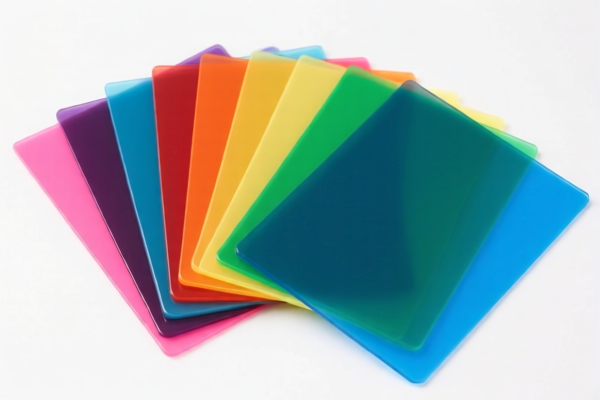
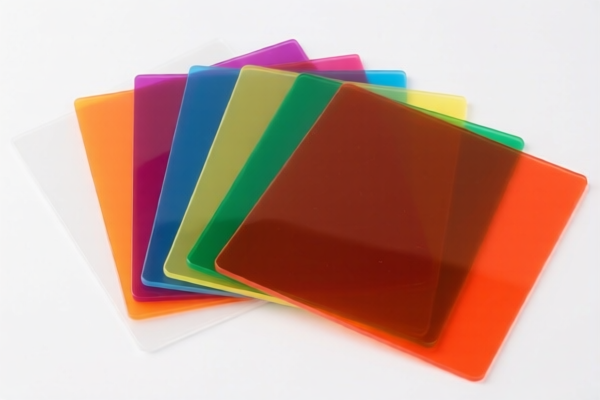
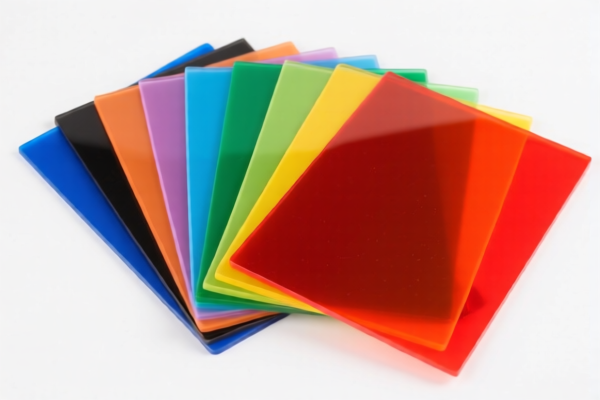
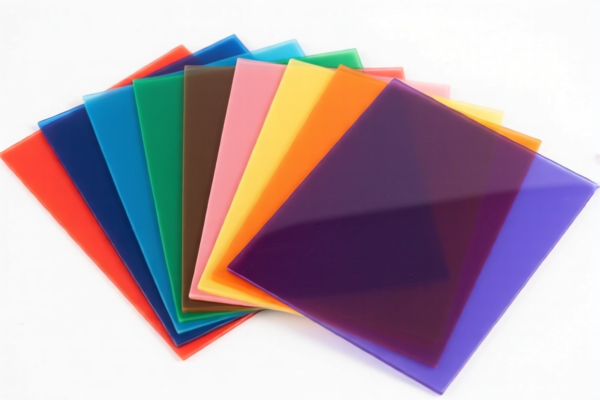
AI Analysis
🎨 Acrylic Plastic Colored Sheets (Polymethyl Methacrylate Sheets)
🌐 HS Code Reference & Customs Clearance Guide | 2026 Latest Tariff Analysis | Strategic Classification for PMMA
📌 I. Product Definition & Classification: What Exactly is "Acrylic"?
Acrylic sheets, scientifically known as Polymethyl Methacrylate (PMMA), are transparent thermoplastic sheets. In international trade, they are primarily classified under Chapter 39 (Plastics and Articles Thereof). However, the specific HS Code depends heavily on the physical form, material composition, and whether it is a cell/core type or solid sheet.
Misclassification of Acrylic sheets is a common customs risk because they can fall into either "Plates/Sheets" (Chapter 39, Section 39.20/39.21) or "Other Plastic Articles" (39.26) if not described correctly.
⚠️ Key Classification Criteria:
- Solid Sheets: Must be classified under Heading 39.20 (Plates, sheets, etc.) or 39.21 (Other plates, sheets, etc.).
- Cellular/Micro-porous Sheets: If the sheet contains air cells (foam core), it cannot be classified under 39.20/39.21 if it fits 39.26 "Other". However, most solid colored acrylic sheets fall under 39.20/39.21.
- Material Specificity: Pure PMMA vs. Blends. Pure PMMA often has different duty rates than mixed plastic polymers.
📦 II. HS Code Classification Details (Based on Provided Data)
Below are the five specific HS Codes identified in your data, along with their official descriptions and tax implications.
| HS Code | Product Description (From Data) | Total Tax Rate | Tax Detail Breakdown |
|---|---|---|---|
3921.19.00.90 |
Acrylic (Polymer/Plastic) Sheets: Classified as plates, sheets, films, foils, and strips of plastics. Non-porous sheets categorized under "Other". | 41.5% | Base: 6.5% Additional: 25.0% Section 122: 10% |
3921.90.50.50 |
Acrylic (Plastic) Sheets: Fits the material and form characteristics of other plastic plates, sheets, films, foils, and strips. | 39.8% | Base: 4.8% Additional: 25.0% Section 122: 10% |
3926.90.99.89 |
Acrylic (PMMA) Sheets: Classified as "Other Plastic Articles" due to material consistency, falling into the residual/dummy category. | 22.8% | Base: 5.3% Additional: 7.5% Section 122: 10% |
3920.51.50.90 |
Acrylic (PMMA) Sheets: Fits the form description of plates, sheets, films, foils; belongs to plastic category. | 41.5% | Base: 6.5% Additional: 25.0% Section 122: 10% |
3920.59.80.00 |
Acrylic (Acrylic Polymer) Sheets: Fits the form description of plates, sheets, films, foils; material and form meet classification requirements. | 41.5% | Base: 6.5% Additional: 25.0% Section 122: 10% |
💰 III. 2026 Latest Tariff Rate Detail (Including Surtaxes & Policy Add-ons)
✅ Applicable Country: United States (US)
✅ Origin: China (CN)
✅ Effective Time: Current applicable rates based on provided data.
🎯 1. High-Tariff Category: 3921.19.00.90, 3920.51.50.90, 3920.59.80.00
Common Feature: These codes carry the highest total tax burden due to higher base tariffs combined with Section 301/122 surcharges.
| Item | Content |
|---|---|
| Base Tariff | 6.5% (ad valorem) |
| Section 301 / Additional Surcharge | +25.0% |
| Section 122 Tariff | +10.0% (Specific policy surcharge) |
| Total Tax Rate | 41.5% |
| Tax Calculation | CIF Value × 41.5% |
| De Minimis Exemption | ❌ Not Eligible |
📌 Explanation:
- The 6.5% Base Tariff is the standard Most Favored Nation (MFN) rate for these plastic sheet categories.
- The 25.0% Additional Surcharge is typically associated with Section 301 tariffs on Chinese goods.
- The 10% Section 122 Tariff is a specific trade remedy or policy add-on mentioned in your data.
- Total 41.5% is a significant cost factor. Careful classification is crucial to avoid overpayment.
🎯 2. Medium-Tariff Category: 3921.90.50.50
Common Feature: Slightly lower base tariff reduces the total burden compared to the high-tax group.
| Item | Content |
|---|---|
| Base Tariff | 4.8% (ad valorem) |
| Section 301 / Additional Surcharge | +25.0% |
| Section 122 Tariff | +10.0% |
| Total Tax Rate | 39.8% |
| Tax Calculation | CIF Value × 39.8% |
| De Minimis Exemption | ❌ Not Eligible |
📌 Note:
- While the base rate is lower (4.8% vs 6.5%), the surcharges remain the same.
- This code is suitable for acrylic sheets that do not fit the specific sub-headings of 3920.51/59 or 3921.19 but still qualify as "Plastic Sheets".
🎯 3. Low-Tariff Category: 3926.90.99.89
Common Feature: Classified as "Other Plastic Articles" rather than "Sheets," leading to significantly lower surcharges.
| Item | Content |
|---|---|
| Base Tariff | 5.3% (ad valorem) |
| Additional Surcharge | +7.5% |
| Section 122 Tariff | +10.0% |
| Total Tax Rate | 22.8% |
| Tax Calculation | CIF Value × 22.8% |
| De Minimis Exemption | ❌ Not Eligible |
📌 Critical Insight:
- This code has the lowest total tax rate (22.8%).
- However, it is classified under 39.26 (Other Plastic Articles), not 39.20/39.21 (Sheets).
- Risk: If customs determines the product is clearly a "Sheet" (flat, uniform thickness, for bending/cutting), classifying it as "Other Articles" may lead to classification disputes, audits, or penalties.
- Usage: This might be appropriate for acrylic items that are cut into complex shapes, embossed, or processed beyond a simple sheet form, or if the specific polymer blend doesn't fit the strict definition of 39.20/21 sheets.
🛠️ IV. Customs Clearance Practical Advice (Real-World Pitfall Avoidance)
✅ 1. Essential Documentation Checklist
| Document | Required | Purpose |
|---|---|---|
| ✅ Product Specification Sheet | ✔️ | Must detail: Material (PMMA/Acrylic), Thickness, Dimensions, Color, Finish (Gloss/Matte), Transparency Level. |
| ✅ Material Safety Data Sheet (MSDS) | ✔️ | Confirms chemical composition (Polymer type). |
| ✅ Commercial Invoice | ✔️ | Must clearly state "Acrylic Sheets" or "PMMA Sheets" and the exact HS Code used. |
| ✅ Packing List | ✔️ | Show weight, dimensions, and packaging type. |
| ✅ Certificate of Origin (CO) | ✔️ | To verify origin (China) and apply correct surcharges. |
| ✅ Photographs | ✔️ | Show the product in sheets (stacked, rolled, or flat) to prove it is a "Sheet" and not a finished "Article". |
✅ 2. Classification Strategy & Tips
🔥 Golden Rule: "Material First, Form Second. If it's a Sheet, it's 39.20/21. If it's 'Other', it's 39.26."
| Scenario | Recommended HS Code | Reason |
|---|---|---|
| Standard Flat Acrylic Sheets (Cut to size, uniform thickness) | 3920.51.50.90 or 3920.59.80.00 |
Fits the definition of "Plates, Sheets" of polymers. Higher tax, but accurate. |
| Non-Porous Polymer Sheets (Generic plastic description) | 3921.19.00.90 |
If the specific polymer doesn't fit 39.20 sub-headings, it falls here. High tax. |
| Generic Plastic Sheets (Broad category) | 3921.90.50.50 |
When the specific type (PMMA vs others) is less relevant or blended. Moderate tax. |
| Processed/Complex Acrylic Items (e.g., curved, molded, or non-sheet form) | 3926.90.99.89 |
If the item is no longer a "sheet" but an "article," this low-tax code may apply. High audit risk if misused. |
📌 Important Warning:
- Do not use3926.90.99.89for standard flat acrylic sheets just to save taxes. Customs can easily identify flat sheets and will reclassify them, leading to back taxes, penalties, and delays.
- Only use3926if the product is genuinely an "other plastic article" (e.g., acrylic signs, molded parts).
✅ 3. Special Circumstances Handling
| Situation | Handling Advice |
|---|---|
| Custom Colored/Patterned Sheets | Still classified under 39.20/39.21. Color does not change the chapter. |
| Composite Sheets (e.g., Acrylic + Aluminum) | If it is a layered product, classification may differ (Chapter 76 for Aluminum). Consult a broker. |
| High-Thickness vs. Thin Sheets | Thickness does not change the HS Code in Chapter 39, but ensure the description matches. |
| Import for Industrial Use | No special tariff exemption for industrial use. Base tax applies. |
🌍 V. Global Market Comparison (2026 Context)
| Country/Region | Typical HS Code for Acrylic Sheets | Est. Tariff | Notes |
|---|---|---|---|
| 🇺🇸 USA | 3920.51.50.90 / 3926.90.99.89 |
22.8% – 41.5% | High due to Section 301/122. Strict classification required. |
| 🇨🇳 China | 3920.51.00.00 |
~6.5% | Lower import tariffs. No Section 301. |
| 🇪🇺 EU | 3920.51.00 |
~5.5% | Standard MFN rate. No high surcharges. |
| 🇮🇳 India | 3920.51.00 |
~10-15% | BCD + SWS. Varies by trade agreements. |
📌 Conclusion:
- The USA market is the most challenging due to high surcharges.
- Accurate classification is the only way to manage costs legally.
- Consider supply chain diversification if the 41.5% tariff is prohibitive.
📌 VI. Common Errors & Pitfalls (Lessons Learned)
❌ Mistake 1: Calling "Acrylic Sheets" "Plastic Parts" to get 3926 tariff.
👉 Result: Customs audit, reclassification to 3920 with 41.5% tax, plus penalties.
❌ Mistake 2: Ignoring "Section 122" surcharge.
👉 Result: Underpaying by 10%, leading to surprise bills and delays.
❌ Mistake 3: Using 3921.19 when 3920.51 is more specific.
👉 Result: May be accepted, but 3920.51 is often more precise for PMMA sheets. Check with a broker for the best fit.
✅ Correct Approach:
"Acrylic Sheets (PMMA), 5mm Thick, Transparent, Cut to 4x8 Feet, for Signage"
→ Classify under3920.51.50.90(41.5%) unless proven to be an "Other Article".
🎯 VII. Final Conclusion: Precision Saves Money!
🎯 Remember:
🔹 "Sheets are Sheets: Go with 39.20/21.
🔹 'Other Articles' are not Sheets: Watch for 39.26 Risk.
🔹 Taxes are High: 41.5% is the norm, 22.8% is the exception.
🔹 Documentation is Key: Proving the 'Sheet' nature is vital."
📌 Pro Tip:
If you are importing large volumes, consult a customs broker for a Pre-Ruling (Advance Ruling) to confirm if your specific acrylic product qualifies for the lower 3926.90.99.89 rate. Do not guess—get it in writing from CBP if possible.
📣 Immediate Action:
📞 Contact a licensed customs broker
📄 Prepare detailed product specs
🔍 Verify HS Code with CBP
🚀 Ensure smooth clearance and cost control!
✨ Professional Clearance Starts with Accurate Classification!
💼 Your Cost Efficiency Depends on Every Percent!
Customer Reviews
About HS Code Classification
The Harmonized System (HS) is an internationally standardized nomenclature developed by the World Customs Organization (WCO) to classify traded products. Over 200 countries use the HS system as the basis for customs tariffs, trade statistics, and import/export regulations.
Each HS code follows a hierarchical structure:
- Chapter (2 digits) — Broad category of goods (e.g., Chapter 84: Machinery and Mechanical Appliances)
- Heading (4 digits) — More specific grouping within the chapter
- Subheading (6 digits) — Internationally standardized breakdown, used by all WCO member countries
- National subdivisions (8-10 digits) — Country-specific extensions for further classification, such as US HTSUS 10-digit codes
Correct HS code classification is essential for smooth customs clearance, accurate duty payment, and compliance with trade regulations. Misclassification can lead to customs delays, overpayment of duties, or penalties.
When importing from CN to US, the applicable tariff rates may include:
- Most-Favored-Nation (MFN) rate — The standard duty rate applied to WTO members
- General rate — Applied to countries without trade agreements
- Trade remedy duties — Additional tariffs such as Section 301 (anti-dumping), Section 232 (national security), or countervailing duties
The information provided on this page is for reference purposes only. For official classification, please consult with your local customs authority or a licensed customs broker.