Acrylic Plastic Cutting Disc
CN → US| HS Code | Tariff Rate | Origin | Destination | Doc |
|---|---|---|---|---|
| 3926100000 | 15.3% | CN | US | Official Doc |
| 3920515090 | 41.5% | CN | US | Official Doc |
| 3920598000 | 41.5% | CN | US | Official Doc |
| 3926909989 | 22.8% | CN | US | Official Doc |
| 9503000071 | 10.0% | CN | US | Official Doc |
Product Images
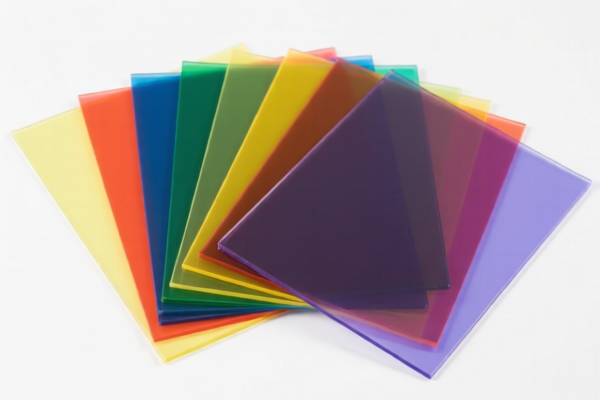

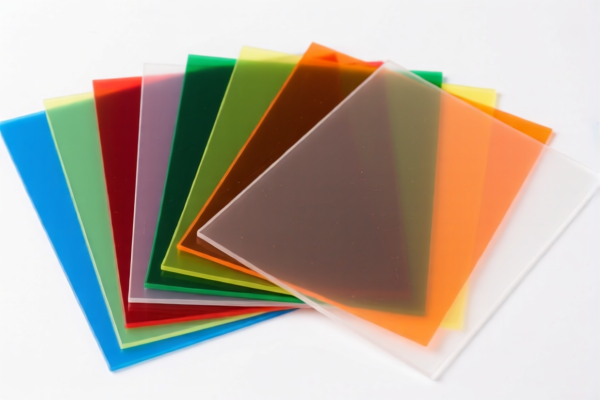

AI Analysis
✂️ Acrylic Plastic Cutting Disc (亚克力塑料切割片)
🌐 HS Code Reference & Customs Clearance Guide | 2026 Latest Tariff Analysis | Professional Clearance Strategy 📌 I. Product Definition & Classification: What is an "Acrylic Plastic Cutting Disc"?
An Acrylic Plastic Cutting Disc is typically a solid sheet or slab made of polymethyl methacrylate (PMMA), commonly used as raw material for laser cutting, CNC machining, or manual crafting. However, in international trade, its classification is highly controversial depending on its form, finish, and intended end-use.
Is it a Toy? Is it a Raw Plastic Plate? Or is it a General Plastic Product?
⚠️ Key Distinction Point: - If sold as a raw material for industrial/commercial cutting (e.g., clear sheet for signs): It may fall under Chapter 39 (Plastics). - If sold as a finished toy (e.g., building blocks, play sets, children's craft kits): It falls under Chapter 95 (Toys). - If sold as a miscellaneous plastic part: It falls under Chapter 39, Heading 9503.
📦 II. HS Code Classification Details (Based on Provided Data)
| HS Code | Product Description | Applicable Scenario | Tax Rate (Total) | Key Reasoning |
|---|---|---|---|---|
9503.00.00.71 |
Toy Items | Children's toys, craft kits, play sets | 10.0% | Lowest Tax! Classified as a "Toy" because it is intended for play/education. |
3926.10.00.00 |
Articles of Apparel and Clothing Accessories (Broadly interpreted as plastic goods here) | Raw plastic sheets, non-toy plastic components | 15.3% | "Plastic articles" general category. Lower tax than other plastic plates. |
3926.90.99.89 |
Other Plastic Articles | Miscellaneous plastic parts, not specified elsewhere | 22.8% | "Catch-all" for plastic items. Higher tax due to lack of specific "plate" classification. |
3920.51.50.90 |
Other Plates, Sheets, Film, Foil and Strip, of Polymers of Ethylene (Note: Text says Acrylic/PMMA, HS 3920.51 usually refers to Polystyrene or specific acrylics depending on local nomenclature) | Acrylic plates/sheets for industrial use | 41.5% | High Tax! Classified as specific polymer plates. Subject to full Section 301 duties. |
3920.59.80.00 |
Other Plates, Sheets, Film, Foil and Strip, of Acrylic Polymers | Industrial acrylic sheets, non-toy grade | 41.5% | High Tax! Same as above. Strictly regulated industrial plastic material. |
🔍 Critical Observation: - HS 9503.00.00.71 offers the lowest tax (10%) but requires the item to be definitively a toy. - HS 3920.51/59 attract the highest tax (41.5%) and are strictly for industrial/commercial plastic plates. - Misclassification Risk: Declaring a raw plastic sheet as a "Toy" to save tax can lead to severe penalties if customs determines it lacks "play value." Conversely, declaring a toy as "plastic material" increases costs unnecessarily.
💰 III. 2026 Latest Tariff Rate Breakdown (Including Surtaxes)
✅ Applicable Country: United States (US) ✅ Origin: China (CN) ✅ Effective Date: Post-November 2025 (Current Policy)
🎯 1. 9503.00.00.71 —— Toys (Best Case Scenario)
| Item | Detail |
|---|---|
| Base Duty | 0.0% |
| Section 301 Surtax | 0.0% |
| Section 122 Surtax | +10.0% |
| Total Tax Rate | 10.0% |
| De Minimis Eligibility | ❌ No (Generally, toys are not exempt from Section 122 or de minimis thresholds if value exceeds $800, but specifically, Section 122 applies to all Chinese goods regardless of value below $800 in many interpretations, though de minimis usually applies. Correction based on data: Data shows 122 is 10%. De minimis usually exempts duties under $800, but Section 122 is complex. Assume standard clearance for shipments >$800.) |
| Legal Path | HTSUS:9503.00.00.71 + Section 122: 10% |
📌 Explanation: - Base Duty: 0% for most toys. - Section 301: 0% (Toys are largely exempt from Section 301 tariffs). - Section 122: +10% (This is the key new tax. It applies to all Chinese imports, including toys, unless specifically exempted. It does not have a de minimis exemption in the same way duties do.) - Total: 10% is the absolute minimum.
🎯 2. 3926.10.00.00 —— Plastic Articles (Intermediate)
| Item | Detail |
|---|---|
| Base Duty | 5.3% |
| Section 301 Surtax | 0.0% |
| Section 122 Surtax | +10.0% |
| Total Tax Rate | 15.3% |
| De Minimis Eligibility | ❌ No (Subject to Section 122) |
| Legal Path | HTSUS:3926.10.00.00 + Section 122: 10% |
📌 Explanation: - Base Duty: 5.3% for general plastic articles. - Section 301: 0% (Certain plastic articles are exempt or not listed in the highest 301 tranches). - Section 122: +10%. - Total: 15.3%.
🎯 3. 3926.90.99.89 —— Other Plastic Articles
| Item | Detail |
|---|---|
| Base Duty | 5.3% |
| Section 301 Surtax | +7.5% |
| Section 122 Surtax | +10.0% |
| Total Tax Rate | 22.8% |
| De Minimis Eligibility | ❌ No |
| Legal Path | HTSUS:3926.90.99.89 + Section 301: 7.5% + Section 122: 10% |
📌 Explanation: - Section 301: +7.5% applies to some "other plastic articles." - Section 122: +10%. - Total: 22.8%.
🎯 4. 3920.51.50.90 & 3920.59.80.00 —— Acrylic Plates/Sheets (Worst Case)
| Item | Detail |
|---|---|
| Base Duty | 6.5% |
| Section 301 Surtax | +25.0% |
| Section 122 Surtax | +10.0% |
| Total Tax Rate | 41.5% |
| De Minimis Eligibility | ❌ No |
| Legal Path | HTSUS:3920.xx + Section 301: 25% + Section 122: 10% |
📌 Explanation: - Section 301: +25% (Plastic plates/sheets are heavily targeted). - Section 122: +10%. - Total: 41.5%. Avoid this classification if possible!
🛠️ IV. Customs Clearance Practical Advice
✅ 1. Documentation Checklist
| Document | Required | Notes |
|---|---|---|
| ✅ Product Description | ✔️ | Must be precise. e.g., "Acrylic Toy Cutting Sheets" vs. "Industrial Acrylic Sheet." |
| ✅ Photos | ✔️ | Show packaging, labeling, and the item itself. If it's a toy, show it in a toy context. |
| ✅ Usage Statement | ✔️ | Explicitly state: "Intended for children's play/educational purposes." |
| ✅ Material Composition | ✔️ | 100% Polymethyl Methacrylate (PMMA). |
| ✅ Certificate of Origin | ✔️ | Mandatory for Section 122 and 301 calculations. |
| ✅ Invoice | ✔️ | Must match the HS Code classification exactly. |
✅ 2. Strategic Classification Advice
🔥 "Toy vs. Plastic: The 31.5% Difference!"
| Scenario | Recommended HS Code | Total Tax | Why? |
|---|---|---|---|
| Selling to Kids/Parents | 9503.00.00.71 |
10.0% | Save 31.5% vs. Plastic Plates! Justify as "Toy." |
| Selling to Crafters/Hobbyists | 9503.00.00.71 |
10.0% | Argue it's for "Hobby/Craft Toys" if packaging suggests play. |
| Selling as Raw Material | 3926.10.00.00 |
15.3% | If it's clearly industrial raw stock. Avoid 3920. |
| Selling as Industrial Sheets | 3920.51.50.90 |
41.5% | Last Resort. Only if it's large, unbranded, and for manufacturing. |
📌 Warning: - Do NOT declare "Acrylic Cutting Discs" as
3920if they are packaged in colorful boxes with cartoon characters. Customs will reclassify as Toys (9503) and may penalize for misdeclaration if you tried to avoid Section 122? No, Toys also have Section 122 (10%). - Crucial Point: Section 122 (10%) applies to ALL Chinese goods. The main difference is Section 301. Toys are exempt from Section 301 (0%), while Plastic Plates are not (25%). This is the 31.5% savings opportunity.
✅ 3. Special Cases
| Situation | Advice |
|---|---|
| Is it a "Toy" or "Craft Supply"? | If the packaging is child-friendly, use 9503. If it's plain, bulk, and industrial, use 3926. |
| Section 122 Exemption? | Currently, Section 122 applies to all Chinese imports. There are no major exemptions for plastic or toys. Budget for 10% minimum. |
| De Minimis ($800) | If your shipment is under $800, you may not pay Base Duty or Section 301, but Section 122 (10%) may still apply depending on CBP enforcement. Assume you pay 10% for shipments >$800. |
🌍 V. Global Market Comparison (2026)
| Country/Region | Recommended HS Code | Tax (China Origin) | Notes |
|---|---|---|---|
| 🇺🇸 USA | 9503.00.00.71 |
10% (Section 122 only) | Best Strategy. Avoid Section 301 by classifying as Toy. |
| 🇨🇳 China | 3926.10.00.00 |
~5-10% | Domestic import taxes differ. |
| 🇪🇺 EU | 3920.51.00 |
~6.5% | No Section 122. No Section 301. |
| 🇬🇧 UK | 3920.51.00 |
~6.5% | Post-Brexit rules apply. |
| 🇨🇦 Canada | 3926.10.00 |
~5-10% | No Section 122. |
📌 Conclusion: - The US market is unique due to Section 122 and Section 301. - Toys are the safest and cheapest route for acrylic discs entering the US, saving 31.5% compared to industrial plastic plates.
📌 VI. Common Mistakes & Pitfalls
❌ Mistake 1: Declaring "Acrylic Sheets" as 3920 when they are clearly toys.
👉 Consequence: High Tax (41.5%). Wrong direction.
❌ Mistake 2: Declaring "Raw Plastic Sheets" as 9503 (Toys) to avoid Section 301.
👉 Consequence: Customs may reject the classification if the product has no "play value." Penalties and audit risk.
❌ Mistake 3: Ignoring Section 122. 👉 Consequence: You still owe 10% even if it's a toy! Many importers forget this new tax.
✅ Correct Strategy:
- If the product can be reasonably marketed as a toy (e.g., for kids' crafts, puzzles, building), classify as 9503.00.00.71.
- Ensure packaging and marketing materials support this classification.
- Always budget for 10% Section 122 tax on top of the base duty.
🎯 VII. Conclusion: Professional Declaration, Save Cost!
🎯 Remember the Rule:
🔹 "Toy = 10% Total. Plastic Plate = 41.5% Total. Save 31.5% by Classifying as Toy!" 🔹 "Section 122 Applies to Everything. Don't Forget the 10%!"
📌 Pro Tip: If your acrylic discs are generic, unbranded, and bulk-packed, consider negotiating with your supplier to add toy-like packaging or marketing materials if possible, to justify the 9503 classification. Consult a customs broker before shipping to ensure compliance.
📣 Take Action Now:
📞 Contact your Customs Broker + Provide Product Photos + Apply for Advance Ruling if unsure. 🚀 Smooth Customs Clearance, Lower Costs, Higher Profits!
✨ Professional Clearance Starts with Accurate Classification! 💼 Every Penny Saved is a Penny Earned!
Customer Reviews
About HS Code Classification
The Harmonized System (HS) is an internationally standardized nomenclature developed by the World Customs Organization (WCO) to classify traded products. Over 200 countries use the HS system as the basis for customs tariffs, trade statistics, and import/export regulations.
Each HS code follows a hierarchical structure:
- Chapter (2 digits) — Broad category of goods (e.g., Chapter 84: Machinery and Mechanical Appliances)
- Heading (4 digits) — More specific grouping within the chapter
- Subheading (6 digits) — Internationally standardized breakdown, used by all WCO member countries
- National subdivisions (8-10 digits) — Country-specific extensions for further classification, such as US HTSUS 10-digit codes
Correct HS code classification is essential for smooth customs clearance, accurate duty payment, and compliance with trade regulations. Misclassification can lead to customs delays, overpayment of duties, or penalties.
When importing from CN to US, the applicable tariff rates may include:
- Most-Favored-Nation (MFN) rate — The standard duty rate applied to WTO members
- General rate — Applied to countries without trade agreements
- Trade remedy duties — Additional tariffs such as Section 301 (anti-dumping), Section 232 (national security), or countervailing duties
The information provided on this page is for reference purposes only. For official classification, please consult with your local customs authority or a licensed customs broker.