Acrylic Plastic Light Box Board
CN → US| HS Code | Tariff Rate | Origin | Destination | Doc |
|---|---|---|---|---|
| 3926909987 | 22.8% | CN | US | Official Doc |
| 3920515090 | 41.5% | CN | US | Official Doc |
| 9405920000 | 38.7% | CN | US | Official Doc |
| 3926909989 | 22.8% | CN | US | Official Doc |
| 3920598000 | 41.5% | CN | US | Official Doc |
Product Images
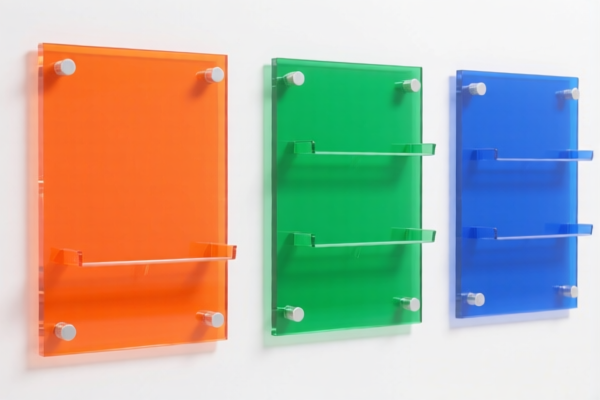
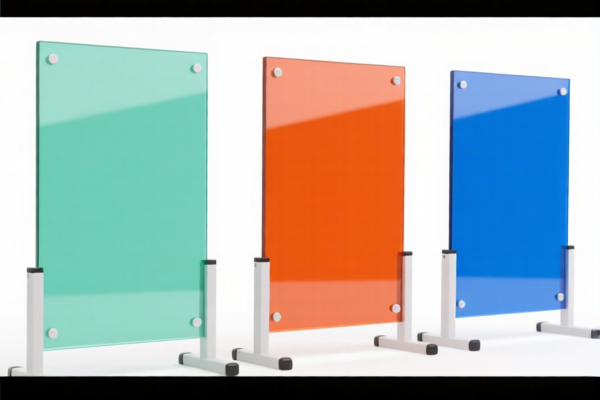
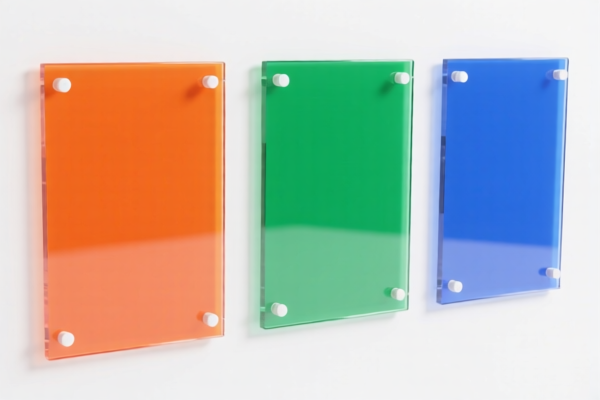
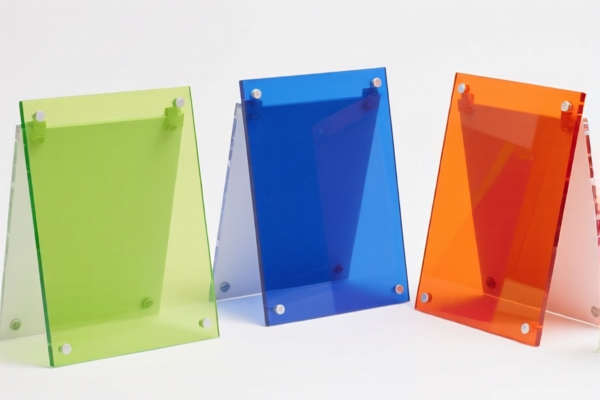
AI Analysis
🏷️ Acrylic Plastic Light Box Board (LED Backlight Panels)
🌐 HS Code Reference & Customs Clearance Guide | 2026 Latest Tariff Analysis | Professional Strategy
📌 I. Product Definition & Classification: What Exactly is an "Acrylic Light Box Board"?
Acrylic Plastic Light Box Boards are primarily made of Polymethyl Methacrylate (PMMA), commonly known as acrylic. In international trade, their classification depends heavily on whether they are viewed as raw plastic materials or as parts of lighting fixtures.
1. As Plastic Material (Plates/Sheets):
If the product is classified based on its material (Acrylic/PMMA) and form (rigid plate/sheet), it falls under Chapter 39 (Plastics).
Key Feature:* Raw acrylic sheet, possibly with surface treatments (pearlescent, frosted), used as the diffuser for light boxes.
2. As Lighting Appliance Part:
If the product is specifically designed and presented as a component of a light box (a lighting apparatus), it may be classified under Chapter 94 (Furniture; lighting fittings).
Key Feature:* Integral part of a lighting system, often imported as a component for assembly into light box structures.
⚠️ Critical Distinction:
- If declared as "Plastic Plate/Sheet" → Look at HS 3920/3926
- If declared as "Part of a Light Box" → Look at HS 9405
- Note: Misclassification here can lead to massive duty differences (22.8% vs 41.5%).
📦 II. HS Code Classification Details (2026 Authoritative Comparison)
| HS Code | Product Description | Application Scenario | Duty Rate | Tax Detail Breakdown |
|---|---|---|---|---|
3926.90.99.87 |
Other articles of plastics and articles of other materials of heading 39.21 to 39.26. Acrylic Light Box Board as Plastic Article. |
General acrylic plates used in light boxes, not specifically identified elsewhere. | 22.8% | Base: 5.3% Section 301: 7.5% Section 122: 10% |
3920.51.50.90 |
Plates, sheets, film, foil, and strip, of plastics, not cellular, not reinforced, laminated, supported or similarly combined with other materials. Acrylic (PMMA) Plates. |
Rigid PMMA plates used for light box diffusers. | 41.5% | Base: 6.5% Section 301: 25.0% Section 122: 10% |
9405.92.00.00 |
Parts of lighting fittings and lighting accessories. Parts of Light Boxes. |
Acrylic boards specifically recognized as components of lighting apparatus. | 38.7% | Base: 3.7% Section 301: 25.0% Section 122: 10% |
3926.90.99.89 |
Other articles of plastics. Acrylic Light Box Board as Unspecified Plastic Article. |
Similar to 87 but for other unspecified plastic goods. | 22.8% | Base: 5.3% Section 301: 7.5% Section 122: 10% |
3920.59.80.00 |
Other plates, sheets, film, foil, and strip, of acrylic polymers. Non-cellular Acrylic Plates. |
Non-foamed, non-reinforced acrylic polymer plates. | 41.5% | Base: 6.5% Section 301: 25.0% Section 122: 10% |
🔍 Key Insight:
- Lowest Duty (22.8%):3926.90.99.87/3926.90.99.89. These classify the item as a "plastic article" rather than a specific "plastic plate," allowing for lower Section 301 tariffs (7.5% vs 25%).
- Highest Duty (41.5%):3920.51.50.90/3920.59.80.00. These classify the item strictly as an "acrylic plate," triggering the full 25% Section 301 tariff.
- Middle Ground (38.7%):9405.92.00.00. Classifies as a "lighting part." While the base duty is low (3.7%), the 25% Section 301 tariff still applies.
💰 III. 2026 Tariff Rate Breakdown (Detailed Policy Analysis)
✅ Applicable Country: United States (US)
✅ Origin: China (CN)
✅ Effective Date: 2025/2026 Current Policies
🎯 1. 3926.90.99.87 & 3926.90.99.89 —— Acrylic Light Box Board (Plastic Article)
| Item | Content |
|---|---|
| Base Duty | 5.3% (Ad Valorem) |
| Section 301 Duty | +7.5% (Specific to these subheadings under Trade Act) |
| Section 122 Duty | +10% (Trade remedy measures) |
| Total Rate | 22.8% |
| Calculation | CIF Value × 22.8% |
| De Minimis Exemption | ❌ Not Eligible (Deny de minimis) |
| Legal Basis | HTSUS:3926.90.99 → USITC Footnotes → Section 301 List 4B/Trade Act |
📌 Explanation:
- This is the most cost-effective classification for acrylic light box boards.
- By classifying the board as a "general plastic article" (3926) rather than a specific "acrylic plate" (3920), you benefit from a lower Section 301 surcharge (7.5% instead of 25%).
- Strategy: Ensure your product description emphasizes "plastic article for signage/lighting" rather than "raw acrylic sheet."
🎯 2. 3920.51.50.90 & 3920.59.80.00 —— Acrylic Plates (Material Focus)
| Item | Content |
|---|---|
| Base Duty | 6.5% |
| Section 301 Duty | +25% (Standard high-tier tariff) |
| Section 122 Duty | +10% |
| Total Rate | 41.5% |
| Calculation | CIF Value × 41.5% |
| De Minimis Exemption | ❌ Not Eligible |
| Legal Basis | HTSUS:3920.59 → Section 301 List 4A |
📌 Warning:
- These codes treat the product as a basic raw material (acrylic plate).
- The 25% Section 301 tariff is punitive.
- Risk: If customs determines the product is essentially an acrylic plate, they may reclassify it here, doubling your costs compared to the3926codes.
🎯 3. 9405.92.00.00 —— Parts of Light Boxes (Function Focus)
| Item | Content |
|---|---|
| Base Duty | 3.7% |
| Section 301 Duty | +25% |
| Section 122 Duty | +10% |
| Total Rate | 38.7% |
| Calculation | CIF Value × 38.7% |
| De Minimis Exemption | ❌ Not Eligible |
| Legal Basis | HTSUS:9405.92 → Section 301 |
📌 Analysis:
- Although the base duty is very low (3.7%), the 25% Section 301 tariff negates the benefit.
- Use this code only if the board is pre-fitted into a light box frame or marketed explicitly as a "light box component kit."
- Risk: If imported as loose sheets, customs may reject this code as "not a part" yet, reverting to Chapter 39.
🛠️ IV. Customs Clearance Practical Advice (Avoiding Pitfalls)
✅ 1. Documentation Checklist (Must-Haves)
| Document | Required | Description |
|---|---|---|
| ✅ Product Specification Sheet | ✔️ | Must state material (PMMA/Acrylic), thickness, dimensions, and intended use (Light Box Diffuser). |
| ✅ Product Photos | ✔️ | Clear images showing the product as a flat sheet/board, not just raw acrylic pellets. |
| ✅ Commercial Invoice | ✔️ | Crucial: Use terms like "Acrylic Plastic Light Box Panel" or "Signage Lighting Plate." Avoid "Raw Acrylic Sheet" if possible. |
| ✅ Packing List | ✔️ | Detail quantity, weight, and packaging. |
| ✅ Declaration of Origin | ✔️ | Confirm Country of Origin (China) for Section 301 verification. |
✅ 2. Declaration Strategy (Key Tips)
🔥 “Don’t Just Say ‘Plastic’ – Say ‘Light Box Part’ or ‘General Plastic Article’!”
| Scenario | Recommended HS Code | Reason |
|---|---|---|
| Loose Acrylic Sheets for Light Boxes | 3926.90.99.87 |
Classifies as a "plastic article" with lower Section 301 tariff (7.5%). Best for cost savings. |
| Specific Acrylic Plates (Raw Material) | 3920.59.80.00 |
Avoid if possible; high tariff (41.5%). Only use if no other classification fits. |
| Pre-assembled Light Box Components | 9405.92.00.00 |
Use if sold as part of a lighting kit. Moderate tariff (38.7%). |
| Unspecified Plastic Goods | 3926.90.99.89 |
Alternative to 87; same low tariff (22.8%). |
📌 Critical Note:
- Do NOT declare as "Plastic Sheet" without context, as this may trigger3920codes.
- Do NOT declare as "Lighting Fixture" if it’s just a board, as this may trigger additional scrutiny under9405.
✅ 3. Special Case Handling
| Situation | Handling Advice |
|---|---|
| OEM Custom Sizes | Provide customer PO and design specs to prove it’s a specialized "light box article," supporting 3926 classification. |
| Mixed Containers | If shipping both acrylic plates and light box assemblies, separate declarations are required to avoid misclassification penalties. |
| Surface Treatment | If the acrylic has special coatings (e.g., anti-UV, frosted), highlight this in specs to justify "specialized plastic article" status under 3926. |
| Section 122 Impact | Remember, 10% Section 122 duty applies to ALL codes listed above for Chinese-origin goods. Do not overlook this in cost calculations. |
🌍 V. Global Market Comparison (2026)
| Country/Region | Recommended HS Code | Est. Duty (China Origin) | Notes |
|---|---|---|---|
| 🇺🇸 USA | 3926.90.99.87 |
22.8% | Best rate via Section 301 optimization. |
| 🇺🇸 USA | 3920.59.80.00 |
41.5% | High risk; avoid if possible. |
| 🇪🇺 EU | 3926.90.99 |
Varies (0-6% + VAT) | No Section 301; lower base duties. |
| 🇨🇳 China | 3926.90.99 |
5-6% | Low import duty; no Section 301. |
📌 Conclusion:
- For US Imports,3926.90.99.87is the optimal choice for cost efficiency.
- Always verify Section 122 applicability, as it adds a flat 10% to all goods.
📌 VI. Common Mistakes & Pitfalls (Lessons Learned)
❌ Mistake 1: Declaring as "Acrylic Sheet" → 3920.59.80.00
👉 Result: 41.5% duty instead of 22.8% → Loss of ~18.7% margin!
❌ Mistake 2: Ignoring Section 122 Duty
👉 Result: Unexpected 10% charge at customs → Cash flow shock.
❌ Mistake 3: Mixing "Lighting Fixtures" and "Plastic Parts" in one line item
👉 Result: Customs audit, potential reclassification, and delays.
✅ Correct Approach:
"Acrylic Plastic Light Box Diffuser Panel, Model XYZ, 5mm Thickness, PMMA Material, For Signage Use Only."
🎯 VII. Conclusion: Smart Classification Saves Money!
🎯 Remember the Golden Rule:
🔹 “Plastic Article = 22.8% | Raw Plate = 41.5% | Lighting Part = 38.7%”
🔹 “Optimize HS Code to Avoid 25% Section 301 Penalty!”
📌 Pro Tip:
Apply for a Customs Ruling (Pre-classification) from U.S. Customs and Border Protection (CBP) before shipment. This provides legal certainty for using
3926.90.99.87and avoids unexpected audits.
📣 Act Now:
📞 Consult your customs broker + Provide product specs + Request CBP Ruling
🚀 Clearance Smooth, Costs Low, Profits High!
✨ Professional Clearance Starts with Accurate Classification!
💼 Every Percentage Point of Duty Matters!
Customer Reviews
About HS Code Classification
The Harmonized System (HS) is an internationally standardized nomenclature developed by the World Customs Organization (WCO) to classify traded products. Over 200 countries use the HS system as the basis for customs tariffs, trade statistics, and import/export regulations.
Each HS code follows a hierarchical structure:
- Chapter (2 digits) — Broad category of goods (e.g., Chapter 84: Machinery and Mechanical Appliances)
- Heading (4 digits) — More specific grouping within the chapter
- Subheading (6 digits) — Internationally standardized breakdown, used by all WCO member countries
- National subdivisions (8-10 digits) — Country-specific extensions for further classification, such as US HTSUS 10-digit codes
Correct HS code classification is essential for smooth customs clearance, accurate duty payment, and compliance with trade regulations. Misclassification can lead to customs delays, overpayment of duties, or penalties.
When importing from CN to US, the applicable tariff rates may include:
- Most-Favored-Nation (MFN) rate — The standard duty rate applied to WTO members
- General rate — Applied to countries without trade agreements
- Trade remedy duties — Additional tariffs such as Section 301 (anti-dumping), Section 232 (national security), or countervailing duties
The information provided on this page is for reference purposes only. For official classification, please consult with your local customs authority or a licensed customs broker.