Acrylic Plastic Sheets
CN → US| HS Code | Tariff Rate | Origin | Destination | Doc |
|---|---|---|---|---|
| 8534000095 | 35.0% | CN | US | Official Doc |
| 3926100000 | 15.3% | CN | US | Official Doc |
| 3920515090 | 41.5% | CN | US | Official Doc |
| 8534000070 | 35.0% | CN | US | Official Doc |
| 3926909989 | 22.8% | CN | US | Official Doc |
Product Images
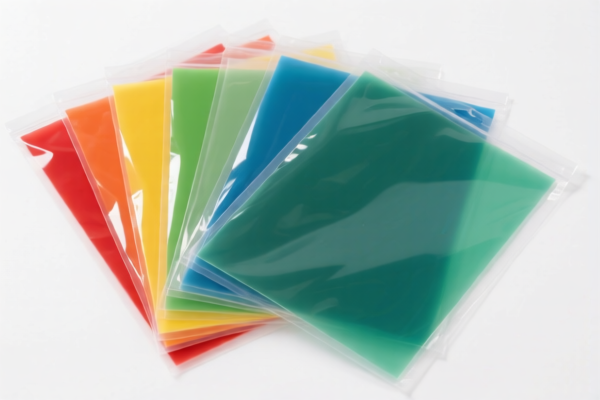
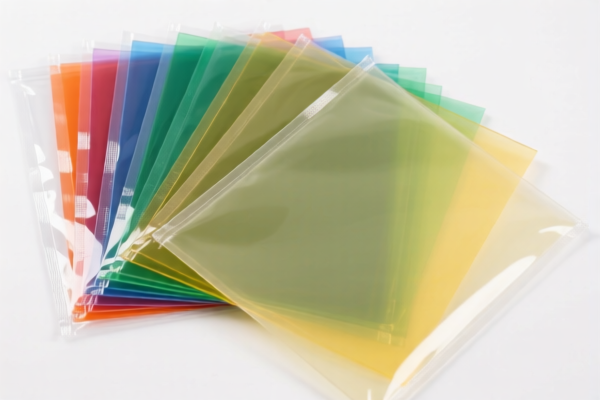
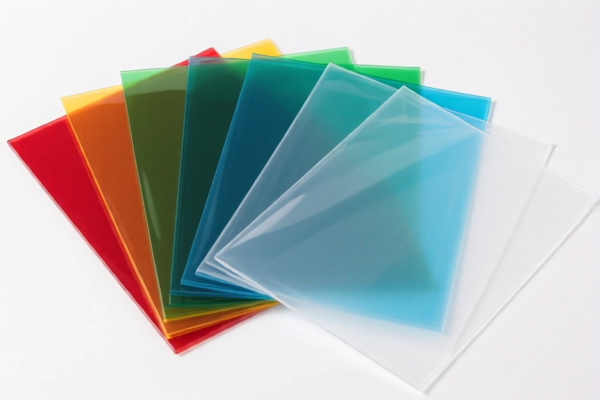
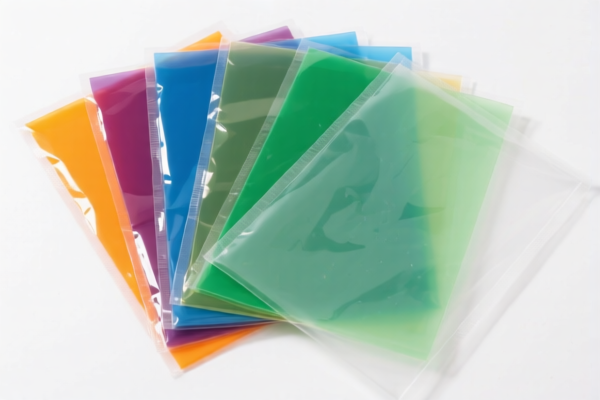
AI Analysis
🧪 Acrylic Plastic Sheets (PMMA)
🌐 HS Code Reference & Customs Clearance Guide | 2026 Latest Tariff Analysis | Professional Clearance Strategy
📌 I. Product Definition & Classification: Do You Really Understand "Acrylic"?
Acrylic Plastic Sheets, chemically known as Polymethyl Methacrylate (PMMA), are transparent thermoplastic sheets widely used in signage, displays, and architectural applications. In international trade, classification depends heavily on material composition, electrical functionality, and physical form.
There are two primary paths for classification: 1. As Electrical/Printed Circuits (If Conductive/Functional): If the sheet is used as a substrate for electronic components or acts as a printed circuit, it falls under Chapter 85. 2. As General Plastics (If Non-Conductive/Structural): If it is a raw material or structural plate without specific electrical circuit functions, it falls under Chapter 39.
⚠️ Key Distinction Point:
- If the sheet has conductive traces, embedded circuits, or serves as a PCB substrate →归入 8534 (Electrical Circuits).
- If it is a solid plate, film, or sheet made of acrylic (PMMA) → 归入 3926 (Articles of Plastics) or 3920 (Non-cellular Plastics Plates).
📦 II. HS Code Classification Details (Based on Provided Data)
| HS Code | Product Description | Applicability Scenario | Key Feature |
|---|---|---|---|
8534.00.00.95 |
Printed Circuits; other (Acrylic Plastic) | Electronic boards using acrylic as substrate | ✅ Electrical Circuit Category |
3926.10.00.00 |
Articles of Plastics: Office/School Supplies (Acrylic Plates) | General acrylic sheets, decorative panels | ✅ Plastic Article |
3920.51.50.90 |
Non-cellular Plastics Plates: Methyl Methacrylate (Acrylic) | Raw PMMA sheets, high-clarity industrial plates | ✅ Specific Polymer Material |
8534.00.00.70 |
Printed Circuits; other (Non-glass, Non-paper) | Acrylic-based circuit boards without specific glass/paper features | ✅ Electrical Circuit Category |
3926.90.99.89 |
Other Articles of Plastics: Acrylic Electronic Plates | Generic electronic plates not fitting other specific plastic categories | ✅ General Plastic Article |
🔍 Critical Reminder:
- Electrical vs. Structural: If the "Acrylic Plate" is sold as a PCB (Printed Circuit Board) or electronic component, use HS 8534. High tariffs apply here due to Section 301/IEEPA duties. - Material Specificity: If it is just a physical sheet (e.g., for laser cutting, sign-making), use HS 3926 or 3920. HS 3920.51.50.90 is specific to Methyl Methacrylate but carries the highest base duty. HS 3926.90.99.89 is a "catch-all" for plastic articles with lower total tax.
💰 III. 2026 Latest Tariff Rate Breakdown (Including Surtaxes & Policy Add-ons)
✅ Applicable Country: United States (US)
✅ Origin: China (CN)
✅ Effective Date: 2025/2026 (Post-Trade War Adjustments)
🎯 1. 8534.00.00.95 & 8534.00.00.70 —— Printed Circuits (Acrylic Based)
| Item | Content |
|---|---|
| Base Duty | 0% |
| Section 301 Surtax | +25% (USITC Footnote for Electronics) |
| IEEPA Surtax | +10% (China-specific emergency powers) |
| Total Effective Rate | 35.0% |
| Calculation | CIF Value × 35% |
| De Minimis Exemption | ❌ Not Eligible (Electronics excluded from $800 exemption) |
| Legal Basis | Section 301 → IEEPA 9903 → HS 8534 |
📌 Explanation:
- These codes classify the acrylic sheets as electrical components. - The 35% total tax is a combination of 0% base + 25% trade war tariff + 10% policy surcharge. - Risk: High scrutiny from CBP on whether the item is truly a "circuit" or just a plastic sheet. Misclassification can lead to penalties.
🎯 2. 3926.10.00.00 —— Articles of Plastics (Office/School/General)
| Item | Content |
|---|---|
| Base Duty | 5.3% |
| Section 301 Surtax | 0% (Some plastic articles are excluded or lower) |
| IEEPA Surtax | +10% |
| Total Effective Rate | 15.3% |
| Calculation | CIF Value × 15.3% |
| De Minimis Exemption | ❌ Not Eligible (Over $800 or specific exclusions apply) |
| Legal Basis | HS 3926 → IEEPA 10% |
📌 Explanation:
- This is a lower tax option if the product is strictly defined as a "plastic article" (e.g., a blank plate, sign material) and not an electronic component. - However, "Office/School" designation (3926.10) may require proof that the item is used for non-industrial purposes. If used industrially, this might be challenged.
🎯 3. 3920.51.50.90 —— Non-cellular Methyl Methacrylate Plates
| Item | Content |
|---|---|
| Base Duty | 6.5% |
| Section 301 Surtax | +25% |
| IEEPA Surtax | +10% |
| Total Effective Rate | 41.5% |
| Calculation | CIF Value × 41.5% |
| De Minimis Exemption | ❌ Not Eligible |
| Legal Basis | HS 3920.51 → Section 301 → IEEPA |
📌 Explanation:
- This is the highest tax rate (41.5%). - It applies specifically to pure PMMA plates. - Strategy: Avoid this code unless necessary. It is significantly more expensive than3926.10or even8534in some cases.
🎯 4. 3926.90.99.89 —— Other Plastic Articles (Acrylic Electronic Plates)
| Item | Content |
|---|---|
| Base Duty | 5.3% |
| Section 301 Surtax | +7.5% (Partial reduction/exemption for certain plastic goods) |
| IEEPA Surtax | +10% |
| Total Effective Rate | 22.8% |
| Calculation | CIF Value × 22.8% |
| De Minimis Exemption | ❌ Not Eligible |
| Legal Basis | HS 3926.90 → Section 301 (Partial) → IEEPA |
📌 Explanation:
- This is often the most balanced option for "Acrylic Electronic Plates" that don't fit strictly into PCBs (8534) or specific office supplies (3926.10). - Key Advantage: The Section 301 surtax is reduced to 7.5% (compared to 25% for others), resulting in a 22.8% total rate, which is lower than the pure PMMA plate (41.5%) and competitive with PCBs (35%).
🛠️ IV. Customs Clearance Practical Advice (Real-World Pitfall Guide)
✅ 1. Documentation Checklist (Must-Have)
| Document | Required | Purpose |
|---|---|---|
| Product Spec Sheet | ✔️ | Defines material (PMMA), dimensions, and electrical properties. |
| Circuit Diagram | ✔️ | Critical for HS 8534. Proves it is a circuit board. |
| Material Test Report | ✔️ | Proves "Methyl Methacrylate" content for HS 3920. |
| Commercial Invoice | ✔️ | Clearly states "Acrylic Plastic Sheet" or "Printed Circuit Board". |
| Usage Description | ✔️ | Explain if it's for signage (Plastic) or electronics (Circuit). |
✅ 2. Classification Strategy (The "Save Money" Logic)
| Scenario | Recommended HS Code | Total Tax | Why? |
|---|---|---|---|
| Blank Acrylic Sheet (No circuits) | 3926.10.00.00 |
15.3% | Lowest tax for non-circuit plastics. |
| Acrylic PCB (With conductive traces) | 8534.00.00.95 |
35.0% | Must be classified as electronic. |
| Generic Acrylic Plate (Industrial/Sign) | 3926.90.99.89 |
22.8% | Best balance if 3926.10 is rejected. |
| Pure PMMA Raw Material | 3920.51.50.90 |
41.5% | Avoid unless specifically required. |
🔥 Golden Rule:
"If it conducts electricity, it's 8534. If it doesn't, it's 3926. Avoid 3920 if you can!"
✅ 3. Special Cases & Pitfalls
| Situation | Handling Advice |
|---|---|
| "Electronic Plate" Ambiguity | If the plate has some electronic function but isn't a standard PCB, use 3926.90.99.89 (22.8%) instead of 8534 (35%) if CBP allows. |
| Laser Cut Shapes | Even if cut into shapes, if it's still an acrylic plate, it falls under 3926. It does NOT become a "part" of a machine automatically. |
| Packaging with Electronics | If shipped with a device, ensure the acrylic is declared as a separate item (Plastic Article) to avoid higher整机 (whole machine) duties. |
| Origin Labeling | Clearly mark "Made in China" to trigger correct IEEPA surcharges. Mislabeling can lead to fraud allegations. |
🌍 V. Global Market Comparison (2026 Latest)
| Market | Recommended HS Code | Est. Duty (China Origin) | Notes |
|---|---|---|---|
| 🇺🇸 USA | 3926.90.99.89 |
22.8% | Best balance. 8534 is 35%. |
| 🇨🇳 China | 3926.90.99.89 |
5.3% | Low import duty, no surtax. |
| 🇪🇺 EU | 3926.90.99.89 |
6.5% | No Section 301. CE marking required. |
| 🇬🇧 UK | 3926.90.99.89 |
6.5% | Post-Brexit tariff structure applies. |
📌 Conclusion:
- The USA is the most expensive market due to Section 301 and IEEPA surtaxes. - Optimization Tip: If the acrylic sheet is not strictly a PCB, classify it under3926.90.99.89(22.8%) rather than3920(41.5%) or8534(35%).
📌 VI. Common Errors & Pitfalls (Blood & Tears Lessons)
❌ Error 1: Classifying a blank acrylic sheet as 8534 (PCB).
👉 Consequence: Overpaying tax (35% vs 15.3% or 22.8%).
❌ Error 2: Classifying a PCB as 3926.10 (Office Supplies).
👉 Consequence: CBP rejects classification, audits ensue, potential penalties.
❌ Error 3: Using 3920.51.50.90 for finished cut shapes.
👉 Consequence: High tax (41.5%). 3926 is preferred for finished articles.
❌ Error 4: Ignoring IEEPA 10% surcharge.
👉 Consequence: Underpayment. All these codes include the 10% IEEPA tax on China-origin goods.
✅ Correct Practice:
"Acrylic Plastic Sheet, 5mm thick, clear, uncut, for signage use." →
3926.10.00.00
"Acrylic Printed Circuit Board, single-sided, with copper traces." →8534.00.00.95
🎯 VII. Conclusion: Smart Classification Saves Money!
🎯 Remember the Mantra:
🔹 "Circuit? 8534 (35%). Plastic Sheet? 3926 (15-23%). Raw PMMA? 3920 (41.5% - Avoid!)."
🔹 "Check for conductivity first. Then check the shape. Then calculate the tax."
📌 Pro Tip:
- Request an Advance Ruling from CBP if the product is borderline between "PCB" and "Plastic Article."
- Ensure your Product Description on the commercial invoice clearly distinguishes between "Electronic Component" and "Plastic Material" to support your HS Code choice.
📣 Immediate Action:
📞 Consult with a customs broker to verify if your specific acrylic sheet qualifies for
3926.90.99.89(22.8%) instead of8534(35%).
🚀 Minimize duty, maximize profit, clear customs smoothly!
✨ Professional Clearance Starts with Accurate Classification!
💼 Every percentage point matters in international trade!
Customer Reviews
About HS Code Classification
The Harmonized System (HS) is an internationally standardized nomenclature developed by the World Customs Organization (WCO) to classify traded products. Over 200 countries use the HS system as the basis for customs tariffs, trade statistics, and import/export regulations.
Each HS code follows a hierarchical structure:
- Chapter (2 digits) — Broad category of goods (e.g., Chapter 84: Machinery and Mechanical Appliances)
- Heading (4 digits) — More specific grouping within the chapter
- Subheading (6 digits) — Internationally standardized breakdown, used by all WCO member countries
- National subdivisions (8-10 digits) — Country-specific extensions for further classification, such as US HTSUS 10-digit codes
Correct HS code classification is essential for smooth customs clearance, accurate duty payment, and compliance with trade regulations. Misclassification can lead to customs delays, overpayment of duties, or penalties.
When importing from CN to US, the applicable tariff rates may include:
- Most-Favored-Nation (MFN) rate — The standard duty rate applied to WTO members
- General rate — Applied to countries without trade agreements
- Trade remedy duties — Additional tariffs such as Section 301 (anti-dumping), Section 232 (national security), or countervailing duties
The information provided on this page is for reference purposes only. For official classification, please consult with your local customs authority or a licensed customs broker.