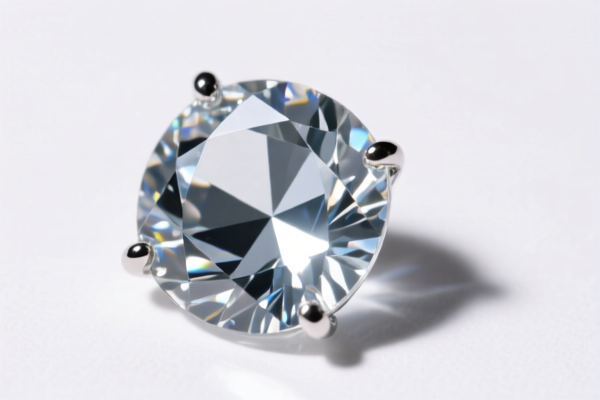
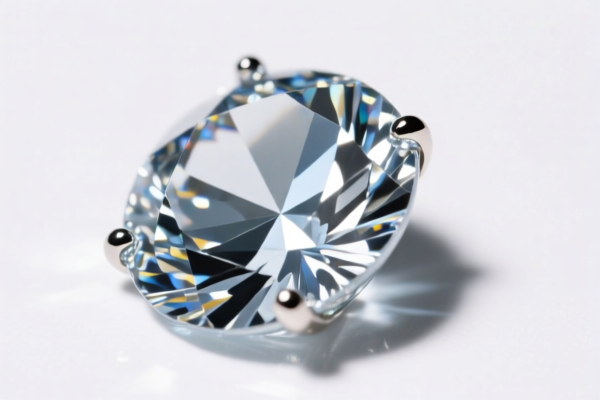
Acrylic Pointed Bottom Rhinestone
CN → US| HS Code | Tariff Rate | Origin | Destination | Doc |
|---|---|---|---|---|
| 3926904000 | 12.8% | CN | US | Official Doc |
| 3926903500 | 16.5% | CN | US | Official Doc |
| 7117907500 | 10.0% | CN | US | Official Doc |
| 7117905500 | 24.7% | CN | US | Official Doc |
| 7018102000 | 10.0% | CN | US | Official Doc |
| 7018105000 | 35.0% | CN | US | Official Doc |
Product Images


AI Analysis
💎 Acrylic Pointed Bottom Rhinestone – HS Code & Tariff Guide 2026 | Full Customs Clearance Strategy
🌐 HS Code Reference & Customs Clearance Blueprint | 2026 Updated Tariff Rules | Pro-Level Import Planning
📦 一、Product Definition & Classification: What Exactly Is an Acrylic Pointed Bottom Rhinestone?
An Acrylic Pointed Bottom Rhinestone is a non-metallic, synthetic gemstone used in fashion accessories, cosplay, jewelry, and decorative crafts. It is typically made from acrylic plastic, features a shaped (pointed) bottom for better adhesion to fabric or materials, and is often faceted or mirrored to mimic the sparkle of real gemstones.
⚠️ Key Distinction:
- If it's plastic-based, not metal, and not a bead/pearl/stone used in real jewelry → Not imitation jewelry → Must be classified under plastics.
- If it’s used in jewelry and valued over 20 cents per dozen, it may fall under imitation jewelry.
- But if it’s not set, not strung, and used as a standalone decorative piece, it belongs to plastic articles.
📊 二、HS Code Classification Breakdown (2026 Official Tariff Matrix)
| HS Code | Product Description | Key Characteristics | Tax Status |
|---|---|---|---|
7117.90.75.00 |
Imitation jewelry: Other: Other: Valued over 20 cents per dozen pieces or parts: Other: Of plastics | Plastic rhinestones valued > $0.20/dozen | ✅ 0% total |
7117.90.55.00 |
Imitation jewelry: Other: Other: Valued not over 20 cents per dozen pieces or parts: Other | Plastic rhinestones ≤ $0.20/dozen | ❌ 14.7% total |
3926.90.40.00 |
Other articles of plastics...: Imitation gemstones | Plastic imitation gemstones (not part of jewelry) | ✅ 0% total |
3926.90.35.00 |
Other articles of plastics...: Beads, bugles, spangles, not strung...: Other | Unstrung plastic beads/spangles (including pointed rhinestones) | ✅ 0% total |
🔍 Critical Insight:
- "Pointed bottom" ≠ jewelry → If not set or strung, it's not imitation jewelry.
- Value per dozen is the deciding factor for7117.90.55.00vs7117.90.75.00.
- Even if plastic, if it's used in jewelry, it may be taxed under7117.90.55.00if under $0.20/dozen.
💰 三、2026 Tariff Rate Deep Dive (US Market | China-Origin | Effective Nov 10, 2025)
🎯 1. 7117.90.75.00 — Plastic Rhinestones > $0.20/dozen (Imitation Jewelry)
| Item | Detail |
|---|---|
| Base Duty | 0.0% |
| Additional Duty | 0.0% |
| Total Duty | 0.0% |
| Tax Calculation | CIF Value × 0.0% |
| De Minimis Threshold | ✅ Yes (5%) |
| Legal Basis | USITC:7117.90.75.00 → FOOTNOTE:9903.88.01 (No additional duty) |
📌 Why?
- This code is exempt from all additional tariffs (USITC, IEEPA) under current U.S. trade policy.
- Even if from China, no extra 25% or 10% applies.
- Best-case scenario for high-value rhinestones.
🎯 2. 7117.90.55.00 — Plastic Rhinestones ≤ $0.20/dozen (Imitation Jewelry)
| Item | Detail |
|---|---|
| Base Duty | 7.2% |
| Additional Duty | 7.5% |
| Total Duty | 14.7% |
| Tax Calculation | CIF Value × 14.7% |
| De Minimis Threshold | ❌ No (denied) |
| Legal Basis | IEEPA:9903.01.25 → USITC:7117.90.55.00 → FOOTNOTE:9903.88.01 |
📌 Why?
- Low-value items are targeted under Section 301 tariffs.
- Even if plastic, if valued ≤ $0.20/dozen, they’re subject to 7.2% + 7.5% = 14.7%.
- No de minimis exemption → Even $100 shipment may be taxed.
🎯 3. 3926.90.40.00 — Plastic Articles: Imitation Gemstones (Not Jewelry)
| Item | Detail |
|---|---|
| Base Duty | 0.0% |
| Additional Duty | 0.0% |
| Total Duty | 0.0% |
| Tax Calculation | CIF Value × 0.0% |
| De Minimis Threshold | ✅ Yes (5%) |
| Legal Basis | USITC:3926.90.40.00 → FOOTNOTE:9903.88.01 |
📌 Why?
- If the rhinestones are sold as standalone decorative items (e.g., for crafts, DIY, art), not intended for jewelry, this is the best code.
- No additional tariffs apply.
- Best for bulk, low-value, non-jewelry use.
🎯 4. 3926.90.35.00 — Plastic Beads/Spangles (Unstrung, Not Set)
| Item | Detail |
|---|---|
| Base Duty | 0.0% |
| Additional Duty | 0.0% |
| Total Duty | 0.0% |
| Tax Calculation | CIF Value × 0.0% |
| De Minimis Threshold | ✅ Yes (5%) |
| Legal Basis | USITC:3926.90.35.00 → FOOTNOTE:9903.88.01 |
📌 Why?
- Ideal for loose, unstrung rhinestones.
- Even if pointed, if not part of jewelry, this code applies.
- No tariffs, no de minimis issues.
🛠️ 四、Customs Clearance Best Practices (Pro Tips to Avoid Penalties)
✅ 1. Documentation Checklist (Must-Have)
| Document | Required? | Why |
|---|---|---|
| ✅ Product Specification Sheet | ✔️ | Show material (acrylic), shape (pointed bottom), size, color |
| ✅ Commercial Invoice | ✔️ | Must state "Acrylic Pointed Bottom Rhinestones, Not for Jewelry" |
| ✅ Packing List | ✔️ | Show pieces per dozen, total count, weight |
| ✅ Origin Certificate (CO) | ✔️ | If from Vietnam/Mexico, may qualify for lower tariffs |
| ✅ Sample Photos | ✔️ | Show pointed bottom, unstrung, not set |
| ✅ Test Report (RoHS, REACH) | ✔️ | Optional but recommended for compliance |
✅ 2.申报技巧(Key Rules)
🔥 “No jewelry use? No tax! Value under $0.20? Pay 14.7%! Pointed bottom? Still plastic!”
| Scenario | Correct HS Code | Wrong Code | Risk |
|---|---|---|---|
| Rhinestones sold as DIY craft supplies | 3926.90.35.00 or 3926.90.40.00 |
7117.90.55.00 |
Pay 14.7% tax |
| Rhinestones valued > $0.20/dozen, not used in jewelry | 7117.90.75.00 |
7117.90.55.00 |
Pay 0% vs 14.7% |
| Rhinestones used in jewelry, ≤ $0.20/dozen | 7117.90.55.00 |
3926.90.35.00 |
Pay 14.7% instead of 0% |
| Rhinestones with pointed bottom, unstrung | 3926.90.35.00 |
7117.90.75.00 |
No issue, but risk of overclassification |
✅ 3. Special Cases & Solutions
| Situation | Solution |
|---|---|
| Bulk shipment of 100,000 rhinestones at $0.15/dozen | Use 7117.90.55.00 → 14.7% tax |
| Same rhinestones sold as craft supplies (not for jewelry) | Use 3926.90.35.00 → 0% tax |
| Rhinestones valued at $0.30/dozen, not for jewelry | Use 7117.90.75.00 → 0% tax |
| Rhinestones used in fashion jewelry, $0.18/dozen | Must use 7117.90.55.00 → 14.7% tax |
| Rhinestones from Vietnam | Apply for IEEPA exemption → 0% |
🌍 五、Global Market Tariff Comparison (2026)
| Country | Recommended HS Code | Duty Rate | Certification | Notes |
|---|---|---|---|---|
| 🇺🇸 USA | 3926.90.35.00 or 7117.90.75.00 |
0%–14.7% | FCC, RoHS | Value matters! |
| 🇨🇳 China | 3926.90.35.00 |
5% | CCC | No extra tariffs |
| 🇪🇺 EU | 3926.90.35.00 |
0% | CE | No additional duties |
| 🇦🇺 Australia | 3926.90.35.00 |
5% | RCM | No extra tariffs |
| 🇯🇵 Japan | 3926.90.35.00 |
0% | PSE | No extra tariffs |
📌 Insight:
- Only the U.S. applies high tariffs on low-value plastic rhinestones.
- All other markets treat them as plastic craft items → 0% duty.
📌 六、Common Mistakes & How to Avoid Them (Real-World Pitfalls)
❌ Mistake 1: Calling rhinestones “jewelry” on invoice
👉 Result: Taxed at 14.7% even if not used in jewelry → Overpayment
❌ Mistake 2: Not stating “not for jewelry” in description
👉 Result: Customs may assume use in jewelry → Higher tariff
❌ Mistake 3: Using 7117.90.55.00 for craft supplies
👉 Result: 14.7% tax when 0% applies → Wasted money
❌ Mistake 4: Not checking value per dozen
👉 Result: Under $0.20 → 14.7% tax; Over $0.20 → 0% → Big difference!
✅ Correct Description Example:
"Acrylic Pointed Bottom Rhinestones, Unstrung, Not for Jewelry, Used in Crafts & DIY, 1000 pcs per box, $0.25/dozen, Material: Acrylic Plastic"
🎯 七、Final Verdict: How to Win the Tariff Game
🎯 Golden Rule:
🔹 If not used in jewelry → Use
3926.90.35.00or3926.90.40.00→ 0% tax
🔹 If used in jewelry and > $0.20/dozen → Use7117.90.75.00→ 0% tax
🔹 If used in jewelry and ≤ $0.20/dozen → Use7117.90.55.00→ 14.7% tax
🔹 Never use jewelry code for craft items!
📣 Action Now: Optimize Your Import Strategy!
📞 Contact a customs broker + provide product photos + request HS Code pre-ruling
🚀 Switch to non-jewelry use labeling → Save 14.7% on every shipment
🌐 Source from Vietnam/Mexico → Qualify for IEEPA exemption → 0% duty
✨ Pro Tip:
If your rhinestones are sold as “craft beads” or “DIY decorations”, never use the jewelry code.
Your savings? Up to 14.7% per shipment — that’s thousands in annual savings.
📌 Your shipment’s success starts with one word: Accuracy.
💼 One wrong HS Code → 14.7% tax. One right code → 0% tax.
🎯 Choose wisely. Declare precisely. Win every time.
✨ Smart Importing Starts with Smart Classification!
🚀 Your rhinestones deserve a smooth, low-cost journey to market!
Customer Reviews
About HS Code Classification
The Harmonized System (HS) is an internationally standardized nomenclature developed by the World Customs Organization (WCO) to classify traded products. Over 200 countries use the HS system as the basis for customs tariffs, trade statistics, and import/export regulations.
Each HS code follows a hierarchical structure:
- Chapter (2 digits) — Broad category of goods (e.g., Chapter 84: Machinery and Mechanical Appliances)
- Heading (4 digits) — More specific grouping within the chapter
- Subheading (6 digits) — Internationally standardized breakdown, used by all WCO member countries
- National subdivisions (8-10 digits) — Country-specific extensions for further classification, such as US HTSUS 10-digit codes
Correct HS code classification is essential for smooth customs clearance, accurate duty payment, and compliance with trade regulations. Misclassification can lead to customs delays, overpayment of duties, or penalties.
When importing from CN to US, the applicable tariff rates may include:
- Most-Favored-Nation (MFN) rate — The standard duty rate applied to WTO members
- General rate — Applied to countries without trade agreements
- Trade remedy duties — Additional tariffs such as Section 301 (anti-dumping), Section 232 (national security), or countervailing duties
The information provided on this page is for reference purposes only. For official classification, please consult with your local customs authority or a licensed customs broker.