Acrylic Polymer for Leather
CN → US| HS Code | Tariff Rate | Origin | Destination | Doc |
|---|---|---|---|---|
| 3210000000 | 36.8% | CN | US | Official Doc |
| 3906905000 | 39.2% | CN | US | Official Doc |
| 3906902000 | 41.3% | CN | US | Official Doc |
Product Images
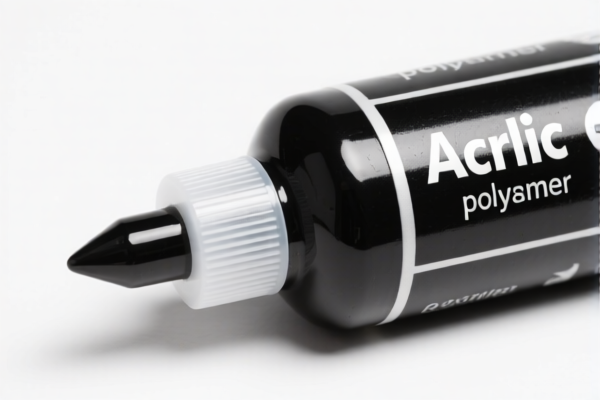

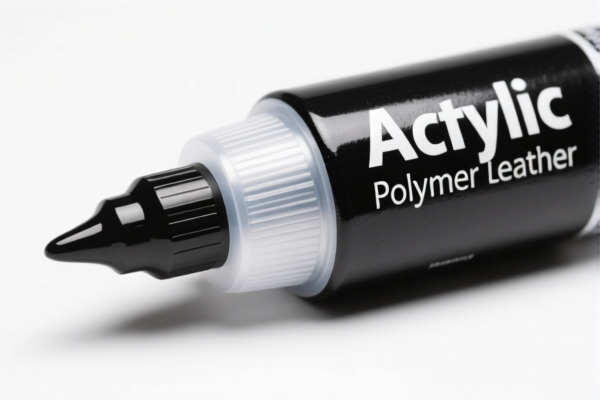
AI Analysis
🧵 Acrylic Polymer for Leather: HS Code Deep Dive & Customs Strategy (2026)
🌐 Global Trade Clearance Guide | Decoding Acrylic Polymers for Leather Finishing | Strategic Tax Optimization
📌 I. Product Definition & Classification Context
Acrylic Polymer for Leather refers to chemical coatings and finishes used in the leather industry to enhance durability, water resistance, color vibrancy, and texture. Its classification in international trade depends on chemical composition, form, and application:
- Category A: Pre-mixed Coloring Paints/Finished Chemicals (HS Chapter 32)
- Ready-to-use acrylic-based leather finishes, already formulated with dyes/additives.
- Category B: Raw Polymer Materials (HS Chapter 39)
- Primary-form acrylic polymers used as leather additives or coatings, requiring further processing.
⚠️ Critical Distinction:
- If the polymer is pre-mixed for immediate leather application → HS 3210.00.00.00
- If sold as raw/primary-form polymer for downstream leather processing → HS 3906.90.50.00 / 3906.90.20.00
📦 II. HS Code Classification Breakdown (2026 Tariff Schedule)
| HS Code | Product Description | Application Scenario | Primary Tax Rate |
|---|---|---|---|
3210.00.00.00 |
Acrylic polymer-based leather finishing paints (pre-mixed) | Ready-to-use leather coatings, pigmented finishes | 36.8% |
3906.90.50.00 |
Primary-form acrylic polymer (leather-specific use) | Leather additives/coatings (non-pre-mixed) | 39.2% |
3906.90.20.00 |
Primary-form acrylic polymer (general leather辅料/coatings) | Generic leather processing materials | 41.3% |
🔍 Key Logic:
- 3210.00.00.00 applies when the polymer is already formulated as a paint/finish for direct leather use.
- 3906.90.50.00 covers specialized leather polymers not pre-mixed as paints.
- 3906.90.20.00 is the "catch-all" for general acrylic polymers used in leather manufacturing.
💰 III. 2026 Tariff Rate Breakdown (US Import, China Origin)
🎯 1. 3210.00.00.00 – Acrylic Polymer Leather Finishes (Pre-Mixed)
| Component | Rate | Legal Basis |
|---|---|---|
| Base Duty | 1.8% | General MFN tariff |
| Section 301 (301 Tariff) | 25.0% | USITC Footnote 9903.88.01 |
| Section 122 Tariff | 10.0% | IEEPA China-specific levy |
| Total Duty | 36.8% | 1.8% + 25.0% + 10.0% |
📌 Explanation:
- 25% Section 301: Imposed on Chinese-origin "paints and related materials" under US Trade Act §301.
- 10% Section 122: Additional China-specific levy under IEEPA (International Emergency Economic Powers Act).
- Total: 36.8% – High-cost category; avoid misclassification to save costs.
🎯 2. 3906.90.50.00 – Specialty Acrylic Polymers for Leather
| Component | Rate | Legal Basis |
|---|---|---|
| Base Duty | 4.2% | General MFN tariff |
| Section 301 | 25.0% | Same as above |
| Section 122 | 10.0% | Same as above |
| Total Duty | 39.2% | 4.2% + 25.0% + 10.0% |
📌 Note:
- Higher base duty (4.2% vs. 1.8%) due to "non-paint" classification under Chapter 39.
- Section 301/122 still apply, making total duty 39.2%.
🎯 3. 3906.90.20.00 – General Acrylic Polymers for Leather
| Component | Rate | Legal Basis |
|---|---|---|
| Base Duty | 6.3% | General MFN tariff |
| Section 301 | 25.0% | Same as above |
| Section 122 | 10.0% | Same as above |
| Total Duty | 41.3% | 6.3% + 25.0% + 10.0% |
📌 Warning:
- This is the highest-rate category (41.3%) due to "catch-all" classification.
- Avoid unless your product is not specialized leather polymers or pre-mixed paints.
🛠️ IV. Customs Clearance Strategy (Avoid Pitfalls!)
✅ 1. Documentation Checklist (Mandatory for Smooth Clearance)
| Document | Requirement | Purpose |
|---|---|---|
| Product Specification Sheet | ✔️ Required | Confirms chemical composition (pre-mixed vs. raw polymer) |
| Chemical Formula | ✔️ Required | Validates HS Code (3210 vs. 3906) |
| Safety Data Sheet (SDS) | ✔️ Required | Ensures compliance with chemical import laws |
| Commercial Invoice | ✔️ Required | Must specify "Acrylic Polymer for Leather Finishing" (exact phrasing matters!) |
| Packing List | ✔️ Required | Shows quantity, weight, and packaging details |
| Certificate of Origin (CO) | ✔️ Optional | If eligible for tariff preferences (e.g., Vietnam origin) |
✅ 2. Declaration Tips (Critical!)
🔥 Golden Rule:
"Pre-mixed = Chapter 32 (36.8%), Raw Polymer = Chapter 39 (39.2%–41.3%)"
| Scenario | Correct HS Code | Incorrect Code | Consequence |
|---|---|---|---|
| Pre-mixed leather paint | 3210.00.00.00 |
3906.90.50.00 |
Overpaid 2.4% (36.8% vs. 39.2%) |
| Raw polymer for leather coating | 3906.90.50.00 |
3906.90.20.00 |
Overpaid 2.1% (39.2% vs. 41.3%) |
| General acrylic polymer (not leather-specific) | 3906.90.20.00 |
3210.00.00.00 |
Underpaid → Penalties + Seizure |
✅ 3. Special Cases
| Scenario | Strategy |
|---|---|
| OEM Leather Finishes | Provide customer specs + contract to justify "pre-mixed" classification. |
| Polymers with Dyes | If dyes are pre-integrated, classify under 3210.00.00.00. |
| Export to Non-US Markets | Rates vary: EU (0–5%), China (5%), ASEAN (0–10%). Adjust strategy accordingly. |
🌍 V. Global Market Comparison (2026)
| Market | Recommended HS Code | Duty Rate | Certification | Notes |
|---|---|---|---|---|
| 🇺🇸 USA | 3210.00.00.00 |
36.8% | SDS + CO | Highest rates due to Section 301/122 |
| 🇪🇺 EU | 3210.00.00.00 |
5–10% | REACH | No Section 301/122; lower rates |
| 🇨🇳 China | 3210.00.00.00 |
5% | CCC | No Section 301/122 |
| 🇦🇺 Australia | 3906.90.50.00 |
0–5% | SAA | No Section 301/122 |
| 🇯🇵 Japan | 3906.90.50.00 |
0–5% | PSE | No Section 301/122 |
📌 Takeaway:
- USA is the most expensive market for acrylic polymers (36.8%–41.3%).
- EU/China/Australia offer 5–10% lower rates – consider re-routing shipments to save costs.
🚫 VI. Common Mistakes & How to Avoid Them
❌ Mistake 1: Calling "pre-mixed leather paint" a "polymer" to claim lower duty.
👉 Consequence: Section 301 penalties + seizure.
❌ Mistake 2: Declaring raw polymers as "pre-mixed" to avoid higher rates.
👉 Consequence: Underpayment → 100% penalty + 10% interest.
❌ Mistake 3: Ignoring "Section 122" tax in declarations.
👉 Consequence: Customs delays + additional 10% surcharge.
✅ Correct Approach:
"Be honest about formulation: Pre-mixed = Chapter 32, Raw Polymer = Chapter 39."
🎯 VII. Final Tips for Cost Optimization
- Pre-File Rulings: Submit an Advance Ruling to US Customs (CBP) for your product’s HS Code.
- Use "Leather-Specific" Language: In invoices, write "Acrylic Polymer for Leather Finishing (Pre-Mixed)" to trigger
3210.00.00.00. - Re-Route to Non-US Markets: If possible, ship via Vietnam/Mexico to avoid Section 301/122.
- Leverage Trade Agreements: If your polymer is non-Chinese origin, apply for USMCA/CAFTA-DR benefits.
📣 Action Step:
🚀 Contact a Customs Broker + Submit Product Specs
📞 Get an Advance Ruling within 14 days
🌍 Re-route to EU/China if possible to cut costs by 30%
✨ Precision Classification = Lower Taxes + Faster Clearance!
💼 Every 1% saved is $10,000+ profit on a $1M shipment.
Note: All tax rates and rules are based on 2026 US tariff schedules. Consult a customs expert before shipping.
Customer Reviews
About HS Code Classification
The Harmonized System (HS) is an internationally standardized nomenclature developed by the World Customs Organization (WCO) to classify traded products. Over 200 countries use the HS system as the basis for customs tariffs, trade statistics, and import/export regulations.
Each HS code follows a hierarchical structure:
- Chapter (2 digits) — Broad category of goods (e.g., Chapter 84: Machinery and Mechanical Appliances)
- Heading (4 digits) — More specific grouping within the chapter
- Subheading (6 digits) — Internationally standardized breakdown, used by all WCO member countries
- National subdivisions (8-10 digits) — Country-specific extensions for further classification, such as US HTSUS 10-digit codes
Correct HS code classification is essential for smooth customs clearance, accurate duty payment, and compliance with trade regulations. Misclassification can lead to customs delays, overpayment of duties, or penalties.
When importing from CN to US, the applicable tariff rates may include:
- Most-Favored-Nation (MFN) rate — The standard duty rate applied to WTO members
- General rate — Applied to countries without trade agreements
- Trade remedy duties — Additional tariffs such as Section 301 (anti-dumping), Section 232 (national security), or countervailing duties
The information provided on this page is for reference purposes only. For official classification, please consult with your local customs authority or a licensed customs broker.