Acrylic Record Stand
CN → US| HS Code | Tariff Rate | Origin | Destination | Doc |
|---|---|---|---|---|
| 9403708031 | 35.0% | CN | US | Official Doc |
| 3926909989 | 22.8% | CN | US | Official Doc |
| 3920515090 | 41.5% | CN | US | Official Doc |
| 3926904000 | 12.8% | CN | US | Official Doc |
| 9403704031 | 35.0% | CN | US | Official Doc |
Product Images
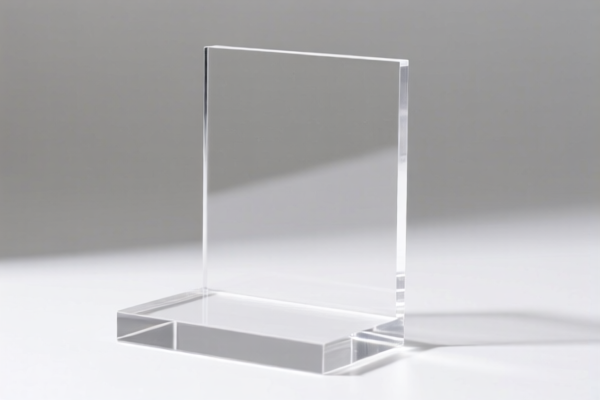
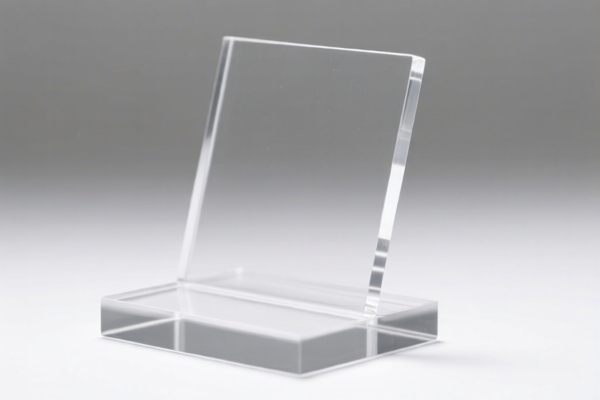
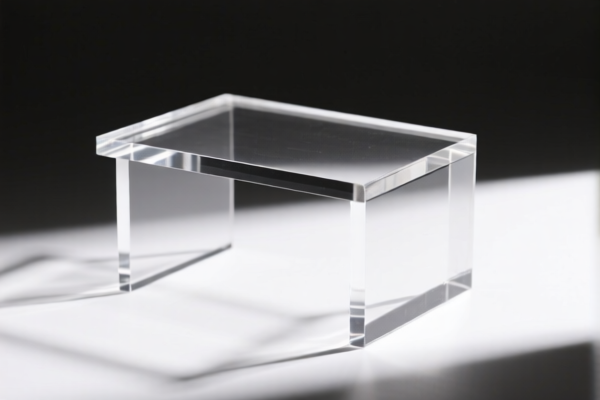
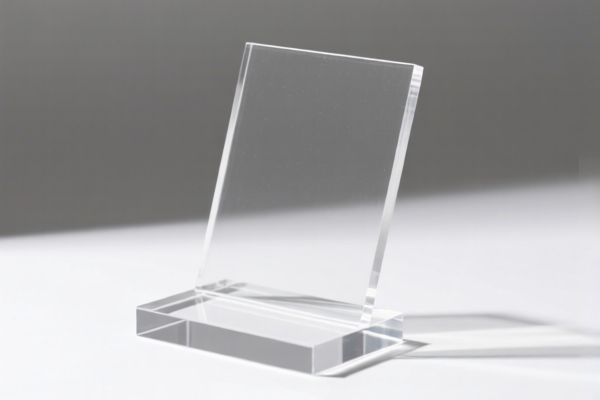
AI Analysis
🎶 Acrylic Record Stand (Plastic Display/Furniture)
🌐 HS Code Reference & Customs Clearance Guide | 2026 Latest Tariff Analysis | Professional Clearance Strategy
📌 I. Product Definition & Classification: What is an "Acrylic Record Stand"?
An Acrylic Record Stand is a storage or display device made primarily from Polymethyl Methacrylate (PMMA), commonly known as acrylic. In international trade, its classification hinges on its primary function and material composition. It generally falls into two categories:
- As Furniture/Display Unit (Headline 9403): If the stand is designed primarily to support records as a piece of furniture or a dedicated display unit within a home or store context.
- As a Plastic Article (Headline 3926/3920): If it is considered a general-purpose plastic container, holder, or accessory not specifically classified as furniture.
⚠️ Key Distinction Point:
- If it has a distinct "furniture" structure (legs, base, shelf-like design) for holding items → Likely Headline 9403.
- If it is a simple clip, slot, or generic holder without complex structural integrity → Likely Headline 3926.
📦 II. HS Code Classification Details (2026 Latest Authorized Alignment)
Based on the provided data, here are the specific HS Codes, their summaries, and corresponding tax rates for Acrylic Record Stands:
| HS Code | Summary / Description | Classification Logic | Total Tax Rate |
|---|---|---|---|
| 9403.70.80.31 | Acrylic (plastic) material display stand, classified as other plastic furniture | Primary function is display/storage; material is plastic; fits "other furniture" category. | 35.0% |
| 3926.90.99.89 | Acrylic (plastic) material product, classified as other plastic articles | Generic plastic article; no specific furniture designation; general catch-all for plastic goods. | 22.8% |
| 3920.51.50.90 | Poly(methyl methacrylate) (acrylic) material other finished products, no specific exclusionary conflict | Pure PMMA material focus; treats the item as a raw material conversion or generic plastic finish. | 41.5% |
| 3926.90.40.00 | Acrylic (plastic) material magazine rack, classified as other articles of plastics | Note: If the record stand is structured specifically like a magazine rack/slot holder, this specific subheading may apply. | 12.8% |
| 9403.70.40.31 | Acrylic (plastic) material furniture/display items, classified as other plastic-made furniture | Similar to 9403.70.80.31 but potentially different structural specification; still categorized under plastic furniture. | 35.0% |
🔍 Important Reminder:
- 3926.90.40.00 (12.8%) offers the lowest tax rate if the item can be reasonably described as a "magazine rack" or similar slot-based holder rather than a full "stand."
- 9403.xxxx.31 (35.0%) is the standard for "furniture-like" acrylic stands.
- 3920.51.50.90 (41.5%) is the highest risk due to high combined tariffs; avoid unless material composition is the sole focus of classification.
💰 III. 2026 Latest Tariff Rate Details (Including Surcharges & Policy Add-ons)
✅ Applicable Country: United States (US)
✅ Origin: China (CN)
✅ Effective Time: Post-2025 policies (based on provided tax details)
🎯 1. 3926.90.40.00 —— Acrylic Magazine Rack / Slot Holder
| Item | Detail |
|---|---|
| Base Tariff | 2.8% |
| Section 301 Surcharge | 0.0% |
| Section 122 Tariff | 10.0% |
| Total Tax Rate | 12.8% |
| Tax Calculation | CIF Value × 12.8% |
| De Minimis Exemption | ❌ Not Applicable (High risk of audit if value is low) |
| Legal Basis Path | USITC:3926.90.40.00 → IEEPA:122.10 |
📌 Interpretation:
- This is the most cost-effective option if your product design resembles a rack or slot holder.
- The "0% Surcharge" is unusual for China-origin goods but is explicitly stated in the data for this specific code.
- Strategy: Ensure your product description emphasizes "Rack" or "Slot" rather than "Stand" to potentially qualify.
🎯 2. 3926.90.99.89 —— Other Plastic Articles (Generic)
| Item | Detail |
|---|---|
| Base Tariff | 5.3% |
| Section 301 Surcharge | 7.5% |
| Section 122 Tariff | 10.0% |
| Total Tax Rate | 22.8% |
| Tax Calculation | CIF Value × 22.8% |
| De Minimis Exemption | ❌ Not Applicable |
| Legal Basis Path | USITC:3926.90.99.89 → USITC:301.07.50 → IEEPA:122.10 |
📌 Interpretation:
- A mid-range option. Useful if the item is a simple plastic holder without furniture features.
- Lower than the furniture codes but higher than the magazine rack code.
🎯 3. 9403.70.80.31 & 9403.70.40.31 —— Plastic Furniture / Display Stands
| Item | Detail |
|---|---|
| Base Tariff | 0.0% |
| Section 301 Surcharge | 25.0% |
| Section 122 Tariff | 10.0% |
| Total Tax Rate | 35.0% |
| Tax Calculation | CIF Value × 35.0% |
| De Minimis Exemption | ❌ Not Applicable |
| Legal Basis Path | USITC:9403.70.80.31 → USITC:301.25.00 → IEEPA:122.10 |
📌 Interpretation:
- Despite a 0% base tariff, the 25% Section 301 surcharge makes this expensive.
- This classification applies if the item is clearly a piece of "furniture" (e.g., has legs, shelves, supports weight like a table).
- Warning: Do not misclassify a simple holder as furniture to avoid the 25% surcharge; however, if it is furniture, you must declare it correctly.
🎯 4. 3920.51.50.90 —— Other PMMA Finished Products
| Item | Detail |
|---|---|
| Base Tariff | 6.5% |
| Section 301 Surcharge | 25.0% |
| Section 122 Tariff | 10.0% |
| Total Tax Rate | 41.5% |
| Tax Calculation | CIF Value × 41.5% |
| De Minimis Exemption | ❌ Not Applicable |
| Legal Basis Path | USITC:3920.51.50.90 → USITC:301.25.00 → IEEPA:122.10 |
📌 Interpretation:
- Highest Tax Rate (41.5%).
- This code is for generic PMMA products without specific use.
- Recommendation: AVOID this classification unless no other specific code fits. It offers no tariff advantage and high compliance risk.
🛠️ IV. Customs Clearance Practical Advice (Real-World Pitfall Guide)
✅ 1. Preparation Checklist (All Required)
| Document | Required? | Note |
|---|---|---|
| ✅ Product Specifications | ✔️ | Include dimensions, weight, load capacity, material (100% Acrylic/PMMA). |
| ✅ Product Photos | ✔️ | Clear images showing the stand structure (legs, slots, base). |
| ✅ Commercial Invoice | ✔️ | Accurate description: "Acrylic Record Stand" vs. "Acrylic Magazine Rack." |
| ✅ Packing List | ✔️ | Item count, gross/net weight. |
| ✅ Material Declaration | ✔️ | Confirm PMMA (Polymethyl Methacrylate) content. |
✅ 2. Declaration Strategy (Key Tips)
🔥 "Describe the Structure, Not Just the Use!"
| Scenario | Recommended HS Code | Reasoning |
|---|---|---|
| Slot-based holder (holds records vertically in slots) | 3926.90.40.00 (12.8%) |
Resembles a "magazine rack"; avoids Section 301 surcharge. |
| Table-top stand (with feet/legs, looks like furniture) | 9403.70.80.31 (35.0%) |
Classified as plastic furniture; incurs 25% surcharge. |
| Simple clip/hook (no structure) | 3926.90.99.89 (22.8%) |
Generic plastic article. |
| Generic plastic sheet/form (unidentified use) | 3920.51.50.90 (41.5%) |
Avoid! High tax. |
📌 Critical Advice:
- If your product is a simple slot holder, argue for3926.90.40.00(Magazine Rack) to save 22.2% in taxes compared to the furniture classification.
- If your product has legs or a shelf structure, it will likely be deemed9403.xxxx(Furniture). Do not try to force it into a lower bracket, as this may lead to customs audits and penalties.
✅ 3. Special Cases
| Case | Handling Suggestion |
|---|---|
| OEM Custom Design | Provide design drawings. If it looks like furniture, declare as furniture. |
| Combined Package (Stand + Records) | Declare stand separately. Do not mix value. |
| Material Substitution | If not 100% acrylic, adjust HS Code to reflect actual material (e.g., wood+acrylic). |
| De Minimis (Section 321) | ❌ Not Eligible for these high-tariff codes. Value must be declared on formal entry. |
🌍 V. Global Market Comparison (2026)
| Market | Recommended HS Code | Estimated Total Duty | Note |
|---|---|---|---|
| 🇺🇸 USA | 3926.90.40.00 |
12.8% | Best option if structure allows. |
| 🇺🇸 USA | 9403.70.80.31 |
35.0% | Standard for furniture-like stands. |
| 🇨🇳 China | 3926.90.40.00 |
~6.5% + VAT | Lower base rates, no Section 301. |
| 🇪🇺 EU | 3926.90.99 |
~6.8% + VAT | No Section 301; standard plastic duty. |
📌 Conclusion:
- USA is the most challenging market due to Section 301 and 122 tariffs.
- Optimize Declaration: Choose3926.90.40.00if the design permits, saving 22.2% vs. furniture classification.
📌 VI. Common Mistakes & Pitfalls (Lessons Learned)
❌ Mistake 1: Declaring a furniture-like stand as 3926.90.40.00 (Magazine Rack)
👉 Consequence: Customs may reclassify it as 9403.xxxx, leading to back taxes (22.2% difference) + penalties.
👉 Fix: Ensure the product description and photos clearly show a "rack" or "slot" structure.
❌ Mistake 2: Declaring a simple holder as 9403.70.80.31 (Furniture)
👉 Consequence: Paying 35.0% instead of 12.8%.
👉 Fix: If it has no legs/shelves, argue for 3926.90.40.00.
❌ Mistake 3: Using vague descriptions like "Plastic Display"
👉 Consequence: Customs officer discretion → Likely highest duty (3920.51.50.90 at 41.5%).
👉 Fix: Be specific: "Acrylic Magazine Rack" or "Acrylic Record Stand."
✅ Correct Declaration Example:
"Acrylic Magazine Rack, Model XYZ, 100% PMMA, Holds Standard Vinyl Records, No Legs/Furniture Structure"
🎯 VII. Conclusion: Smart Declaration, Lower Costs!
🎯 Remember This Rule:
🔹 "Rack Structure = 12.8% | Furniture Structure = 35.0%"
🔹 "Don't Call a Rack a Stand if You Can Call it a Rack!"
📌 Pro Tip:
- If your product is borderline, consider modifying the design slightly to emphasize "slot/rack" features rather than "furniture/stand" features to qualify for the 12.8% rate.
- Always consult a licensed customs broker for Advance Rulings if the structure is complex.
📣 Immediate Action:
📞 Contact your freight forwarder with product photos.
📄 Request a Pre-classification Opinion from your customs broker.
🚀 Save up to 22.2% in tariffs by choosing the right HS Code!
✨ Precise Classification, Profitable Export!
💼 Every Percent Counts in International Trade!
Customer Reviews
About HS Code Classification
The Harmonized System (HS) is an internationally standardized nomenclature developed by the World Customs Organization (WCO) to classify traded products. Over 200 countries use the HS system as the basis for customs tariffs, trade statistics, and import/export regulations.
Each HS code follows a hierarchical structure:
- Chapter (2 digits) — Broad category of goods (e.g., Chapter 84: Machinery and Mechanical Appliances)
- Heading (4 digits) — More specific grouping within the chapter
- Subheading (6 digits) — Internationally standardized breakdown, used by all WCO member countries
- National subdivisions (8-10 digits) — Country-specific extensions for further classification, such as US HTSUS 10-digit codes
Correct HS code classification is essential for smooth customs clearance, accurate duty payment, and compliance with trade regulations. Misclassification can lead to customs delays, overpayment of duties, or penalties.
When importing from CN to US, the applicable tariff rates may include:
- Most-Favored-Nation (MFN) rate — The standard duty rate applied to WTO members
- General rate — Applied to countries without trade agreements
- Trade remedy duties — Additional tariffs such as Section 301 (anti-dumping), Section 232 (national security), or countervailing duties
The information provided on this page is for reference purposes only. For official classification, please consult with your local customs authority or a licensed customs broker.