Acrylic Resin Art Materials
CN → US| HS Code | Tariff Rate | Origin | Destination | Doc |
|---|---|---|---|---|
| 3824405000 | 40.0% | CN | US | Official Doc |
| 3824991100 | 35.0% | CN | US | Official Doc |
| 3926901000 | 20.9% | CN | US | Official Doc |
| 3907610010 | 41.5% | CN | US | Official Doc |
| 3907690010 | 41.5% | CN | US | Official Doc |
Product Images

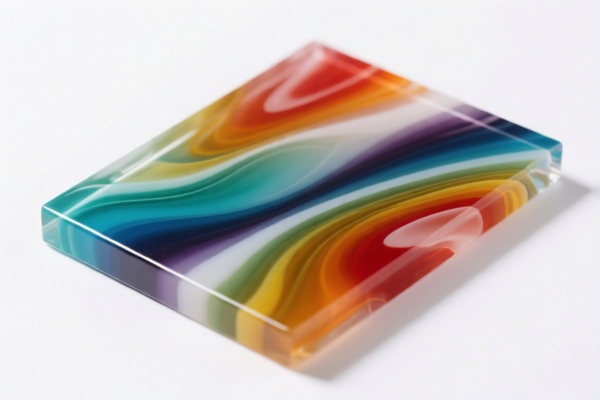
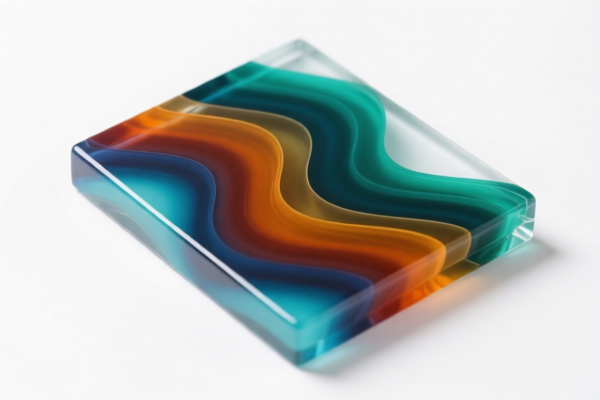
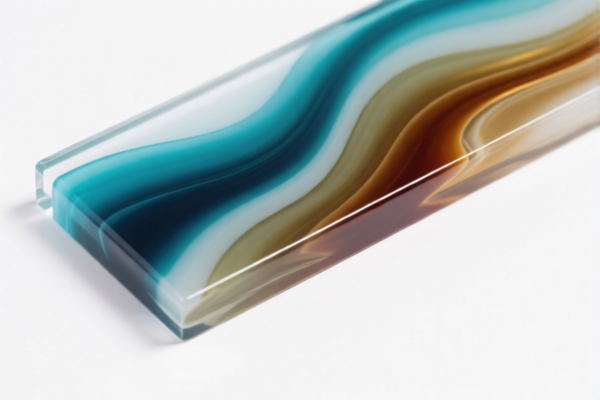
AI Analysis
🎨 Acrylic Resin Art Materials (Chemical Resins & Polymers)
🌐 HS Code Reference & Customs Clearance Guide | 2026 Latest Tariff Analysis | Professional-Level Strategy
📌 I. Product Definition & Classification: What Exactly is "Acrylic Resin"?
Acrylic Resin is a synthetic polymer widely used in art materials, coatings, and industrial adhesives. In international trade, its classification depends heavily on its physical form (liquid, powder, solid blocks) and chemical composition (pure acrylic vs. mixed formulations). It generally falls under two main chapters: 1. Chapter 38 (Miscellaneous Chemical Products): For mixtures, preparations, or industrial formulations where the resin is an ingredient or part of a complex mixture. 2. Chapter 39 (Plastics and Articles Thereof): For primary forms (liquids, powders, lumps) of acrylic polymers (PMMA) or other plastic materials.
⚠️ Key Distinction Point:
- If the product is a preparation/mixture (e.g., mixed with solvents, pigments, or hardeners) not meeting the specific definition of a primary polymer → Chapter 38
- If the product is a primary form of acrylic polymer (e.g., pure liquid acrylic resin, powder) → Chapter 39
📦 II. HS Code Classification Details (2026 Latest Tariff Authority Comparison)
Based on the provided data, here are the five potential HS Codes with their corresponding tax structures for imports into the US (China Origin).
| HS Code | Product Description | Application Scenario | Tax Rate |
|---|---|---|---|
3824.40.50.00 |
Acrylic Resin as a Chemical Product/Resin Raw Material | Chemical preparations, mixed resins | 40.0% |
3824.99.11.00 |
Acrylic Resin as Chemical Raw Material (Industrial Preparation) | Industrial formulations, non-primary form | 35.0% |
3926.90.10.00 |
Acrylic Resin falling within Chapters 3901-3914 (Primary Product Features) | Primary raw material characteristics, specific plastic articles | 20.9% |
3907.61.00.10 |
Acrylic Resin consistent with Acrylic Polymer Material (Primary Form) | Pure acrylic polymers, primary shape | 41.5% |
3907.69.00.10 |
Acrylic Resin consistent with Acrylic Polymer Material (Primary Form Classification) | Other acrylic polymers, primary shape features | 41.5% |
🔍 Critical Reminder:
- Chapter 38 codes (3824.40.50.00,3824.99.11.00) apply when the resin is considered a "preparation" or "mixture."
- Chapter 39 codes apply when the product is recognized as a "plastic" or "primary polymer."
- Tax Rates Vary Significantly: From 20.9% (lowest) to 41.5% (highest). Misclassification can lead to massive cost differences or penalties.
💰 III. 2026 Latest Tariff Rate Breakdown (Including Additional Taxes & Policy Surcharges)
✅ Applicable Country: United States (US)
✅ Country of Origin: China (CN)
✅ Effective Date: Includes imports post-2025/2026
🎯 1. 3824.40.50.00 —— Acrylic Resin as Chemical Product/Resin Raw Material
| Item | Detail |
|---|---|
| Base Tariff | 5.0% |
| Retaliatory/Additional Tariff | +25.0% (Section 301) |
| Section 122 Tariff | +10.0% |
| Total Tariff Rate | 40.0% |
| Tax Calculation | CIF Value × 40.0% |
| De Minimis Exemption | ❌ Not Eligible |
| Legal Basis Path | Base 5% + Section 301 25% + Section 122 10% |
📌 Explanation:
- This code carries a 5% base duty plus significant political surcharges.
- The Section 301 (25%) and Section 122 (10%) tariffs make the total rate very high.
- Suitable for chemical mixtures where the resin is not in its primary polymer form.
🎯 2. 3824.99.11.00 —— Acrylic Resin as Industrial Chemical Preparation
| Item | Detail |
|---|---|
| Base Tariff | 0.0% |
| Retaliatory/Additional Tariff | +25.0% (Section 301) |
| Section 122 Tariff | +10.0% |
| Total Tariff Rate | 35.0% |
| Tax Calculation | CIF Value × 35.0% |
| De Minimis Exemption | ❌ Not Eligible |
| Legal Basis Path | Base 0% + Section 301 25% + Section 122 10% |
📌 Note:
- Despite the 0% base tariff, the total rate is 35% due to the same surcharges.
- This is a 5% saving compared to3824.40.50.00, but only if the product strictly qualifies as this specific industrial preparation.
🎯 3. 3926.90.10.00 —— Acrylic Resin with Primary Product Characteristics
| Item | Detail |
|---|---|
| Base Tariff | 3.4% |
| Retaliatory/Additional Tariff | +7.5% (Section 301) |
| Section 122 Tariff | +10.0% |
| Total Tariff Rate | 20.9% |
| Tax Calculation | CIF Value × 20.9% |
| De Minimis Exemption | ❌ Not Eligible |
| Legal Basis Path | Base 3.4% + Section 301 7.5% + Section 122 10% |
📌 Key Advantage:
- This is the lowest total tariff rate (20.9%) among all options.
- Applicable if the product can be classified under Chapter 39 as a primary plastic article or raw material with specific features.
- Crucial: Must prove the product fits the "primary form" or specific article definition within Chapters 3901-3914.
🎯 4. & 5. 3907.61.00.10 & 3907.69.00.10 —— Acrylic Polymer (Primary Form)
| Item | Detail |
|---|---|
| Base Tariff | 6.5% |
| Retaliatory/Additional Tariff | +25.0% (Section 301) |
| Section 122 Tariff | +10.0% |
| Total Tariff Rate | 41.5% |
| Tax Calculation | CIF Value × 41.5% |
| De Minimis Exemption | ❌ Not Eligible |
| Legal Basis Path | Base 6.5% + Section 301 25% + Section 122 10% |
📌 Warning:
- These codes attract the highest total tariff (41.5%).
- While they represent pure acrylic polymers (PMMA), the 6.5% base tariff is significantly higher than other codes.
- Only use if the product is unequivocally a primary acrylic polymer and no other lower-tax Chapter 39 code applies.
🛠️ IV. Customs Clearance Practical Advice (Battle-Tested Pitfall Avoidance)
✅ 1. Document Checklist (Non-negotiable)
| Document | Required | Explanation |
|---|---|---|
| ✅ Technical Data Sheet (TDS) | ✔️ | Must clearly state chemical composition, form (liquid/powder), and whether it contains solvents or other resins. |
| ✅ Safety Data Sheet (SDS) | ✔️ | Required for chemical classification and safety handling. |
| ✅ Product Photos | ✔️ | Clear images of the container, label, and physical state (e.g., viscous liquid vs. powder). |
| ✅ Commercial Invoice | ✔️ | Must accurately describe the product using the HS code definition (e.g., "Acrylic Resin, Primary Form" vs. "Acrylic Paint"). |
| ✅ Certificate of Origin (CO) | ✔️ | To confirm China origin and apply correct surcharge rates. |
| ✅ Packaging List | ✔️ | Details net/gross weight, volume, and number of packages. |
✅ 2. Declaration Strategy (Key Tips)
🔥 “Form Matters: Primary vs. Mixed Name Precision, Tax Rate Divergence!”
| Scenario | Correct Declaration | Wrong Practice |
|---|---|---|
| Pure Acrylic Polymer (Liquid/Powder) | 3907.61.00.10 or 3907.69.00.10 |
Mislabeling as "Paint" or "Glue" → Potential misclassification |
| Acrylic Resin Mixed with Solvents/Additives | 3824.40.50.00 or 3824.99.11.00 |
Declaring as pure polymer → 41.5% tax if incorrect |
| Art Supplies (Mixed/Prepared) | 3824.40.50.00 |
Ignoring chemical nature → Risk of seizure |
| Primary Plastic Raw Material | 3926.90.10.00 (if applicable) |
Declaring as 3907... → 41.5% vs 20.9% |
✅ 3. Special Situation Handling
| Situation | Handling Advice |
|---|---|
| OEM Custom Resin | Provide formula sheet or ingredient list to determine if it's a "preparation" (Ch 38) or "primary polymer" (Ch 39). |
| Acrylic Paint/Emulsion | If pigment/solvent is present, it’s likely Ch 38 (3824...). Do not declare as pure resin. |
| Bulk Liquid Resin | Ensure density and volume are correctly declared. If it’s a "primary form," check if 3926.90.10.00 applies for lower tax. |
| Small Art Kits | Each component (brushes, canvas, resin) may have different HS codes. Declare separately to avoid "basket" misclassification. |
🌍 V. Global Market Clearance Comparison (2026 Latest)
| Country/Region | Recommended HS Code | Tariff Rate | Certification | Notes |
|---|---|---|---|---|
| 🇺🇸 USA | 3926.90.10.00 (if eligible) |
20.9% | No specific | Best Rate. 3824 codes are 35-40%. 3907 is 41.5%. |
| 🇨🇳 China | 3907.61.00.10 |
~5-10% | No specific | Lower base tariffs than US. |
| 🇪🇺 EU | 3907.61.00 |
~6.5% | REACH | No Section 301/122 surcharges. |
| 🇬🇧 UK | 3907.61.00 |
~6.5% | UKCA | Post-Brexit rules apply. |
| 🇦🇺 Australia | 3907.61.00 |
~5% | No specific | Free Trade Agreement benefits possible. |
📌 Conclusion:
- USA is the most complex market due to Section 301 and Section 122 surcharges.
- Strategic Goal: Try to classify under3926.90.10.00(20.9%) if the product allows, rather than Chapter 38 (35-40%) or other Chapter 39 codes (41.5%).
- Documentation is Key: Prove "primary form" or "industrial preparation" accurately to avoid penalties.
📌 VI. Common Errors & Pitfalls (Blood & Tears Lessons)
❌ Error 1: Declaring "Acrylic Resin" as "Plastic Resin" generally without specifying chemical type.
👉 Consequence: Customs may assign default higher rate (3907... → 41.5%) or hold for examination.
❌ Error 2: Mixing "Acrylic Paint" (pigmented) with "Acrylic Resin" (clear) in one shipment without separating HS codes.
👉 Consequence: Risk of misclassification for both items. Paint is usually Ch 32 or Ch 38, not pure resin.
❌ Error 3: Ignoring Section 122 Tariff (10%).
👉 Consequence: Underpayment of duties. All these codes are subject to the 10% surcharge.
❌ Error 4: Using "Art Supplies" as a generic description.
👉 Consequence: Customs cannot determine tax rate. Require detailed chemical breakdown.
✅ Correct Practice:
"Acrylic Polymer Resin, Liquid Form, CAS No. 9003-89-4, Pure, for Industrial Adhesive Use"
or
"Acrylic Resin Preparation, Mixed with Solvents, for Art Coating, HS 3824.40.50.00"
🎯 VII. Conclusion: Professional Declaration, Save Time, Reduce Costs!
🎯 Remember the Mantra:
🔹 "Form Dictates Code: Primary 39, Mixed 38."
🔹 "Target 20.9%:3926.90.10.00is the Golden Key if eligible."
🔹 "Avoid 41.5%:3907codes are expensive due to 6.5% base + surcharges."
🔹 "Never Guess: SDS and TDS are your best friends!"
📌 Pro Tip:
If your acrylic resin is shipped in small quantities for personal use (e.g., < $800), it might qualify for De Minimis exemption in the US, but Art Materials often face stricter scrutiny. Always check if the product is considered a "restricted chemical" or "hazardous material."
📣 Immediate Action:
📞 Contact a licensed customs broker + Provide SDS/TDS + Apply for Advance Ruling
🚀 Let your acrylic resin clear smoothly, safely, and cost-effectively!
✨ Professional Customs Clearance Starts with Precise Classification!
💼 Every percentage point of tax savings is pure profit!
Customer Reviews
About HS Code Classification
The Harmonized System (HS) is an internationally standardized nomenclature developed by the World Customs Organization (WCO) to classify traded products. Over 200 countries use the HS system as the basis for customs tariffs, trade statistics, and import/export regulations.
Each HS code follows a hierarchical structure:
- Chapter (2 digits) — Broad category of goods (e.g., Chapter 84: Machinery and Mechanical Appliances)
- Heading (4 digits) — More specific grouping within the chapter
- Subheading (6 digits) — Internationally standardized breakdown, used by all WCO member countries
- National subdivisions (8-10 digits) — Country-specific extensions for further classification, such as US HTSUS 10-digit codes
Correct HS code classification is essential for smooth customs clearance, accurate duty payment, and compliance with trade regulations. Misclassification can lead to customs delays, overpayment of duties, or penalties.
When importing from CN to US, the applicable tariff rates may include:
- Most-Favored-Nation (MFN) rate — The standard duty rate applied to WTO members
- General rate — Applied to countries without trade agreements
- Trade remedy duties — Additional tariffs such as Section 301 (anti-dumping), Section 232 (national security), or countervailing duties
The information provided on this page is for reference purposes only. For official classification, please consult with your local customs authority or a licensed customs broker.