Acrylic Resin Cosmetic Grade Material
CN → US| HS Code | Tariff Rate | Origin | Destination | Doc |
|---|---|---|---|---|
| 3923900080 | 38.0% | CN | US | Official Doc |
| 3920511000 | 41.0% | CN | US | Official Doc |
| 3923109000 | 38.0% | CN | US | Official Doc |
| 3920515090 | 41.5% | CN | US | Official Doc |
Product Images
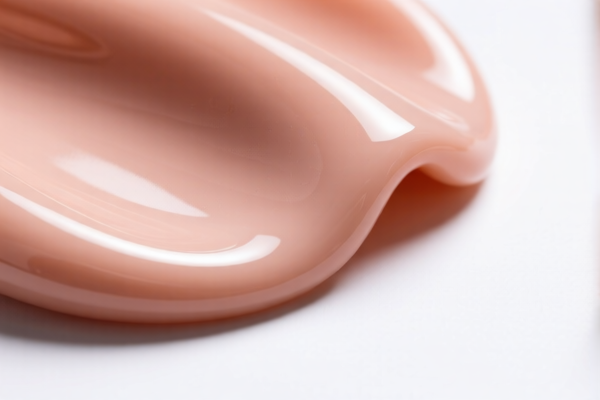

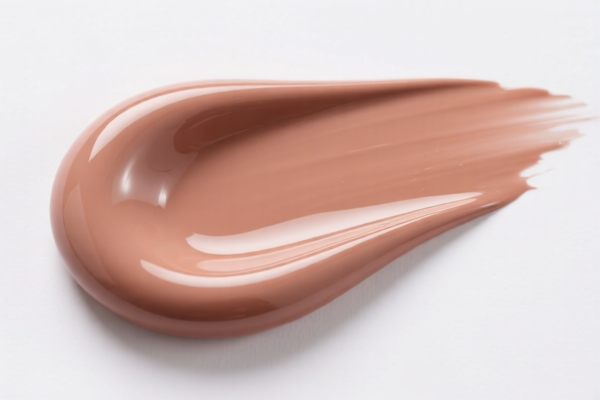
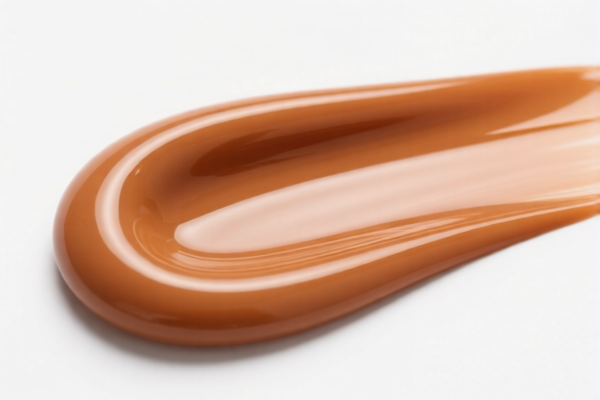
AI Analysis
🧴 Acrylic Resin Cosmetic Grade Material (PMMA Packaging & Components)
🌐 HS Code Reference & Customs Clearance Guide | 2026 Latest Tariff Analysis | Professional Entry Strategy
📌 I. Product Definition: What is "Cosmetic Grade Acrylic Resin"?
Acrylic Resin, specifically Poly(methyl methacrylate) (PMMA), is a high-transparency, durable thermoplastic widely used in the cosmetic industry for packaging and displays. When declared as "Cosmetic Grade," it typically refers to materials meeting strict purity standards for direct contact with beauty products.
In international trade, this product falls into two main categories based on its physical form:
- Raw Material/Intermediate Forms: Sheets, films, or molds intended for manufacturing cosmetic bottles, jars, or compacts.
- Finished Packaging Articles: Bottles, caps, or boxes already shaped for transporting or packing goods.
⚠️ Key Distinction:
- If the product is raw sheet/film (unprocessed plastic material) → It falls under Chapter 39 (Plastics and Articles Thereof), specifically 3920 (Other plates, sheets, film, foil, and strip).
- If the product is a finished container/bottle (ready to hold cosmetics) → It falls under 3923 (Articles for the conveyance or packing of goods).
📦 II. HS Code Classification Details (2026 Latest Tariff Authority对照)
Based on the provided data, here is the breakdown of how Acrylic Resin Cosmetic Materials are classified:
| HS Code | Product Description | Application Scenario | Physical Form |
|---|---|---|---|
3920.51.10.00 |
Acrylic resin packaging material; Material is PMMA; Form is film or sheet; Non-foam and non-reinforced. | Raw PMMA sheets/films for cutting into cosmetic bottles or lids. | 📄 Sheet/Film (Raw Material) |
3920.51.50.90 |
Acrylic resin packaging material; Material is PMMA; Form is film or sheet; Fits board, sheet, film, or foil classification. | Specific PMMA sheets/films categorized under general plastic sheets. | 📄 Sheet/Film (Raw Material) |
3923.90.00.80 |
Acrylic resin packaging material; Material is plastic; Use is for transport or packing supplies; Classified under other items. | Finished acrylic cosmetic jars, compacts, or bottles. | 📦 Finished Container (Other) |
3923.10.90.00 |
Acrylic resin packaging material; Material is plastic; Use is for goods transport or packing supplies; Classified under other items. | Finished acrylic cosmetic containers/bottles. | 📦 Finished Container (Other) |
🔍 Critical Note:
- Form Matters:3920codes are for sheets/films (raw material).3923codes are for articles (finished packaging).
- Misclassification Risk: Declaring a finished acrylic perfume bottle as "PMMA Sheet" (3920) will lead to rejection or reclassification by customs.
- Material Specificity: For3920codes, the description must specify "Poly(methyl methacrylate) (PMMA)" to align with the provided data.
💰 III. 2026 Latest Tariff Rate Details (Including Surcharges & Policy Additions)
✅ Applicable Country: United States (US)
✅ Origin: China (CN)
✅ Effective Time: Current rates apply including Section 301 and Section 122 surcharges.
🎯 1. 3920.51.10.00 & 3920.51.50.90 —— PMMA Sheets/Films (Raw Material)
These HS codes cover the raw acrylic sheets used to manufacture cosmetic packaging.
| Item | Content |
|---|---|
| Base Tariff Rate | 6.0% (3920.51.10.00) / 6.5% (3920.51.50.90) |
| Section 301 Surcharge | +25% (USITC Footnote regarding Chinese imports) |
| Section 122 Surcharge | +10% (Presidential Proclamation under IEEPA) |
| Total Effective Rate | 41.0% (3920.51.10.00) 41.5% ( 3920.51.50.90) |
| Tax Calculation | CIF Value × 41.0% / 41.5% |
| De Minimis Exemption | ❌ Not Applicable (High tariff rates disqualify low-value shipments) |
| Legal Basis Path | USITC:3920.51.10.00 → FOOTNOTE:301 → IEEPA:122 |
📌 Explanation:
- The "6.0%/6.5%" is the standard Most Favored Nation (MFN) duty for plastic sheets.
- The 25% is the Section 301 tariff targeting Chinese-made plastic products.
- The 10% is the Section 122 tariff, recently applied to certain imports.
- Total Burden: Over 40% of the CIF value. This is a high-cost category.
🎯 2. 3923.90.00.80 & 3923.10.90.00 —— Finished Packaging Articles (Bottles/Jars)
These HS codes cover the final acrylic containers for cosmetics.
| Item | Content |
|---|---|
| Base Tariff Rate | 3.0% |
| Section 301 Surcharge | +25% |
| Section 122 Surcharge | +10% |
| Total Effective Rate | 38.0% |
| Tax Calculation | CIF Value × 38.0% |
| De Minimis Exemption | ❌ Not Applicable |
| Legal Basis Path | USITC:3923.10.90.00 → FOOTNOTE:301 → IEEPA:122 |
📌 Explanation:
- The "3.0%" is the standard MFN duty for "other" articles of plastic for packing.
- Despite being "finished goods," they still suffer the 35% surcharge (25% + 10%).
- Comparison: These codes are slightly cheaper (38%) than the raw sheet codes (41-41.5%), but the difference is marginal relative to the total cost.
🛠️ IV. Customs Clearance Practical Advice (Combat Pitfalls Guide)
✅ 1. Document Checklist (Non-Negotiable)
| Document | Required? | Purpose |
|---|---|---|
| ✅ Product Specification Sheet | ✔️ | Must state: "PMMA," "Cosmetic Grade," "FDA Compliant" (if applicable). |
| ✅ Material Safety Data Sheet (MSDS) | ✔️ | Proves chemical composition and safety for cosmetic contact. |
| ✅ Product Photos (Clear) | ✔️ | Show shape: Sheet (flat) vs. Bottle (3D). Crucial for 3920 vs. 3923. |
| ✅ Commercial Invoice | ✔️ | Must clearly describe "Acrylic Resin PMMA Sheets" OR "Acrylic Cosmetic Bottles." |
| ✅ Packing List | ✔️ | Verify weight and quantity match invoice. |
| ✅ Certificate of Origin | ✔️ | Required for verifying "Origin: China" to apply correct surcharges. |
✅ 2. Declaration Strategy (Key Tips)
🔥 “Form Determines Code: Sheet goes to 3920, Bottle goes to 3923!”
| Scenario | Correct HS Code | Wrong Code | Consequence |
|---|---|---|---|
| PMMA Sheets for cutting | 3920.51.10.00 |
3923.90.00.80 |
Overpaid Tax (41% vs 38%) + Audit Risk |
| PMMA Sheets (Thicker/Board) | 3920.51.50.90 |
3923.10.90.00 |
Overpaid Tax (41.5% vs 38%) |
| Finished Acrylic Bottle | 3923.10.90.00 |
3920.51.10.00 |
Undeclared Good → Penalty + Seizure |
| Acrylic Compact Case | 3923.90.00.80 |
3920.51.10.00 |
Misclassification → Back Taxes + Interest |
📌 Declaration Tips:
- For3920: Use terms like "PMMA Sheets," "Acrylic Film," "Non-foam Plastic Sheets."
- For3923: Use terms like "Acrylic Cosmetic Bottles," "PMMA Packaging Containers," "Plastic Packing Articles."
- Do Not mix raw materials and finished goods in the same line item without clear separation.
✅ 3. Special Scenarios
| Scenario | Advice |
|---|---|
| OEM Cosmetic Packaging | If you are manufacturing bottles for a brand, declare as 3923. Provide the brand’s PO if asked for "Finished Goods" status. |
| Sample Shipments | Even samples of PMMA sheets are subject to 41% tax. Do not use "Gift" or "Low Value" loopholes; they are denied de minimis. |
| Mixed Shipments | If a container has both sheets and bottles, split the invoice. Declare sheets under 3920 and bottles under 3923. Mixing leads to complex audits. |
🌍 V. Global Market Comparison (2026 Latest)
| Country/Region | Recommended HS Code | Tariff (China Origin) | Certification | Notes |
|---|---|---|---|---|
| 🇺🇸 USA | 3920.51.10.00 / 3923.10.90.00 |
38% - 41.5% | FDA Contact Compliance | High surcharges make this costly. |
| 🇨🇳 China | 3920.51.10.00 / 3923.10.90.00 |
0% - 6% | None | Raw material export friendly. |
| 🇪🇺 EU | 3920.51.10.00 / 3923.10.90.00 |
0% - 6% | REACH + FDA | No Section 301 surcharge. |
| 🇬🇧 UK | 3920.51.10.00 / 3923.10.90.00 |
0% - 6% | UKCA | Post-Brexit rules apply. |
📌 Conclusion:
- The US market is the most expensive due to the 35% combined surcharge.
- If targeting the US, consider supply chain adjustments or ensure the CIF value is optimized to manage cash flow.
- EU and UK offer significantly lower barriers (no Section 301/122), making them attractive alternatives if the US market is too costly.
📌 VI. Common Mistakes & Pitfalls (Lessons Learned)
❌ Mistake 1: Declaring "Acrylic Sheets" when the product is actually "Pre-cut Bottle Blanks"
👉 Result: Customs may classify it as 3923 (Finished Article) and charge 38% instead of 41%, or vice versa, leading to underpayment penalties.
❌ Mistake 2: Using "Plastic" as a generic description
👉 Result: Customs will reject the entry. You must specify "PMMA" or "Poly(methyl methacrylate)" for the 3920 codes to match the tariff description.
❌ Mistake 3: Ignoring the "Cosmetic Grade" requirement
👉 Result: If the material is not FDA-compliant for food/cosmetic contact, it may be blocked at the border even if the HS code is correct.
❌ Mistake 4: Assuming De Minimis (Section 321) applies
👉 Result: False. Any item with a Section 301 or Section 122 surcharge exceeding certain thresholds (or specifically listed) is ineligible for the $800 de minimis exemption.
✅ Correct Practice:
"Poly(methyl methacrylate) (PMMA) Sheets, Cosmetic Grade, Non-Foam, 2mm Thickness, For Cosmetic Packaging Manufacturing"
HS Code: 3920.51.10.00
🎯 VII. Conclusion: Precision in Classification Saves Money!
🎯 Remember the Mantra:
🔹 "Sheets are 3920 (41%), Bottles are 3923 (38%). Specify PMMA. Pay the 35% Surcharge."
🔹 "Form dictates code: Flat = 3920, 3D = 3923. Accuracy prevents delays."
📌 Pro Tip:
If your business volume is high, consider applying for an Advance Ruling (CBP Ruling) from US Customs to lock in the HS code classification before shipping. This provides legal certainty and protects against post-audit liabilities.
📣 Immediate Action:
📞 Consult your customs broker with clear photos and material specs.
🚀 Ensure your invoice matches the HS Code description exactly.
💼 Accurate classification is the first step to smooth customs clearance!
✨ Professional Customs Clearance Starts with Accurate Classification!
💼 Every percentage point of tax matters in the US Market!
Customer Reviews
About HS Code Classification
The Harmonized System (HS) is an internationally standardized nomenclature developed by the World Customs Organization (WCO) to classify traded products. Over 200 countries use the HS system as the basis for customs tariffs, trade statistics, and import/export regulations.
Each HS code follows a hierarchical structure:
- Chapter (2 digits) — Broad category of goods (e.g., Chapter 84: Machinery and Mechanical Appliances)
- Heading (4 digits) — More specific grouping within the chapter
- Subheading (6 digits) — Internationally standardized breakdown, used by all WCO member countries
- National subdivisions (8-10 digits) — Country-specific extensions for further classification, such as US HTSUS 10-digit codes
Correct HS code classification is essential for smooth customs clearance, accurate duty payment, and compliance with trade regulations. Misclassification can lead to customs delays, overpayment of duties, or penalties.
When importing from CN to US, the applicable tariff rates may include:
- Most-Favored-Nation (MFN) rate — The standard duty rate applied to WTO members
- General rate — Applied to countries without trade agreements
- Trade remedy duties — Additional tariffs such as Section 301 (anti-dumping), Section 232 (national security), or countervailing duties
The information provided on this page is for reference purposes only. For official classification, please consult with your local customs authority or a licensed customs broker.