Acrylic Resin Decorative Material
CN → US| HS Code | Tariff Rate | Origin | Destination | Doc |
|---|---|---|---|---|
| 3926904000 | 12.8% | CN | US | Official Doc |
| 3213900000 | 38.4% | CN | US | Official Doc |
| 3907610010 | 41.5% | CN | US | Official Doc |
| 3907690010 | 41.5% | CN | US | Official Doc |
| 3824405000 | 40.0% | CN | US | Official Doc |
Product Images

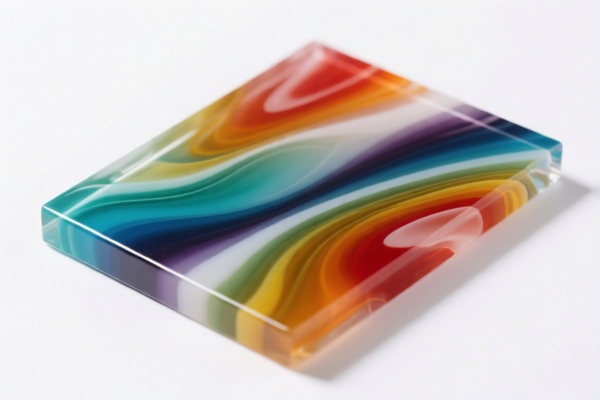
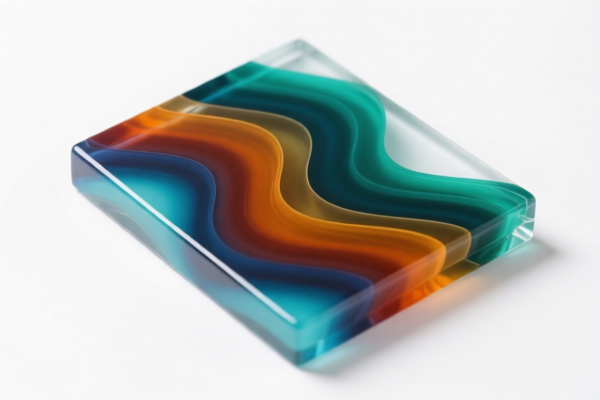
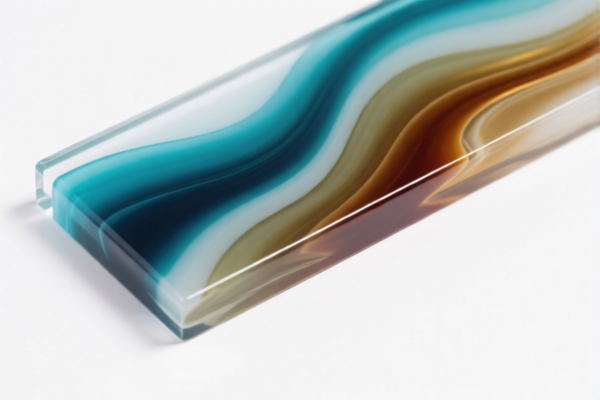
AI Analysis
🎨 Acrylic Resin Decorative Material (丙烯酸树脂装饰素材)
🌐 HS Code Reference & Customs Clearance Guide | 2026 Latest Tariff Analysis | Professional-Level Clearance Strategy
📌 I. Product Definition & Classification: Do You Truly Understand "Acrylic Resin"?
Acrylic Resin is the versatile backbone of modern decorative materials, widely used in everything from high-end paints to clear plastic fixtures. In international trade, its classification depends entirely on its physical state (liquid powder/granule vs. finished good) and its primary function (raw material for plastics, art supplies, or chemical formulation).
Key Distinctions: 1. Raw Polymer (Primary Form): Liquid, powder, or granular resin not yet shaped into final products → Classified under Chapter 39 or 38. 2. Artistic/Pigment Base: Specifically formulated for artists, illustrators, or decorative coloring → Classified under Chapter 32. 3. Finished Plastic Article: If mixed with fillers/curing agents to form a rigid decorative item → Classified under Chapter 39 (Other Articles).
⚠️ Critical Classification Point:
- If the product is a raw polymer (liquid/powder) used to make other plastics → It falls under 3907 or 3824.
- If it is a finished plastic item (e.g., decorative tiles, moldings) → It falls under 3926.
- If it is specifically for artistic/decorative coloring → It falls under 3213.
📦 II. HS Code Classification Details (2026 Latest Tariff Authority Comparison)
| HS Code | Product Description | Application Scenario | Physical State |
|---|---|---|---|
3926.90.40.00 |
Other articles of plastics; Acrylic resin used as a raw material for plastic decorative products | Decorative panels, molded acrylic parts, plastic decor | ✅ Finished/Prepared Plastic Good |
3213.90.00.00 |
Artists' colors, retouching colors, etc.; Acrylic resin as a base for decorative/artistic pigments | Art supplies, decorative paints, coloring agents | ✅ Liquid/Paste (Artistic) |
3907.61.00.10 |
Primary forms of acrylic polymers; Other acrylic polymers | Industrial raw material for manufacturing acrylic products | ✅ Raw Polymer (Liquid/Powder) |
3907.69.00.10 |
Primary forms of acrylic polymers; Other acrylic polymers, n.e.s. | General-purpose acrylic polymer raw materials | ✅ Raw Polymer (Liquid/Powder) |
3824.40.50.00 |
Binders for foundry molds or cores; Chemical products and preparations (Acrylic Resin) | Chemical formulation, industrial binders, specialized additives | ✅ Chemical Preparation |
🔍 Key Reminder:
- "Acrylic Resin" is ambiguous. If it is a raw chemical, do not classify it as a "plastic article" (3926).
- If it is sold to artists for decoration, it must be classified under3213, even if it is acrylic-based.
- Misclassification leads to massive tariff discrepancies (e.g., 12.8% vs. 41.5%).
💰 III. 2026 Latest Tariff Rate Details (Including Surtaxes & Policy Add-ons)
✅ Applicable Country: United States (US)
✅ Origin: China (CN)
✅ Effective Date: From November 10, 2025 (and subsequent imports)
🎯 1. 3926.90.40.00 —— Other Plastic Articles (Acrylic Decorative Goods)
| Item | Details |
|---|---|
| Base Tariff Rate | 2.8% (ad valorem) |
| Surtax (Section 301) | 0.0% |
| Section 122 Tariff | +10% (Specific to China origin under this subheading) |
| Total Tariff Rate | 12.8% |
| Tax Calculation | CIF Value × 12.8% |
| De Minimis Eligibility | ❌ No (Subject to strict scrutiny) |
| Legal Basis Path | Section 122 → USITC:3926.90.40.00 |
📌 Explanation:
- This is the most favorable classification for finished acrylic decorative items.
- The "Section 122" tariff applies specifically, resulting in a relatively low total duty of 12.8%.
- Ideal for: Finished acrylic signs, decorative molded parts, plastic home decor.
🎯 2. 3213.90.00.00 —— Artists' Colors & Decorative Pigments
| Item | Details |
|---|---|
| Base Tariff Rate | 3.4% (ad valorem) |
| Surtax (Section 301) | +25.0% |
| Section 122 Tariff | +10% |
| Total Tariff Rate | 38.4% |
| Tax Calculation | CIF Value × 38.4% |
| De Minimis Eligibility | ❌ No |
| Legal Basis Path | Section 301 → Section 122 → USITC:3213.90.00.00 |
📌 Note:
- High tariff due to Section 301 (25%) surtax on Chinese goods.
- Only apply if the product is explicitly marketed as "Artists' Colors" or "Decorative Pigments".
- Risk: If customs determines it is a general chemical, not an art product, you may face reclassification penalties.
🎯 3. 3907.61.00.10 & 3907.69.00.10 —— Primary Forms of Acrylic Polymers (Raw Resin)
| Item | Details |
|---|---|
| Base Tariff Rate | 6.5% (ad valorem) |
| Surtax (Section 301) | +25.0% |
| Section 122 Tariff | +10% |
| Total Tariff Rate | 41.5% |
| Tax Calculation | CIF Value × 41.5% |
| De Minimis Eligibility | ❌ No |
| Legal Basis Path | Section 301 → Section 122 → USITC:3907.61.00.10 / 3907.69.00.10 |
📌 Critical Warning:
- This is the highest tariff category.
- Applies to raw liquid/powder acrylic polymers (intermediate goods).
- Even though the base rate is low (6.5%), the 25% Surtax pushes the total to 41.5%.
- Strategy: If possible, avoid importing raw resin if you can source finished parts under3926.90.40.00(12.8%).
🎯 4. 3824.40.50.00 —— Chemical Products & Preparations (Acrylic Resin)
| Item | Details |
|---|---|
| Base Tariff Rate | 5.0% (ad valorem) |
| Surtax (Section 301) | +25.0% |
| Section 122 Tariff | +10% |
| Total Tariff Rate | 40.0% |
| Tax Calculation | CIF Value × 40.0% |
| De Minimis Eligibility | ❌ No |
| Legal Basis Path | Section 301 → Section 122 → USITC:3824.40.50.00 |
📌 Note:
- Applies to acrylic resin used as a chemical additive or binders in non-plastic formulations.
- Slightly lower than raw polymer (3907) due to a lower base rate (5% vs 6.5%), but still very high (40%) due to surtaxes.
🛠️ IV. Customs Clearance Practical Advice (Battle-Tested Pitfall Avoidance)
✅ 1. Preparation Checklist (Missing Documents = Delay)
| Document | Required | Explanation |
|---|---|---|
| ✅ Product Specification Sheet | ✔️ | Must detail: Is it raw resin, liquid, powder, or finished? Chemical composition? |
| ✅ MSDS (Safety Data Sheet) | ✔️ | Critical for chemical classification (3907, 3824, 3213). |
| ✅ Product Photos (Clear & Detailed) | ✔️ | Show packaging, label, and physical form (liquid vs. solid). |
| ✅ Commercial Invoice | ✔️ | Must clearly state: "Acrylic Resin Decorative Material" OR "Raw Acrylic Polymer". |
| ✅ Certificate of Origin (CO) | ✔️ | To verify China origin for Section 122/301 application. |
| ✅ Intended Use Declaration | ✔️ | Explain: Is it for artists? For making plastics? As a chemical binder? |
✅ 2. Declaration Tips (Key Mnemonic)
🔥 "Form Determines Code, Function Determines Rate! Don't Mix Raw & Finished!"
| Situation | Correct HS Code | Wrong Action | Consequence |
|---|---|---|---|
| Raw Liquid/Powder Resin | 3907.61.00.10 or 3907.69.00.10 |
Declaring as "Plastic Article" (3926) |
41.5% vs 12.8% → Huge tax loss! |
| Finished Acrylic Decor (e.g., tiles) | 3926.90.40.00 |
Declaring as "Raw Resin" | Lower tax, but may be flagged for misdeclaration if chemical analysis fails. |
| Artistic Paint/Color | 3213.90.00.00 |
Declaring as "Chemical" | 38.4% vs 40% (minor difference, but compliance risk if not "Artistic"). |
| Industrial Additive | 3824.40.50.00 |
Declaring as "Raw Polymer" | 40% vs 41.5% (Slight savings, but must prove "Preparation" status). |
💡 Pro Tip:
- If you are importing raw resin to manufacture decorative items in China, the tax is high (41.5%).
- If you are importing finished decorative acrylic parts, the tax is low (12.8%).
- Strategy: Consider sourcing finished goods if possible to reduce duty burden.
✅ 3. Special Cases Handling
| Situation | Handling Advice |
|---|---|
| Hybrid Products (Resin + Pigments) | If pigments are dominant, consider 3213. If resin is dominant, consider 3907 or 3824. |
| OEM Custom Resin | Provide formula sheets to prove if it is a "Primary Form" (3907) or "Preparation" (3824). |
| Small Sample Imports | High risk of rejection due to de minimis restrictions. Declare accurately. |
| Multiple HS Codes in One Shipment | Split invoices or declare clearly per line item to avoid blanket high rates. |
🌍 V. Global Market Comparison (2026 Latest)
| Country/Region | Recommended HS Code | Tariff (China Origin) | Certification | Notes |
|---|---|---|---|---|
| 🇺🇸 USA | 3926.90.40.00 |
12.8% | None specific | Best rate for finished decor. |
| 🇺🇸 USA | 3907.61.00.10 |
41.5% | None | Raw resin is heavily taxed. |
| 🇨🇳 China | 3907.61.00.10 |
6.5% | CCC (if applicable) | Low base rate, no surtaxes. |
| 🇪🇺 EU | 3907.61.00.10 |
6.5% | REACH | No Section 301/122 equivalents. |
| 🇬🇧 UK | 3907.61.00.10 |
6.5% | UKCA | Similar to EU. |
📌 Conclusion:
- USA imposes the highest effective tariffs on acrylic resin due to Section 301 and Section 122.
- Finished goods (3926) are significantly cheaper than raw materials (3907) for US importers.
- Raw polymer imports from China are costly (41.5%), impacting profitability.
📌 VI. Common Mistakes & Pitfall Guide (Blood & Tears Lessons)
❌ Mistake 1: Declaring Raw Acrylic Resin as "Plastic Decor" (3926)
👉 Consequence: Customs may audit and reassess at 41.5%, plus penalties for misdeclaration.
❌ Mistake 2: Declaring Artistic Acrylic Paint as "Chemical Product" (3824)
👉 Consequence: Paying 40% instead of 38.4%. Minor savings, but incorrect classification.
❌ Mistake 3: Ignoring Physical Form (Liquid vs. Solid)
👉 Consequence: Misclassification between 3907 (Raw) and 3926 (Finished). Tax difference: 28.7%!
❌ Mistake 4: Not Providing MSDS
👉 Consequence: Customs cannot determine chemical content → Delay in clearance or rejection.
✅ Correct Practice:
"Finished Acrylic Decorative Panel, Model XYZ, Non-Industrial Use, No Raw Resin Content" →
3926.90.40.00
"Raw Acrylic Polymer Resin, Liquid Form, for Industrial Plastic Manufacturing" →3907.61.00.10
🎯 VII. Conclusion: Professional Declaration, Save Costs, Ensure Smooth Clearance!
🎯 Remember the Mnemonic:
🔹 "Finished is Cheap (12.8%), Raw is Expensive (41.5%)!"
🔹 "Check the Form: Liquid/Powder = Raw (High Tax), Solid/Decor = Finished (Low Tax)!"
📌 Pro Tip:
- If your acrylic resin is sourced from Vietnam, Malaysia, or Thailand, you may avoid Section 301/122 tariffs, reducing the rate to Base Rate + Section 122 (if applicable) or just Base Rate.
- Apply for Advance Ruling if unsure about the classification between 3907 (Raw) and 3824 (Preparation).
📣 Immediate Action:
📞 Contact a professional customs broker + Provide Product Photos + MSDS + Apply for HS Code Pre-ruling
🚀 Let your Acrylic Resin, clear customs smoothly, maximize profit, and expand globally!
✨ Professional Customs Clearance Starts with Accurate Classification!
💼 Every cent of your cost deserves precise calculation!
Customer Reviews
About HS Code Classification
The Harmonized System (HS) is an internationally standardized nomenclature developed by the World Customs Organization (WCO) to classify traded products. Over 200 countries use the HS system as the basis for customs tariffs, trade statistics, and import/export regulations.
Each HS code follows a hierarchical structure:
- Chapter (2 digits) — Broad category of goods (e.g., Chapter 84: Machinery and Mechanical Appliances)
- Heading (4 digits) — More specific grouping within the chapter
- Subheading (6 digits) — Internationally standardized breakdown, used by all WCO member countries
- National subdivisions (8-10 digits) — Country-specific extensions for further classification, such as US HTSUS 10-digit codes
Correct HS code classification is essential for smooth customs clearance, accurate duty payment, and compliance with trade regulations. Misclassification can lead to customs delays, overpayment of duties, or penalties.
When importing from CN to US, the applicable tariff rates may include:
- Most-Favored-Nation (MFN) rate — The standard duty rate applied to WTO members
- General rate — Applied to countries without trade agreements
- Trade remedy duties — Additional tariffs such as Section 301 (anti-dumping), Section 232 (national security), or countervailing duties
The information provided on this page is for reference purposes only. For official classification, please consult with your local customs authority or a licensed customs broker.