Acrylic Rhinestone
CN → US| HS Code | Tariff Rate | Origin | Destination | Doc |
|---|---|---|---|---|
| 7018102000 | 10.0% | CN | US | Official Doc |
| 7018105000 | 35.0% | CN | US | Official Doc |
| 7117907500 | 10.0% | CN | US | Official Doc |
| 7117905500 | 24.7% | CN | US | Official Doc |
| 3926904000 | 12.8% | CN | US | Official Doc |
| 3926400090 | 15.3% | CN | US | Official Doc |
Product Images


AI Analysis
✨ Acrylic Rhinestones & Imitation Jewelry (Acrylic Rhinestone)
🌐 HS Code Reference & Customs Clearance Guide | 2026 Latest Tariff Analysis | Professional Clearance Strategy
📌 Part I: Product Definition & Classification: What Exactly Are "Acrylic Rhinestones"?
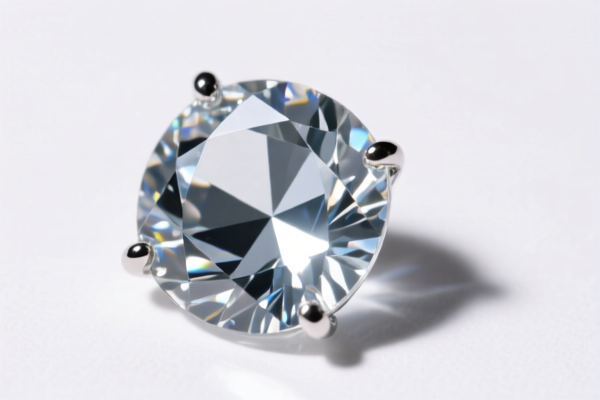
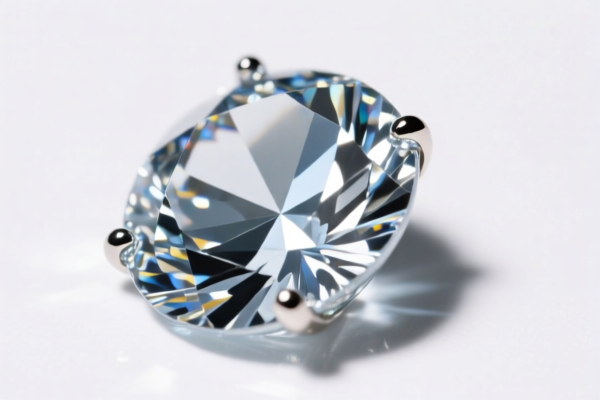
Acrylic Rhinestones are decorative artificial gemstones made primarily from acrylic resin (a type of plastic). They are widely used in fashion accessories, nail art, textile embellishment, and costume jewelry.
In international trade, these items are strictly categorized based on their material composition and final form:
- Imitation Jewelry (Finished/Partially Assembled): If the acrylic rhinestones are already set into a piece of jewelry (like a pendant, earring, or bracelet) or are sold as "parts of imitation jewelry," they fall under Chapter 71.
- Glass Smallwares vs. Plastic Articles: It is crucial to distinguish between Glass Imitation Stones (Chapter 70) and Plastic/Acrylic Imitation Stones (Chapter 39). Since your product is Acrylic (Plastic), it generally belongs to Chapter 39, unless it is specifically classified as "parts of imitation jewelry."
⚠️ Key Distinction Point:
- If the item is a loose stone intended for jewelry making → Often classified under Chapter 39 (Plastic articles) or Chapter 70 (if glass). Note: The provided data includes "Imitation gemstones" under plastics.
- If the item is imitation jewelry (e.g., a ring with acrylic stones) → Classified under Chapter 71 (Imitation Jewelry).
📦 Part II: HS Code Classification Details (Based on Provided Data)
Below are the specific HS Codes derived strictly from your provided <DATA>, tailored for Acrylic Rhinestones and related imitation jewelry/smallwares.
| HS Code | Product Description | Material/Form | Applicability to Acrylic Rhinestones |
|---|---|---|---|
7117.90.75.00 |
Imitation jewelry: Other: Other: Valued over 20 cents per dozen pieces or parts: Other: Of plastics | Plastic (Acrylic) | ✅ High-Value Finished Jewelry: If the acrylic stone is part of a finished jewelry piece valued >$0.20/dozen. |
7117.90.55.00 |
Imitation jewelry: Other: Other: Valued not over 20 cents per dozen pieces or parts: Other | Mixed/Plastic | ✅ Low-Value Jewelry: If the jewelry piece with acrylic stones is valued ≤$0.20/dozen. |
7018.10.20.00 |
Glass beads, imitation pearls...: Imitation precious or semiprecious stones | Glass | ❌ Not Applicable: Your product is Acrylic (Plastic), not Glass. Do not use unless you are importing glass crystals. |
7018.10.50.00 |
Glass beads...: Other | Glass | ❌ Not Applicable: Your product is Acrylic (Plastic), not Glass. |
3926.90.40.00 |
Other articles of plastics...: Imitation gemstones | Plastic (Acrylic) | ✅ Best Match for Loose Stones: If imported as loose imitation gemstones made of plastic/acrylic. |
3926.40.00.90 |
Other articles of plastics...: Statuettes and other ornamental articles Other | Plastic | ❌ Less Likely: Applies to statues/ornaments. Only use if the "rhinestone" is part of a larger ornamental plastic figure, not loose stones or jewelry. |
🔍 Critical Note:
-3926.90.40.00is the most accurate code for loose acrylic imitation gemstones.
-7117.90.75.00is the most accurate code for acrylic imitation jewelry (finished goods).
- Do not use7018codes unless you are importing glass rhinestones (e.g., Swarovski-style glass crystals). Acrylic is plastic.
💰 Part III: 2026 Latest Tariff Rate Breakdown (Including Surcharges)
✅ Applicable Country: United States (US)
✅ Origin: China (CN)
✅ Effective Date: Current rates apply (based on provided data)
🎯 1. 3926.90.40.00 —— Plastic Imitation Gemstones (Loose Stones)
| Item | Content |
|---|---|
| Base Tariff | 0.0% (ad valorem) |
| Additional Tariff | 0.0% |
| Total Tax Rate | 0.0% |
| Tax Calculation | CIF Value × 0% = $0 |
| De Minimis Exemption | ✅ Yes (Usually eligible for de minimis if under $800, but subject to Section 301 scrutiny for plastics from China) |
| Legal Basis | Based on provided tax detail: 基础关税: 0.0%, 加征关税: 0.0% |
📌 Explanation:
- This code enjoys zero duty under the provided data.
- However, ensure the product is correctly declared as "Imitation Gemstones of Plastic." Misdeclaring as "Glass" (7018) triggers a 25% additional tariff due to USITC Footnote 9903.88.01 (if glass) or other sections.
🎯 2. 7117.90.75.00 —— Imitation Jewelry (Plastic) - Value > 20¢/dozen
| Item | Content |
|---|---|
| Base Tariff | 0.0% |
| Additional Tariff | 0.0% |
| Total Tax Rate | 0.0% |
| Tax Calculation | CIF Value × 0% = $0 |
| De Minimis Exemption | ✅ Yes (Subject to de minimis rules) |
| Legal Basis | Based on provided tax detail: 基础关税: 0.0%, 加征关税: 0.0% |
📌 Explanation:
- High-value plastic imitation jewelry also enjoys zero duty under the provided data.
- Valuation is Key: The "value per dozen" must be correctly calculated based on the transaction value.
🎯 3. 7117.90.55.00 —— Imitation Jewelry (Other) - Value ≤ 20¢/dozen
| Item | Content |
|---|---|
| Base Tariff | 7.2% |
| Additional Tariff | 7.5% |
| Total Tax Rate | 14.7% |
| Tax Calculation | CIF Value × 14.7% |
| De Minimis Exemption | ❌ No (Value is below threshold, but tax still applies if declared separately; usually part of higher-value shipments) |
| Legal Basis | Based on provided tax detail: 基础关税: 7.2%, 加征关税: 7.5% |
📌 Explanation:
- This is for low-value imitation jewelry pieces.
- Even though the per-unit value is low, the aggregate tariff is 14.7%, which is significantly higher than the 0% for plastic gemstones or high-value plastic jewelry.
🎯 4. 7018.10.20.00 & 7018.10.50.00 —— ONLY FOR GLASS (Avoid for Acrylic)
| Item | Content |
|---|---|
| Base Tariff | 0.0% |
| Additional Tariff | 25.0% |
| Total Tax Rate | 25.0% |
| Tax Calculation | CIF Value × 25.0% |
| De Minimis Exemption | ❌ No (Subject to Section 301 Additional Tariff) |
| Legal Basis | Based on provided tax detail: 基础关税: 0.0%, 加征关税: 25.0% |
⚠️ WARNING:
- Do NOT use these codes for Acrylic!
- If you import Acrylic but declare as Glass (7018), you may face corrective duties if caught, but currently, the rate is 25%.
- If you import Glass and declare as Plastic (3926), you risk fraud penalties and incorrect valuation.
- Always match the material: Acrylic = Plastic (3926or7117); Glass = Glass (7018).
🛠️ Part IV: Customs Clearance Practical Advice (Battle-Tested Guide)
✅ 1. Documentation Checklist (Non-Negotiable)
| Document | Required? | Notes |
|---|---|---|
| ✅ Commercial Invoice | ✔️ | Must specify: "Acrylic Imitation Gemstones" OR "Plastic Imitation Jewelry." Do NOT write "Glass Rhinestones" if they are acrylic. |
| ✅ Product Description | ✔️ | Include material: "100% Acrylic (PMMA)" |
| ✅ Photos | ✔️ | Show the item clearly. For loose stones, show weight/count. For jewelry, show the setting. |
| ✅ Bill of Lading/Air Waybill | ✔️ | Standard shipping doc. |
| ✅ FCC Certificate (if applicable) | ❌ | Not required for jewelry/rhinestones unless they have electronic components (e.g., LED rhinestones). |
✅ 2. Declaration Strategy (Key Mnemonic)
🔥 "Material First, Form Second, Value Third!"
| Scenario | Correct HS Code | Why? |
|---|---|---|
| Loose Acrylic Stones | 3926.90.40.00 |
Material is Plastic. Form is imitation gemstone. |
| Finished Acrylic Necklace | 7117.90.75.00 |
Form is Jewelry. Material is Plastic. Value > 20¢/dozen. |
| Cheap Acrylic Earrings | 7117.90.55.00 |
Form is Jewelry. Value ≤ 20¢/dozen. |
| Glass Crystals (Not Acrylic) | 7018.10.20.00 |
Material is Glass. Form is imitation stone. |
| Plastic Statues with Stones | 3926.40.00.90 |
Form is ornamental article, not jewelry or loose stones. |
✅ 3. Special Cases & Pitfalls
| Situation | Handling Advice |
|---|---|
| LED Acrylic Stones | If the acrylic stone has an LED chip, it may be classified as an electronic device (e.g., 8543), not jewelry or plastic art. Consult a specialist! |
| Mixed Materials | If jewelry has acrylic stones + metal setting → Still likely 7117 (Imitation Jewelry) if the metal is not precious. If precious metal is used, it may fall under Chapter 71 but different subheadings. Check provided data: 7117 covers "Imitation Jewelry." |
| De Minimis Shipment | For shipments under $800 (Section 321), ensure the HS Code is correct to avoid post-entry audits. Even if duty is 0%, incorrect classification can trigger delays. |
| Glass vs. Acrylic Confusion | Critical! Many suppliers mislabel. Test your product: Acrylic is lighter and warmer to the touch than glass. If in doubt, declare as Plastic (3926) for safety, or get a lab test. |
🌍 Part V: Global Market Comparison (2026)
| Country/Region | Recommended HS Code (Acrylic) | Tariff (China Origin) | Notes |
|---|---|---|---|
| 🇺🇸 USA | 3926.90.40.00 |
0% | Best rate for loose stones. |
| 🇺🇸 USA | 7117.90.75.00 |
0% | Best rate for finished jewelry. |
| 🇪🇺 EU | 7117.90 (Imitation Jewelry) |
0-12% | Varies by member state. |
| 🇨🇳 China | 3926.90.90 |
5-10% | Import duties apply. |
📌 Conclusion:
- The US offers the most favorable rates for acrylic rhinestones and imitation jewelry (0% under the provided data).
- Accuracy is paramount: Declaring acrylic as glass (7018) incurs a 25% penalty rate in the US. Declaring plastic as jewelry incorrectly may incur 14.7% instead of 0%.
📌 Part VI: Common Errors & Pitfall Avoidance (Blood & Tears Lessons)
❌ Error 1: Declaring Acrylic as Glass (7018.10.20.00)
👉 Consequence: Although the tax is 25% in the provided data, if caught misclassifying, you face fraud penalties and potential seizure. Also, if the supplier provides glass specs but the product is plastic, customs will reject it.
👉 Solution: Always test material. Acrylic = Plastic.
❌ Error 2: Declaring Loose Stones as Jewelry (7117)
👉 Consequence: May trigger higher scrutiny or incorrect duty if value assessment differs.
👉 Solution: Use 3926.90.40.00 for loose stones. Use 7117 only for assembled jewelry.
❌ Error 3: Ignoring Value Per Dozen for 7117.90.55.00
👉 Consequence: If value > 20¢/dozen, you should use 7117.90.75.00 (0% tax). Using 7117.90.55.00 (14.7% tax) will cause you to overpay duties.
👉 Solution: Calculate value carefully. If possible, structure sales to qualify for the 0% tier.
✅ Correct Declaration Example:
"Acrylic Imitation Gemstones, 10mm, Clear, 100 pcs, Made of PMMA Plastic, Not Glass"
→ HS Code:3926.90.40.00
→ Tax: 0%
🎯 Part VII: Conclusion: Professional Declaration Saves Money!
🎯 Remember the Mantra:
🔹 "Acrylic is Plastic, not Glass!"
🔹 "Loose Stones =3926, Jewelry =7117"
🔹 "Check Value Per Dozen to Avoid 14.7% Tax!"
📌 Pro Tip:
If you are importing large quantities of acrylic rhinestones, consider Advance Rulings (ACE Ruling) from US CBP to get binding confirmation of the HS Code. This prevents post-entry audits and ensures 0% duty is applied correctly.
📣 Take Action Now:
📞 Verify material (Acrylic vs. Glass) → Select Correct HS Code (
3926.90.40.00or7117.90.75.00) → Declare Accurately → Pay 0% Duty!
🚀 Clear Customs Smoothly, Maximize Profit!
✨ Professional Classification, Start with Precision!
💼 Your Every Cent Saved is Pure Profit!
Customer Reviews
About HS Code Classification
The Harmonized System (HS) is an internationally standardized nomenclature developed by the World Customs Organization (WCO) to classify traded products. Over 200 countries use the HS system as the basis for customs tariffs, trade statistics, and import/export regulations.
Each HS code follows a hierarchical structure:
- Chapter (2 digits) — Broad category of goods (e.g., Chapter 84: Machinery and Mechanical Appliances)
- Heading (4 digits) — More specific grouping within the chapter
- Subheading (6 digits) — Internationally standardized breakdown, used by all WCO member countries
- National subdivisions (8-10 digits) — Country-specific extensions for further classification, such as US HTSUS 10-digit codes
Correct HS code classification is essential for smooth customs clearance, accurate duty payment, and compliance with trade regulations. Misclassification can lead to customs delays, overpayment of duties, or penalties.
When importing from CN to US, the applicable tariff rates may include:
- Most-Favored-Nation (MFN) rate — The standard duty rate applied to WTO members
- General rate — Applied to countries without trade agreements
- Trade remedy duties — Additional tariffs such as Section 301 (anti-dumping), Section 232 (national security), or countervailing duties
The information provided on this page is for reference purposes only. For official classification, please consult with your local customs authority or a licensed customs broker.