Acrylic Sheets for Lighting
CN → US| HS Code | Tariff Rate | Origin | Destination | Doc |
|---|---|---|---|---|
| 3926909989 | 22.8% | CN | US | Official Doc |
| 3920598000 | 41.5% | CN | US | Official Doc |
| 9405616000 | 40.3% | CN | US | Official Doc |
| 3926909987 | 22.8% | CN | US | Official Doc |
| 3920515090 | 41.5% | CN | US | Official Doc |
Product Images
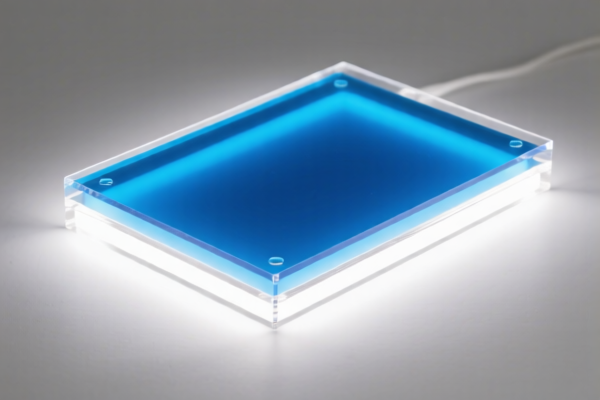
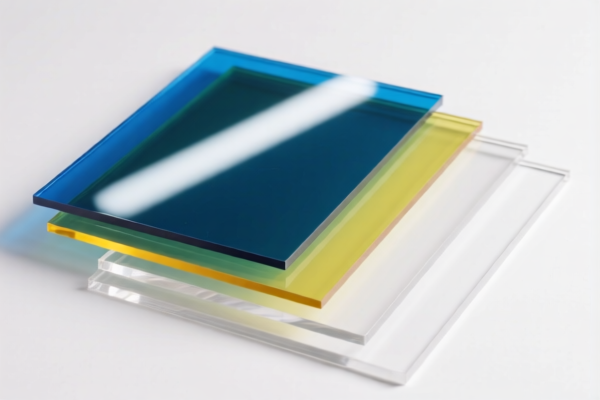
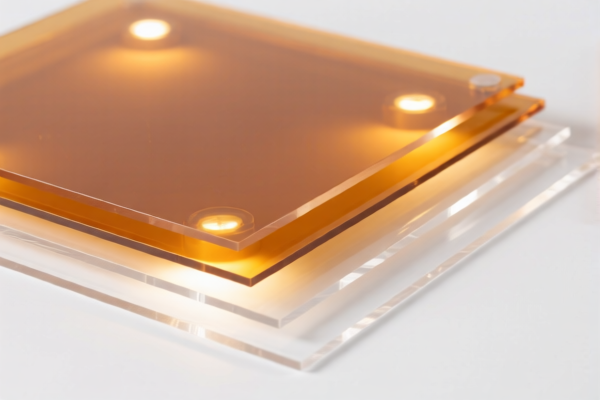
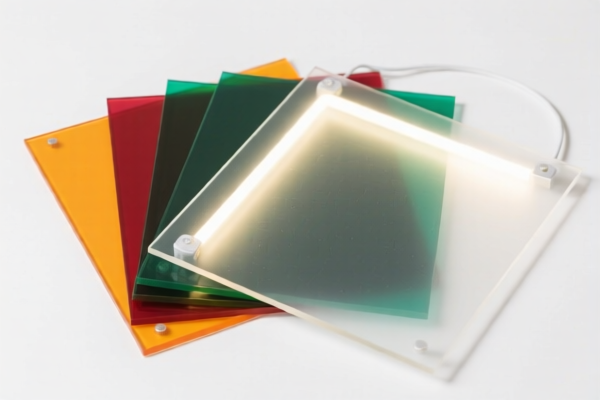
AI Analysis
🎨 Acrylic Sheets for Lighting (Acrylic Light Boxes/Panels)
🌐 HS Code Reference & Customs Clearance Guide | 2026 Latest Tariff Analysis | Professional Strategy for US Imports
📌 I. Product Definition & Classification: What Exactly is "Acrylic for Lighting"?
Acrylic sheets used for lighting, commonly known as Light Box Panels, Light Diffusers, or Light Guide Plates, are typically made from Polymethyl Methacrylate (PMMA). In international trade, they are categorized based on their form (raw material vs. finished component) and specific application.
Key Distinction: * Raw/Intermediate Material: If imported as raw sheets, boards, or films intended for further processing (cutting, polishing), they fall under Chapter 39 (Plastics). * Finished Lighting Component: If imported as a specialized part designed specifically for lighting fixtures, it may fall under Chapter 94 (Furniture/Lighting).
⚠️ Critical Classification Point:
- If the item is just PMMA sheets/plates (raw material) → Generally 3920/3926.
- If the item is a specialized lighting diffuser/part → May fall under 9405.
- Note: The "Lighting" aspect triggers significant additional tariffs (Section 301 & IEEPA).
📦 II. HS Code Classification Matrix (2026 Latest Tariff Alignment)
Based on the provided data, here are the 5 potential HS Codes and their logical justifications:
| HS Code | Product Description | Justification from Data | Tax Rate |
|---|---|---|---|
3926.90.99.89 |
Other plastic articles & parts | "Acrylic is plastic; Light box panels are unlisted other plastic products." | 22.8% |
3920.59.80.00 |
Plates, sheets, films of acrylic | "Acrylic is acrylic polymer; Panels are plates/sheets, non-foam, non-reinforced." | 41.5% |
9405.61.60.00 |
Lighting fittings parts/materials | "Product form is plate; Material is acrylic; Used for lighting fixtures/components." | 40.3% |
3926.90.99.87 |
Plastic articles for electrical conduits? | "Acrylic is plastic; Panels are plastic boards/articles, similar property to wire conduit plastics." | 22.8% |
3920.51.50.90 |
Other plates/sheets of MMA polymers | "Acrylic is PMMA; Panels are plates/sheets, fitting other categories." | 41.5% |
🔍 Analysis:
- Codes 3920.59.80.00 and 3920.51.50.90 target the raw material nature (Plates/Sheets) and carry the highest tariffs (41.5%).
- Codes 3926.90.99.89 and 3926.90.99.87 target the general plastic article nature and carry lower tariffs (22.8%).
- Code 9405.61.60.00 targets the functional application (Lighting) and carries a high tariff (40.3%).
💰 III. 2026 Latest Tariff Rate Breakdown (Including Surtaxes)
✅ Applicable Country: United States (US)
✅ Country of Origin: China (CN)
✅ Effective Date: 2025/2026 (Current Policy)
🎯 1. Lower Tariff Group: 3926.90.99.89 & 3926.90.99.87
Classification Basis: General Plastic Articles / Parts
| Item | Detail |
|---|---|
| Base Duty | 5.3% |
| Section 301 Surcharge | +7.5% (Specific to these subheadings in the dataset) |
| Section 122 Surcharge | +10% |
| Total Effective Rate | 22.8% |
| Tax Calculation | CIF Value × 22.8% |
| Legal Basis | Base Duty + Section 301 (7.5%) + Section 122 (10%) |
📌 Interpretation:
- This is the most cost-effective classification if the goods can be legally argued as "General Plastic Articles" rather than specific plates. - Section 122 applies to Chinese imports, adding a flat 10%.
🎯 2. Higher Tariff Group: 3920.59.80.00 & 3920.51.50.90
Classification Basis: Acrylic Plates/Sheets (Raw Material Form)
| Item | Detail |
|---|---|
| Base Duty | 6.5% |
| Section 301 Surcharge | +25.0% (High surcharge for plastic plates) |
| Section 122 Surcharge | +10% |
| Total Effective Rate | 41.5% |
| Tax Calculation | CIF Value × 41.5% |
| Legal Basis | Base Duty + Section 301 (25%) + Section 122 (10%) |
📌 Interpretation:
- These codes classify the product as Acrylic Plates/Sheets.
- The 25% Section 301 surcharge is standard for many plastic plates, making the total tax very high.
🎯 3. Functional Classification: 9405.61.60.00
Classification Basis: Lighting Fittings Parts/Materials
| Item | Detail |
|---|---|
| Base Duty | 5.3% |
| Section 301 Surcharge | +25.0% |
| Section 122 Surcharge | +10% |
| Total Effective Rate | 40.3% |
| Tax Calculation | CIF Value × 40.3% |
| Legal Basis | Base Duty + Section 301 (25%) + Section 122 (10%) |
📌 Interpretation:
- Classifying as a lighting part avoids the "plate" description but incurs the higher 25% Section 301 surcharge.
- Total tax is 40.3%, only slightly lower than the plate classification.
🛠️ IV. Customs Clearance Practical Advice (Anti-Pitfall Guide)
✅ 1. Documentation Checklist (Must-Have)
| Document | Required? | Purpose |
|---|---|---|
| Product Specification Sheet | ✔️ | Define material (PMMA), thickness, dimensions, translucency. |
| Commercial Invoice | ✔️ | Clearly state "Acrylic Sheets for Lighting" or "PMMA Light Box Panels". |
| Packing List | ✔️ | Detail packaging to show no other electronic components are included. |
| Origin Certificate | ✔️ | If not China, might reduce Section 301/122 risks (check FTAs). |
| Photo of Product | ✔️ | Show clear plastic/white acrylic sheets without frames or LEDs. |
| Use Statement | ✔️ | "For use in manufacturing light boxes..." helps justify Chapter 39. |
✅ 2. Classification Strategy & Tips
🔥 "Shape Determines Tax, Use Determines Code!"
| Scenario | Recommended HS Code | Why? |
|---|---|---|
| Raw Sheets (Cut to size, no finish) | 3926.90.99.89 or 3926.90.99.87 |
Arguments: "Unfinished plastic article." Lowest tax (22.8%). |
| Polished/Cut Panels (Ready for light box assembly) | 3920.59.80.00 or 3920.51.50.90 |
Arguments: "Specific plastic plate." High tax (41.5%). |
| Specialized Diffuser (With optical properties) | 9405.61.60.00 |
Arguments: "Part of lighting fixture." High tax (40.3%). |
Pro Tip:
- If the acrylic sheets are generic and not customized with specific optical patterns for a single client, argue for 3926 (General Plastic Article) to save ~19% in taxes.
- If they are custom-cut with specific dimensions for a light box, customs may insist on 3920 (Plastic Plate).
✅ 3. Special Cases
| Situation | Advice |
|---|---|
| OEM Custom Panels | Provide design drawings showing they are "parts" of a light box, but still argue for Chapter 39 if no other lighting components are present. |
| Mixed Shipment | If packing acrylic with LED strips or frames, declare separately. Mixed shipments trigger complex classification for each item. |
| Section 122 Exemption? | Unlikely for China-origin plastic goods. Assume 10% is mandatory unless specific exemptions apply. |
🌍 V. Global Market Comparison (2026)
| Country | Best HS Code | Total Tax (China Origin) | Notes |
|---|---|---|---|
| 🇺🇸 USA | 3926.90.99.89 |
22.8% | Lowest effective rate if classified as general plastic article. |
| 🇺🇸 USA | 3920.59.80.00 |
41.5% | Highest rate for acrylic plates. |
| 🇨🇳 China | 3926.90.99.89 |
5.3% | No Section 301/122. Low import duty. |
| 🇪🇺 EU | 3920.59.00 |
6.5% | No Section 122. Standard MFN rate. |
📌 Conclusion:
- The US market is the most challenging due to Section 301 + Section 122 surcharges.
- Classifying as "General Plastic Article" (3926) saves significant money compared to "Acrylic Plate" (3920).
📌 VI. Common Mistakes & Pitfalls
❌ Mistake 1: Declaring "Lighting Fixtures" for plain acrylic sheets.
👉 Result: Customs may classify under 9405 (40.3%) or reject if incomplete.
❌ Mistake 2: Calling them "Acrylic Boards" without specifying form.
👉 Result: Customs may default to 3920 (41.5%) assuming plates/sheets.
❌ Mistake 3: Ignoring Section 122.
👉 Result: Underpayment of 10% on CIF value → Penalties + Interest.
✅ Correct Declaration Example:
"PMMA Acrylic Sheets, Clear, Unfinished, for Use in Manufacturing Light Box Panels, Not Integrated with Lighting Components."
🎯 VII. Conclusion: Strategic Customs Planning
🎯 Key Takeaway:
🔹 "Raw Sheets = 22.8% | Plastic Plates = 41.5%"
🔹 Maximize savings by arguing "General Plastic Article" status.🔹 "Section 122 is always 10% for China. Focus on lowering the Section 301 rate."
📌 Pro Tip:
If your supplier can provide generic, uncut PMMA sheets rather than pre-cut "light box panels," you have a stronger case for 3926.90.99.89.
For custom-sized panels, be prepared for 3920 or 9405 rates. Always request an Advance Ruling from US Customs if the value is high.
📣 Action Plan:
📞 Consult your customs broker with product photos and specifications.
📄 Request Pre-Classification Ruling for high-volume shipments.
📊 Calculate landed cost using 22.8% vs. 41.5% to optimize pricing.
✨ Accurate Classification, Lower Taxes, Smoother Clearance!
💼 Your Profit Margin Depends on Your HS Code!
Customer Reviews
About HS Code Classification
The Harmonized System (HS) is an internationally standardized nomenclature developed by the World Customs Organization (WCO) to classify traded products. Over 200 countries use the HS system as the basis for customs tariffs, trade statistics, and import/export regulations.
Each HS code follows a hierarchical structure:
- Chapter (2 digits) — Broad category of goods (e.g., Chapter 84: Machinery and Mechanical Appliances)
- Heading (4 digits) — More specific grouping within the chapter
- Subheading (6 digits) — Internationally standardized breakdown, used by all WCO member countries
- National subdivisions (8-10 digits) — Country-specific extensions for further classification, such as US HTSUS 10-digit codes
Correct HS code classification is essential for smooth customs clearance, accurate duty payment, and compliance with trade regulations. Misclassification can lead to customs delays, overpayment of duties, or penalties.
When importing from CN to US, the applicable tariff rates may include:
- Most-Favored-Nation (MFN) rate — The standard duty rate applied to WTO members
- General rate — Applied to countries without trade agreements
- Trade remedy duties — Additional tariffs such as Section 301 (anti-dumping), Section 232 (national security), or countervailing duties
The information provided on this page is for reference purposes only. For official classification, please consult with your local customs authority or a licensed customs broker.