Acrylic Spunbond Backing Wall Material
CN → US| HS Code | Tariff Rate | Origin | Destination | Doc |
|---|---|---|---|---|
| 3918103150 | 39.2% | CN | US | Official Doc |
| 3918103250 | 41.5% | CN | US | Official Doc |
Product Images
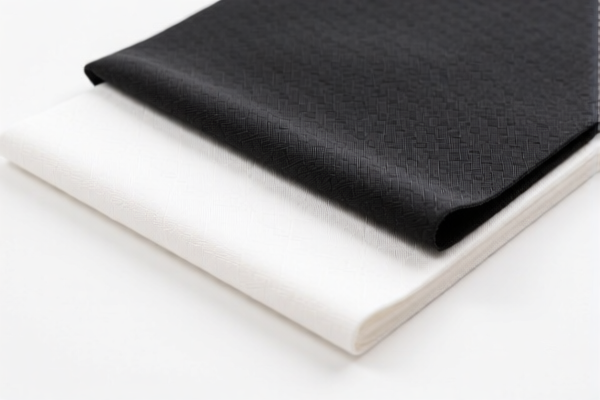
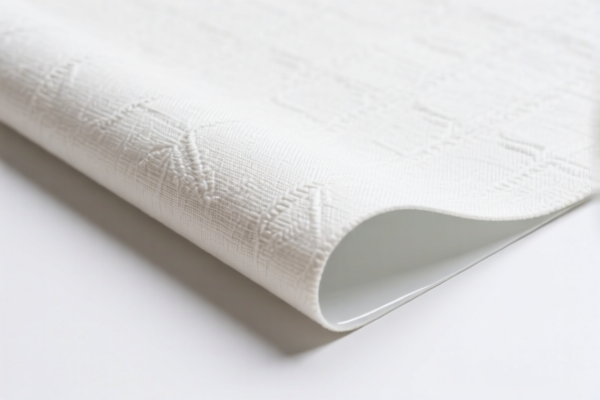
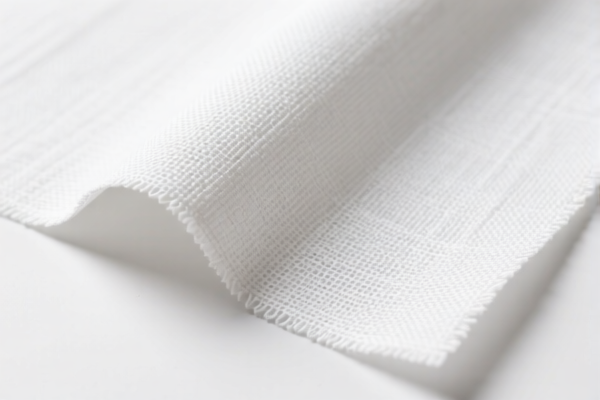
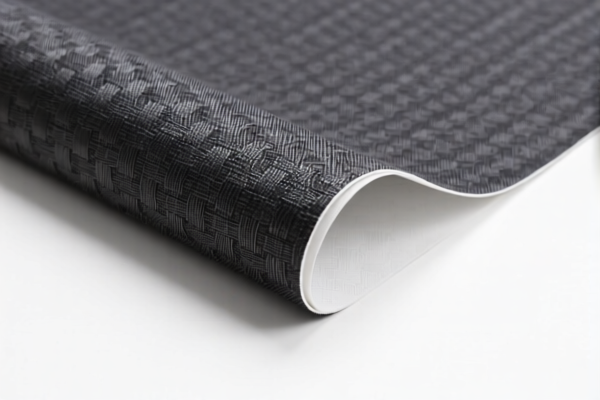
AI Analysis
🏠 Acrylic Spunbond Backing Wall Material (Plastic Wall Coverings)
🌐 HS Code Reference & Customs Clearance Guide | 2026 Latest Tariff Analysis | Professional Entry Strategy
📌 Part I: Product Definition & Classification: Do You Truly Understand "Acrylic Wall Coverings"?
"Acrylic Spunbond Backing Wall Material" refers to wall coverings made of polymers of vinyl chloride (PVC) or similar plastics, featuring a textile backing made from man-made fibers (often spunbond non-woven fabric for stability and adhesion).
In international trade, this specific configuration triggers a critical distinction: * Plastic Content vs. Backing Type: The item is primarily defined by its plastic composition (usually PVC) and the specific nature of its backing (textile/man-made fibers). * "Other" Category: If the plastic content exceeds 70% by weight, it falls under the "Other" subcategories within the PVC wall covering heading, distinguishing it from paper-backed or natural fiber-backed variants.
⚠️ Key Distinction Point:
- If the backing is man-made fibers (e.g., spunbond polyester/polypropylene) and plastic constitutes over 70% by weight →归入 3918.10.31.50
- If the backing is man-made fibers but does not meet the >70% plastic weight threshold or is categorized as "Other" in specific sub-annotations → 归入 3918.10.32.50
- ⚠️ Critical Note: Do not classify under fabric (54/55) or paper (48) just because it has a textile/paper-like backing. The primary material is plastic.
📦 Part II: HS Code Classification Details (2026 Latest Tariff Authority Match)
Based on your provided , here is the precise mapping for "Acrylic/Plastic Wall Coverings with Spunbond Backing":
| HS Code | Product Description (From Data) | Applicable Scenario | Plastic Weight |
|---|---|---|---|
3918.10.31.50 |
Wall or ceiling coverings of plastics (PVC): With backing of man-made fibers: Over 70% by weight of plastics | High-density PVC wall panels, durable commercial wall coverings, rigid spunbond-backed vinyl | ✅ >70% |
3918.10.32.50 |
Wall or ceiling coverings of plastics (PVC): With backing of man-made fibers: Other Other | Lower density PVC wall coverings, standard residential wallpaper with spunbond backing, "Other" classifications | ❓ ≤70% or Other |
🔍 Critical Reminder:
- Both codes fall under Chapter 39 (Plastics and Articles Thereof), specifically 3918 (Floor coverings and wall/ceiling coverings of plastics).
- The term "Acrylic" in common trade language often overlaps with PVC wall coverings. If the primary polymer is not vinyl chloride (PVC), it might fall under a different heading (e.g., 3918.90). However, based on the provided data, we assume the product is classified under polymers of vinyl chloride.
- "Spunbond Backing" is explicitly covered under "With a backing of man-made fibers."
💰 Part III: 2026 Latest Tariff Rate Details (Zero Tariff Structure)
✅ Applicable Country: United States (US)
✅ Origin: China (CN)
✅ Effective Date: 2025-11-10 onwards (for imports)
🎯 1. 3918.10.31.50 —— Plastic Wall Coverings (>70% PVC Weight)
| Item | Content |
|---|---|
| Base Tariff | 0.0% |
| Section 301 Tariff (USITC) | 0.0% |
| IEEPA Tariff (China-specific) | 0.0% |
| Total Effective Tax Rate | 0.0% |
| Tax Calculation | CIF Value × 0% = $0 |
| De Minimis Eligibility | ❓ N/A (Not applicable as rate is 0, but check de minimis value thresholds for duty-free entry) |
| Legal Basis Path | HTSUS:3918.10.31.50 → USITC:301 Footnotes (if any) → No Additional Tariffs Applied |
📌 Explanation:
- Unlike electronics or steel, plastic wall coverings (HS 3918) are not currently subject to the high 25% Section 301 tariffs or the IEEPA 10% surcharges in the provided data.
- This is a low-tariff advantage category.
- Crucial: Verify if the "acrylic" content is actually PVC. If it is pure acrylic (PMMA), it might not fall under 3918.10 (which specifies "Of polymers of vinyl chloride"). If it is pure acrylic, check 3918.90.00 or other subheadings, which may have different rates. Assuming the data provided is the correct classification, the rate is 0%.
🎯 2. 3918.10.32.50 —— Other Plastic Wall Coverings (Man-made Fiber Backing)
| Item | Content |
|---|---|
| Base Tariff | 0.0% |
| Section 301 Tariff (USITC) | 0.0% |
| IEEPA Tariff (China-specific) | 0.0% |
| Total Effective Tax Rate | 0.0% |
| Tax Calculation | CIF Value × 0% = $0 |
| De Minimis Eligibility | ❓ N/A (Rate is 0) |
| Legal Basis Path | HTSUS:3918.10.32.50 → No Additional Tariffs Applied |
📌 Note:
- Same tax advantage as above.
- "Other Other" implies it does not meet the >70% plastic weight criteria for the first subheading, or is a different variant of man-made fiber backing.
- Zero duty makes this highly competitive for importers.
🛠️ Part IV: Customs Clearance Practical Advice (Pitfall Avoidance Guide)
✅ 1. Documentation Checklist (Essential for Smooth Clearance)
| Document | Required | Explanation |
|---|---|---|
| ✅ Commercial Invoice | ✔️ | Must clearly state: "Wall Covering of Plastics (PVC) with Spunbond Backing" |
| ✅ Product Specification Sheet | ✔️ | Must detail: Plastic composition (e.g., 75% PVC), Backing material (e.g., 25% Polypropylene Spunbond), Weight percentages |
| ✅ Material Safety Data Sheet (MSDS) | ✔️ | Required for chemical compliance (VOC emissions, flammability) |
| ✅ Bill of Lading (B/L) | ✔️ | Ensure HS Code 3918.10.31.50 or 3918.10.32.50 is listed |
| ✅ Labeling Info | ✔️ | Product name, country of origin (China), manufacturer details |
⚠️ Critical Documentation Tip:
- If the plastic weight is close to 70%, provide a laboratory test report confirming the exact weight percentage of plastics vs. backing. This prevents CBP (U.S. Customs and Border Protection) from downgrading the classification or questioning the "Over 70%" claim.
✅ 2. Declaration Strategies (Key Mnemonics)
🔥 "Plastic First, Backing Second, Weight Matters, Tariff Zero!"
| Scenario | Correct Declaration | Wrong Practice |
|---|---|---|
| High-density PVC wall panel (Backed by spunbond) | 3918.10.31.50 (>70% plastic) |
Declaring as "Fabric" or "Paper Wallpaper" |
| Standard vinyl wallpaper (Spunbond backing, <70% plastic or "Other") | 3918.10.32.50 |
Declaring as "Textile Wallcovering" (54/55) |
| Pure Acrylic (PMMA) Sheets | Not 3918.10 (Check 3918.90 or 3919) | Assuming "Acrylic" = "PVC" in HS Code |
| Wall Covering with Natural Fiber Backing | Not 3918.10 (Check 3918.90) | Forcing into "Man-made fibers" category |
📌 Warning:
- Do not classify as "Textiles" (Chapter 54/55) even if the backing is prominent. The GRI (General Rules of Interpretation) prioritizes the material that gives the essential character. For wall coverings, plastic is usually the essential character if it exceeds 50% or defines the function.
- If the product is pure acrylic (PMMA) and not PVC, it cannot use3918.10(which is specific to "Of polymers of vinyl chloride"). It must be classified under 3918.90 or other subheadings. Verify your material!
✅ 3. Special Cases Handling
| Scenario | Handling Advice |
|---|---|
| Product is Pure Acrylic (PMMA), not PVC | Do NOT use 3918.10. Check 3918.90.00 or 3920.62 (Acrylic sheets). Rates may differ. |
| Backed with Paper, not Spunbond | Classify under "With backing of paper" subheadings (e.g., 3918.90.40 or similar), not man-made fibers. |
| Self-Adhesive Rolls | If self-adhesive, still falls under 3918 ("whether or not self-adhesive"). Ensure description mentions "self-adhesive" if applicable. |
| High VOC Emissions | Provide CARB (California Air Resources Board) or EPA compliance documents to avoid rejection at port. |
🌍 Part V: Global Market Comparison (2026 Latest)
| Country/Region | Recommended HS Code | Tariff (China Origin) | Certification Required | Notes |
|---|---|---|---|---|
| 🇺🇸 USA | 3918.10.31.50 / 32.50 |
0.0% | FCC (if electronic), CARB (VOC) | Zero Duty Advantage |
| 🇨🇳 China | 3918.10.31.50 |
~10-13% | CCC (if applicable) | Export from China |
| 🇪🇺 EU | 3918.10.31 |
~6.5% | REACH, CPNP | VAT applies (19-21%) |
| 🇬🇧 UK | 3918.10.31 |
~6.5% | UKCA, REACH | Post-Brexit rules apply |
| 🇨🇦 Canada | 3918.10.31 |
~0-5% | Health Canada (VOC) | Check CFIA regulations |
📌 Conclusion:
- USA is the most favorable market for this product due to 0% total tariff.
- Ensure the product is correctly identified as PVC to utilize these codes. If it is pure acrylic (PMMA), you may need a different HS code, which could have different tariffs.
📌 Part VI: Common Errors & Pitfall Avoidance (Lessons Learned)
❌ Error 1: Classifying "Acrylic" wall coverings under 3918.10 without verifying they are PVC
👉 Consequence: Misclassification → CBP may assess back duties + penalties if the correct code is different (e.g., 3918.90).
👉 Fix: Confirm chemical composition. If >90% PMMA, use 3918.90 or 3920.62.
❌ Error 2: Declaring "Wallpaper" as "Textile Wall Covering" (Chapter 54)
👉 Consequence: Higher duties (if any) + delays in classification review.
👉 Fix: Plastic backing/textile hybrid wall coverings are Plastics (Chapter 39).
❌ Error 3: Ignoring VOC (Volatile Organic Compounds) Regulations
👉 Consequence: Rejection at US border, especially in California (CARB) and major cities.
👉 Fix: Obtain VOC emission test reports from accredited labs.
✅ Correct Declaration Example:
"PLASTIC WALL COVERING, PVC BASE, WITH SPUNBOND POLYESTER BACKING, 75% PVC BY WEIGHT, FOR INTERIOR USE, MODEL XYZ"
🎯 Part VII: Conclusion: Precise Classification, Zero Duty, Maximum Profit!
🎯 Remember the Mnemonic:
🔹 "PVC First, Spunbond Back, Over 70% Weight, Zero Duty Sweet!"
🔹 "If Pure Acrylic, Check 3918.90, Not 3918.10, Avoid the Woe!"
📌 Pro Tip:
If your product is pure acrylic (PMMA) and not PVC, DO NOT use the provided HS codes. Instead, consult a customs broker for 3918.90 or 3920 classifications. The provided data assumes PVC (Vinyl Chloride) polymers.
📣 Immediate Action:
📞 Verify Material Composition (PVC vs. Pure Acrylic)
📊 Get Weight Percentage Report (>70% Plastic?)
📝 Apply for Advance Ruling if volume is high🚀 Ensure Smooth Clearance, Zero Duties, and Happy Customers!
✨ Professional Customs Clearance Starts with Accurate Classification!
💼 Your Profit Margin Depends on This 0% Tariff Advantage!
Customer Reviews
About HS Code Classification
The Harmonized System (HS) is an internationally standardized nomenclature developed by the World Customs Organization (WCO) to classify traded products. Over 200 countries use the HS system as the basis for customs tariffs, trade statistics, and import/export regulations.
Each HS code follows a hierarchical structure:
- Chapter (2 digits) — Broad category of goods (e.g., Chapter 84: Machinery and Mechanical Appliances)
- Heading (4 digits) — More specific grouping within the chapter
- Subheading (6 digits) — Internationally standardized breakdown, used by all WCO member countries
- National subdivisions (8-10 digits) — Country-specific extensions for further classification, such as US HTSUS 10-digit codes
Correct HS code classification is essential for smooth customs clearance, accurate duty payment, and compliance with trade regulations. Misclassification can lead to customs delays, overpayment of duties, or penalties.
When importing from CN to US, the applicable tariff rates may include:
- Most-Favored-Nation (MFN) rate — The standard duty rate applied to WTO members
- General rate — Applied to countries without trade agreements
- Trade remedy duties — Additional tariffs such as Section 301 (anti-dumping), Section 232 (national security), or countervailing duties
The information provided on this page is for reference purposes only. For official classification, please consult with your local customs authority or a licensed customs broker.