Acrylic Storage Rack
CN → US| HS Code | Tariff Rate | Origin | Destination | Doc |
|---|---|---|---|---|
| 3925900000 | 40.3% | CN | US | Official Doc |
| 3925200091 | 22.8% | CN | US | Official Doc |
| 3926305000 | 22.8% | CN | US | Official Doc |
| 3926909989 | 22.8% | CN | US | Official Doc |
| 3926909989 | 22.8% | CN | US | Official Doc |
Product Images
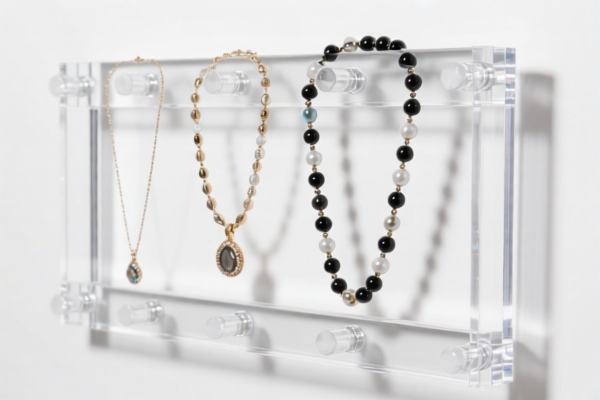

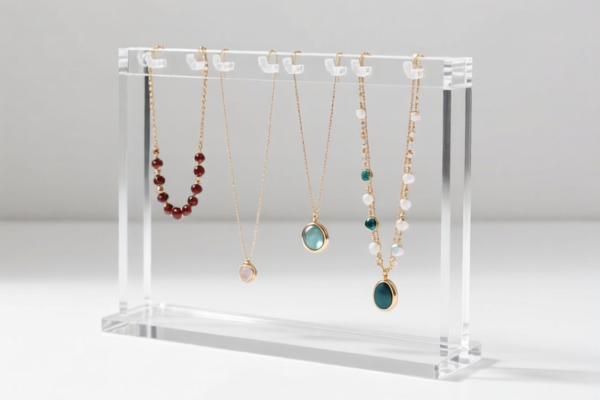
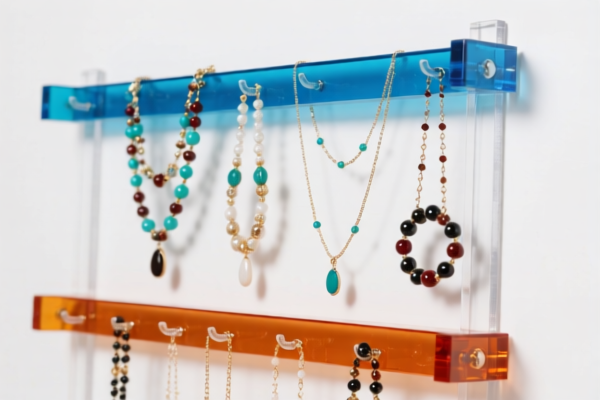
AI Analysis
🏗️ Acrylic Storage Rack: The "Plastic Structure" Dilemma | 2026 Customs Clearance Guide & Tax Breakdown
🌐 HS Code Reference & Clearance Guide | 2026 Latest Tariff Analysis | Professional Clearance Strategy
📌 I. Product Definition & Classification: Is it Furniture, Construction, or Just "Plastic"?
An Acrylic Storage Rack presents a unique classification challenge in international trade. It is made of Acrylic (PMMA), which is chemically a plastic. However, its function is storage/support, and its form is often structural or architectural (resembling shelves, brackets, or display units).
In US Customs (CBP) eyes, the classification depends on how it is used and how it is presented:
- Construction/Building Material: If the rack is used to hold heavy loads in a warehouse, or if it’s a fixed shelving system, it may be seen as a "building component."
- Furniture/Accessory: If it’s a free-standing unit for home/office use, it falls under general plastic articles.
- Miscellaneous Plastic Article: If it doesn’t fit neatly into furniture or construction, it defaults to the "other" category.
⚠️ Key Distinction Point:
- If it’s a large, fixed, industrial-style shelving unit → Potentially 3925 (Building materials).
- If it’s a smaller, movable, consumer-grade storage unit → Likely 3926 (Other plastic articles).
- Acrylic is always treated as Plastic (Chapter 39), never as glass or metal, regardless of its clarity or strength.
📦 II. HS Code Classification Details (2026 Latest Tariff Mapping)
Based on the provided data, here are the 5 possible HS Codes for Acrylic Storage Racks, ranging from high-risk construction classification to safe "other" classifications.
| HS Code | Product Description | Application Scenario | Tax Rate (Total) | Risk Level |
|---|---|---|---|---|
3925.90.00.00 |
Plastic construction materials, not elsewhere specified | Large, fixed, industrial shelving systems; architectural storage components; heavy-duty warehouse racks. | 40.3% | 🔴 High (Highest tax due to Section 301 + 122) |
3925.20.00.91 |
Plastic plates, sheets, film, foil, and strip; other | Racks made from flat acrylic sheets; semi-constructed parts; panels used as shelves. | 22.8% | 🟡 Medium (Lower than 3925.90) |
3926.30.50.00 |
Plastic fittings for furniture, motor vehicles, etc. | Racks used as furniture accessories; brackets; connectors; small tabletop organizers. | 22.8% | 🟢 Safe (Standard plastic article rate) |
3926.90.99.89 |
Other plastic articles; other | Generic storage racks; display stands; miscellaneous plastic supports not covered elsewhere. | 22.8% | 🟢 Safe (Most common for consumer goods) |
3926.90.99.89 |
Other plastic articles; other | Backup classification for any plastic support structure not fitting furniture or construction. | 22.8% | 🟢 Safe |
🔍 Critical Insight:
- The 17.5% difference in total tax between3925.90.00.00(40.3%) and the3926/3925.20codes (22.8%) is significant.
- Why the difference?3925codes attract Section 301 tariffs (25%) + 122 Section tariffs (10%). The3926codes and3925.20only attract Section 301 (7.5%) + 122 Section (10%).
- Strategy: Always aim for 3926 or 3925.20 unless the rack is clearly a fixed building component.
💰 III. 2026 Latest Tariff Rate Breakdown (Detailed Tax Clauses)
✅ Applicable Country: United States (US)
✅ Origin: China (CN)
✅ Effective Date: 2025/2026 Import Cycle
🎯 1. 3925.90.00.00 — High-Risk: Plastic Building Materials
| Item | Details |
|---|---|
| Base Tariff | 5.3% |
| Section 301 Tariff | +25.0% (USITC Footnote: China-specific additional duty) |
| Section 122 Tariff | +10.0% (Specific additional duty on certain goods from China) |
| Total Tax Rate | 40.3% |
| De Minimis Eligibility | ❌ No (Deny de minimis for Section 301/122 goods) |
| Legal Basis | Section 301: 19 U.S.C. 1628 → Section 122: 19 U.S.C. 1628 note |
📌 Explanation:
- This code is applied if CBP deems the acrylic rack as "construction material" (e.g., part of a warehouse’s fixed infrastructure).
- Punitive tariffs (25% + 10%) make this extremely expensive.
- Avoid this code unless your product is literally bolted into a building’s structure.
🎯 2. 3925.20.00.91 — Medium Risk: Plastic Sheets/Plates
| Item | Details |
|---|---|
| Base Tariff | 5.3% |
| Section 301 Tariff | +7.5% (Reduced rate for certain plastic products) |
| Section 122 Tariff | +10.0% |
| Total Tax Rate | 22.8% |
| De Minimis Eligibility | ❌ No |
| Legal Basis | Section 301: 19 U.S.C. 1628 → Section 122: 19 U.S.C. 1628 note |
📌 Explanation:
- This applies if the rack is made from flat acrylic sheets or sold as semi-finished plastic components.
- Lower Section 301 rate (7.5% vs 25%) makes it cheaper than 3925.90.
🎯 3. 3926.30.50.00 — Recommended: Plastic Fittings for Furniture
| Item | Details |
|---|---|
| Base Tariff | 5.3% |
| Section 301 Tariff | +7.5% |
| Section 122 Tariff | +10.0% |
| Total Tax Rate | 22.8% |
| De Minimis Eligibility | ❌ No |
| Legal Basis | Section 301: 19 U.S.C. 1628 → Section 122: 19 U.S.C. 1628 note |
📌 Explanation:
- Ideal for smaller, movable acrylic racks (e.g., desktop organizers, bathroom shelves).
- Classified as "plastic fittings for furniture" or "plastic supports."
- Best practice for consumer goods to avoid the 25% penalty.
🎯 4. 3926.90.99.89 — Recommended: Other Plastic Articles (Catch-All)
| Item | Details |
|---|---|
| Base Tariff | 5.3% |
| Section 301 Tariff | +7.5% |
| Section 122 Tariff | +10.0% |
| Total Tax Rate | 22.8% |
| De Minimis Eligibility | ❌ No |
| Legal Basis | Section 301: 19 U.S.C. 1628 → Section 122: 19 U.S.C. 1628 note |
📌 Explanation:
- The safest default for any acrylic storage rack that doesn’t clearly fit furniture or construction.
- CBP often accepts this for display racks, cosmetic organizers, and modular plastic shelving.
- High acceptance rate in commercial shipments.
🛠️ IV. Customs Clearance Practical Advice (Pitfall Avoidance Guide)
✅ 1. Essential Documentation Checklist
| Document | Required? | Notes |
|---|---|---|
| ✅ Product Photos | ✔️ | Show the rack assembled and in use (e.g., holding books, cosmetics). |
| ✅ Bill of Materials | ✔️ | Specify "100% Acrylic (PMMA)" or "Cast Acrylic Sheet." |
| ✅ Usage Description | ✔️ | Crucial! Describe as "Portable storage organizer" NOT "Building component." |
| ✅ Commercial Invoice | ✔️ | Item name: "Acrylic Storage Rack" or "Acrylic Display Shelf." |
| ✅ Packing List | ✔️ | Include dimensions and weight. |
✅ 2. Declaration Strategy (Key Mnemonics)
🔥 “Movable = 3926, Fixed = 3925. Name Matters, Tax Varies!”
| Scenario | Recommended HS Code | Declaration Name | Tax Rate |
|---|---|---|---|
| Desktop Organizer | 3926.30.50.00 or 3926.90.99.89 |
"Acrylic Desktop Storage Organizer" | 22.8% |
| Bathroom Shelf | 3926.30.50.00 |
"Acrylic Bathroom Shelf Unit" | 22.8% |
| Large Warehouse Rack | 3925.90.00.00 |
"Industrial Plastic Shelving Unit" | 40.3% |
| Flat Acrylic Panels for Racks | 3925.20.00.91 |
"Acrylic Sheets for Assembly" | 22.8% |
| Display Stand for Retail | 3926.90.99.89 |
"Acrylic Retail Display Rack" | 22.8% |
📌 Tip:
- Avoid words like "Bracket," "Support Beam," "Building Component," or "Structural" in your declaration.
- Use words like "Organizer," "Shelf," "Rack," "Display," "Storage Unit."
✅ 3. Special Cases & Handling
| Scenario | Handling Advice |
|---|---|
| OEM Custom Racks | Provide design files. Emphasize end-use (consumer storage) rather than material thickness. |
| Racks with Metal Parts | If metal parts are >50% of value, may fall under Chapter 73/76. Check carefully! |
| Kit vs. Assembled | Assembled racks are easier to classify as 3926. Kits may be classified by main material (Acrylic). |
| High-Value Luxury Acrylic | Ensure invoice value is accurate; CBP may audit luxury acrylic goods for undervaluation. |
🌍 V. Global Market Clearance Comparison (2026)
| Country/Region | Recommended HS Code | Tariff | Certification | Notes |
|---|---|---|---|---|
| 🇺🇸 USA | 3926.90.99.89 |
22.8% (China) | None | Avoid 3925.90 (40.3%) |
| 🇨🇳 China | 3926.90.99.90 |
5.3% | CCC (if applicable) | Low base rate, no extra tariffs |
| 🇪🇺 EU | 3926.90.99 |
3.7% | CE + RoHS | No Section 301/122 equivalent |
| 🇬🇧 UK | 3926.90.99 |
3.0% | UKCA | Post-Brexit rules apply |
| 🇨🇦 Canada | 3926.90.99 |
5.0% | None | No extra tariffs on acrylic |
📌 Conclusion:
- USA is the most complex due to Section 301 + 122 tariffs.
- Always aim for3926to avoid the 25% penalty.
- EU/UK/Canada are straightforward with standard plastic tariffs.
📌 VI. Common Errors & Pitfalls (Lessons Learned)
❌ Error 1: Declaring a movable desktop rack as 3925.90.00.00
👉 Consequence: Tax jumps from 22.8% to 40.3%. Overpayment of ~17.5% on CIF value.
❌ Error 2: Using vague terms like "Plastic Support"
👉 Consequence: CBP may classify it as construction material (3925) due to ambiguity.
❌ Error 3: Splitting shipment into "Acrylic Sheets" + "Metal Brackets"
👉 Consequence: CBP will combine them under the principal material (Acrylic), leading to misclassification.
❌ Error 4: Ignoring Section 122 Tariffs
👉 Consequence: Even if you avoid Section 301 (25%), you still pay 10% under Section 122. No way to avoid 122 on China-origin acrylics.
✅ Correct Approach:
“Acrylic Storage Rack, Free-Standing, for Home Office Use, Model XYZ, 100% PMMA, No Metal Parts”
🎯 VII. Conclusion: Professional Classification, Cost Optimization!
🎯 Remember the Mnemonic:
🔹 “Movable = 3926 (22.8%), Fixed = 3925 (40.3%). Avoid 3925.90, Save Big!”
🔹 “Acrylic is Plastic, Not Glass. Name it ‘Rack,’ Not ‘Beam.’”
📌 Pro Tip:
If your acrylic rack is modular or disassembled, clearly state "Assembled Upon Arrival" to reinforce its classification as a finished good (3926) rather than a construction component.
📣 Immediate Action:
📞 Consult a licensed customs broker for Advance Ruling if your racks are large or ambiguous.
🚀 Optimize your HS Code to 3926.90.99.89 for maximum cost savings!
✨ Professional Clearance Starts with Precise Classification!
💼 Every 1% of Tariff Saved is Pure Profit!
Customer Reviews
About HS Code Classification
The Harmonized System (HS) is an internationally standardized nomenclature developed by the World Customs Organization (WCO) to classify traded products. Over 200 countries use the HS system as the basis for customs tariffs, trade statistics, and import/export regulations.
Each HS code follows a hierarchical structure:
- Chapter (2 digits) — Broad category of goods (e.g., Chapter 84: Machinery and Mechanical Appliances)
- Heading (4 digits) — More specific grouping within the chapter
- Subheading (6 digits) — Internationally standardized breakdown, used by all WCO member countries
- National subdivisions (8-10 digits) — Country-specific extensions for further classification, such as US HTSUS 10-digit codes
Correct HS code classification is essential for smooth customs clearance, accurate duty payment, and compliance with trade regulations. Misclassification can lead to customs delays, overpayment of duties, or penalties.
When importing from CN to US, the applicable tariff rates may include:
- Most-Favored-Nation (MFN) rate — The standard duty rate applied to WTO members
- General rate — Applied to countries without trade agreements
- Trade remedy duties — Additional tariffs such as Section 301 (anti-dumping), Section 232 (national security), or countervailing duties
The information provided on this page is for reference purposes only. For official classification, please consult with your local customs authority or a licensed customs broker.